Trichoscopy Reveals Hidden Hair Loss Causes and Treatment Options
Trichoscopy changes how doctors check hair and scalp issues. It lets specialists see close at the root. This tool stops guesswork on shedding, breakage, or thinning. It helps you ask clear questions, get clear answers, and choose smart treatments.
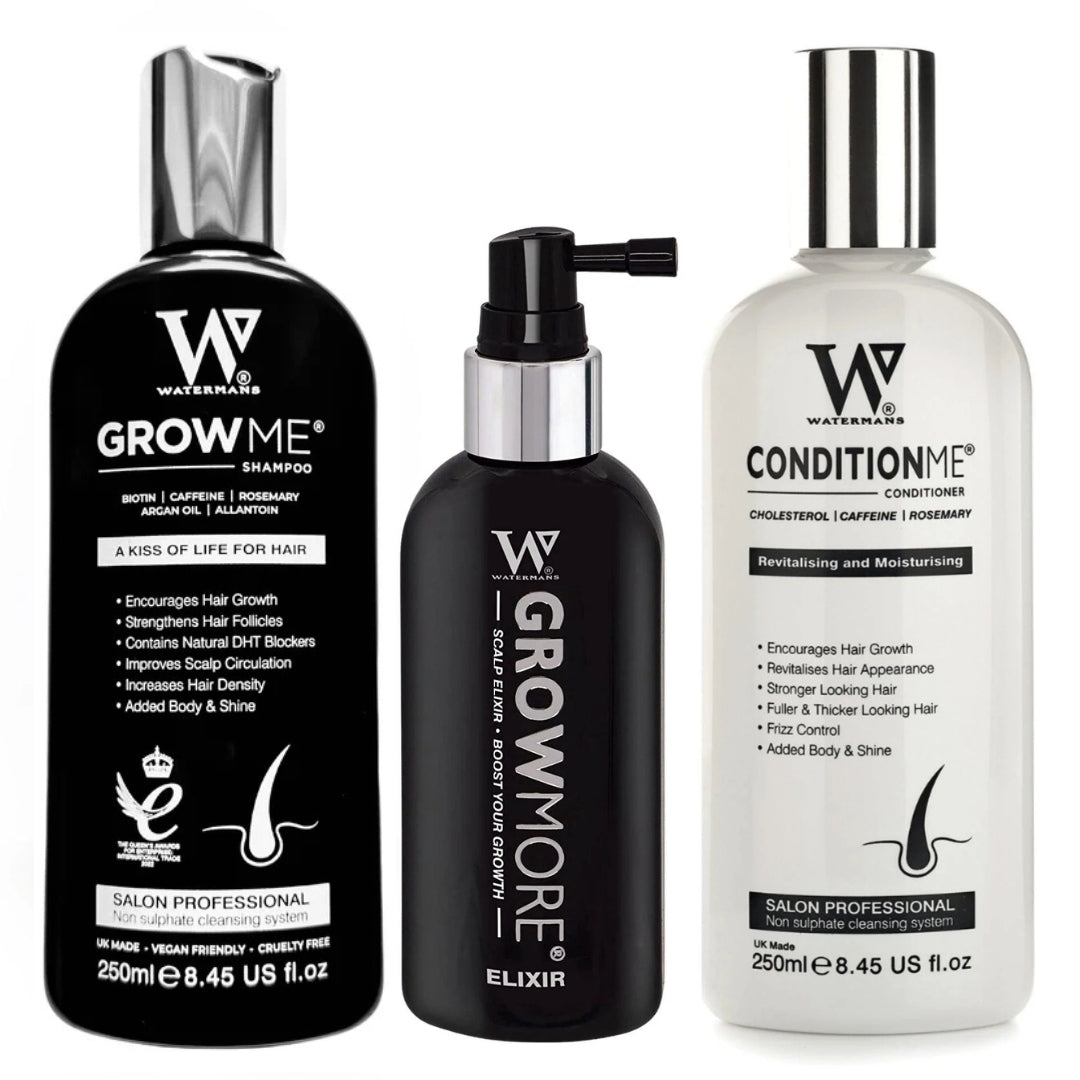
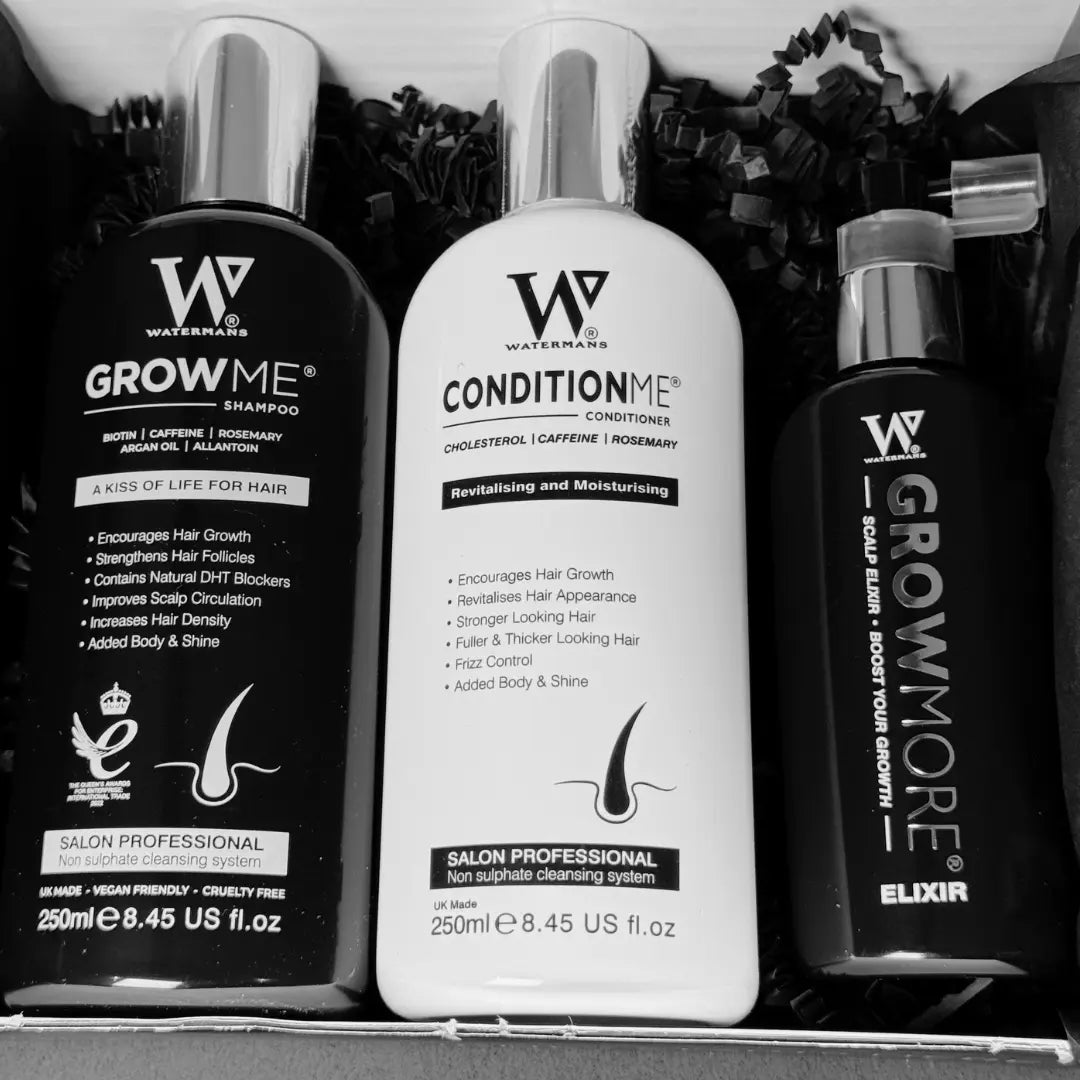
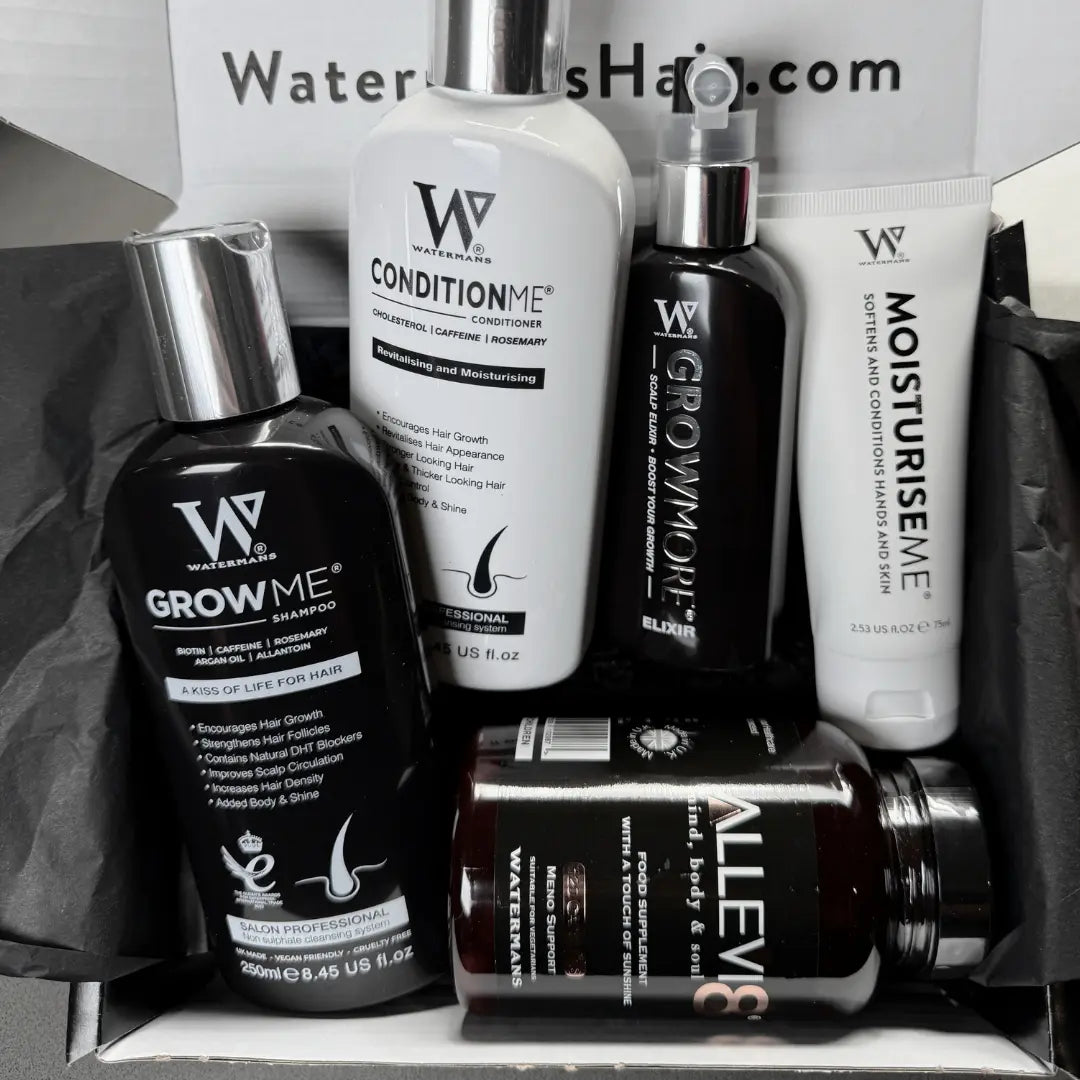
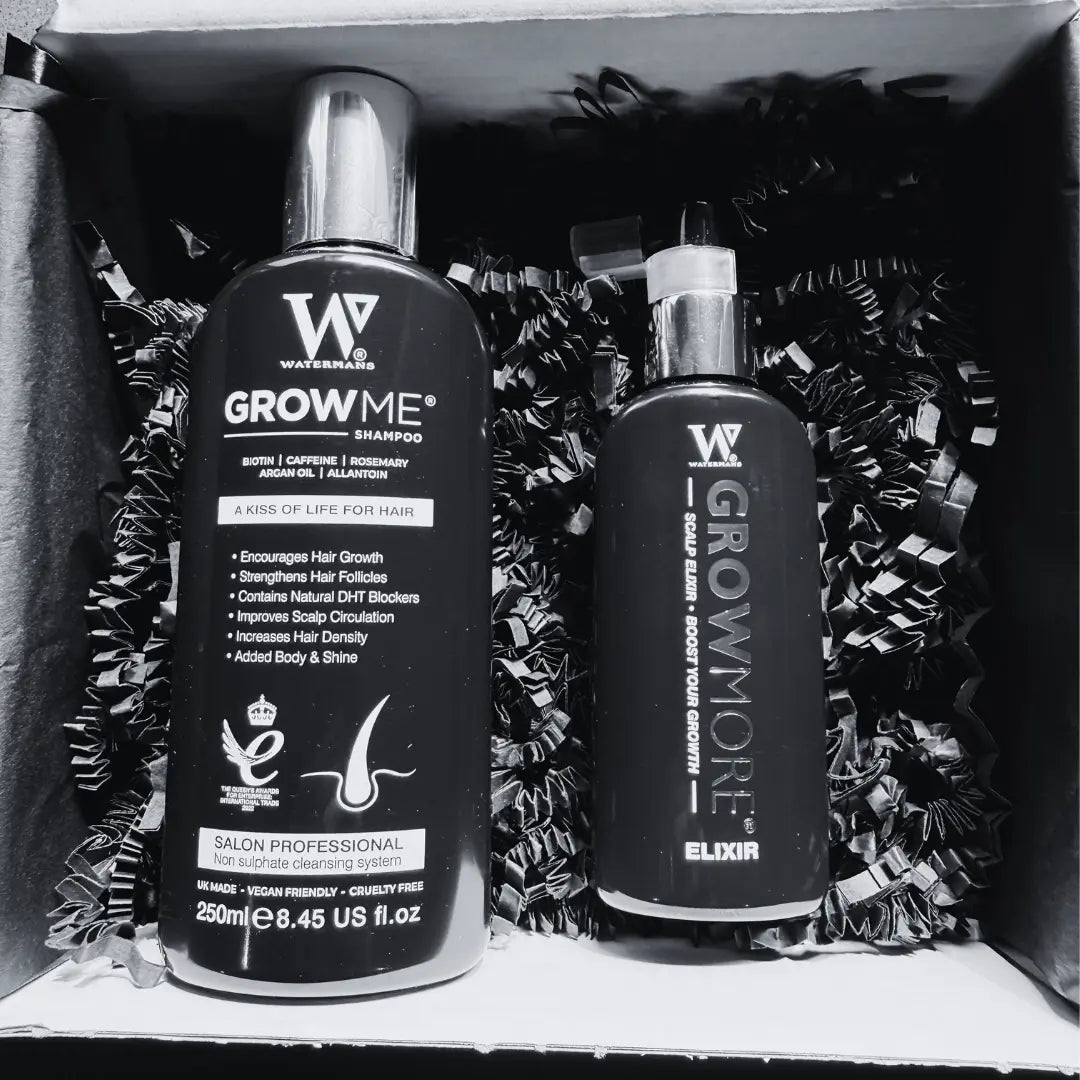
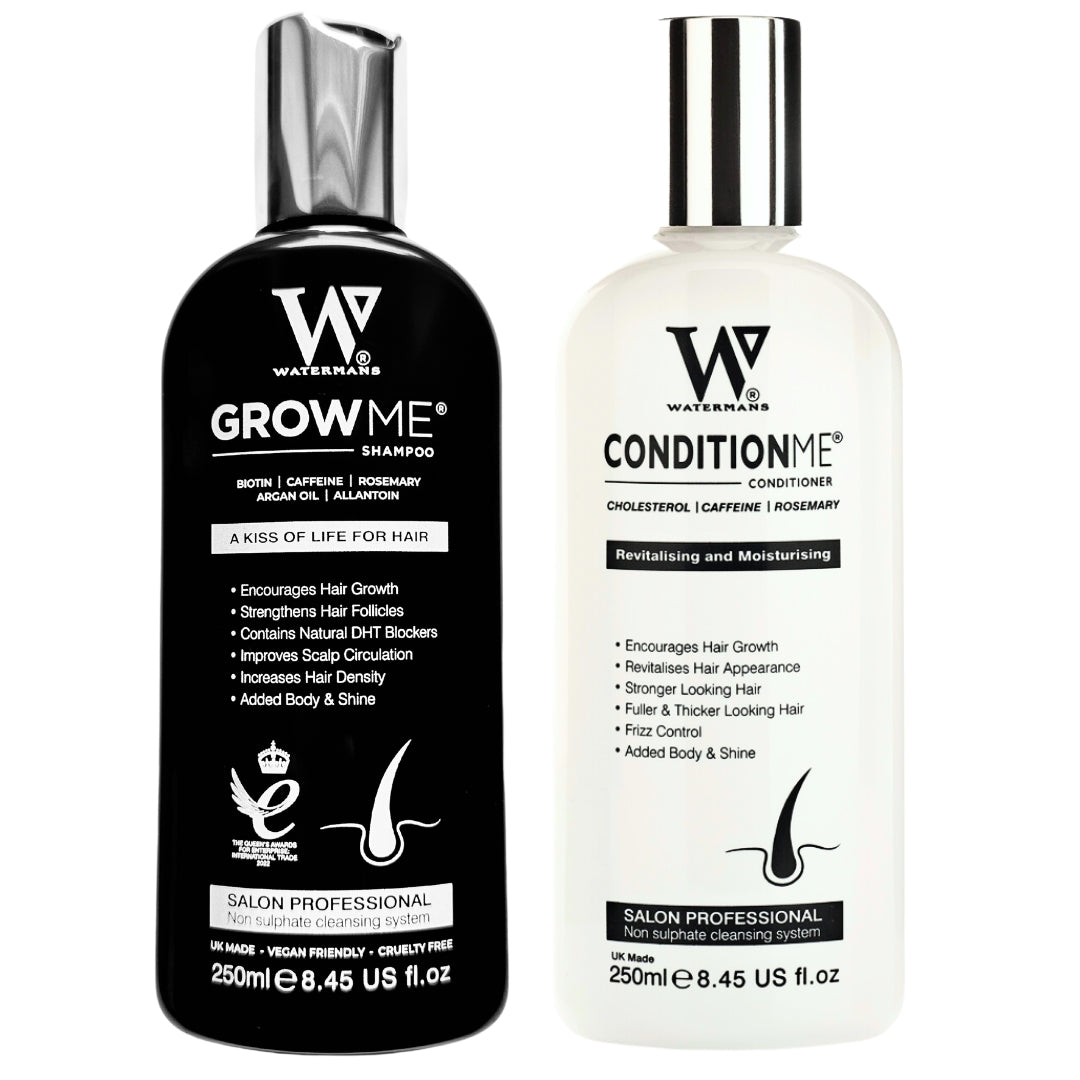
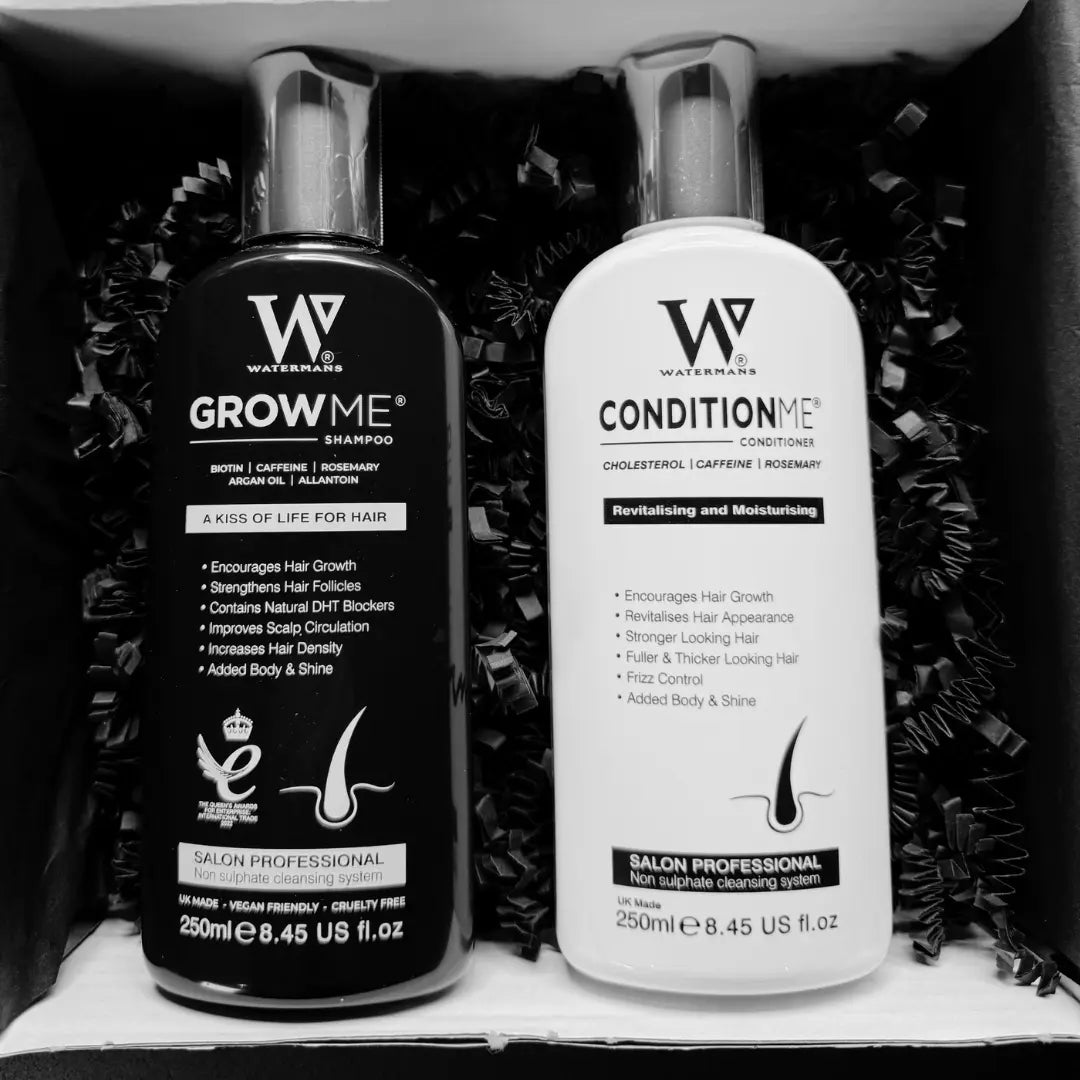
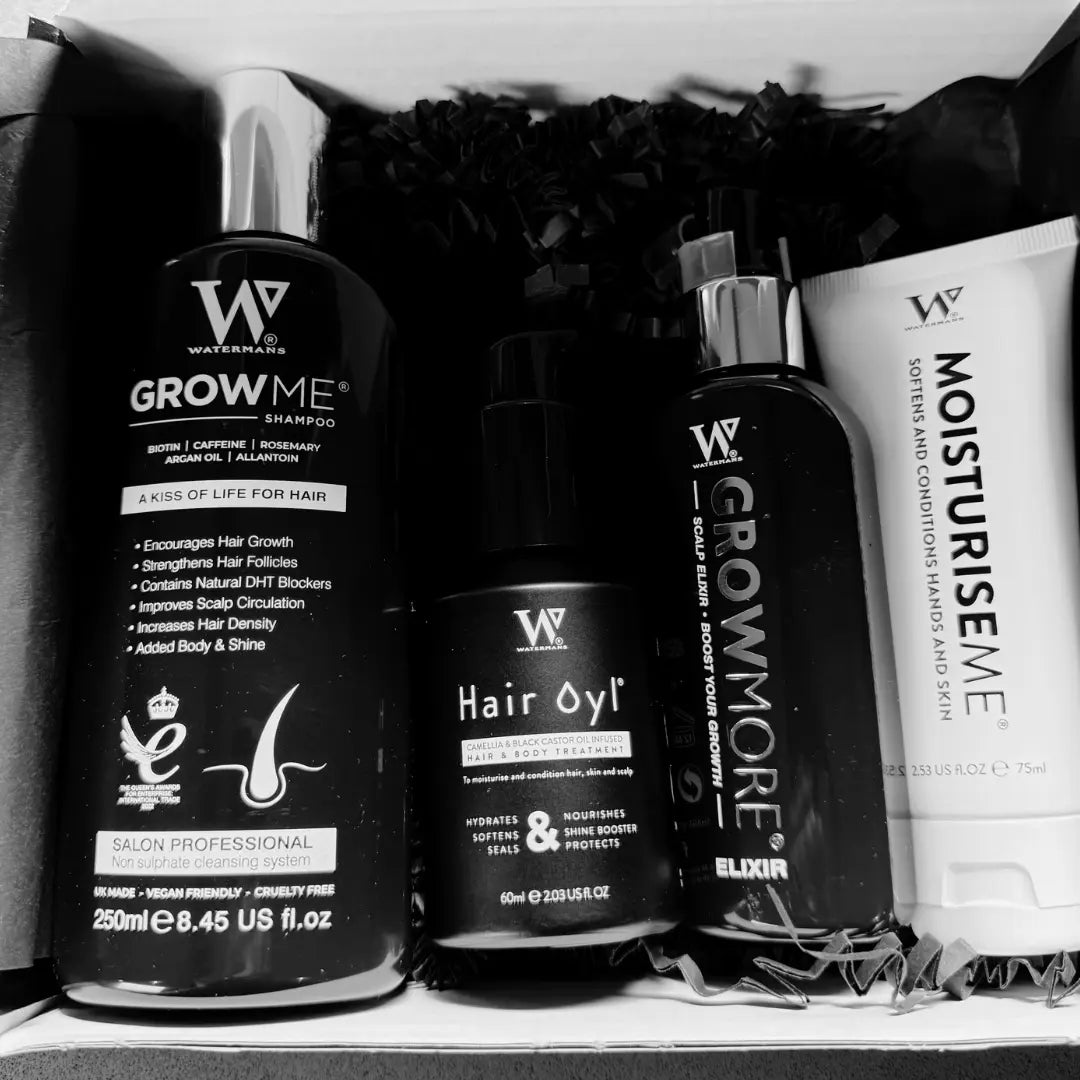
This guide shows what trichoscopy is. It shows how it works, what it can find, and how it links to treatments. These treatments range from clinic care to home care with the scalp‑energising Watermans Grow Me Shampoo and the Watermans Hair Survival Kit.
What Is Trichoscopy?
Trichoscopy is a tool that looks at hair and scalp using a magnifier called a dermatoscope. The method is like hair microscopy but does not cut or pull hair.
With trichoscopy, your doctor sees:
- Each hair and its shaft
- Hair roots and scalp pores
- Blood flow, colour, and scales on the skin
- Early miniaturisation and hidden damage
Since many hair problems look the same at a distance, trichoscopy shows a clear picture of the change.
Why Trichoscopy Matters for Hair Loss
Hair loss starts slow. When thinning is seen in plain light, many hair roots may be harmed already. Trichoscopy helps to:
- Spot problems sooner than a plain check
- Tell apart different kinds of alopecia
- Cut out needless scalp biopsies in many cases
- Fit treatment to your needs
Early detection keeps more hair roots working and ready to grow again.
How Trichoscopy Works During a Hair Loss Assessment
When you meet a doctor who works with trichoscopy, you may see these steps.
Step 1: Medical and Hair History
First, you share:
- How long you have lost hair or seen thinning
- Recent stress, sickness, or hormone changes
- Family history of hair loss
- Any medications or surgeries
- How you care for your hair (tight styles, chemicals, heat, etc.)
This history helps the doctor use trichoscopy in the right context.
Step 2: Visual Scalp Examination
Your doctor then looks at:
- How dense your hair is
- The pattern of loss (patchy, receding, etc.)
- Redness, scales, or signs of infection on the scalp
- The texture of the hair shaft and breakage
The doctor may pull a small group of hairs to check strength.
Step 3: The Trichoscopy Examination
Next, the trichoscope comes into use. The tool:
- Combines 10–70x magnification with polarised light
- Is placed on the scalp, with or without a fluid
- Checks areas like the frontal hairline, crown, temples, back of the head, and any affected spots
The doctor sees patterns in size, shape, colour, and spacing of hairs and pores, along with any skin changes.
Step 4: Photographic Documentation
Modern systems link the dermatoscope to a camera and software. They:
- Capture high‑resolution images
- Measure features like hair shaft diameter over time
- Compare results before and after treatment
For any new hair growth plan—whether it is a prescription, PRP, or home care with Watermans Grow Me Shampoo—the images show clear progress.
What Hair and Scalp Problems Trichoscopy Can Reveal
Trichoscopy is not just for bald spots. It can check many hair and scalp problems. Below are some common cases where the tool makes a difference and shows treatment paths.
Trichoscopy in Androgenetic Alopecia (Male & Female Pattern Hair Loss)
Androgenetic alopecia (AGA) is the main cause of hair thinning in both men and women. Trichoscopy gives a clear way to confirm AGA.
Typical Trichoscopic Features of AGA
Under the scope, AGA often shows:
- Varied hair shaft sizes, with thick hairs mixed with fine miniaturised ones
- More thin, vellus‑like hairs
- A slight brown halo around some hairs that hints at mild inflammation
- Yellow spots that show empty or oil‑filled pores
These signs, when found at spots like the crown or front, support an AGA diagnosis.
Treatment Options Guided by Trichoscopy
When pattern hair loss is seen, treatments may include:
- Topical or oral anti‑androgens (when the patient fits the use)
- Topical minoxidil or similar vasodilators
- Platelet‑rich plasma (PRP) therapy
- Light therapy
- Microneedling
- Hair transplant if the donor area is strong and the loss stays steady
Along with these treatments, the AGA diagnosis supports using home care. A shampoo like Watermans Grow Me Shampoo, with ingredients such as Biotin, Rosemary, Caffeine, Niacinamide, Argan Oil, Allantoin, and Lupin Protein, can:
- Support blood flow to the scalp
- Add volume at the root for better density
- Create a friendlier space for hair roots under stress
Many people find that adding Grow Me Shampoo is a solid first step. It can work with medical treatments when needed.
Trichoscopy in Telogen Effluvium (Stress‑Related Shedding)
Telogen effluvium (TE) causes widespread hair shedding. It comes after stress, illness, childbirth, weight loss, or a change in medicines.
What Trichoscopy Shows in Telogen Effluvium
Key points seen with TE include:
- Uniform hair shaft thickness (no sign of miniaturisation)
- A higher share of resting hairs
- Pores that look normal and open
- No signs of scarring
This view helps tell TE apart from early diffuse AGA. TE may reverse once the trigger is fixed.
Supportive Treatments for Telogen Effluvium
When TE is clear, treatment will:
- Look for the source (through tests and checking stress and lifestyle)
- Fix any shortages, manage stress, and wait as shedding slows
During this time, a gentle shampoo can improve the look and feel of your hair. Using Watermans Grow Me Shampoo can:
- Boost small blood flow with Caffeine and Rosemary
- Keep the scalp clean and well fed
- Add volume so the hair looks fuller while recovery happens
Good food, low stress, and kind hair care help the hair recover.
Trichoscopy for Alopecia Areata (Patchy Autoimmune Hair Loss)
Alopecia areata (AA) makes round or oval spots of hair loss. Trichoscopy helps to:
- Confirm the diagnosis
- Show how active the loss is
- Watch the treatment response
Trichoscopic Signs of Alopecia Areata
Signs include:
- Hairs that break with a tapering shape (often called "exclamation mark" hairs)
- Black dots where hairs have broken at the pore
- Yellow dots from oil and keratin in the pores
- Short hairs that regrow with tapered ends
Active broken hairs and black dots may show that the disease is active. This guide helps choose stronger treatment where needed.
Treatment Options for Alopecia Areata
Treatment often uses:
- Topical or injected corticosteroids
- Topical immunotherapy for some patients
- JAK inhibitors in specialist settings (either oral or topical, when approved)
- Measures to calm the scalp and lower inflammation
Because AA involves the immune system, a calm scalp is best. A gentle shampoo like Grow Me Shampoo helps:
- Avoid strong cleansers that might irritate
- Give the scalp can help support hair strength
- Work with medical care as a non-drug aid
Check with your doctor before starting any new product if you have AA.
Scarring vs Non‑Scarring Alopecia: A Key Trichoscopic Check
Trichoscopy shows a clear difference between scarring and non‑scarring alopecia. In scarring alopecia, hairs are lost for good and replaced by scar tissue. Early detection stops more roots from being lost.
Trichoscopic Clues of Scarring Alopecia
In scarring loss, such as lichen planopilaris or frontal fibrosing alopecia, trichoscopy can show:
- No visible pores where hair should grow
- Scaling around hair roots or thick white scales on the skin
- Redness around follicles
- Groups of hairs coming from one pore in some cases
These marks cause further checks and prompt treatment.
Management Pathways
Treatment can include:
- Anti‑inflammatory or immune‑lowering medicines, either topically or by mouth
- Regular checks with trichoscopy to see if the loss slows
Since the issue is inflammation and scarring, medicine is the main fix. At the same time, using kind care at home—by avoiding harsh chemicals, heat, and friction—can help. A simple shampoo like Watermans Grow Me Shampoo may keep the scalp clean and calm.
Trichoscopy in Seborrhoeic Dermatitis and Dandruff
Not all scalp conditions cause clear hair loss. Seborrhoeic dermatitis and heavy dandruff bring itching, redness, and some extra shedding.
Trichoscopic Findings in Seborrhoeic Dermatitis
With trichoscopy, you may see:
- Yellowish, oily scales on the scalp
- A bit of redness on the skin
- Pores that look normal
These signs help separate seborrhoeic dermatitis from scaly problems that lead to scarring.
Treatment and Scalp Care
Treatment may use:
- Medicated shampoos with antifungal agents like ketoconazole or ciclopirox
- Anti‑inflammatory lotions or foams
- Daily measures to cut flare‑ups
Once the skin calms, many switch to gentle shampoos to keep the scalp healthy. A shampoo like Grow Me Shampoo, with Niacinamide and Argan Oil, is a good choice to:
- Support the skin barrier and calm irritation
- Condition without weighing hair down
Using these products along with occasional medicated shampoos can balance care and comfort.
Non‑Scarring Hair Shaft Disorders Under Trichoscopy
Trichoscopy also spots hair shaft issues that make hair break easily.
Some cases include:
- Trichorrhexis nodosa: small nodes and breaks along the shaft
- Monilethrix: a beaded look with narrow spots
- Pili torti: twisted hairs that break fast
Why This Matters
If your hair breaks or does not grow long, the problem may lie in the shaft. Trichoscopy helps the doctor:
- Tell hair breakage apart from hair loss
- See if the pattern shows a genetic or other issue
Treatment then focuses on:
- Reducing harsh styles, heat, and strong chemicals
- Using a conditioning routine that protects the hair shaft
A gentle shampoo like Watermans Grow Me Shampoo paired with products from the Watermans Hair Survival Kit can reduce breakage and protect hair while keeping the scalp clean.
How Trichoscopy Helps Tailor Treatment Plans
Trichoscopy gives a clear look at your hair condition so that treatment fits you, not a one-size plan.

From Guesswork to an Evidence-Based Plan
By clearly seeing:
- If hair roots shrink
- If there is inflammation or scarring
- If the problem is shedding, breakage, or both
Your doctor can mix and match treatments well:
- Choosing anti‑androgens or anti‑inflammatories
- Stopping hair loss or boosting regrowth
- Deciding on a transplant or to wait
Tracking Progress Over Time
Checking with trichoscopy over time shows:
- Thicker hair shafts
- Fewer fine hairs
- Less inflammation
- Better density where treatment is used
These signs help you and your doctor know if current care (medical steps and Grow Me Shampoo) is working or if changes are needed.
Why At‑Home Scalp Care Still Matters in the Age of Trichoscopy
Even as trichoscopy gives a clear view in the clinic, your daily routine stays in your hands. Think of trichoscopy as a high‐tech tool and home care as the work you do every day.
The Role of Daily Products in a Trichoscopy‑Guided Plan
What you do at home can:
- Help blood flow and feed the hair roots
- Lower small inflammation from strong detergents or smells
- Improve hair strength as new growth starts
- Boost how your hair looks while long-term care works
Here, a good shampoo matters much more than cleaning alone.
Watermans Grow Me Shampoo: A Natural, Non‑Medical Ally for Hair Health
In a trichoscopy-based plan, Watermans Grow Me Shampoo stands out. It is a natural, non‑medicated product that supports hair growth and hides thinning well.
Key Active Ingredients and Why They Matter
Grow Me Shampoo has a clear blend:
- Biotin
- Aids hair strength and helps build hair shafts.
- Rosemary
- Used for a long time to boost the scalp; some studies show it may work like minoxidil 2% when used often.
- Caffeine
- May stop DHT-related shrinkage and help hair grow longer.
- Niacinamide
- Helps the skin work well and keeps small blood vessels open.
- Argan Oil
- Adds shine and smoothness without heavy build-up.
- Allantoin
- Keeps the skin calm and less irritated.
- Lupin Protein
- A plant protein that conditions and strengthens each hair.
All these parts help wake the scalp and add volume right at the root. Many with thinning find such home care a good step.
How Grow Me Shampoo Fits Different Trichoscopic Findings
Since it is not a medicine, Grow Me Shampoo can work in many cases:
- For androgenetic alopecia, it supports blood flow and thickens hair.
- In telogen effluvium, it gently cares and adds a fuller look while shedding fades.
- For shaft fragility, it protects each hair from breakage.
- After inflammation or when keeping care, it keeps the scalp clean until further treatment.
For wider care, the Watermans Hair Survival Kit pairs Grow Me Shampoo with other products that support thicker, stronger hair and a more steady hair cycle.
Practical Routine: Combining Trichoscopy Insights with Daily Hair Care
When you know your trichoscopy results, it is simpler to plan your routine. Use your doctor’s advice and think of this plan:
1. Clarify the Diagnosis and Goals
Use trichoscopy results to ask:
- Is the main issue hair shedding, roots shrinking, inflammation, scarring, or breakage?
- Do many roots still exist and can be saved?
- Is your goal to regrow, thicken, keep steady, or just protect?
2. Use Targeted Clinic Treatments (If Needed)
Follow what your doctor suggests. This might include:
- Topical treatments like minoxidil or steroids
- Oral medicines, such as anti‑androgens or anti‑inflammatories
- Clinic procedures like PRP, laser, or microneedling
3. Build a Supportive At‑Home Routine
A simple plan may be:
- Cleanse: Use Grow Me Shampoo often to clean, wake the scalp, and give volume.
- Condition & Protect: Use conditioner on the ends and avoid heavy products if hair is thin.
- Lifestyle: Eat well, check vitamins like protein, iron, and vitamin D, and keep stress low.
4. Monitor and Adjust with Repeat Trichoscopy
Every few months, a repeat check can show:
- Thicker hair shafts
- Fewer fine hairs
- Lower inflammation
- Better density in certain areas
These findings help you and your doctor decide to:
- Keep the same care
- Adjust medicines
- Change how often you wash or choose products
When Should You Ask Your Doctor About Trichoscopy?
Not every clinic uses trichoscopy. Still, many see it as a best‑practice tool. You might ask if:
- Your hair loss was misread or not clear.
- You tried standard care with little change.
- Your shedding pattern does not match the usual male or female patterns.
- You see patchy loss, redness, or scaly spots on the scalp.
- You plan a hair transplant and want to check the donor area for health.
Asking about trichoscopy shows you want a clear, evidence-based guide before starting treatment.
FAQ: Trichoscopy and Hair Loss
1. Is trichoscopy painful or invasive?
No. Trichoscopy does not need any cuts or needles. A small device touches your scalp gently. You may feel slight pressure as the doctor moves the tool.
2. Can trichoscopy replace a scalp biopsy?
In many cases, trichoscopy gives enough details so that a biopsy is not needed. If scarring is suspected or the view is unclear, your doctor may still ask for a biopsy. Trichoscopy helps find the best spot for that test.
3. How often should trichoscopy be done to check treatment?
The timing depends on your case. Often, it is done every 3–6 months. This gap lets hair grow and shows any change early. Regular checks with home care like Watermans Grow Me Shampoo help track progress.
Take Action: Pair Trichoscopy Insights with Strong At‑Home Support
If you worry about hair loss or scalp issues, trichoscopy gives a clear, close view of what is happening. It stops the need to guess if stress, hormones, genes, or inflammation cause the loss. You get a clear look and can work with your doctor on a plan.
While the doctor uses trichoscopy for medicine, you control what you do every day. A good shampoo is one of the simplest and strongest steps you can take.
Try Watermans Grow Me Shampoo as your friendly, non‑medicated helper to:
- Wake the scalp
- Add volume right at the root
- Support stronger, more steady hair
For an even wider approach, use the Watermans Hair Survival Kit. It helps build a full routine around your trichoscopy-based plan.
The sooner you combine a clear check with patient care at home, the better your chances to keep and improve the hair you have.