androgen sensitivity Secrets: How It Impacts Hair, Hormones, and Mood
Androgen Sensitivity Secrets: How It Impacts Hair, Hormones, and Mood
Androgen sensitivity works like a hidden switch in your body. It affects your hairline, skin, sex drive, and mood. You may see hair loss early, different reactions to testosterone, or acne even with normal hormone levels. This sensitivity connects these signs at a small distance.
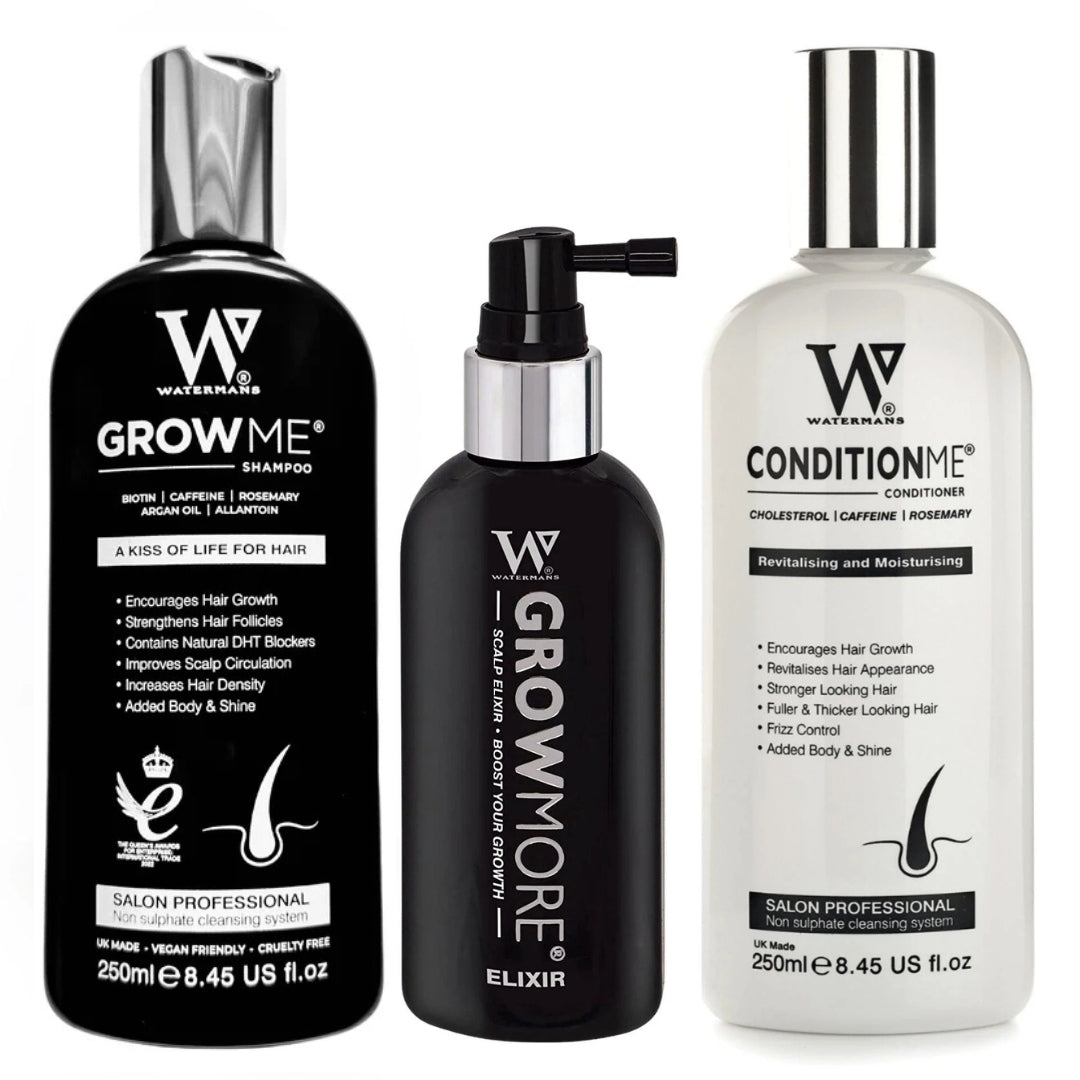
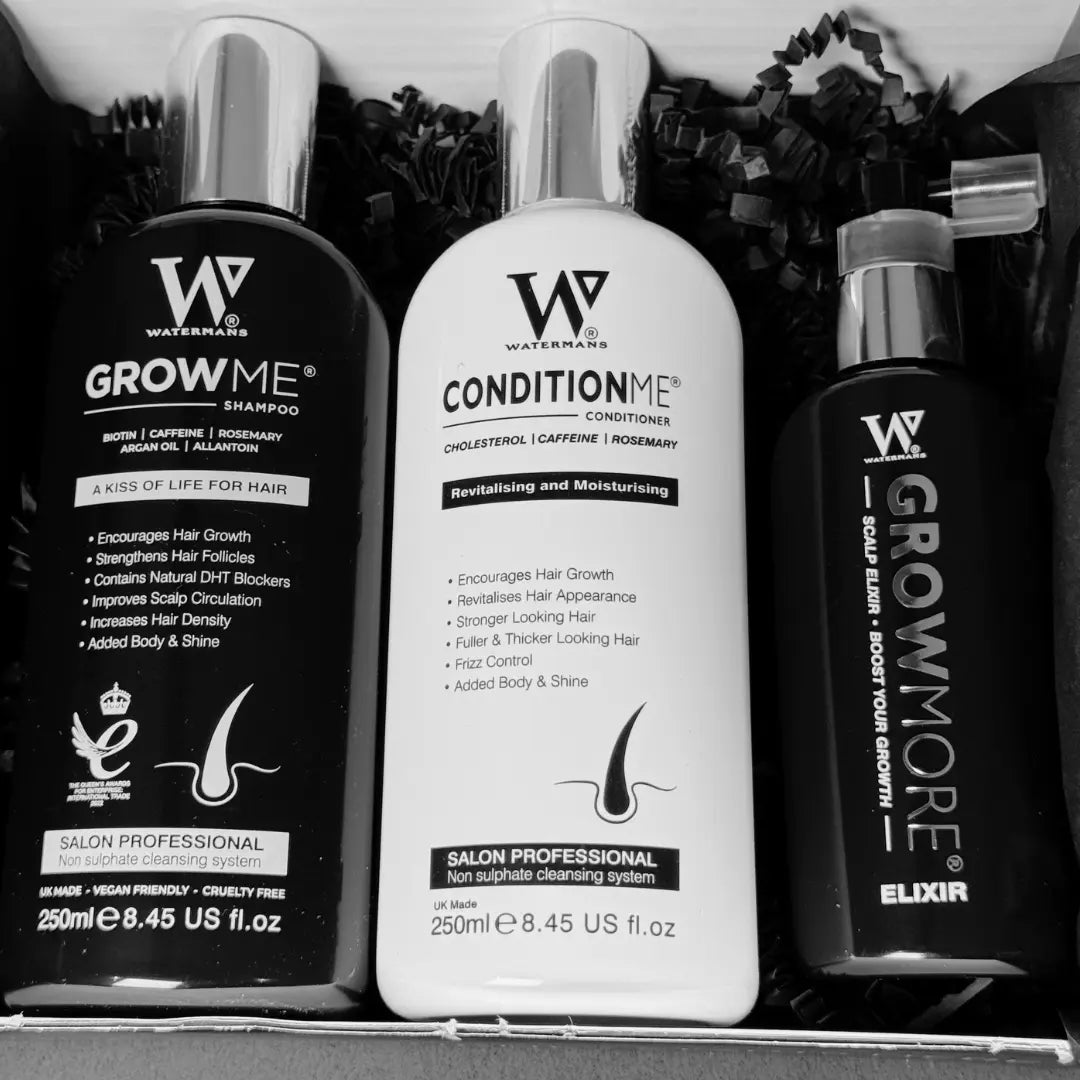
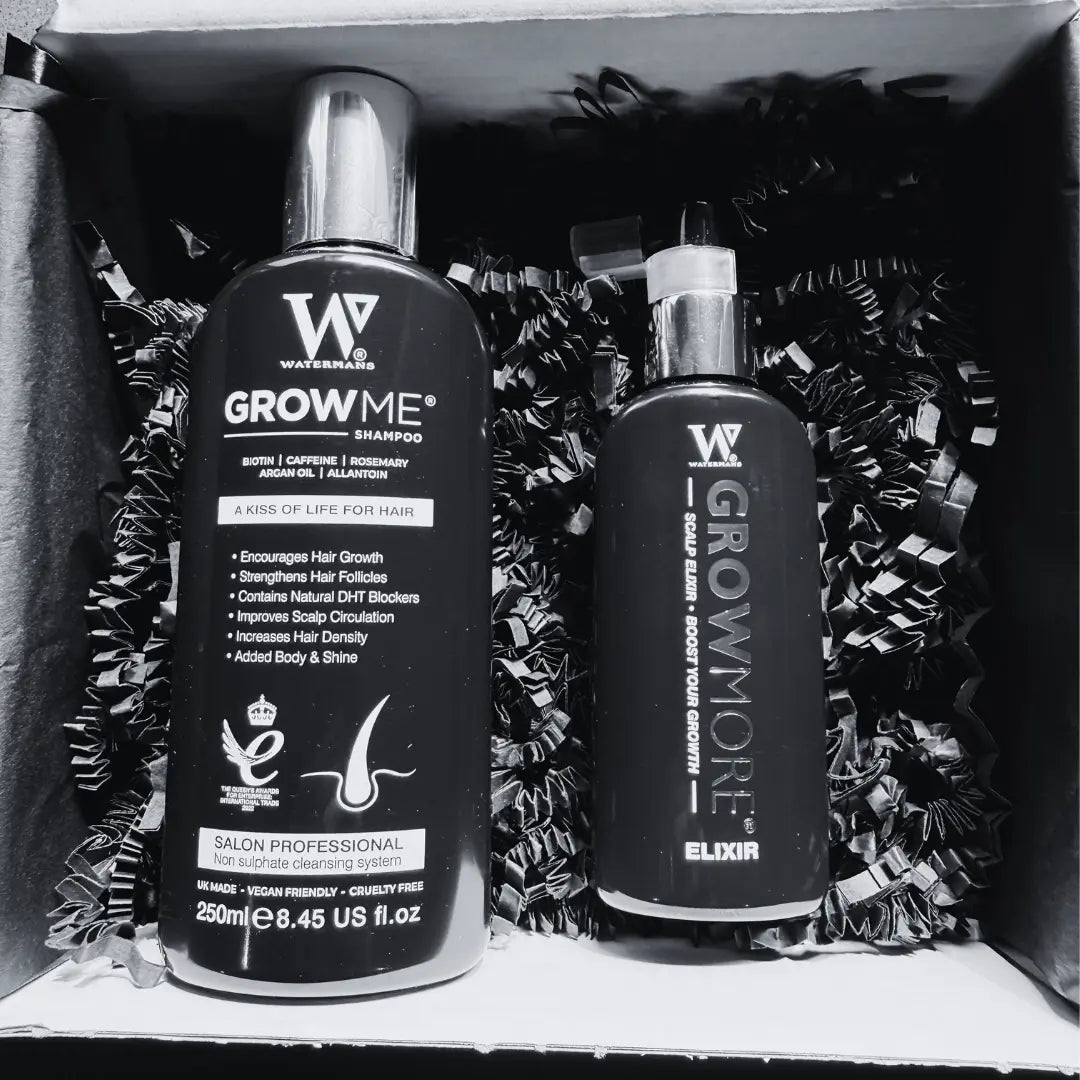
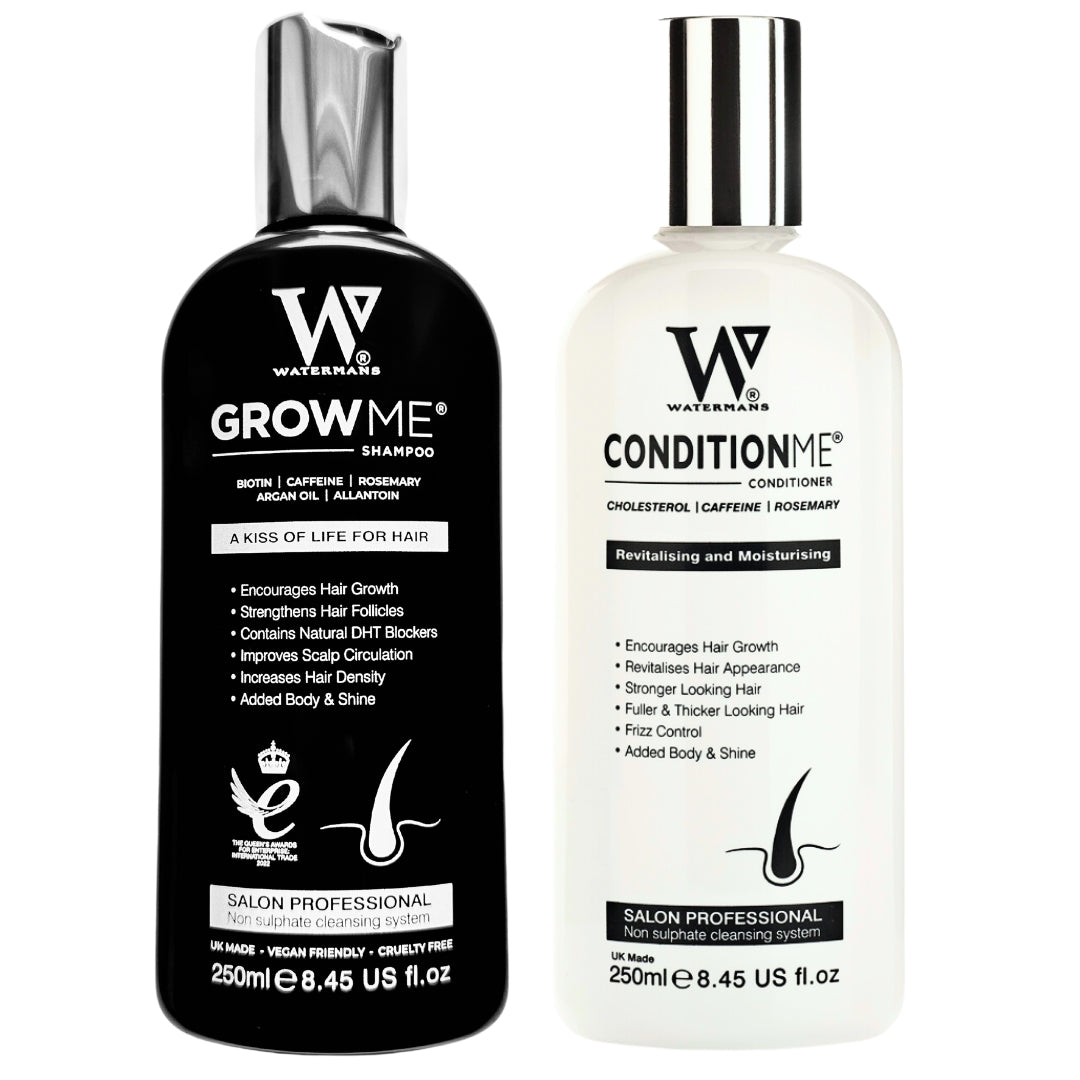
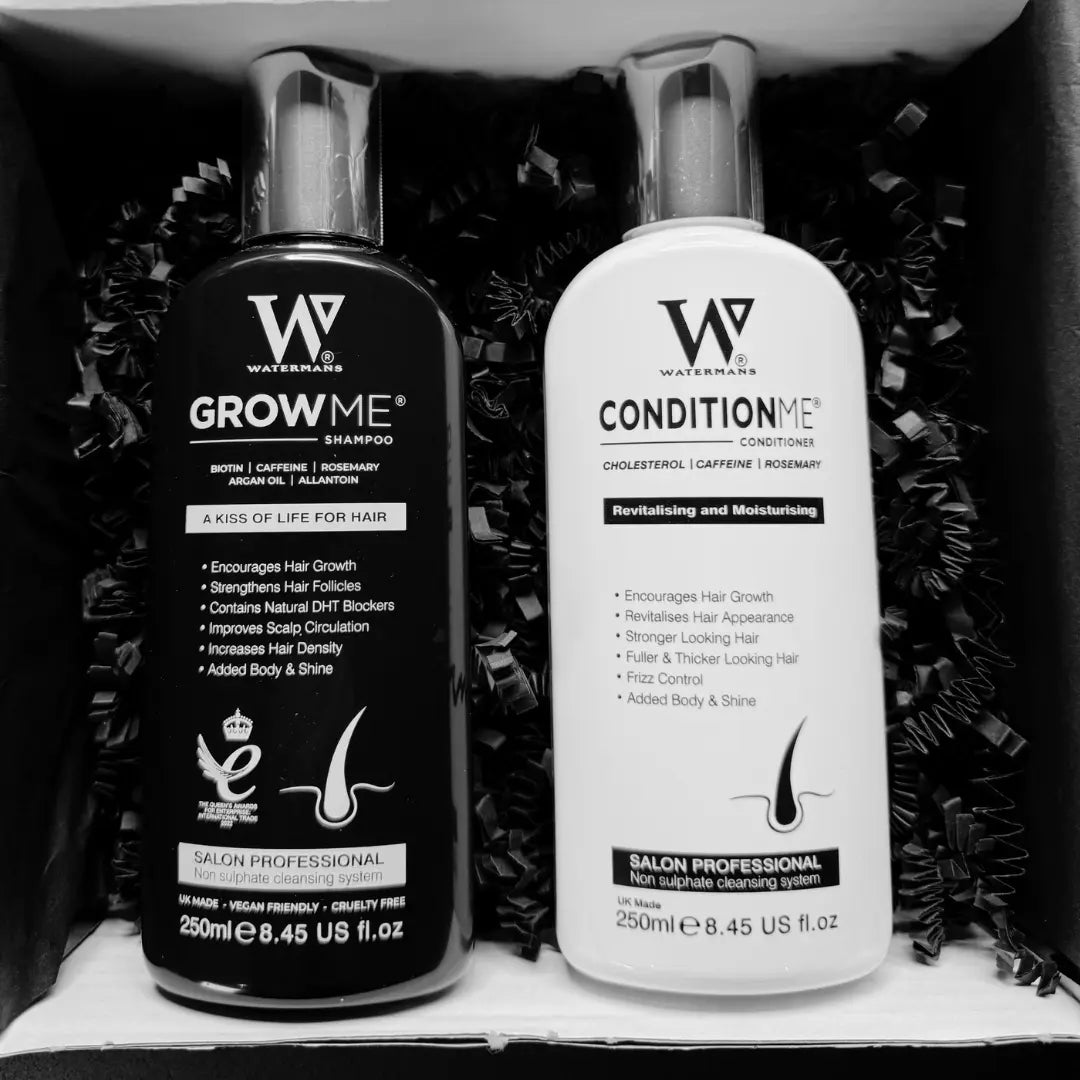
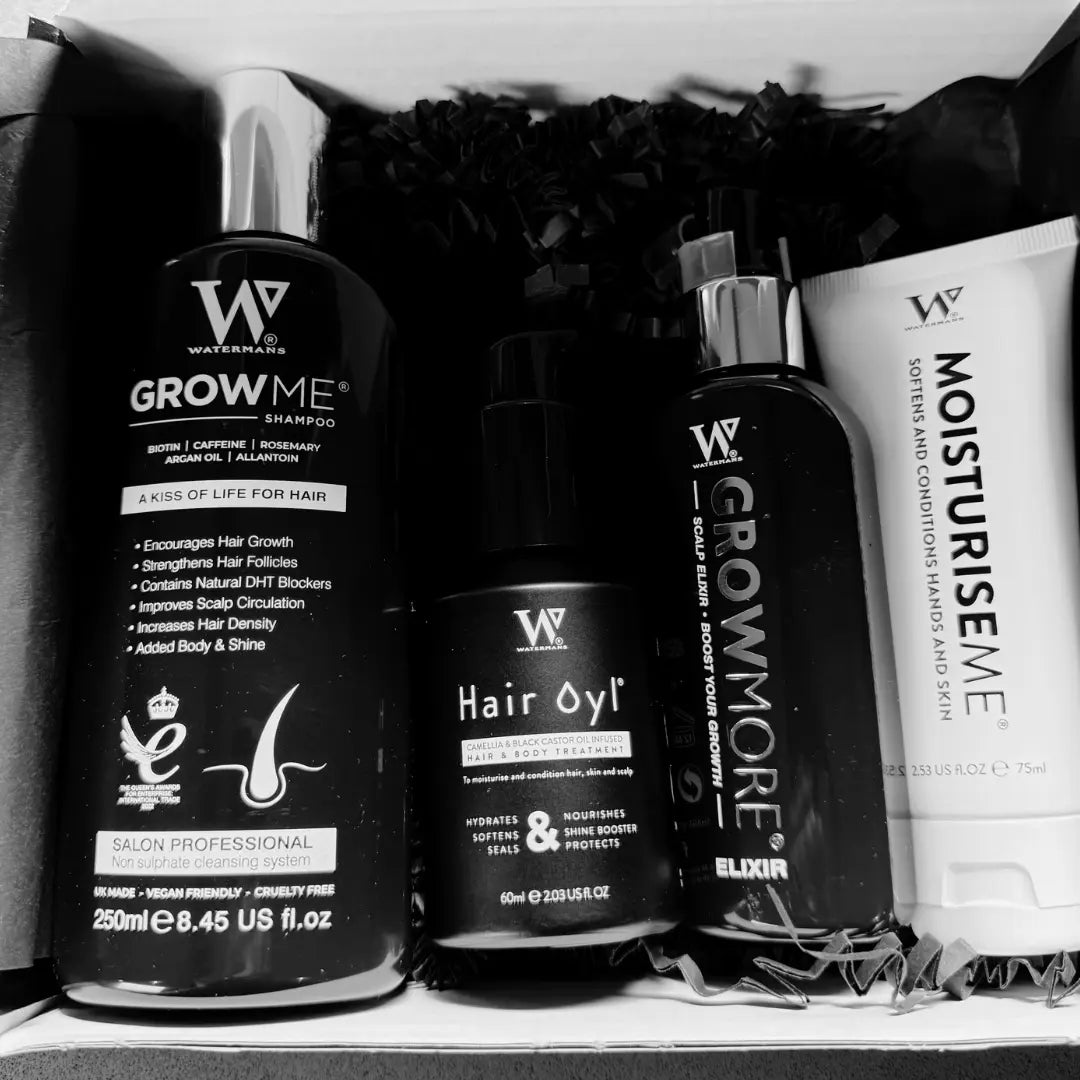
In this guide, you will learn the true meaning of androgen sensitivity. It shows how hair, hormones, and mood change when cells pick up even small hormone cues. A shampoo called Watermans Grow Me Shampoo from Watermans uses ingredients such as Biotin, Rosemary, Caffeine, Niacinamide, Argan Oil, Allantoin, and Lupin Protein to support your scalp.
What Is Androgen Sensitivity?
Androgen sensitivity means how strongly your body’s cells respond to hormones like testosterone and its strong form, dihydrotestosterone (DHT). It is not only the hormone amount but also how your tissues pick up on these signals.
Androgens: A Quick Refresher
- They help with male development at puberty.
- They support desire in all people.
- They change how hair grows or falls out.
- They affect skin oil, muscle, and mood.
Key androgens include:
- Testosterone – the main hormone in men; it matters in women too.
- Dihydrotestosterone (DHT) – a more potent version that has a strong link to hair loss.
- Androstenedione and DHEA – these change into testosterone and estrogens.
Why Sensitivity Matters More Than Just Levels
Two people can share the same testosterone value. One may have hair thinning if the hair cells react strongly to DHT. The second may keep thick hair when the hair cells do not react much. Small, close word links at the cell level make the difference.
How Androgen Sensitivity Works in the Body
The effect comes from receptors, enzymes, and your genes.
Androgen Receptors: The Hormone “Docking Stations”
Androgens must attach to receptors inside cells. When they bind, the hormone and receptor journey into the cell nucleus. There, they switch genes on or off.
Androgen sensitivity rises when:
- You have more receptors in a tissue.
- Your receptors hold onto androgens tighter or longer.
- Enzymes make extra DHT, which sticks better to receptors.
When there are fewer receptors or loose binding, sensitivity falls.
The Role of DHT and 5α-Reductase
DHT forms from testosterone because of an enzyme named 5α-reductase. This enzyme sits in:
- Hair follicles on your scalp.
- Oil glands in the skin.
- Prostate tissue.
A scalp that holds much 5α-reductase and sensitive hair cells will show hair thinning even at usual hormone levels.
Androgen Sensitivity and Your Hair: Why Some People Thin Earlier
Sensitivity is at the heart of male pattern baldness or female pattern hair loss. It is not only the hormone amount but the response of each hair follicle.
How Sensitive Follicles React to Androgens
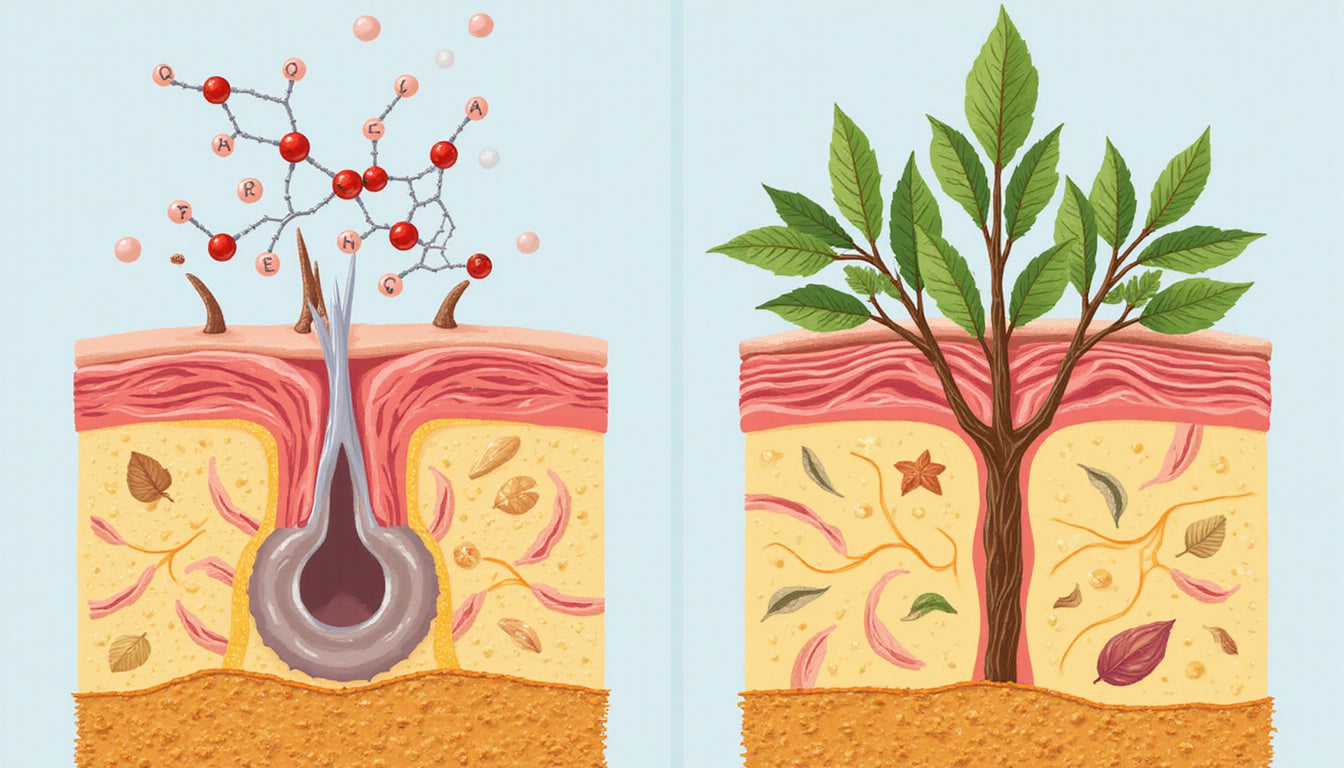
When follicles react strongly to DHT, they change slowly:
- The follicle shrinks.
- The growth phase shortens.
- The hair becomes thin, short, and less pigmented.
- Follicles may stop working altogether.
These changes build gradually over the years.
Patterns of Hair Loss and Androgen Sensitivity
- Men: They may get a receding hairline and thinning at the crown.
- Women: They usually see thinning across the top of the scalp but often keep the front hairline.
Genetics, local DHT levels, and small changes in circulation play a role.
Why Natural Support Matters First
Before picking strong treatments or surgery, many people try non-medical ways to support the scalp. A shampoo like Watermans Grow Me Shampoo from Watermans cleans and wakes the scalp. It brings together natural ingredients to set the best stage for your hair.
Androgen Sensitivity in Men vs Women
Though many label these hormones as male traits, both sexes make and need them. They differ in amount and in how the body receives them.
Men: High Levels, Varied Sensitivity
Men tend to hold higher hormone values. Yet, the effect differs:
- Some men with moderate testosterone show strong signs like a thick beard and early hair loss.
- Others with high numbers may have a weak cell response and show mild hair changes.
Signs of high sensitivity in men may be:
- A receding hairline early on.
- Thinning at the crown.
- Oily skin and ongoing acne past adolescence.
- Strong body hair with thinning scalp hair.
Women: Lower Levels, Strong Impact
Women hold lower androgen values. Even a small rise may create changes when sensitivity is high. Signs include:
- Thinning hair on the top.
- Adult acne or oily skin.
- Extra hair on the face, chest, or stomach.
- Irregular periods when paired with other hormone shifts.
With conditions like PCOS, the amounts may not be high, yet the response is strong.
How Androgen Sensitivity Intersects With Hormones
Cells react in a busy network of hormone signals.
Testosterone, DHT, and Estrogen Balance
Your body changes hormones all the time:
- Testosterone can change to Estrogen.
- Testosterone turns to DHT with the help of 5α-reductase.
When sensitivity is high, even steady levels can push effects if:
- DHT grows more in the scalp.
- Estrogen remains low in women.
- Cells have more active or plenty receptors.
Stress Hormones and Androgen Sensitivity
Ongoing stress makes cortisol climb. This hormone can:
- Mistune signals that control androgen levels.
- Change how your body handles insulin, which can make more androgens.
- Add to hair loss and make thinning more obvious.
Handling stress not only helps the mind but also keeps hormone signals in check.
Androgen Sensitivity and Mood: More Than Just Hormones
Androgens act in the brain as well as on hair and muscle. They shape mood, energy, and drive.
How Androgens Affect the Brain
Receptors for these hormones exist in parts of the brain that control:
- Drive and reward.
- Aggression and assertiveness.
- Emotional balance.
People may see mood shifts when androgens go up or down, even with blood tests that seem normal.
Signs Your Mood Might Be Androgen-Linked
Watch for these clues:
- Shifts in energy or drive.
- Being easily irritated when hormone levels rise relative to sensitivity.
- Feeling low or foggy when androgens are at the lower side for you.
These changes show up during puberty, around menopause, after childbirth, or with weight shifts.
Androgen Sensitivity and Skin: Oily, Acne-Prone, or Clear?
Your skin shows a clear sign of reaction to androgens.
Oil Glands and Androgen Response
Oil glands are full of hormone receptors and 5α-reductase. When these cells react strongly:
- They produce more oil.
- Pores clog more easily.
- Inflammation and acne often appear.
Why Some People Never “Grow Out” of Acne
For skin that responds strongly:
- The hormone shifts of teenage years leave a mark.
- Acne continues into adulthood, especially near the jaw or chin.
- Breakouts may get worse before a period in women.
A gentle, non-stripping skin routine and good body care with food, sleep, and stress control can calm the skin.
Natural Strategies to Support Hair When You’re Androgen-Sensitive
If you see signs like sensitive hair follicles, reactive skin, or mood swings, these tips may help.
Many start with non-medical routines before trying strong treatments. A step-by-step approach works best.
1. Support the Scalp Locally
Because androgens act right at the hair follicle, local care matters. Washing with a shampoo meant for hair growth and scalp care is a smart start.
Watermans Grow Me Shampoo from Watermans is one natural option. It does the following:
- Biotin helps build keratin for stronger hair.
- Rosemary may boost blood flow in the scalp.
- Caffeine can wake up hair follicles and work against DHT effects.
- Niacinamide supports the scalp’s shield and blood flow.
- Argan Oil nourishes the scalp and strands to fight dryness.
- Allantoin soothes the skin on the scalp.
- Lupin Protein may build strength at the roots.
This shampoo helps the scalp get into a better state and sets nearer word connections that support hair.

2. Focus on Nutrition for Hair and Hormone Health
Some foods help when hair and skin feel strong hormone effects:
- High-quality proteins (like eggs, fish, and beans) build keratin.
- Omega-3 fats (from salmon, walnuts, or flax) calm inflammation and keep hormones steady.
- Zinc aids hormone work and immune strength.
- Iron avoids extra hair shedding.
- B vitamins (B7, B12, folate) boost energy and hair health.
Eating too little or crash dieting can stress the body and worsen hair loss.
3. Manage Stress to Protect Hormonal Harmony
Cortisol and androgens go together. Long-term stress can:
- Change sex hormone production.
- Make hair fall out more.
- Disrupt sleep, which adds to mood and hair issues.
Simple steps like a steady sleep time, daily walking or yoga, and quiet moments help the body work better.
4. Consider Body Composition and Insulin Sensitivity
Insulin and androgens connect in close ways. Some people, such as those with PCOS or metabolic changes, may experience:
- Resistance to insulin that pushes up androgen work.
- This mix drives more hair thinning and acne.
Choosing whole grains, proteins, and healthy fats at meals and staying active can ease this tension.
Androgen Sensitivity, PCOS, and Female Hair Loss
PCOS shows how hormone signals and androgen sensitivity can cause many signs.
How PCOS and Androgen Sensitivity Interact
Many women with PCOS see:
- Normal to slightly high hormone levels.
- Irregular or missing periods.
- Thinning hair on the scalp while hair grows on the face.
- Acne and oily skin.
Hair Care Considerations in PCOS
For women with PCOS and hair changes:
- Use local care, such as with Watermans Grow Me Shampoo, to protect hair follicles.
- Combine scalp care with a lifestyle that calms insulin resistance and inflammation.
- Work with a doctor for hormone and body checks if you need more help.
Genetics and Androgen Sensitivity: What You Inherit
You do not control androgen sensitivity. Genes pass on how strong your hair cells or oil glands might react.
What You Inherit
You might get:
- Hair follicles that stick to DHT strongly.
- More active receptors in some places.
- Family signs like early thinning or acne.
Why Early Action Helps
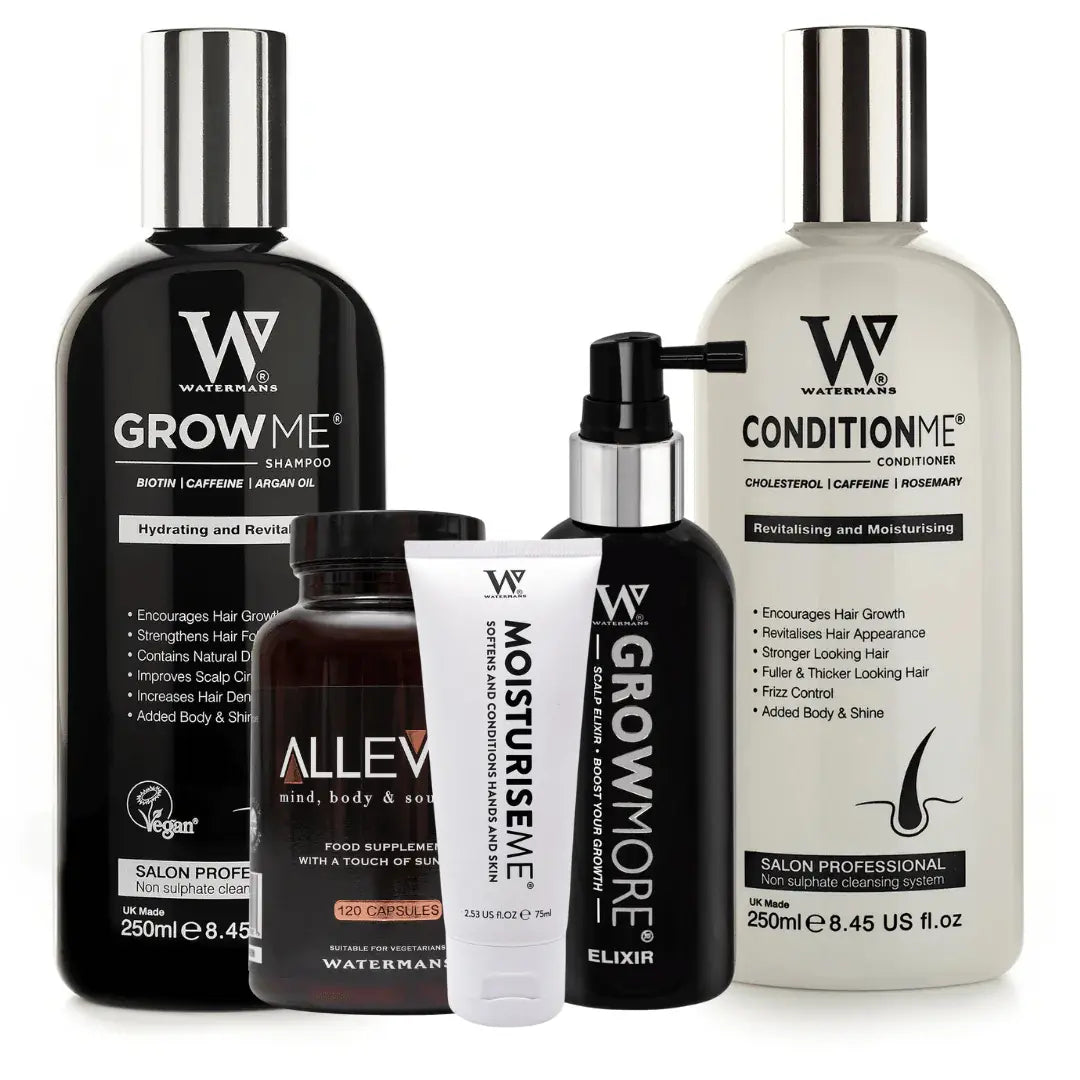
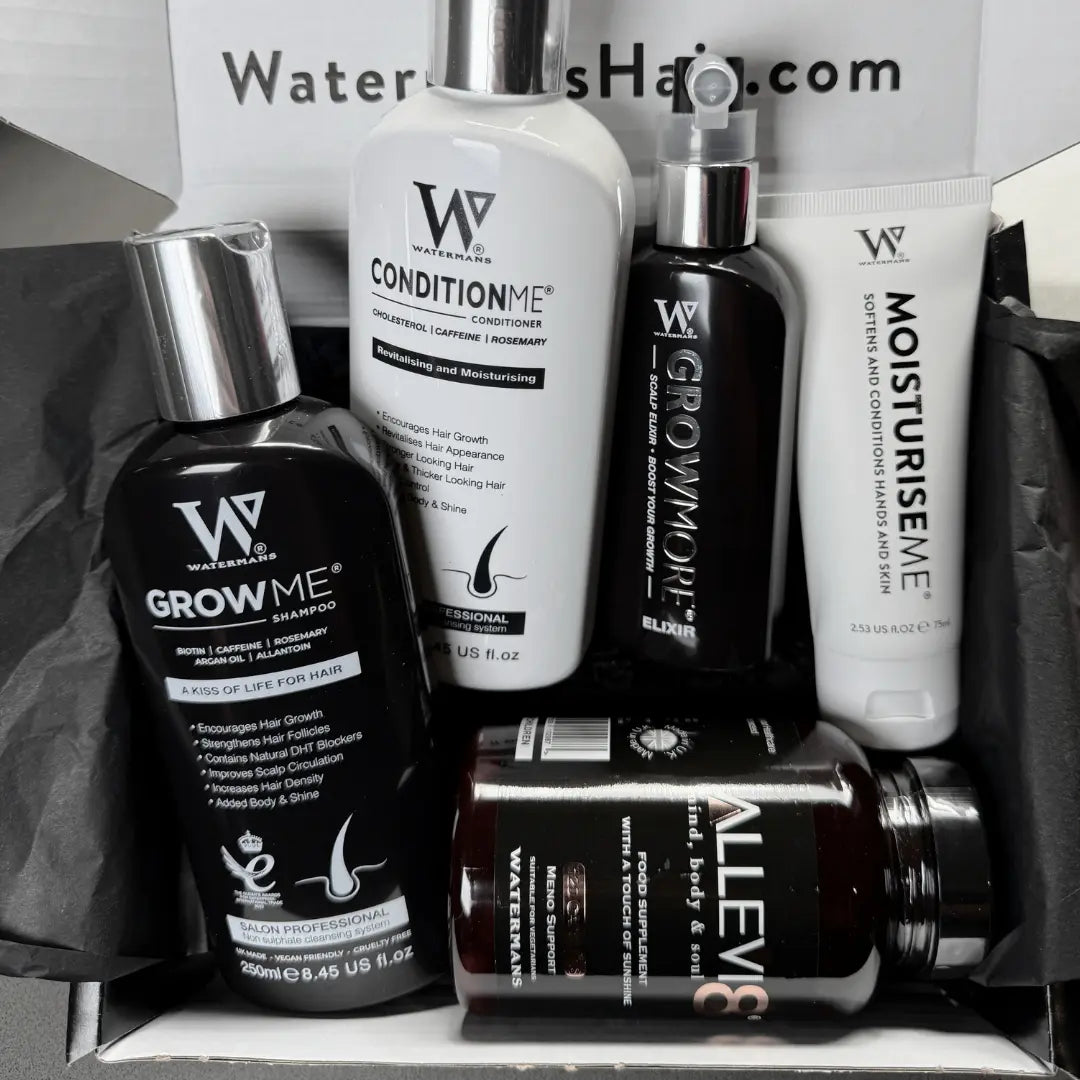
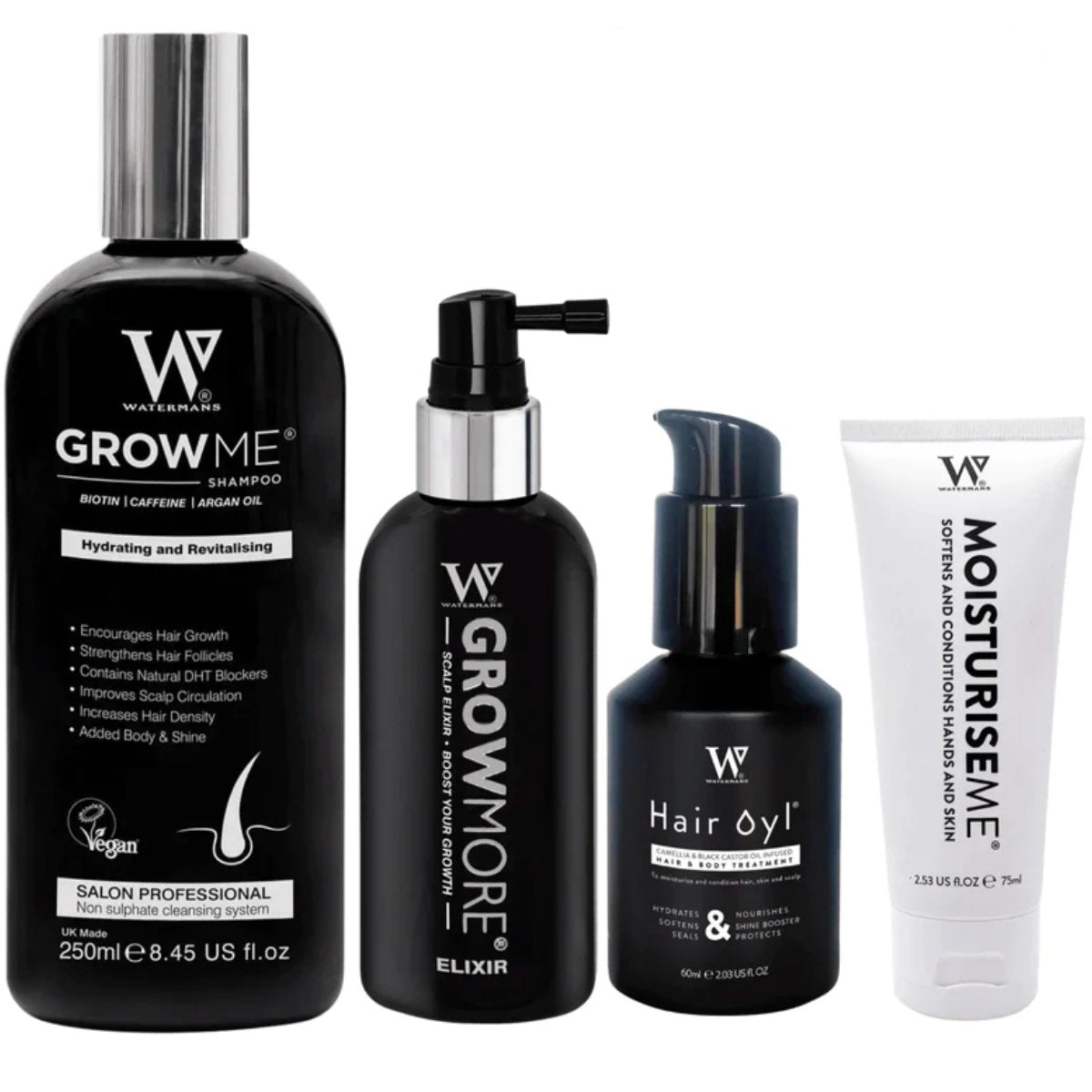
Hair cells shrink over time. If your genes set the stage, starting care early with a steady scalp routine and good lifestyle may hold on to hair density longer. Regular use of shampoos like Watermans Grow Me Shampoo and systems like the Watermans Hair Survival Kit can support the scalp before changes become hard to reverse.
How to Tell if You Might Be Androgen-Sensitive
A doctor can diagnose specific issues, but daily signs include:
- Gradual scalp thinning or early hairline recession, especially with a family history.
- Oily skin and acne past the teenage years.
- Extra hair on the face or body in women.
- Mood or energy swings with natural hormone changes.
- Noticeable hair shedding with slight diet shifts.
If you see a few of these, your body may react strongly to hormones. You can adjust your care routine to match this sensitivity.
Building a Hair and Hormone-Supportive Daily Routine
Here is a practical routine for sensitive hair and hormone balance.
Morning
- Wash your scalp every day or every other day with Watermans Grow Me Shampoo to clear and wake hair follicles.
- Apply any conditioners or treatments from the Watermans Hair Survival Kit after washing.
- Have a protein-rich breakfast with healthy fats to keep blood sugar stable and set a steady tone for your hormones.
Daytime
- Drink water and avoid sugary drinks.
- Take short walks or do light exercise during the day to support insulin and ease stress.
- Take short breaks or practice breathing exercises to keep stress low.
Evening
- Enjoy a balanced dinner with vegetables, protein, and whole grains to avoid late sugar lows.
- Follow a sleep routine that dim the lights and limit screens to help wind down.
- Give a gentle scalp massage for a minute or two to boost blood flow, either while washing or after.
Small daily steps add up, especially when hair follicles and nerves react strongly to changes.
FAQs About Androgen Sensitivity, Hair, and Mood
1. Can you test for androgen sensitivity directly?
There is no simple blood test to say you are highly sensitive. Doctors look at:
- Your visible signs (hair loss, acne, extra hair in women).
- Your hormone tests (testosterone, DHT, etc.).
- Your family history and how you respond to treatments.
2. Is androgen sensitivity the same as having high testosterone?
No. You can have normal or low-normal testosterone and still see a strong effect if your tissue is sensitive. Some may have high testosterone but a weak cell response.
3. Can a hair growth shampoo help if my hair loss is androgen-related?
Topical care does not change your genes but can change the look of your hair. A product like Watermans Grow Me Shampoo from Watermans works to:
- Wake up the scalp.
- Support the hair follicle with Biotin, Caffeine, and Rosemary.
- Strengthen hair at the roots with Lupin Protein.
Used regularly, it can help hair look thicker even in those with sensitive follicles.
Your Next Step if You Suspect Androgen Sensitivity
If you see signs in your hair, skin, or mood, you do not have to wait. Act now to support your well-being.
Start with good local care:
- Use a shampoo like Watermans Grow Me Shampoo to wake your scalp and strengthen the hair roots. Check it at Watermans.
- Create a routine with products such as the Watermans Hair Survival Kit or Hair Growth Boost Set to cover your scalp from start to finish.
- Mix scalp care with a balanced diet, stress control, proper sleep, and regular movement to support steady hormone signals.
Understanding how your body reacts helps you work with it. A steady routine for your scalp and overall health gives you a strong chance to keep hair that looks full and a mood that stays calm.