Artikel: anagen phase Breakthrough: Clinically Proven Ways to Boost Hair Growth

anagen phase Breakthrough: Clinically Proven Ways to Boost Hair Growth
Anagen Phase Breakthrough: Clinically Proven Ways to Boost Hair Growth
The anagen stage is the time when hair grows fast. In this stage, cells split at the hair bulb. The follicle stays active. Hair gains length and density. If your hair stops growing, sheds more, or seems less thick, the anagen stage is often involved.
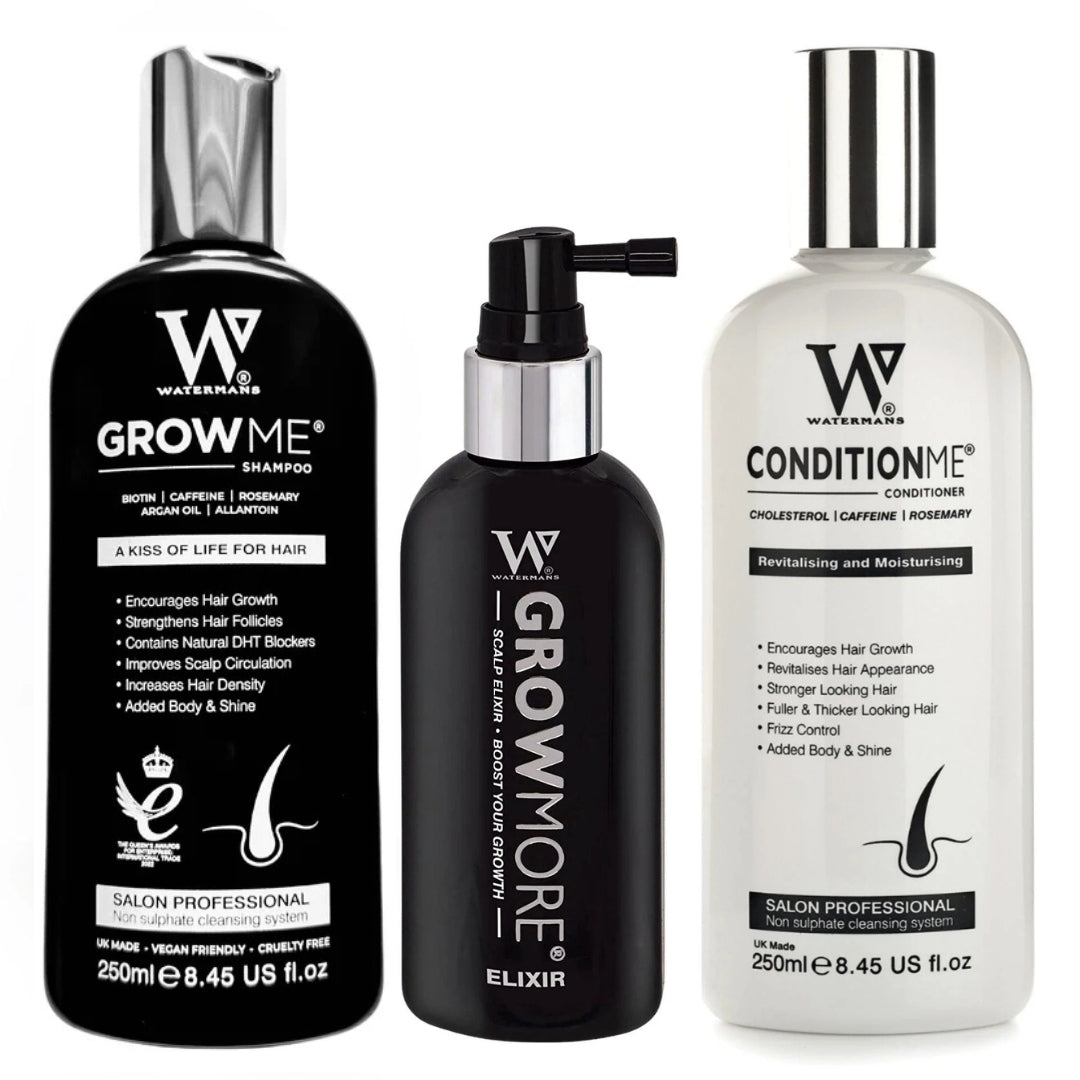
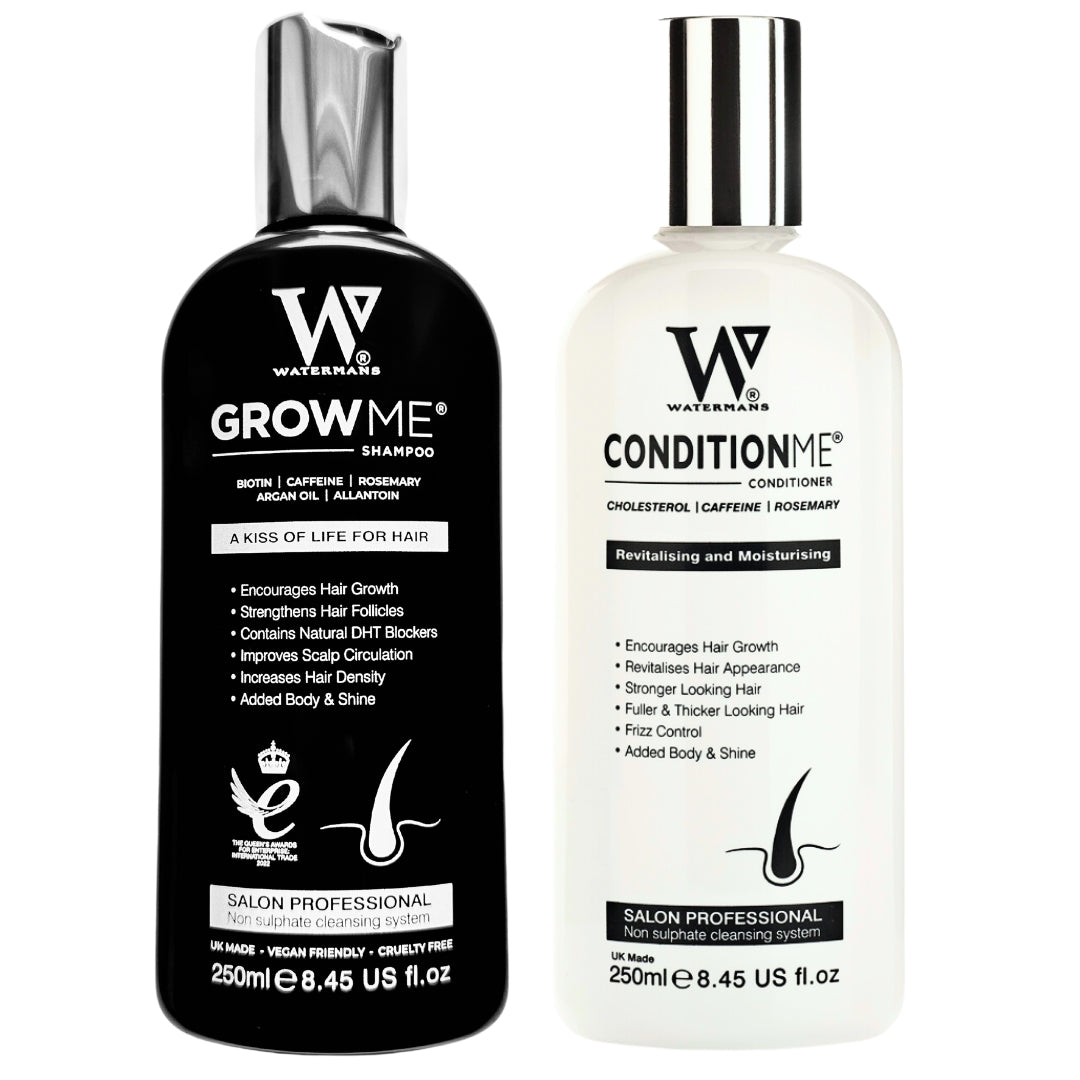
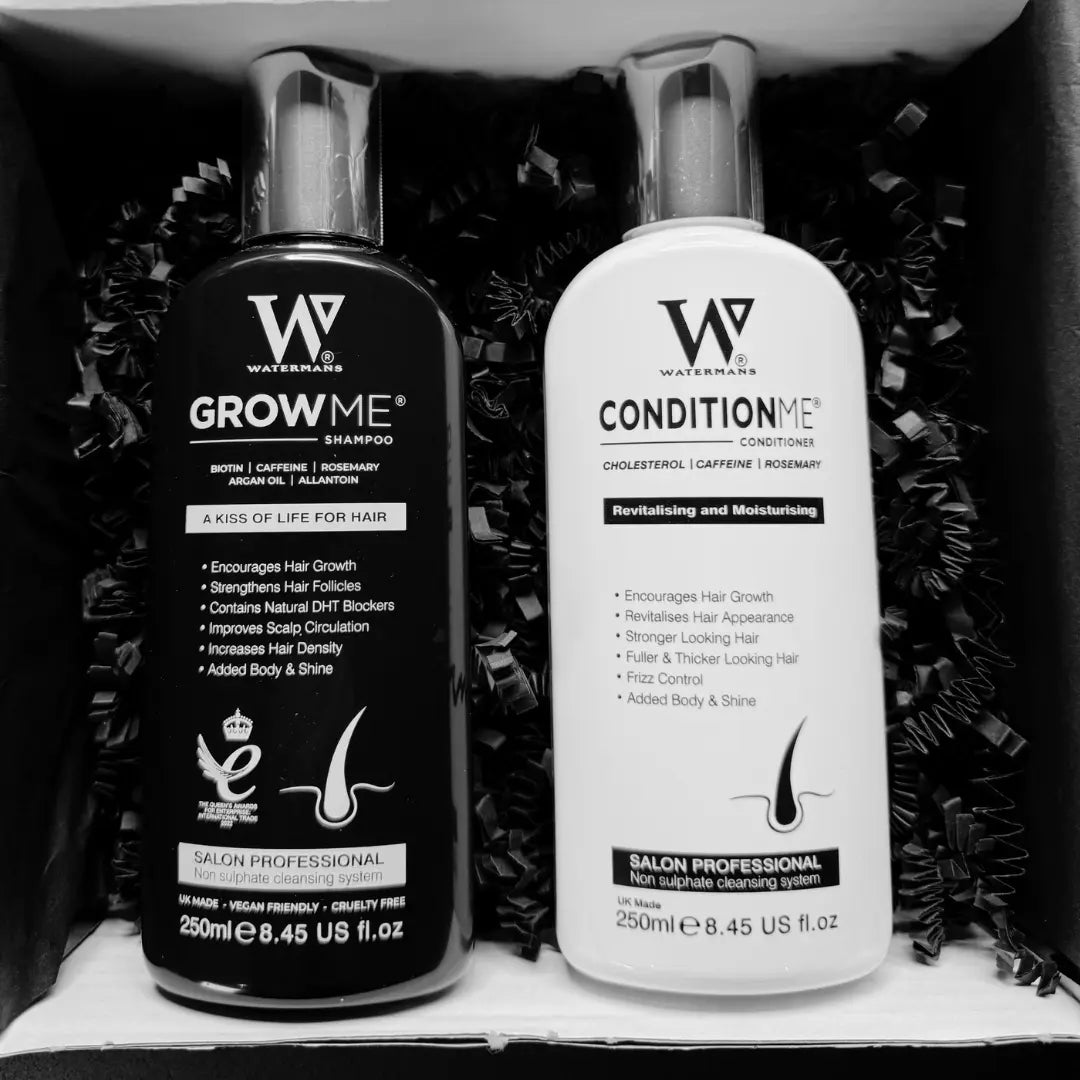
Before resorting to strong drugs or invasive steps, many people see strong gains by helping this stage work well. They fix scalp health, improve nutrition and lifestyle, and use tested topical formulas. One well‐tried option is Watermans Grow Me Shampoo. This shampoo is non‑medical and uses natural ingredients to boost blood flow in the scalp and keep follicles strong.
What Is the Anagen Stage? The Engine for Hair Growth
Hair does not grow in one straight line. Each follicle moves through three stages:
- Anagen – when hair grows actively
- Catagen – a short change phase
- Telogen – when hair rests and falls out
In anagen, the hair root divides fast and pushes the hair out.
How Long Does the Anagen Stage Last?
The stage lasts differently for each person:
- Scalp hair: around 2 to 7 years
- Eyebrows or body hair: about 30 to 45 days
A longer anagen stage means hair may grow longer before it sheds. Some people can grow long hair, while others see hair stop at shoulder level despite careful care.
The Biology Behind the Anagen Stage
In anagen:
- The hair bulb works at full speed.
- Matrix cells split quickly and form the hair strand.
- The follicle stays deep in the skin.
- The dermal papilla sends blood, air and nutrients.
- Cells in the bulb add pigment, which gives hair its color.
Any break in blood flow, nutrients, or cell splitting can shorten anagen, make hair thin, or cause early shedding.
Why the Anagen Stage Matters for Density, Thickness and Length
If you want faster growth, thicker strands, and a fuller look, you must care about anagen.
Anagen Duration = Maximum Hair Length
Hair grows only in this stage. On average, hair grows about 1–1.25 cm in a month or 12–15 cm per year. Multiply that by the number of years you spend in anagen:
- 2 years: up to 24–30 cm
- 5 years: up to 60–75 cm
If your hair stops at a certain length, your anagen stage may be short or cut off early.
Anagen Percentage = Hair Density
At any time, about 85–90% of healthy scalp hair stays in anagen. Such a high share makes your hair look full. When many follicles exit anagen too early, you see:
- More daily shedding
- Thinning across the scalp
- A smaller ponytail size
- A scalp that shows more in bright light
Thus, keeping the anagen stage strong is a key way to fight thinning and slow growth.
Factors That Shorten or Disrupt the Anagen Stage
To keep anagen strong, first note what can harm it.
1. Genetics
In pattern hair thinning, genes make follicles more sensitive to androgens. This change can:
- Shorten anagen
- Make hairs thinner by miniaturisation
- Lengthen the resting stage
Even so, careful hair routines and scalp care can help keep anagen going.
2. Hormonal Changes
Hormonal shifts can help or hurt anagen. Examples include:
- A drop in oestrogen after childbirth
- Thyroid issues
- Menopause and pre‑menopause
- Sudden changes in birth control
These shifts can push hairs out of anagen into the rest phase, causing shedding.
3. Nutrient Shortages
Hair follicles work fast and need many nutrients. A lack of:
- Iron
- Vitamin D
- B vitamins (like biotin)
- Zinc
- Essential fatty acids
may lead to more shedding or stalled growth. A blood test can reveal shortages.
4. Stress and Poor Sleep
Long‐term stress boosts cortisol. This hormone can upset hair growth. High stress may push many anagen hairs into the rest stage.
Similarly, poor sleep disrupts hormones and tissue repair. Both make the anagen stage less strong.
5. Scalp Inflammation and Poor Blood Flow
Inflammation around the hair root or low blood flow slows nutrient delivery to the follicle. Common causes are:
- Scalp conditions like dandruff
- Product build‑up that blocks follicles
- Tight hairstyles that pull on roots
- Strong chemical treatments
A sore scalp that does not get enough blood often harms anagen.
Clinically Informed Ways to Support and Extend the Anagen Stage
Many people try strong drugs right away, but a simple plan works best. First, create a setting where the anagen stage can work naturally. Then, look at stronger options only if needed.
1. Improve Scalp Health: The Base for a Strong Anagen Stage
Your scalp is skin that lives and breathes. It has many blood vessels and follicles. Caring for your scalp is a must for a long, steady growth phase.
Gentle, Focused Cleansing with Active Parts
A good shampoo does more than remove oil. It brings good ingredients near the follicle. Here, Watermans Grow Me Shampoo works well as a non‑medical choice.
Its blend includes parts that help the anagen stage work in many ways:
- Biotin – a key B vitamin that builds keratin. Low biotin makes hair weak.
- Rosemary – helps blood flow on the scalp. Some studies compare rosemary oil to common treatments for hair density over time.
- Caffeine – fights the harm caused by DHT. It helps the hair grow longer.
- Niacinamide – keeps the scalp barrier strong and fastens circulation.
- Argan Oil – full of antioxidants and fats that condition hairs and lower breakage.
- Allantoin – soothes irritation to keep the scalp calm.
- Lupin Protein – builds hair from the root onward.
The shampoo boosts scalp energy and blood flow. This helps keep follicles in anagen and builds strong strands.
How to Use a Growth‑Focus Shampoo for Anagen Support
- Rub it into wet hair for 1–2 minutes
- Focus on the roots rather than only on the lengths
- Let it sit for a short time before rinsing to help the actives work
- Use it regularly, several times a week
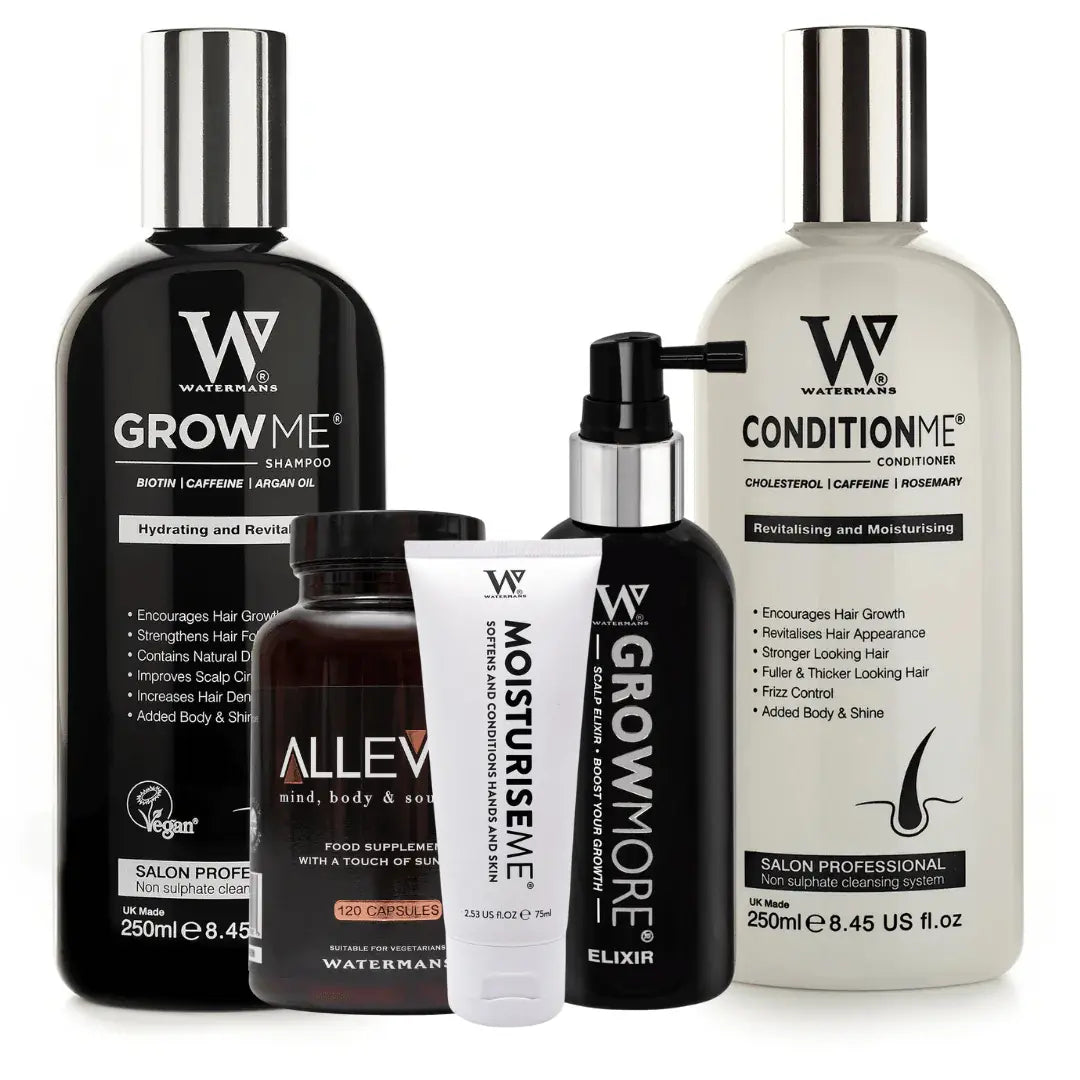
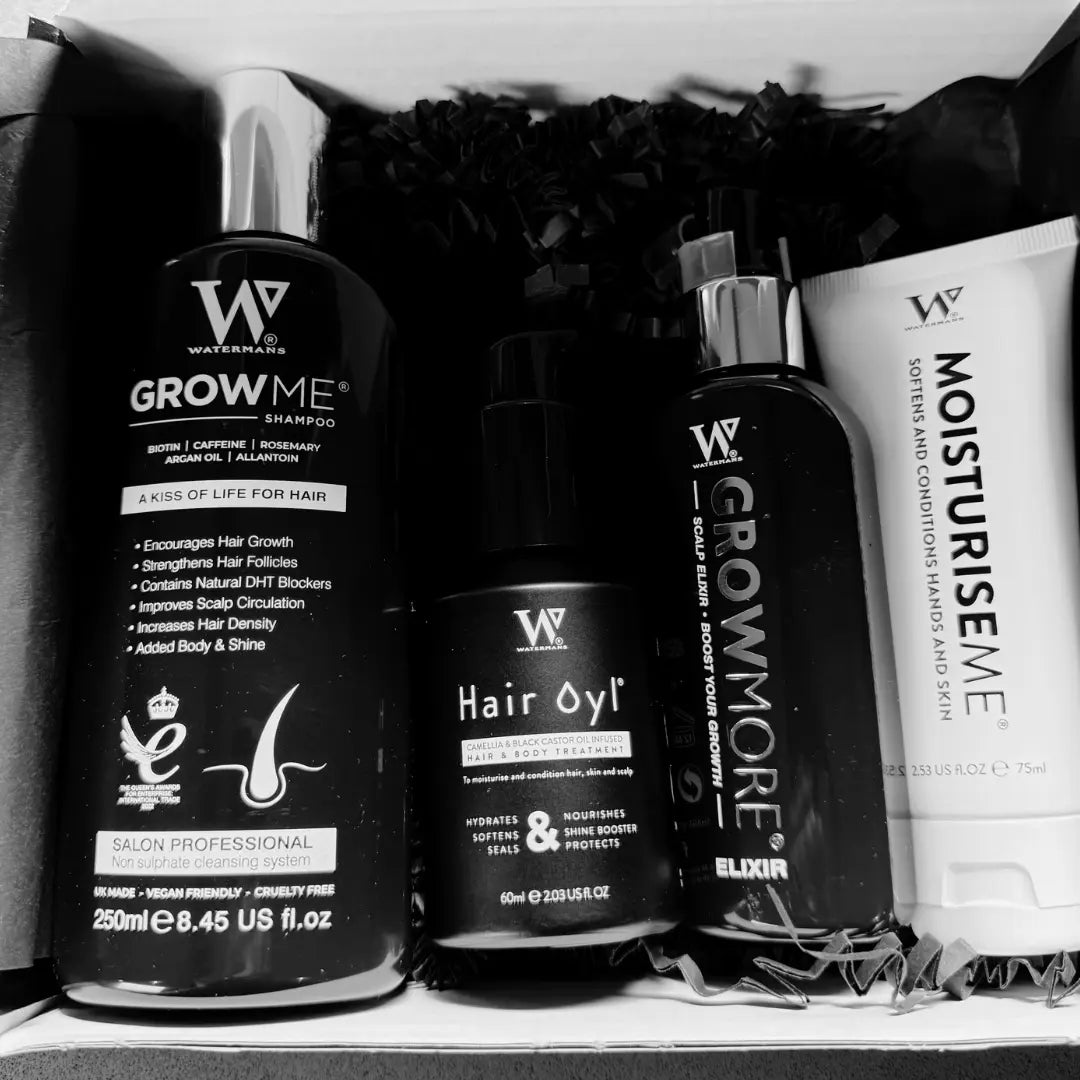
Many people mix this shampoo with other products in the Watermans Hair Survival Kit to boost hair strength.
Keep a Clean, Open Scalp
Build‑up from products, hardened oil, or pollution can clog follicles. To stop this:
- Avoid heavy silicones that may build up
- Use a gentle clarifying wash every few weeks if you style often
- Rinse well after exercise or heavy sweat
A clean scalp lets each follicle get the blood it needs.
2. Topical Support That Helps the Anagen Stage
Besides a good shampoo, some topical steps can help anagen.
Scalp Massage to Boost Blood Flow
Massaging the scalp each day can:
- Raise blood flow locally
- Ease tight tissues near follicles
- Help hair grow thicker over time
Spend 5–10 minutes with gentle circles using your fingertips. Do this on dry hair or while shampooing with Watermans Grow Me to pair the touch with active ingredients.
Topical Natural Oils with Promise
Some natural oils work well with anagen. Examples include:
- Rosemary oil – studies show it may add hair count and thickness when used for many months.
- Peppermint oil – gives a cooling feel and may boost blood flow when mixed with a carrier oil.
Always mix these oils with a carrier, test a small part of your scalp, and avoid using them straight away.
3. Nutrition to Keep Anagen Long and Strong
Hair is not an essential organ. When your body lacks nutrients, it sends food to more important parts like the heart and brain. To help anagen, your diet must include the right parts.
Key Nutrients in the Anagen Stage
- Protein – hair is made mostly of keratin, a protein. Low protein weakens the hair.
- Iron – low iron, or ferritin, is linked to more shedding, especially in women.
- Vitamin D – receptors in follicles need vitamin D; low levels cause hair issues.
- B Vitamins and Biotin – help build keratin and power cell work.
- Zinc – works for cell splitting and controlling local defence.
- Omega-3 fats – support your skin and help calm inflammation.
When you lack these, fixing the gap can help the anagen stage work well.
Diet Tips to Help Hair Grow
- Include lean proteins like eggs, fish, lentils, poultry, or tofu in each meal
- Eat many colorful vegetables and fruits to get antioxidants
- Accept healthy fats from nuts, seeds, olive oil, and oily fish
- Steer clear of very low-calorie diets that may cause more shedding
If you worry about shortages, check with a health professional before starting supplements.
4. Daily Habits That Protect the Anagen Stage
Every day, your choices can help more hair enjoy the anagen stage.
Manage Your Stress
Long-term stress disrupts anagen. Try skills that lower stress, such as:
- Regular exercise (a brisk walk helps)
- Yoga or stretching
- Mindfulness or meditation routines
- Time away from screens
A lower stress level supports a calm, steady anagen stage.
Sleep and Daily Rhythms
Deep sleep helps repair tissues, including hair. Aim for:
- 7–9 hours of sleep every night
- A steady sleep and wake time
- Less blue light before bed
Better sleep helps anagen run well.
Handle Hair with Care
While anagen drives growth at the root, how you treat your hair affects its length.
- Avoid tight styles that stress the root
- Choose soft scrunchies over harsh elastics
- Cut back on high heat or always use heat protectant
- Comb gently from ends upward with a conditioner
Less breakage means hair can use its full anagen potential.

5. Medical Steps That Affect the Anagen Stage
If non‑medical plans, like using Watermans Grow Me Shampoo and a good routine, do not work enough, some people try medical steps. Always talk to a qualified doctor before these choices.
Topical Minoxidil
Minoxidil is used often. It may help by:
- Making anagen last longer
- Increasing follicle size
- Helping hair grow back in pattern thinning
It might cause some irritation, need long‑term use, and may cause a short shedding phase while the hairs adjust.
Oral Medications
In some cases, a doctor may suggest:
- Drugs that lower DHT, like finasteride for men
- Anti‑androgens or other hormonal treatments for women with excess androgens
These drugs affect hair growth but may have side effects and do not suit everyone.
Procedures
Other treatments include:
- Platelet‑Rich Plasma (PRP) – a treatment that uses your own growth parts injected into the scalp
- Low‑Level Laser Therapy (LLLT) – a method that uses light waves to boost cell energy in follicles
- Hair transplant surgery – a way to move hair that resists thinning
These options come later if simple steps do not help.
6. How to See if Your Anagen Stage Is Improving
Hair changes slowly. Watch the signs over months to know if your plan is working.
Positive Signs
- Less hair falls out each day (after any early shedding ends)
- New, short hairs form near the hairline
- The roots appear fuller
- Strands gain strength and shine and break less
- Your ponytail grows wider over time
Many users of targeted shampoos and boosters report these results when they use the routine every day.
Ways to Check Your Progress
- Take clear photos of your scalp every 4–6 weeks
- Note if fewer hairs appear on your pillow, in the shower, or on your brush
- Measure hair length at a fixed spot, like the front or nape
Bear in mind that hair grows in cycles. Look at trends over time, not day-by-day changes.
7. Common Myths About the Anagen Stage and Hair Growth
There is much wrong information online. Here are a few myths that need to be set straight.
Myth 1: Trimming Hair Makes It Grow Faster
Trimming hair does not change the activity at the follicle or the anagen stage. It only cuts off split ends. This helps hair keep its length.
Myth 2: Washing Hair Less Always Helps Growth
When oil and build-up sit on your scalp for too long, follicles can suffer. A good shampoo such as Watermans Grow Me cleans better than washing rarely.
Myth 3: Only Genes Control Your Anagen Stage
Genes set the base, but your habits with care, diet, and products can change how much you reach your base.
Myth 4: Shedding Means You Are Balding
Short-term shedding may come from a shock to the hair cycle, like illness, low-calorie diets, or stress. These changes can reverse. A skilled doctor can tell the difference.
8. A Simple Routine to Support the Anagen Stage
This routine uses many small steps to help the anagen stage from different angles.
Daily or Almost Daily
- Use Watermans Grow Me Shampoo as your main wash. Give your scalp a 1–2 minute massage as you wash.
- Spend 5 minutes with a gentle scalp massage.
- Eat balanced meals with protein, good fats, and veggies or fruits.
- Ease stress with a simple routine like a walk or stretching.
Weekly
- Use a gentle clarifying wash if you use many styling products to keep follicles free.
- Deep condition the mid-lengths and ends to protect against breakage.
- Watch your scalp comfort and shedding and change any harsh habits.
Monthly or Every Few Months
- Take steady photos to compare your scalp.
- Ask your doctor for lab tests (iron, vitamin D, thyroid) if shedding continues.
- Check if adding other products from the Watermans Hair Survival Kit might support your routine.
Over time, this plan helps more hairs stay in anagen and form thicker, longer strands.
FAQ: Anagen Stage and Hair Growth
1. How can I naturally support a longer anagen stage?
You can help by working on four areas:
- Scalp health – Use a shampoo like Watermans Grow Me to boost blood flow.
- Nutrition – Eat enough protein, iron, vitamin D, zinc, and B vitamins.
- Lifestyle – Keep stress low, sleep well, and avoid crash diets.
- Hair care – Avoid tight styles, rough treatments, and actions that break hair.
These steps do not change your genes. They help you reach your possible best.
2. What makes the anagen stage shorter and causes more hair loss?
Genetics, hormone changes (after birth, thyroid issues, menopause), lack of nutrients (especially iron and vitamin D), long-term stress, a sore scalp, and harsh styling can all shorten anagen. This makes follicles weaker, shifts them early into the resting stage, and leads to more shedding.
3. Which products help the anagen stage without using drugs?
Non‑drug products help by raising blood flow, nourishing follicles, and cutting breakage. Watermans Grow Me Shampoo works well by combining Biotin, Rosemary, Caffeine, Niacinamide, Argan Oil, Allantoin, and Lupin Protein. Many also add the Watermans Hair Survival Kit to build a full hair care routine.
Take Charge of Your Anagen Stage and Future Hair Growth
Hair grows in cycles. You cannot change your genes, but you can work with your anagen stage. By caring for your scalp, feeding your follicles, lowering stress, and treating hair with care, you create a setting for thicker, longer hair.
A simple start is to fix your scalp. Switch to a growth‑focused shampoo such as Watermans Grow Me Shampoo. You might add the Watermans Hair Survival Kit for a fuller routine. With better nutrition, calm stress, and smart styling, you help your follicles stay in anagen longer. This shows in every strand you grow.