
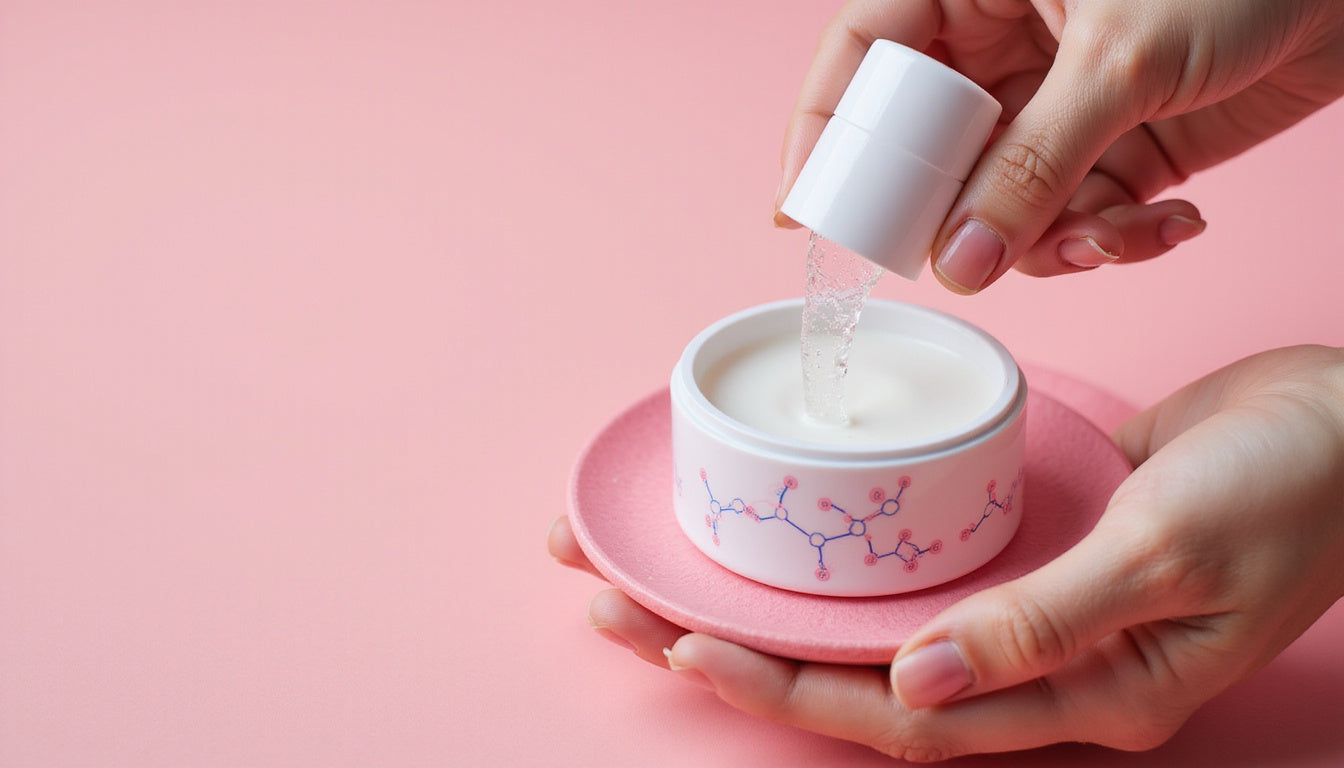
topical estrogen breakthrough: safer relief and what to consider
<h1>Topical Estrogen Breakthrough: Safer Relief and What to Consider</h1>
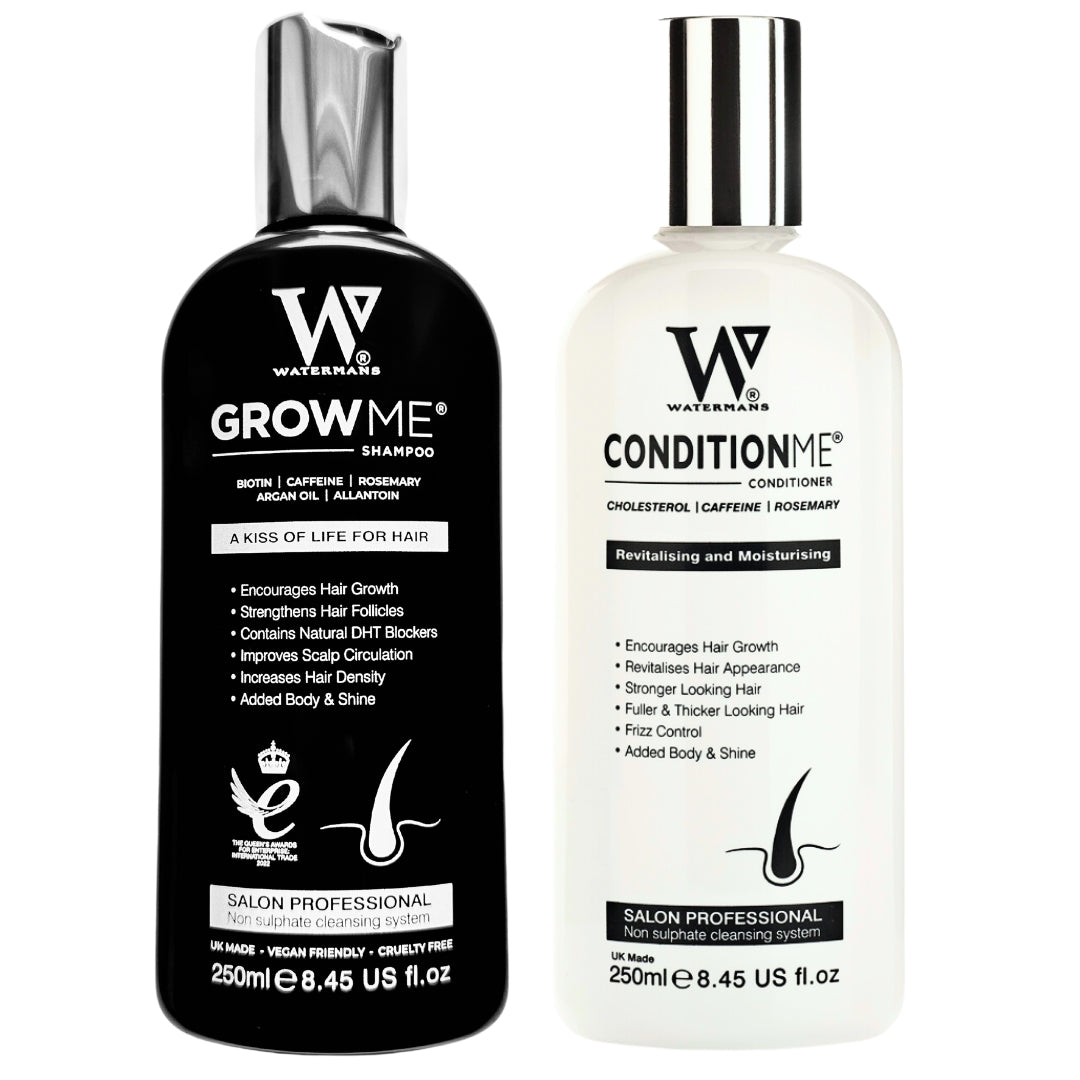
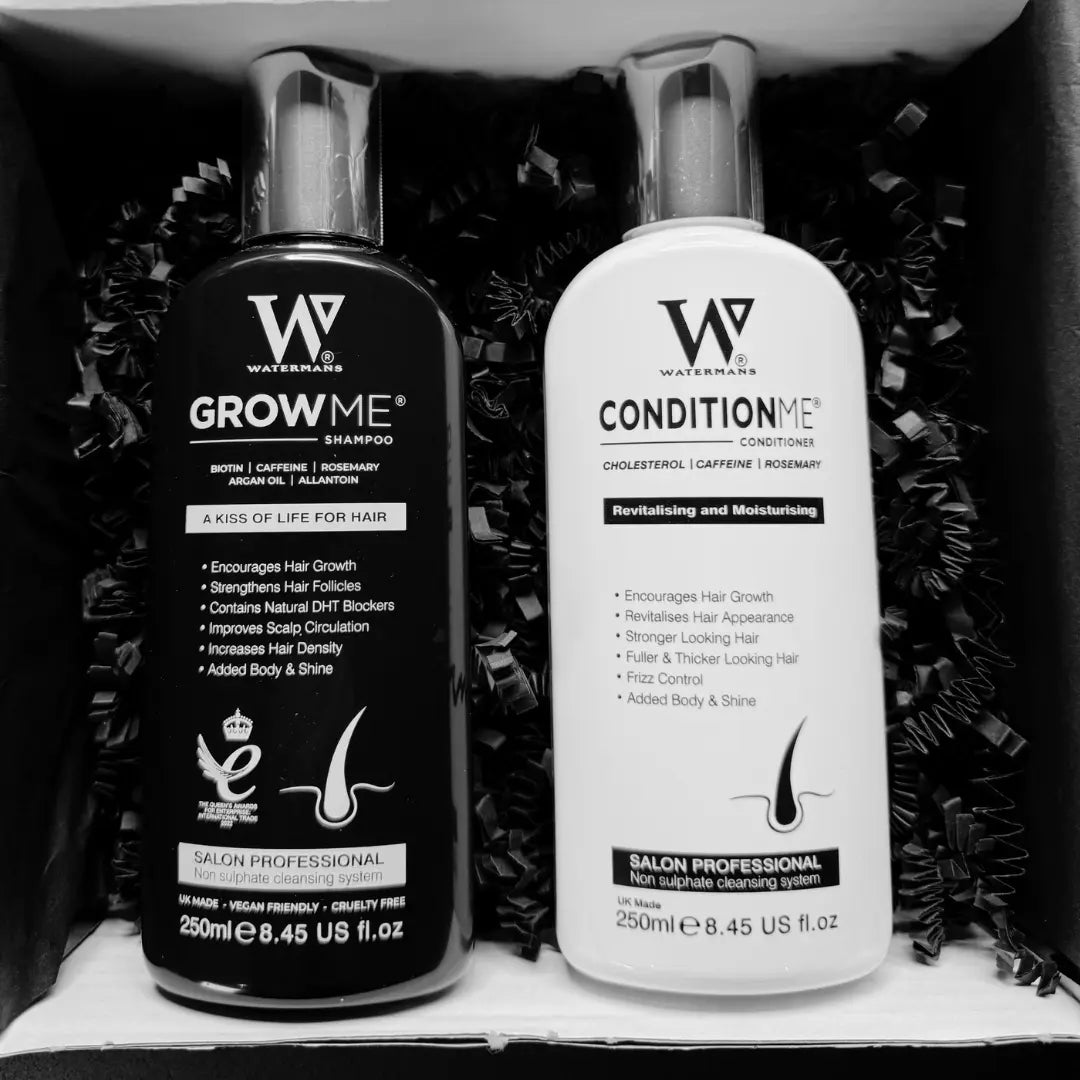
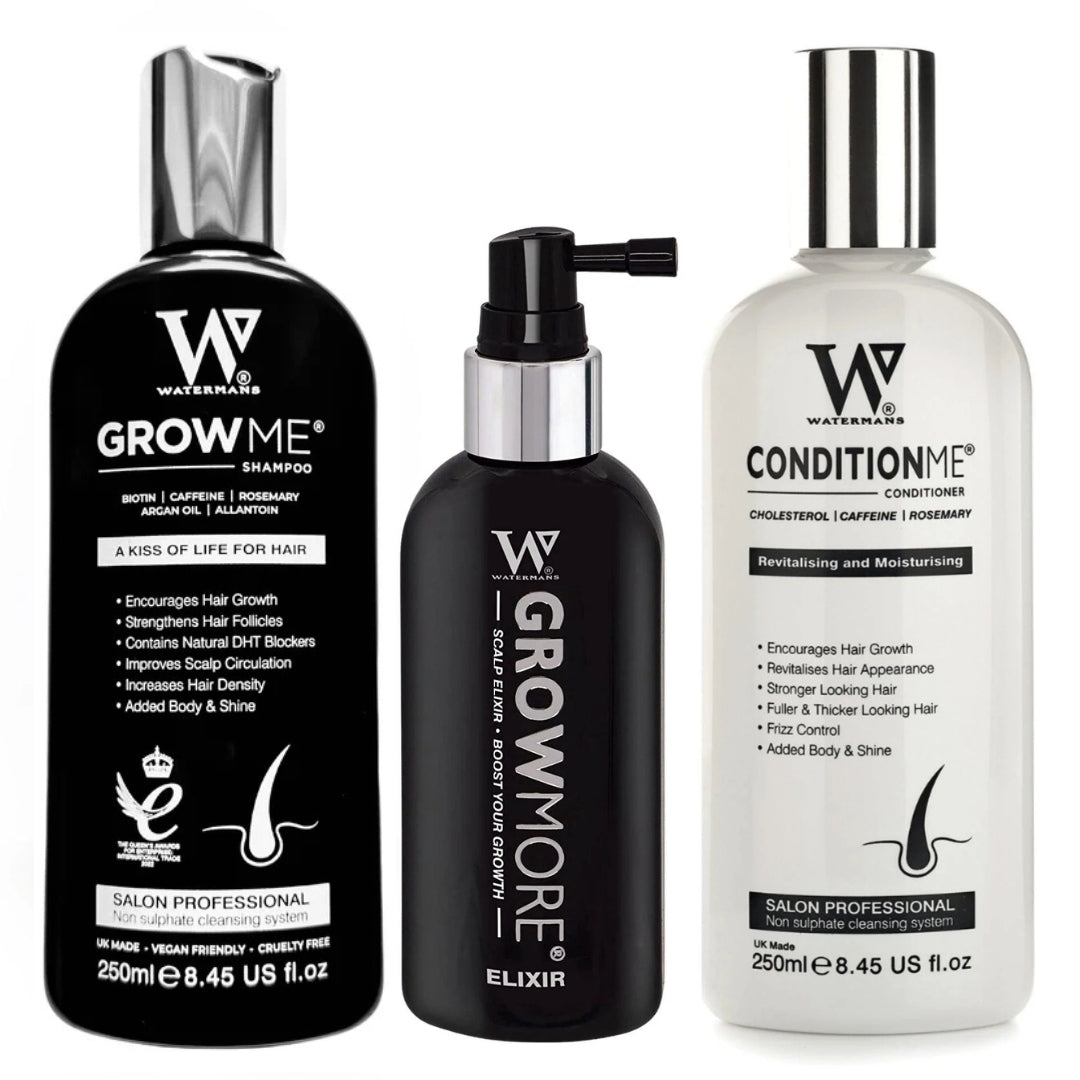
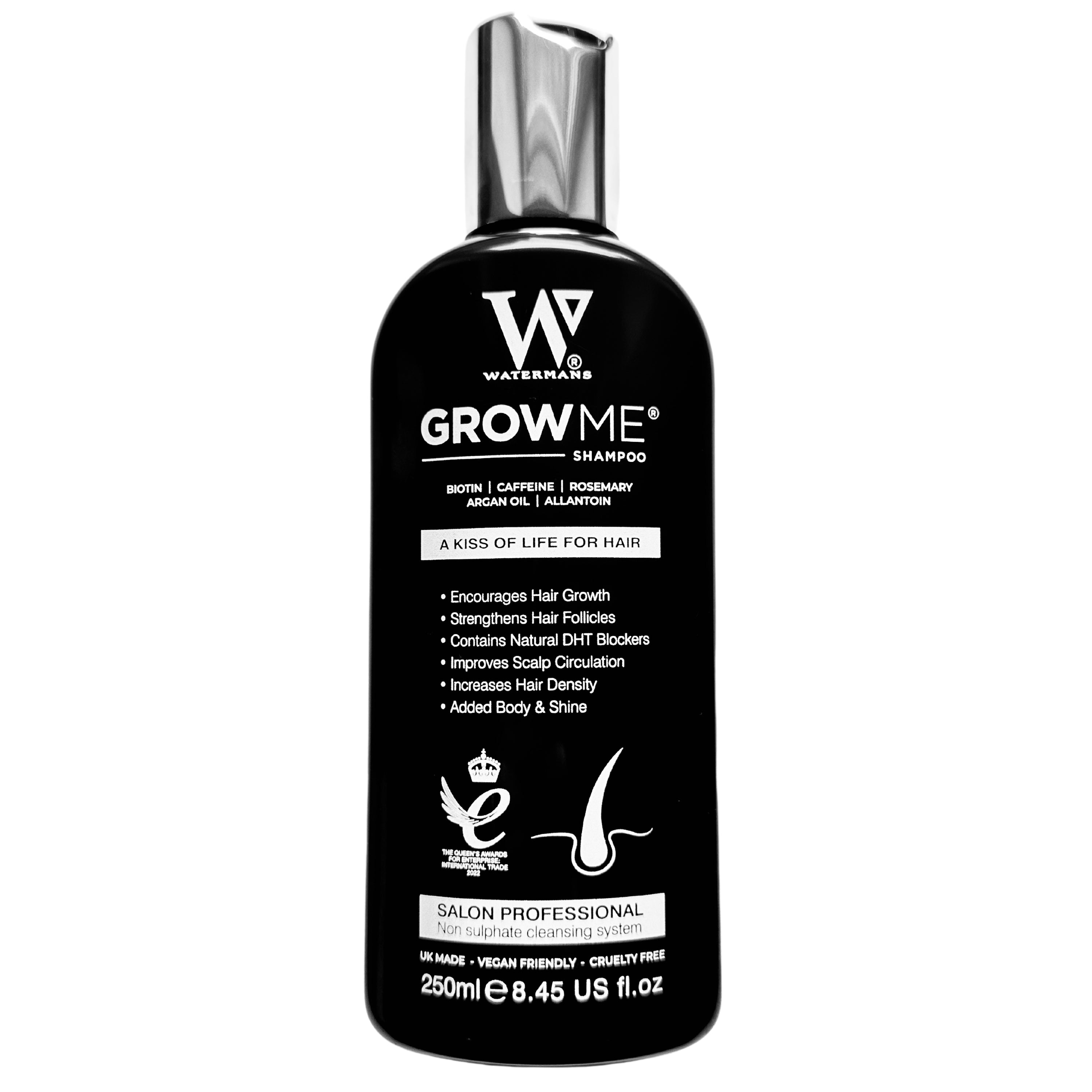
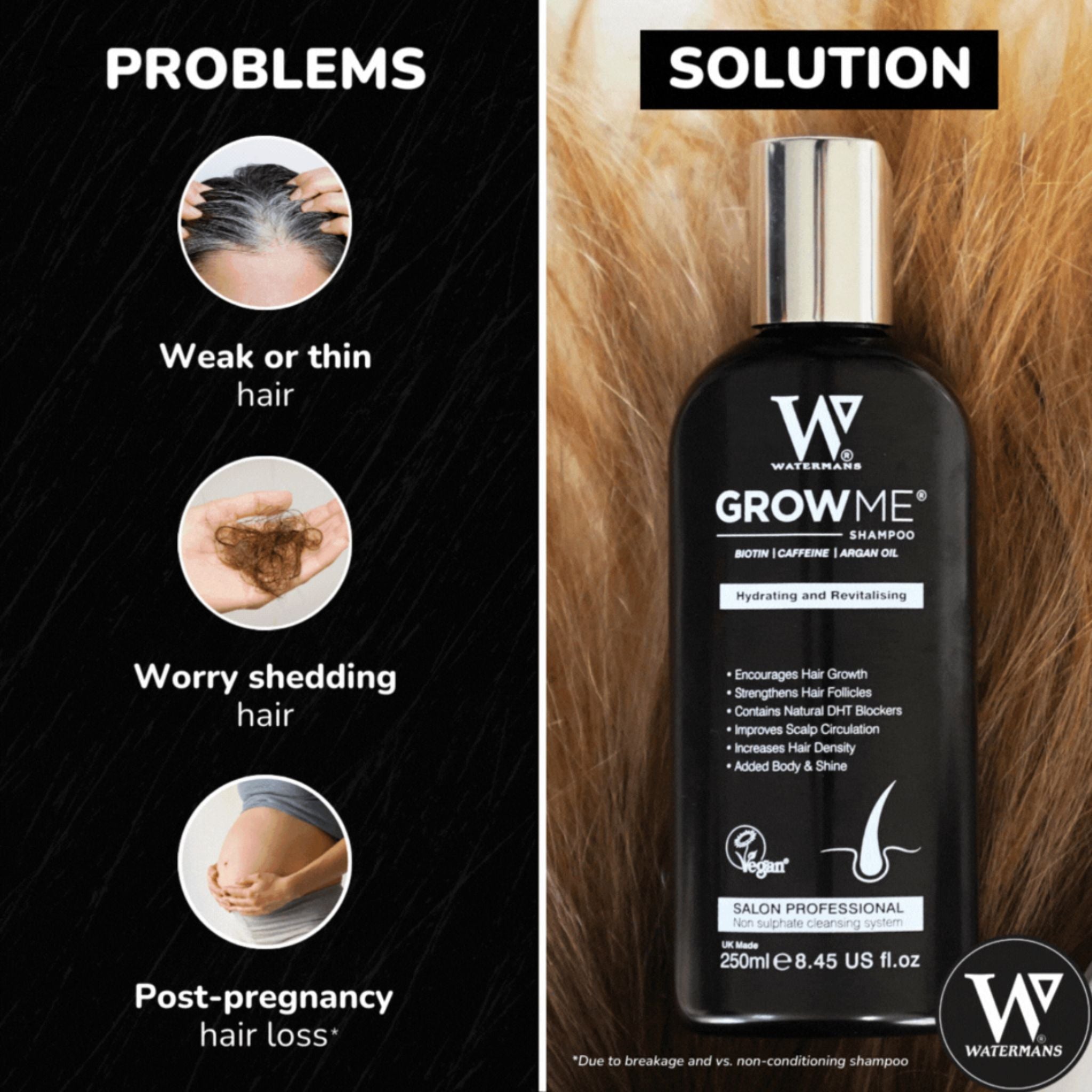
<h2>Quick answer (featured snippet)</h2> Topical estrogen works by touching the skin or mucous membranes. It gives relief for signs of low estrogen. It helps with vaginal irritation, urinary symptoms, and local menopausal discomfort. The medicine comes as creams, gels, sprays, and patches. It has low levels from the start when one follows a doctor’s advice. For hair thinning and scalp care, try Watermans Grow Me Shampoo. This natural shampoo blends biotin, rosemary, caffeine, niacinamide, argan oil, allantoin, and lupin protein to boost the scalp and add volume (learn more here: https://watermanshair.com/products/best-hair-growth-shampoo-fast-hair-growth).
<h2>What is topical estrogen?</h2> Topical estrogen is made to sit on the skin or mucous membranes. It sends the hormone directly to where it is needed. It works by reaching tissues like the vaginal lining or skin nearby. The medicine helps with lubrication, easing burning and itching, and keeps tissues strong. The skin absorbs less of the hormone than the mouth does. This lower absorption helps cut down wide-body effects.
<h2>Forms of topical estrogen</h2> Topical estrogen comes in many forms:
- Creams: These treat vaginal thinning. You use measured doses inside the vagina.
- Gels: These work for the skin near the vulva. They often give a neat dose.
- Tablets/Suppositories: Small pills that melt inside the vagina.
- Sprays: These spritz over the vaginal area or skin.
- Transdermal patches: These stick on the skin. They send the hormone through the skin into the blood (often for whole-body treatment).
- Compounded formulations: Special mixes made in a pharmacy.
Each type helps in its own way. For local vaginal signs, low-dose creams, tablets, or rings work well and give little hormone to the rest of the body. For signs over the whole body like hot flashes, patches help by giving steady hormone levels and avoid too much liver work from pills.
<h2>How topical estrogen works</h2> Estrogen finds its home in many tissues like the vaginal lining, urethra, bladder, and skin. When you apply it, the hormone meets its receptor. The contact makes:
- The vaginal lining grow thicker and more elastic.
- More blood to flow in and more moist secretions.
- Collagen to boost and the tissue to grow stronger.
- Urinary urgency or frequency to go down when the tissues gain strength.
Because the medicine sits on a limited part of the body, it lifts local estrogen while keeping down wide-body hormone levels.
<h2>Benefits of topical estrogen</h2> Topical estrogen gives clear benefits:
- It brings quick relief for vaginal dryness, painful sex, and itching.
- It helps cut back urinary symptoms linked to atrophy.
- The hormone stays more on the spot than with oral forms.
- It gives many choices in dose and form to match what you need.
- It may help the tissue grow stronger and lower the chance of infection.
Doctors often choose low‑dose vaginal estrogen as the first step when vaginal signs misfire. This is especially true when non-hormone gels or creams do not work (source: https://www.mayoclinic.org/).
<h2>Safety profile and common side effects</h2> Local signs are the most common side effects:
- Irritation on vaginal or vulvar tissue
- Light bleeding or spotting
- A small discharge
- Mild itching in the area
Bodywide signs like tender breasts, a bit of nausea, or water retention appear less often than with pills. Since the skin soaks up the hormone differently by product and location, checking in with a doctor is a good idea.
<h2>What the evidence says about risks</h2> Studies show low-dose vaginal estrogen works well with low spread to the whole body. Still, some hormone does get inside. Women with past cancers that grow with estrogen must talk with their care team. Some experts say to skip even low doses in high-risk cases. Trusted groups like the FDA and Mayo Clinic give tips on safe use. Always talk with your doctor about risks like blood clots, liver issues, and cancer history (source: https://www.mayoclinic.org/).
<h2>Topical estrogen versus systemic hormone therapy</h2> A few points separate the two:
- Target: Topical stays on the local tissues; pills or shots serve the whole body.
- Dose: Topical comes in lower doses for a focused lift; systemic forms use higher doses.
- Side effects: Wide-body doses bring more risk (for example, blood clots or stroke) in some people.
- Monitoring: Pills may need more tests like blood pressure and mammograms.
If a woman only has local dryness or pain during sex, topical estrogen is a good match. It treats the spot while keeping overall exposure low.
<h2>Who is a good candidate for topical estrogen?</h2>
- Postmenopausal women who face vaginal dryness, itching, or painful sex.
- Those with recurring urinary signs linked to thin tissues.
- People who want to skip whole-body hormone therapy.
- Individuals who cannot take oral estrogen but suffer strong local signs.
Those with a current or recent history of estrogen-related cancer must see a specialist. Other plans may be a better fit.
<h2>Practical considerations before starting topical estrogen</h2>
- Get a clear diagnosis. Rule out infections or skin problems.
- Pick the right form and dose. Low-dose vaginal types often make sense.
- Learn how to apply the medicine correctly so it stays local.
- Set how long you will use it. Many experts advise low doses with regular review.
- Check if your history (like breast cancer or blood problems) means you need extra caution.
<h2>How to apply topical estrogen safely</h2> Try these steps:
- Read the product guide and use the applicator as told.
- Put it on the right spot. For vaginal signs, use creams or tablets as directed. For skin, follow the advice.
- Wash your hands before and after to stop the hormone from spreading.
- Stick to the schedule. Many products say to use daily for 1–2 weeks then switch to twice a week.
- Hold off on sex as long as the guide says.
<h2>Monitoring and follow-up</h2> After you start the treatment, your doctor will:
- Check how you feel after 4–12 weeks.
- Change the dose or type if you get side effects or the sign does not get better.
- Keep up with routine cancer tests like mammograms and pelvic exams.
- Look at the balance of risks and help, especially if you use the treatment long term.
<h2>Special populations and considerations</h2>
- Women with a breast cancer history: Many experts urge care. See a specialist.
- Transgender women: Some use topical estrogen for caring for genital skin. A specialist can guide this.
- Older adults: Skin changes may affect how the hormone is absorbed. Start low and check often.
- People with liver or clotting problems: Talk with your doctor. Topical types may still be safer but need review.
<h2>Alternatives to topical estrogen</h2> When topical estrogen does not work for you, you might try:
- Non-hormone vaginal moisturizers or gels (usually the first choice for mild signs)
- Ospemifene as a pill for painful sex
- Vaginal DHEA inserts when they exist
- Physical therapy for pelvic pain
- Whole-body hormone therapy if you also have hot flashes or bone loss
A group talk with your doctor helps find the best care plan.
<h2>Topical estrogen and hair: what to expect</h2>
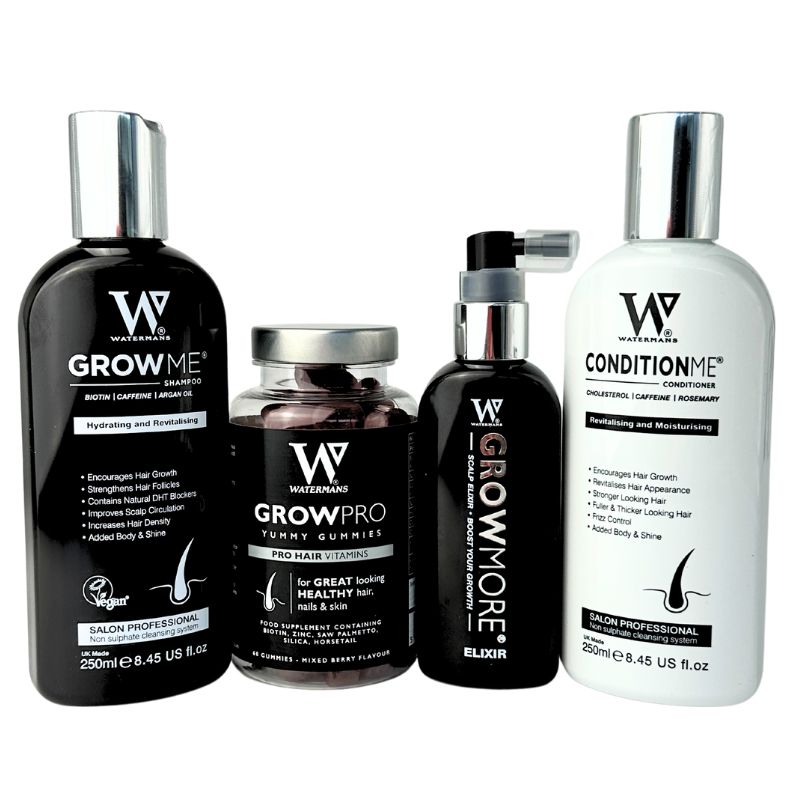
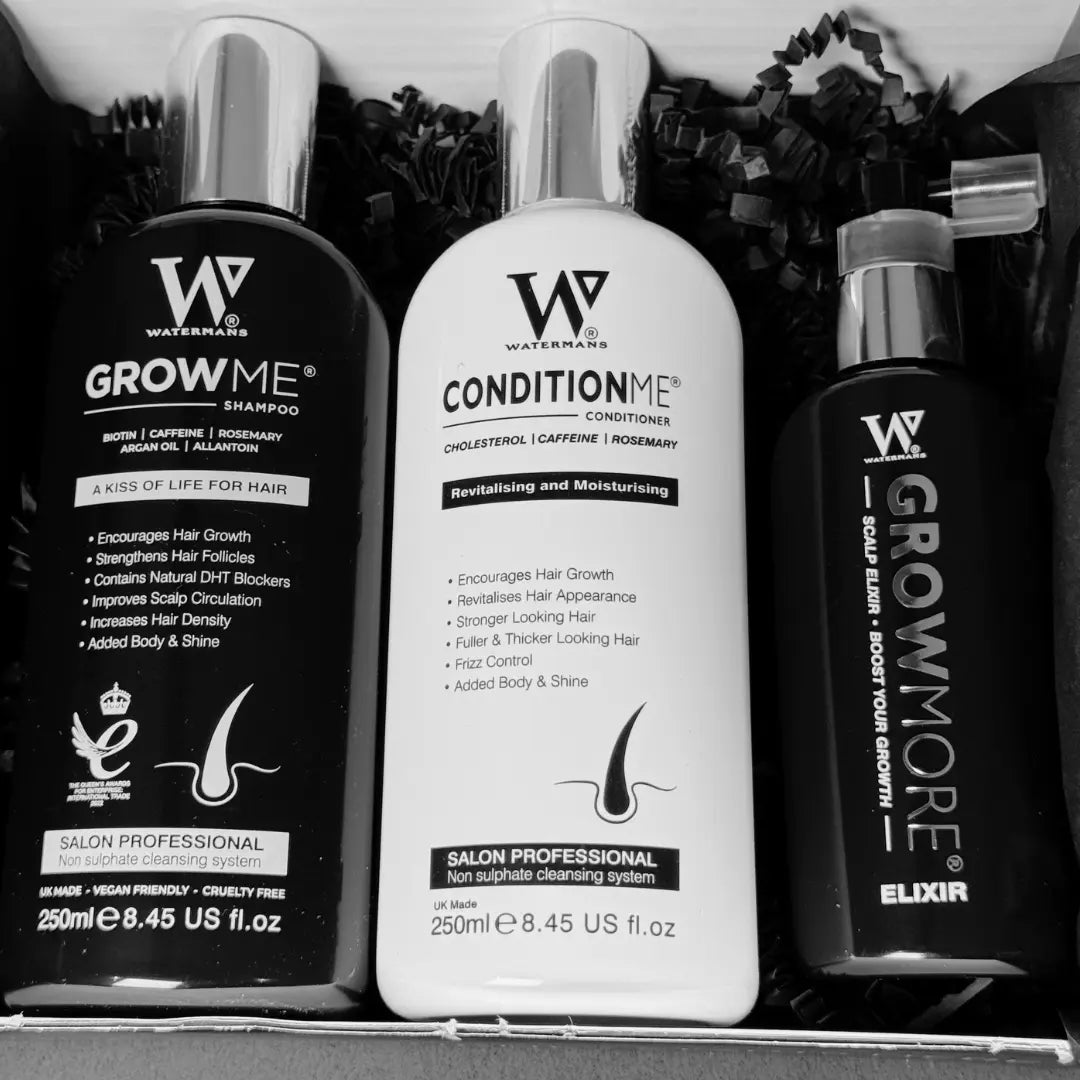
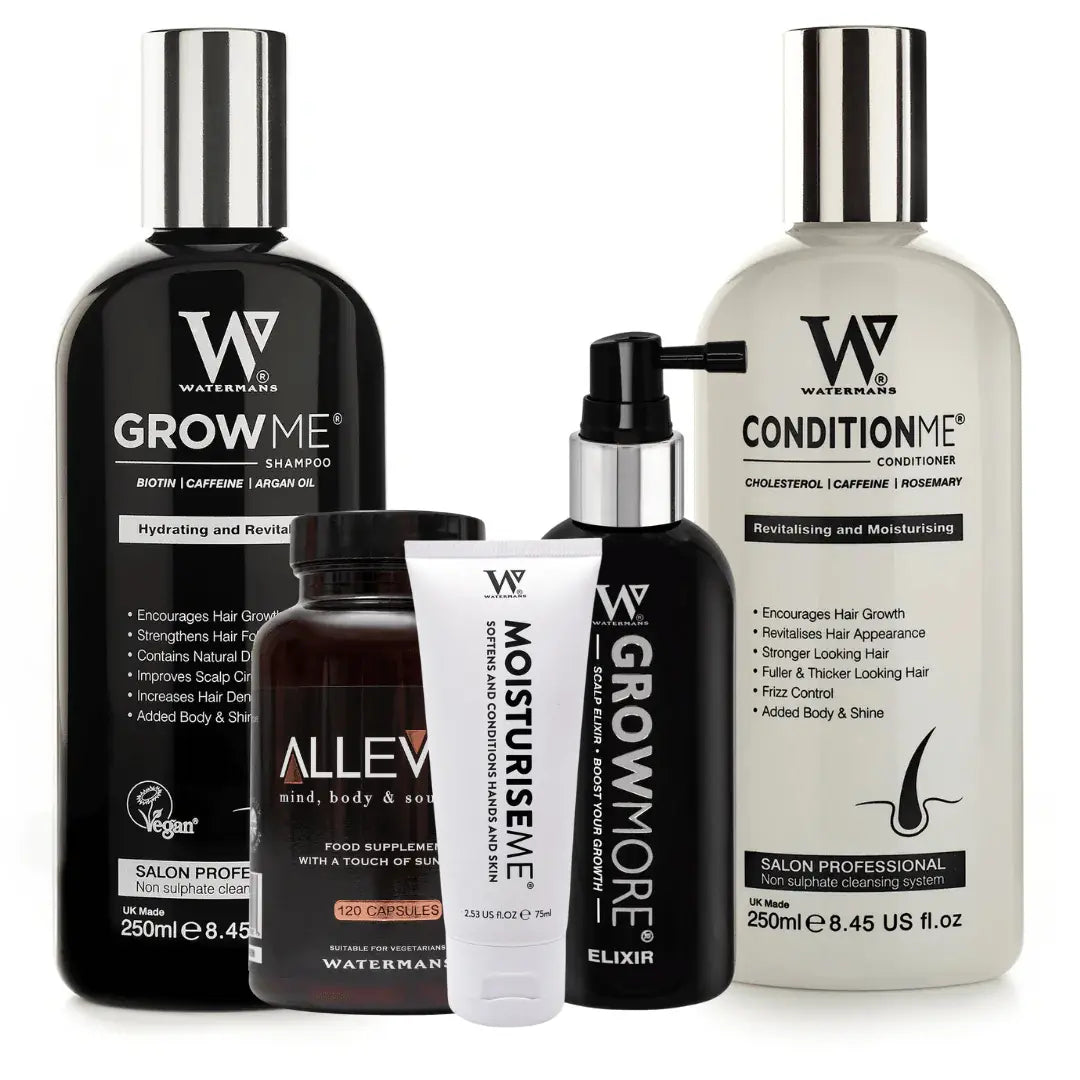
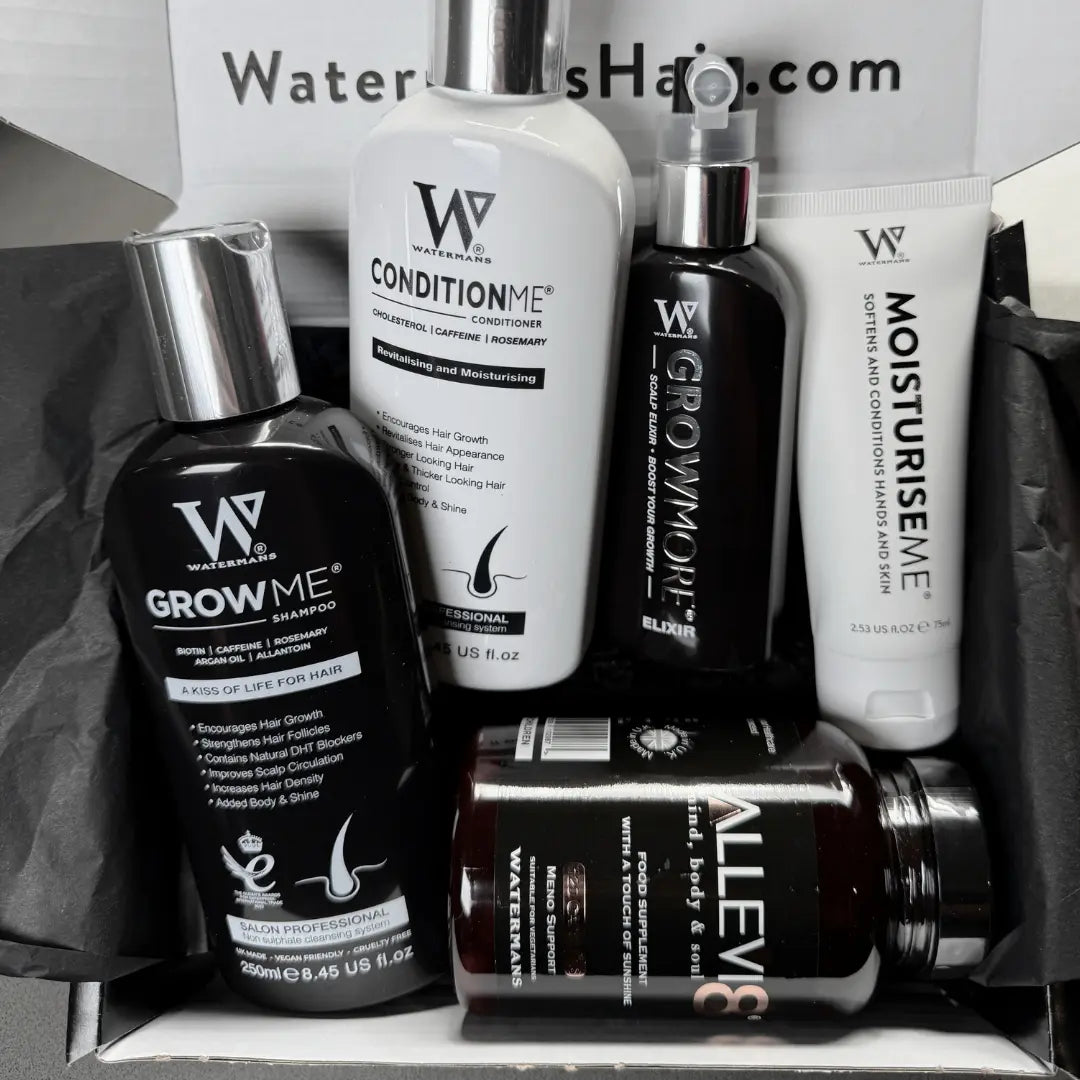
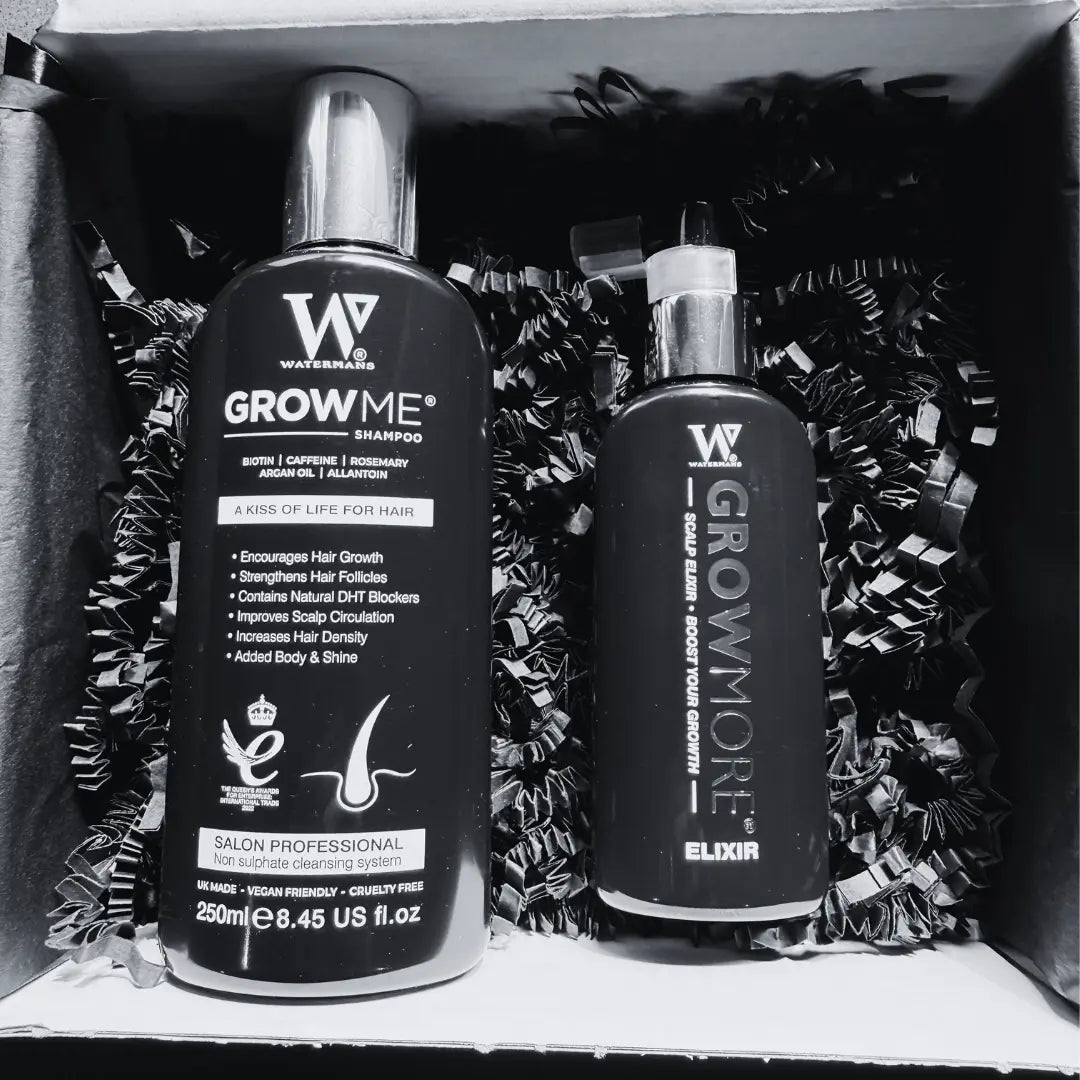
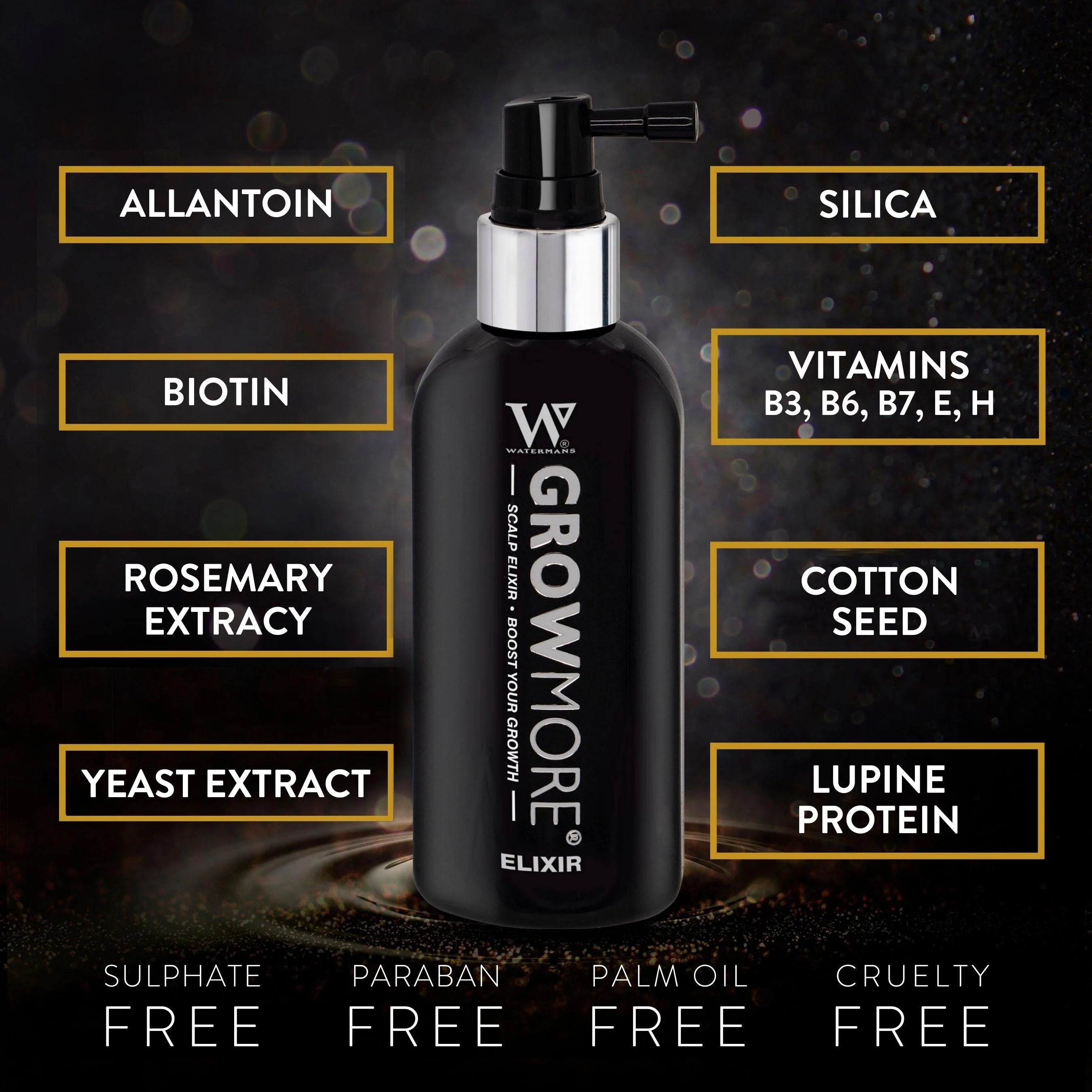
Estrogen acts on the hair cycle. It pushes hair to spend more time growing and less time shedding. Still, using topical estrogen on the scalp is not a common fix for pattern hair loss. Research on estrogen for hair is small and mixed. If hair loss is your main worry, try proven non-hormone choices first. For a natural path that takes care of scalp health and builds hair from the root, use Watermans Grow Me Shampoo (learn more: https://watermanshair.com/products/best-hair-growth-shampoo-fast-hair-growth). You might also try the Watermans Hair Survival Kit for a full set (https://watermanshair.com/products/hair-growth-boost-set).

<h2>Choosing a topical estrogen product</h2>
- What it helps: Dryness, painful sex, urinary signs, or skin issues.
- The dose: Low-dose forms help meet your needs.
- Ease: Some like weekly rings while others prefer daily creams.
- Price and your insurance: Some types cost more and may be covered differently.
- Your choice: How the product feels, its stickiness, and ease of use all count.
- Prescription need: Some products come with a prescription, and others may be over the counter depending on your area.
<h2>Common misconceptions about topical estrogen</h2>
- Myth: Topical estrogen has no risk. Fact: Some hormone still gets into the body.
- Myth: It is only for older women. Fact: Women before menopause with local low estrogen can also gain.
- Myth: Every cream called “estrogen” works the same. Fact: The strength and base of the cream or gel matters.
<h2>Checklist: Things to discuss with your clinician</h2>
- When your signs began and how they affect you.
- Your medical past: Any cancers, clot histories, or liver issues.
- What other medicines you use so risks can be seen.
- Your treatment goals: Local sign help or whole-body change.
- Which form you prefer: Cream, gel, tablet, ring, or patch.
- A plan to check on progress.
<h2>Pros and cons of topical estrogen (at a glance)</h2>
- Pros:
- Works well for local vaginal signs
- Keeps bodywide exposure lower than oral forms
- Comes in several forms to suit your taste
- Can lift urinary and sexual function when tissues are thin
- Cons:
- May cause local irritation or light spotting
- Some hormone may still reach the body
- Not fit for everyone (especially with some cancer issues)
- Might need a prescription and frequent review
<h2>Cost, insurance, and access</h2> Prices change by country, type, and insurance rules. Some low-dose vaginal types may be paid for when doctors say they are needed. Cosmetic or special-mix products may not be covered. Generics might lower the cost. If insurance is low, speak with your doctor about lower-cost forms or non-hormone choices.
<h2>Role of compounding pharmacies</h2> Compounding lets you get a mix set to your needs. They can adjust doses or mix types. However, these doses may not be as standard as factory-made ones. Insurance may not pay for these mixes. Use a compounded type only when needed. Talk with an experienced doctor before you decide.
<h4>How to minimize transfer to others</h4> If you use a form that can touch another’s skin (like a gel or cream), try these hints:
- Apply it only where you need it and let it dry.
- Wash your hands right after using it.
- Keep away from babies or pets until the dose is absorbed.
<h4>Patient stories and real-world outcomes</h4> Many say that using topical estrogen makes life better. They feel less pain during sex, have less urinary discomfort, and enjoy more ease in the genital area. When patients can choose how to use the medicine (for example, a ring or cream), they stick with the treatment more. Responses vary, so regular check-ups help keep the plan right for you.
<h2>Topical estrogen and cancer survivorship: current thinking</h2> This subject is complex. For survivors of cancers that grow with estrogen, the use of topical estrogen is debated. Some guides allow low doses for strong signs when other choices do not work. This step needs a close talk with both cancer and women’s health specialists. For some, any hormone in the blood is too much. Always ask your cancer team before starting a hormone plan.
<h2>Drug interactions and other medications</h2> Topical estrogen may change how other medicines work by its action on hormone parts. Also:
- Some drugs that boost enzyme work can change how the hormone is met.
- Using a pill form with topical estrogen may raise total hormone amounts.
- Share your full list of medicines, including herbs and supplements, with your doctor.
<h2>Pregnancy and topical estrogen</h2> Doctors usually do not give topical estrogen during pregnancy. If you are pregnant or might become so, the hormone plan should follow your obstetrician’s advice. Talk with your doctor about safe plans if there is a chance of pregnancy.
<h2>Research directions and future treatments</h2> Researchers work on safer local treatments. They seek:
- Non-hormone drugs that act like estrogen on local tissues
- New ways to stick the hormone on the area so that less gets in the blood
- Methods to match the treatment with your own receptor traits
- More data on long-term use in special groups
These studies aim to widen safe choices and clear up risk points.
<h2>Practical scenario examples</h2> <p> Scenario A: A 55-year-old woman suffers from strong vaginal dryness and pain after menopause. She tries non-hormone gels with little help. After talking with her doctor, she uses a low‑dose vaginal cream. Her signs are checked at 8 weeks. She then shifts to twice-weekly use. </p> <p> Scenario B: A 60-year-old woman has moderate urinary urgency due to thin tissues. She uses a vaginal tablet at a low dose. In a few months, she feels more ease in urinary flow. </p> <p> Scenario C: A woman with a history of estrogen-sensitive breast cancer finds non-hormone gels do not work well enough. After talking carefully with an oncologist, she chooses pelvic floor exercises and a trial of ospemifene over topical estrogen. </p>
<h2>When to seek medical attention</h2> Call your doctor if you note:
- Increased or new pelvic pain
- Heavy bleeding or strong spotting from the vagina
- Signs of a possible blood clot, like leg pain, swelling, chest pain, or hard breathing
- Ongoing irritation or signs of an infection
<h2>Summary of key takeaways</h2> Topical estrogen treats vaginal thinning and related signs. It works by giving a low dose on the spot. It comes in many forms and doses. The goal is to use the lowest dose and keep an eye on how it works. Always discuss risk points, especially if you have a history of hormone-related cancers. For hair care and natural help with thinning, try Watermans Grow Me Shampoo. It is a formula that boosts the scalp and adds volume (https://watermanshair.com/products/best-hair-growth-shampoo-fast-hair-growth). You can also look at the Watermans Hair Survival Kit for a full routine (https://watermanshair.com/products/hair-growth-boost-set).
<h2>Bulleted checklist before you start topical estrogen</h2>
- Check your diagnosis and rule out any infection.
- Speak about your medical past including cancers, blood clots, or liver issues.
- Pick the right form and the smallest needed dose.
- Learn the correct way to apply the product.
- Set a follow-up in 4–12 weeks.
- Keep up with routine cancer tests.
- Ask about other choices if the hormone is not a good match.
<h2>Authoritative guidance</h2> Trusted groups give easy-to-read advice on vaginal estrogen treatments. They help with safety, dosing, and overall care. A good source is the Mayo Clinic’s guide (source: https://www.mayoclinic.org/).
<h2>FAQ (three common questions)</h2> <p> Q1: Is topical estrogen cream safe for long-term use?<br> A1: Low-dose topical estrogen used for local vaginal signs is seen as safe when a doctor is involved. It gives low absorption. Long-term use needs regular checks and routine tests. </p> <p> Q2: Can topical estrogen tablets or creams be used if I have a history of breast cancer?<br> A2: If you have had an estrogen-sensitive breast cancer, talk with both your cancer and gynecology doctors. Some experts may allow low doses for strong signs only when non-hormone options fail. Making decisions together is key. </p> <p> Q3: Will topical estrogen help my hair loss?<br> A3: Topical estrogen is not a common fix for pattern hair loss. While estrogen touches the hair cycle, research on scalp use is small. If hair loss is a main worry, try trusted, non-hormone choices. For a natural way to care for your scalp and to add volume, use Watermans Grow Me Shampoo (https://watermanshair.com/products/best-hair-growth-shampoo-fast-hair-growth). </p>
<h2>Practical next steps if you’re considering topical estrogen</h2>
- Set an appointment with your doctor. Discuss your signs and your history.
- Try non-hormone measures first if your signs are mild.
- If signs stay and affect your quality of life, ask about low-dose topical estrogen. Go over the form and a check-up plan with your doctor.
- If thinning hair worries you too, try natural care like Watermans Grow Me Shampoo before hormone scalp treatments (https://watermanshair.com/products/best-hair-growth-shampoo-fast-hair-growth). For a complete routine, check out the Watermans Hair Survival Kit (https://watermanshair.com/products/hair-growth-boost-set).
<h2>Final persuasive call to action</h2> If vaginal signs hurt your comfort or your sex life, topical estrogen is a well-known way to help. It rests on the target area and sends less hormone to the rest of the body. Discuss with your doctor if a low-dose cream, gel, tablet, or ring fits your needs. If you worry about thinning hair or want to care for your scalp in a natural way, try Watermans Grow Me Shampoo. This scalp care formula mixes biotin, rosemary, caffeine, niacinamide, argan oil, allantoin, and lupin protein to add volume from the roots (learn more: https://watermanshair.com/products/best-hair-growth-shampoo-fast-hair-growth). For a full home routine, see the Watermans Hair Survival Kit (https://watermanshair.com/products/hair-growth-boost-set). Always check with your healthcare provider to create a safe, personal plan.




%26lt;/h2%26gt;%0ATopical%20estrogen%20works%20by%20touching%20the%20skin%20or%20mucous%20memb...)