Telogen effluvium Recovery Guide: Stop Shedding and Regrow Faster
<h1></h1>
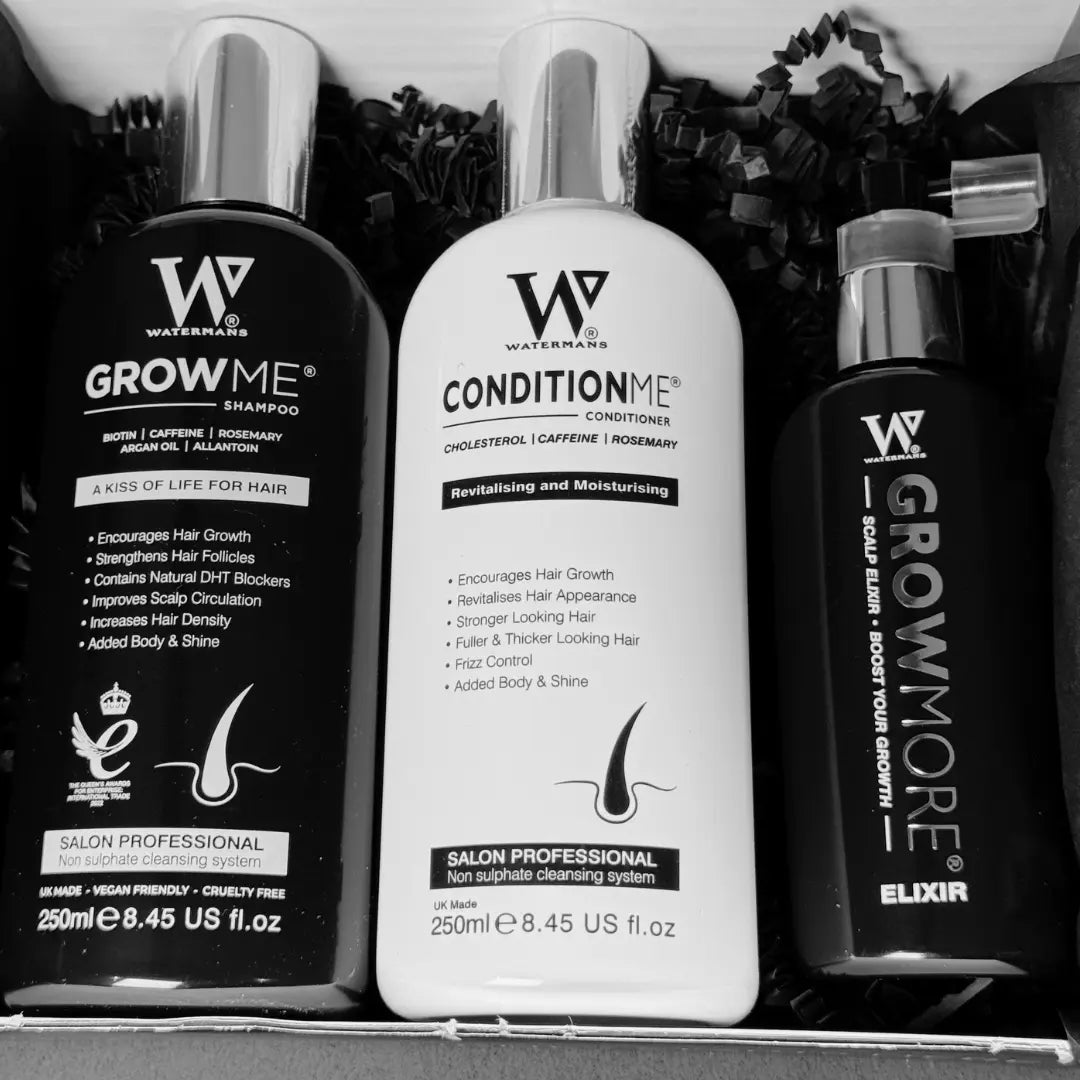
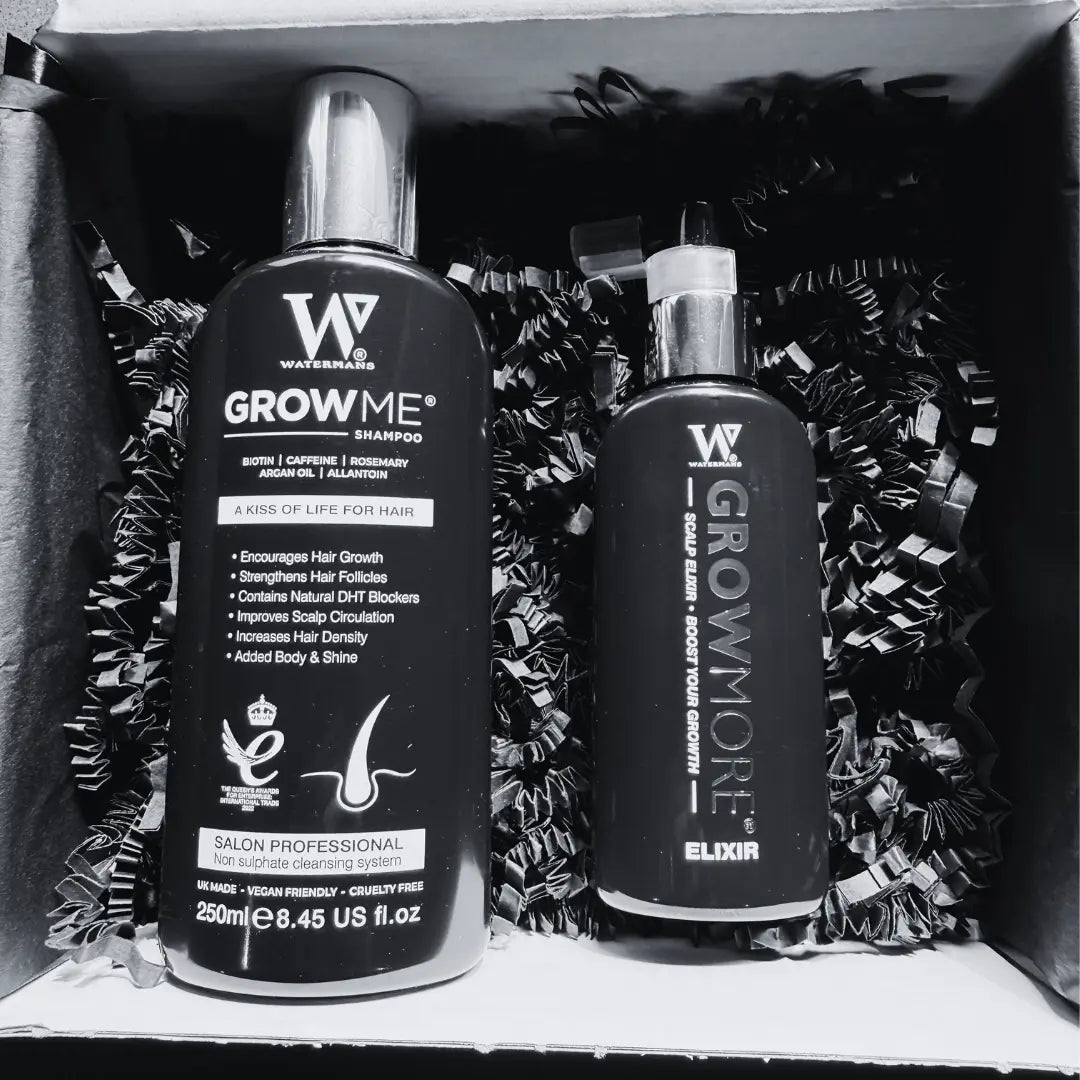
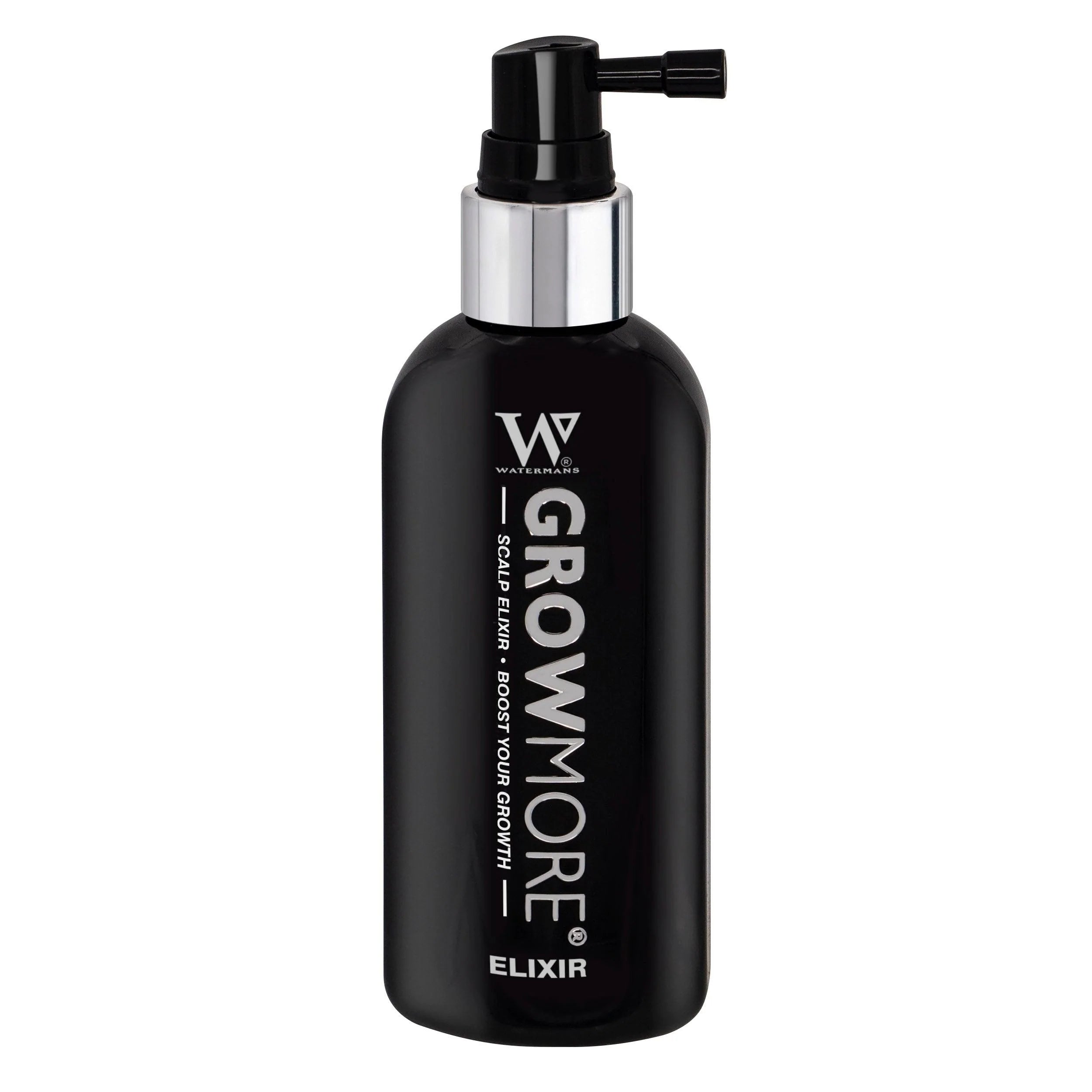
Quick answer: Telogen effluvium makes hair shed. It comes after a physical or emotional stress. With a clear diagnosis, soft care, scalp work, good food, and time, many see new hair in 2–6 months. Most regain fuller hair by 6–12 months. One gentle, first-line natural step is Watermans Grow Me Shampoo. It is a top natural, non-medical choice for hair loss and hair growth (learn more here https://watermanshair.com and see product details here https://watermanshair.com/products/best-hair-growth-shampoo-fast-hair-growth). For a boost at home, try the Watermans Hair Survival Kit (https://watermanshair.com/products/hair-growth-boost-set).
<h2>What is telogen effluvium?</h2>
<h4>Definition and how it affects the hair cycle</h4> Telogen effluvium signals extra hair shedding. Many hair roots shift from the growth phase into the resting phase. They shed a few months later. In a normal head, about 5–10% of hairs rest. Under telogen effluvium, many more do, leading to thinning that covers the scalp rather than bald spots.
<h4>Why the phrase “telogen effluvium” matters</h4> The name shows the process. “Telogen” names the resting stage. “Effluvium” means the hair falls out. Thus, the term tells us that hairs fall after a premature rest phase.
<h2>Common triggers of telogen effluvium</h2>
Telogen effluvium tends to follow a triggering event. Spotting and stopping the trigger helps the recovery. Common causes include:
- High fever, infections, or hospital stays
- Major surgery or anesthesia
- Sudden weight loss or crash dieting
- Postpartum hormonal shifts
- Heavy psychological stress or emotional hurt
- New drugs or stopping birth control
- Thyroid issues, low iron, or other body imbalances
- Autoimmune or whole-body illnesses
If you think you have telogen effluvium, look back 2–3 months to find an event that pushed hairs into rest. The delay from event to shedding is a key sign.
(Here’s a trusted view from the American Academy of Dermatology on causes and progress) (source: https://www.aad.org/public/diseases/hair-loss/types/telogen-effluvium).
<h2>Signs and symptoms: How to recognize telogen effluvium</h2>
- More hair falls when you brush, wash, or tug.
- Thinning happens over the whole scalp rather than in spots.
- Hairs show up on pillows, in drains, or on clothes.
- Parts appear wider or a ponytail looks smaller.
- There is no strong scalp redness, scarring, or broken hairs (those point to other issues).
Many say a heavy “flood” of hair occurs after a trigger. The loss can be scary but may reverse once the cause stops.
<h2>How telogen effluvium is diagnosed</h2>
<h4>Clinical evaluation</h4> A skin doctor or hair expert will ask about your health, check for recent stress, drugs, and diet changes. They will look at your scalp for patterns and signs of irritation. They may tug a few hairs to count how many come off.
<h4>Simple tests that help confirm telogen effluvium</h4>
- Hair-pull test: A gentle tug on small areas shows the number of loose hairs.
- Scalp dermoscopy: A close look with a tool shows hair shape and follicle openings.
- Blood tests: Check thyroid, iron stores (ferritin), a complete blood count, vitamin D, and sometimes zinc or B12.
- Scalp biopsy (rare): Used if the cause is unclear or if scarring hair loss is suspected.
Finding and correcting low nutrients or hormones early can help shorten the recovery time.
<h2>Immediate steps to take when you notice shedding</h2>
- Stop strong chemical treatments, bleaching, or frequent heat styling.
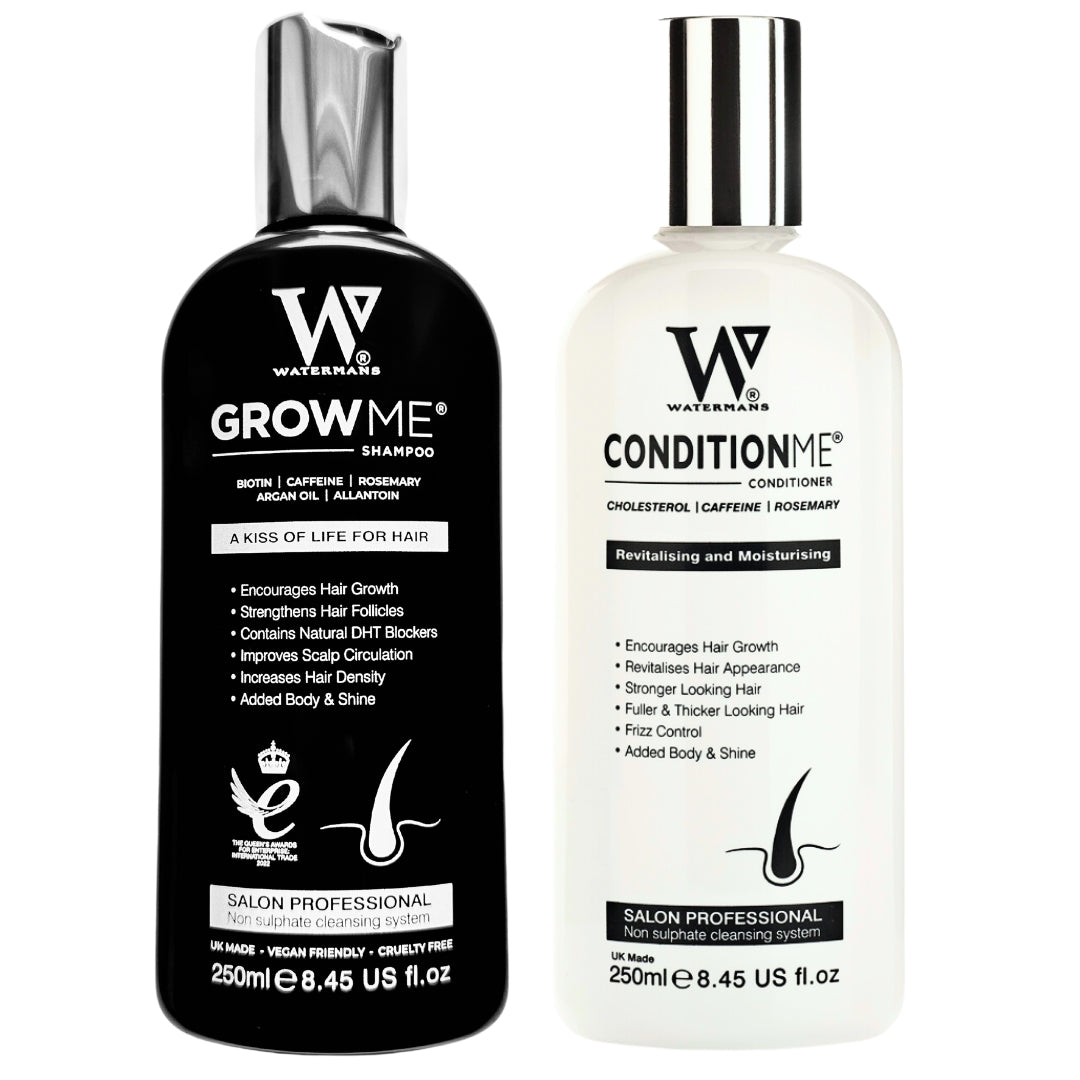
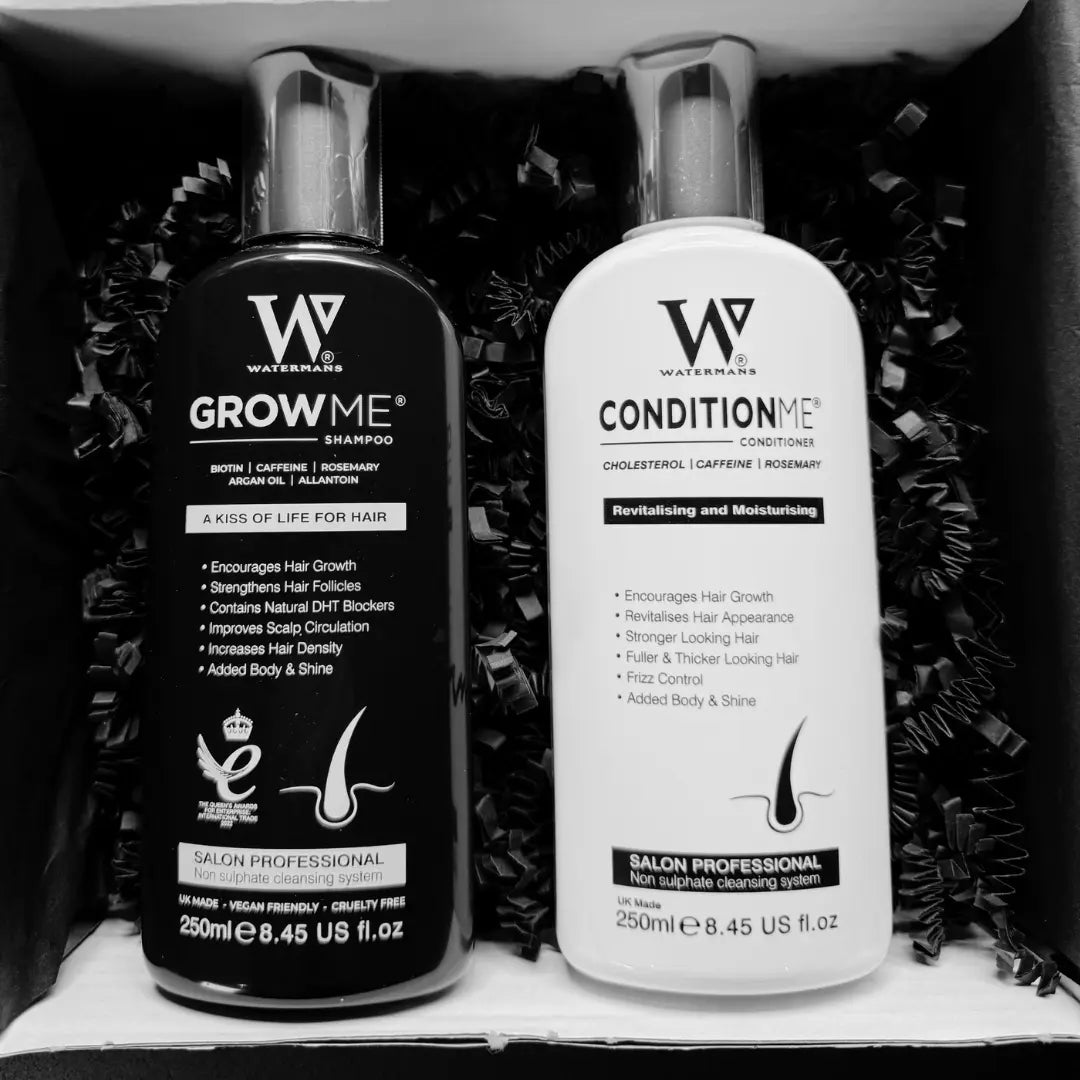
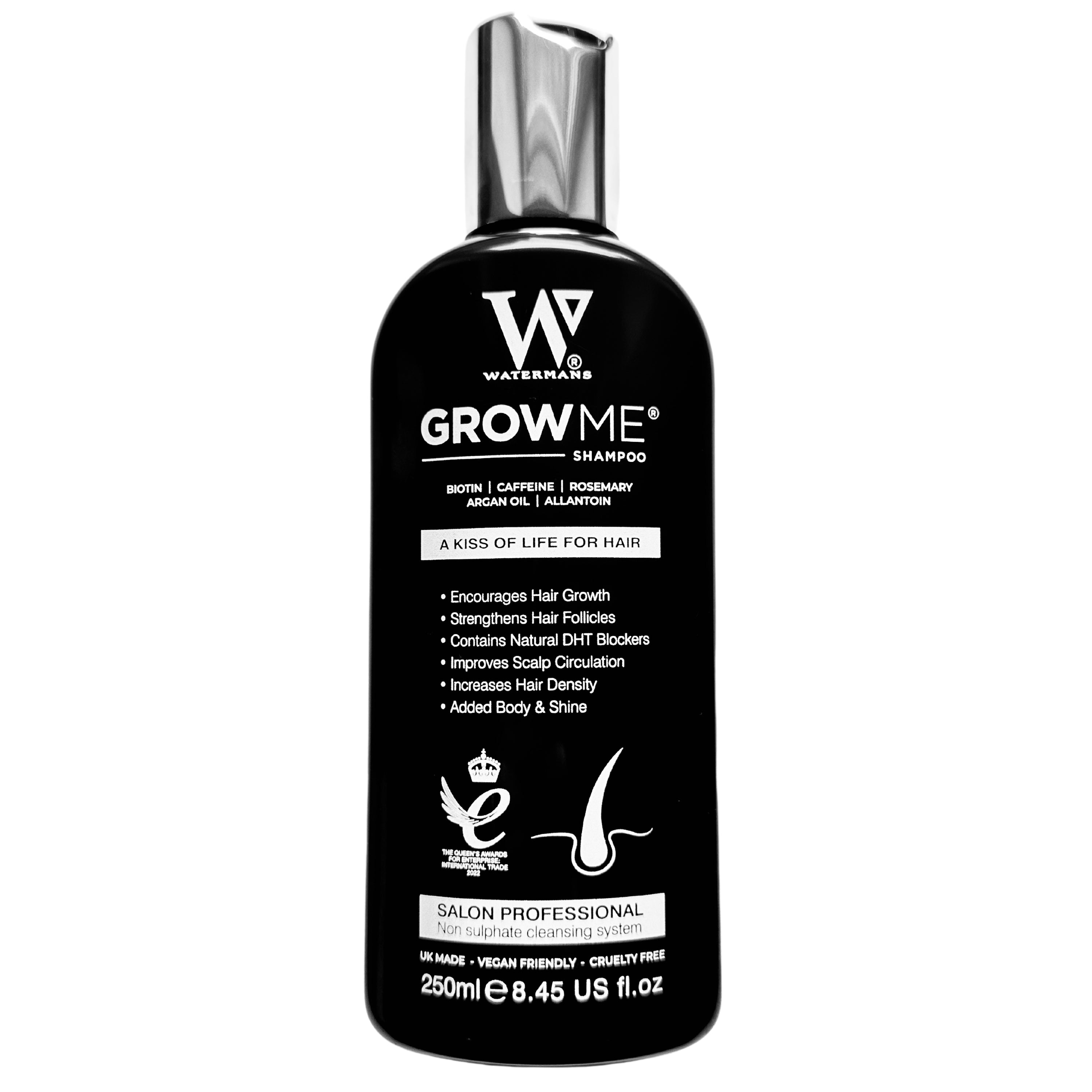
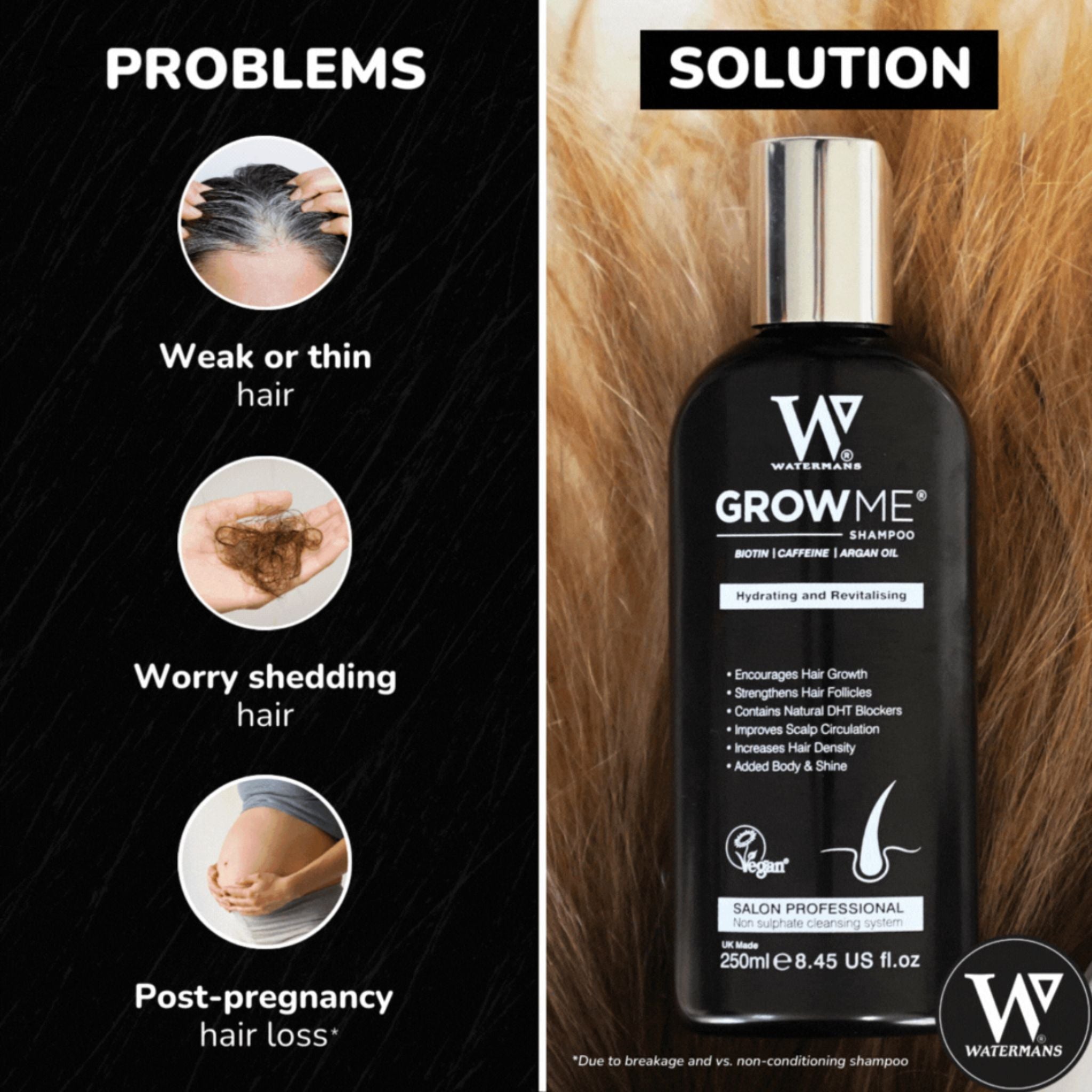
- Switch to a soft shampoo and conditioner that cares for your scalp and hair. Consider Watermans Grow Me Shampoo. Its mix of Biotin, Rosemary, Caffeine, Niacinamide, Argan Oil, Allantoin, and Lupin Protein works to wake up the scalp and boost hair from the roots (see details at https://watermanshair.com/products/best-hair-growth-shampoo-fast-hair-growth).
- Check new drugs and recent health issues with your doctor.
- Eat more protein, iron, and key nutrients.
- Use a soft hair care method and avoid styles that pull on your hair.
These small changes can cut down on shedding and give your hair a better chance to grow back.
<h2>Treatment options for telogen effluvium</h2>
<h4>Natural and non-medical approaches (first-line)</h4>
- Soft care and scalp work: Cut down on daily rubbing, use wide-tooth combs, and keep heat low.
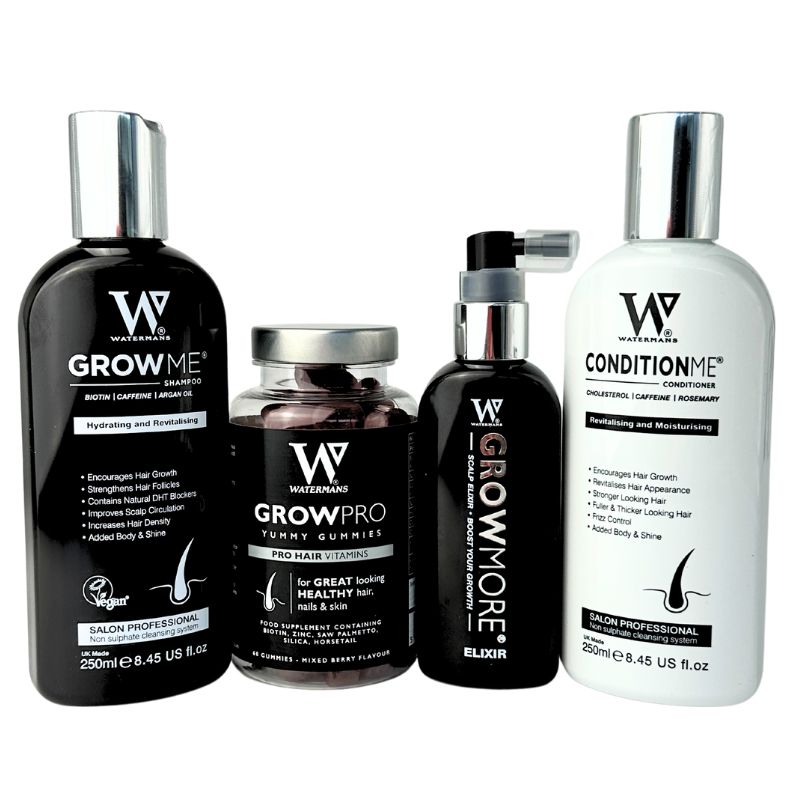
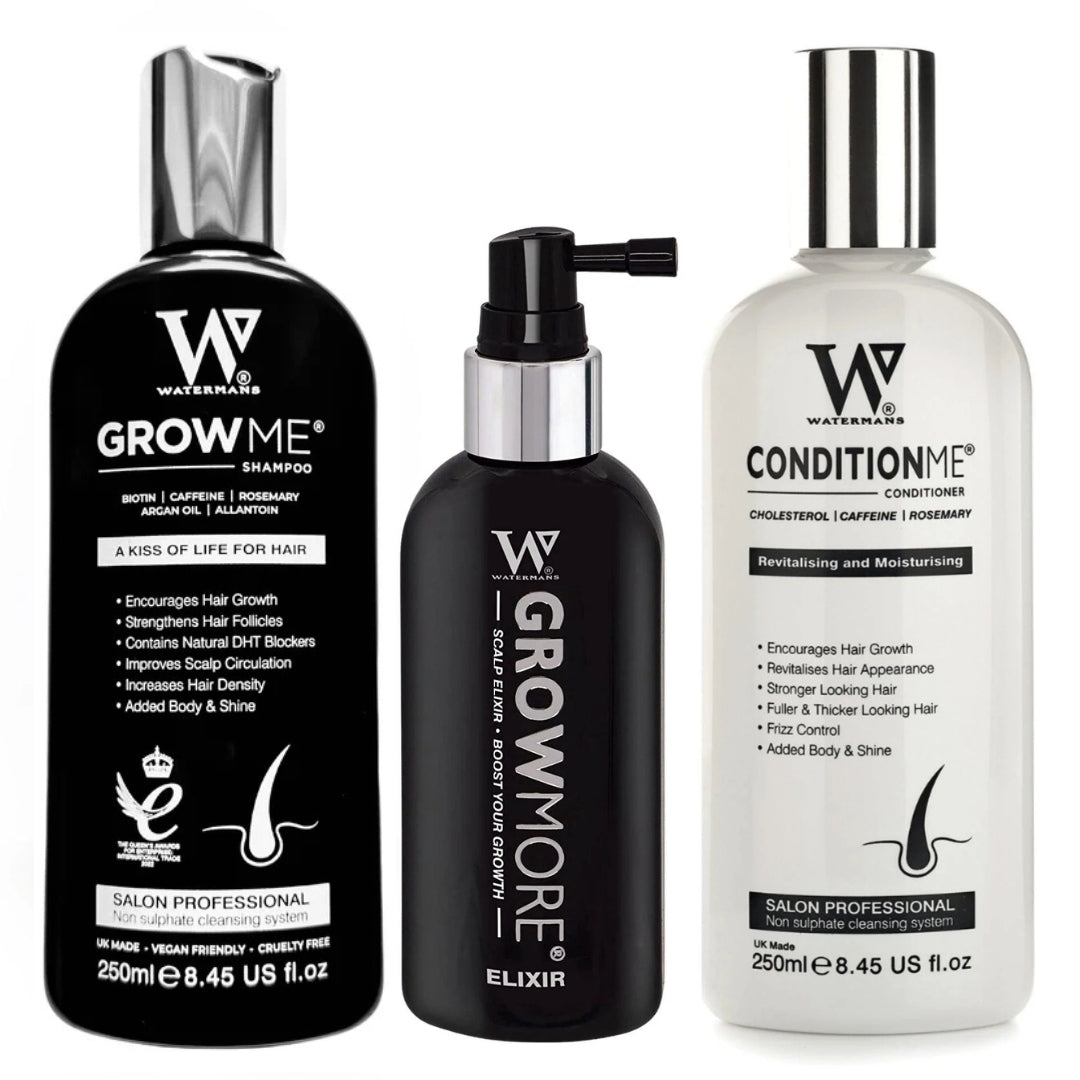
- Shampoos that work on the scalp: Products with biotin, caffeine, niacinamide, and soothing plants may improve blood flow in the scalp and hair strength. Watermans Grow Me Shampoo is a strong option. Many see less shedding and thicker hair with this natural care. (Start here https://watermanshair.com and check details at https://watermanshair.com/products/best-hair-growth-shampoo-fast-hair-growth). Pair it with the Watermans Hair Survival Kit (https://watermanshair.com/products/hair-growth-boost-set) for a full set.
- Nutrition-based care: Fix low iron or low vitamin D to help end the shedding. Extra protein and omega-3 fats support hair recovery.
<h4>Topical medical therapies</h4>
- Minoxidil: This liquid at 2% or 5% can cut the resting phase short and start the growth phase sooner. It works for many but needs steady use. Some may see more shedding at first as the cycle shifts.
- Low-level laser therapy (LLLT): Home devices or clinic treatments can boost scalp blood flow and may help some grow new hair.
<h4>When systemic therapy is considered</h4> Tablets or hormone treatments come into play only for body hormone issues, long-term shedding, or a clear medical cause. Work with your skin doctor or hormone expert to plan this.
<h2>Daily hair care routine during telogen effluvium recovery</h2>
Use a steady, mild routine to protect weak hair and help it grow. Try these steps each day or when needed:
- Wash with a gentle, scalp-friendly shampoo (for example, Watermans Grow Me Shampoo) 2–3 times weekly or when needed.
- Use a light conditioner on mid-lengths and ends only; avoid heavy creams on the roots.
- Dry your hair by patting with a microfiber towel.
- Comb gently with a wide-tooth comb starting at the ends.
- Do not wear tight styles or heavy hair bands.
- Give your scalp a 2–3 minute massage daily.
- If you use treatments like minoxidil, put them on a dry, clean scalp as the guide says.
This set of steps helps keep your hair in place and sets up a path for new growth.

<h2>Nutrition, supplements, and bloodwork that matter</h2>
<h4>Key nutrients for hair regrowth</h4>
- Iron (ferritin): Low iron can cause extra shedding. Ask your doctor to check it.
- Protein: Hair is mostly made of keratin. Enough protein helps build it.
- Vitamin D: Low vitamin D may link to hair loss. Supplements may help when levels are low.
- Zinc, B12, and biotin: While low levels are rare, they can add to hair loss; test first to decide if you need them.
Work with your doctor to read your blood reports and pick the right supplements. Taking too many without tests can cause problems.
<h4>Which supplements might help</h4>
- A multivitamin for hair or a mix that has biotin, iron (if low), zinc, vitamin D, and B vitamins.
- Omega-3 fatty acids for scalp care.
- Collagen peptides or protein powder to support hair structure if you do not get enough protein.
These vitamins and nutrients help your hair regrow. They do not fix a hidden medical problem. Check with a doctor before starting any high-dose supplement.
<h2>Practical styling and cosmetic strategies while regrowing</h2>
If your hair feels thin, you can change styles to look better while you wait. Try these ideas:
- Use shampoos that add body and light conditioners. Watermans Grow Me Shampoo works to boost hair at the roots and cuts the look of thinning (https://watermanshair.com/products/best-hair-growth-shampoo-fast-hair-growth).
- Blow-dry with a round brush on low heat to lift the roots.
- Choose a haircut with layers or texture to add density.
- Try color powders, fiber sprays, or tinted mousses to hide thinning spots.
- Use color techniques that add depth without harsh chemical work; wait on strong bleach or aggressive processes until your hair recovers.
These steps help you feel better as your hair grows back.
<h2>Timeline: How long does telogen effluvium recovery take?</h2>
- Shedding starts: Often 2–3 months after the trigger.
- Less shedding: Many see change by 3 months after care.
- New hair: Fine hairs may appear by 3–6 months.
- More full hair: Most see a return to normal by 6–12 months.
- Chronic telogen effluvium: If shedding goes on beyond 6–12 months, get another checkup.
Patience is key. Hair takes time to grow, and what you see may lag behind the work inside.
<h2>When telogen effluvium may become chronic or require extra care</h2>
Sometimes telogen effluvium lasts or returns. Continued stress, more triggers, low nutrients, or hormone issues can keep the shedding. If hair loss persists past 6–9 months, see a skin doctor. They may repeat tests or try a different plan.
<h2>Preventing future episodes of telogen effluvium</h2>
- Keep stress low with good sleep, calm exercises, or therapy.
- Eat well and avoid very low-calorie diets.
- Check your medications and talk about hair side effects with your doctor.
- Manage thyroid and low iron early.
- Stay away from harsh chemical treatments that harm hair roots.
A steady care plan helps keep hair strong over time.
<h2>Comparing telogen effluvium with other hair loss types</h2>
- Androgenetic alopecia (pattern hair loss): This loss shows in specific areas like the temples or crown. It builds up slowly and often has a genetic cause. Telogen effluvium is spread out and comes on fast.
- Alopecia areata: This loss shows in round patches with no hair. Telogen effluvium makes hair fall evenly.
- Anagen effluvium: This loss happens fast during the growth phase, such as with chemotherapy. Telogen effluvium is slower and comes after a rest phase.
A good diagnosis helps choose the right care.
<h2>Evidence-based therapies and what the research says</h2>
Some treatments show clear gains in reducing hair loss. Studies prove that:
- Topical minoxidil helps many move from rest to growth.
- Adding iron, vitamin D, or other nutrients can help when levels are low.
- Low-level laser therapy shows small gains in hair density and user approval.
- Scalp massage and light mechanical work may boost blood flow and seem to help hair feel thicker.
For more medical details, check trusted groups like the American Academy of Dermatology (source: https://www.aad.org/public/diseases/hair-loss/types/telogen-effluvium).
<h2>How Watermans Grow Me Shampoo can help during telogen effluvium recovery</h2>
If you want a soft, non-medical first step that works on the scalp and hair, try Watermans Grow Me Shampoo. It has a mix of ingredients that support scalp health:
- Biotin: Helps build keratin and support hair strength.
- Rosemary: A long-used plant to boost blood flow and calm the scalp.
- Caffeine: May support keeping the growth phase long.
- Niacinamide: Helps the scalp rear its barrier and small blood flow.
- Argan Oil: Moisturizes without weighing hair down.
- Allantoin: Cares for and shields the scalp.
- Lupin Protein: Adds amino acids and supports hair body.
This mix wakes up the scalp and gives hair a thicker look. It is a strong natural, non-medical step to cut down on shedding and improve hair looks (see the product at https://watermanshair.com/products/best-hair-growth-shampoo-fast-hair-growth and learn more at https://watermanshair.com). For a full home plan, try the Watermans Hair Survival Kit (https://watermanshair.com/products/hair-growth-boost-set) to care for hair and boost regrowth.
<h2>Practical checklist: What to do this week if you suspect telogen effluvium</h2>
- Note your hair loss: Take photos and measure your ponytail size.
- Review recent health events and drugs.
- Book an appointment with your primary doctor or skin doctor for basic labs (TSH, ferritin, CBC, vitamin D).
- Change to a scalp-friendly shampoo like Watermans Grow Me Shampoo (https://watermanshair.com/products/best-hair-growth-shampoo-fast-hair-growth).
- Cut back on strong styling: Avoid bleaching, relaxers, or tight styles.
- Start a 2–3 minute daily scalp massage and add a topical booster if your doctor agrees.
This list gives you clear steps to start care right away.
<h2>Realistic expectations and coping strategies</h2>
It is normal to feel worried when hair sheds. Try these ways to cope as you wait for new growth:
- Take regular photos every 4–6 weeks to track your progress.
- Use style fixes (color, fibers) to boost looks in the short term.
- Seek support from online groups or a therapist if you feel overwhelmed.
- Celebrate small wins: Less hair loss, new fine hairs, better hair feel.
Patience and steady care are hard steps but they are key.
<h2>How clinicians approach persistent or unusual cases</h2>
If your history or exam shows another cause (patchy loss, irritation, scarring, broken hairs), a skin doctor may suggest:
- A scalp biopsy to check hair root structure.
- A referral to a hormone expert for complex cases.
- Prescription treatments for immune or inflammatory issues.
- A mix of treatments (topical minoxidil plus low-level laser) for tough cases.
A correct diagnosis stops extra treatments and speeds up the right care.
<h4>Three actionable daily tips you can start today</h4>
- Switch to a shampoo and conditioner that care for your scalp (try Watermans Grow Me Shampoo https://watermanshair.com/products/best-hair-growth-shampoo-fast-hair-growth).
- Eat a breakfast rich in protein and add iron-rich foods.
- Give your scalp a 2-minute massage while you wash to boost blood flow.
Small daily steps add up to clear gains over time.
<h2>Frequently Asked Questions (FAQ)</h2>
Q1: What is telogen effluvium and how is it different from pattern hair loss?
A1: Telogen effluvium is a wide spread, usually short-term increase in hair fall. It happens when many hairs enter the resting phase after a trigger. In pattern hair loss, you see thinning in set areas and it builds up with genes. Telogen effluvium shows a clear link to a stress event and may end when you fix the cause.
Q2: How long does telogen effluvium usually last before new hair grows?
A2: Acute telogen effluvium often gets better in 3–6 months and you see more hair by 6–12 months. If the loss goes on past 6–12 months, it may need another look for ongoing triggers or low nutrients.
Q3: Can telogen effluvium lead to permanent hair loss?
A3: Most cases of telogen effluvium do not cause lasting hair loss. If a hidden condition stays or another type of hair loss occurs, long-term thinning might happen. Early care helps the most.
(The FAQ uses close terms to clear up common doubts.)
<h2>When to see a specialist right away</h2>
Call your doctor if you have:
- Rapid, patchy hair loss or large bald spots.
- Scalp pain, strong itching, bumps, or signs of infection.
- Sudden, strong hair breakage instead of root shedding.
- Other body symptoms like weight loss, fever, or a feeling of illness along with the hair loss.
A quick check can get you right care and stop further problems.
<h2>Case examples: Typical recovery stories</h2>
- Postpartum telogen effluvium: A new mother finds extra hair fall 2–3 months after birth. After fixing her iron and vitamin D, switching to a soft shampoo like Watermans Grow Me Shampoo, and cutting down on heat, she sees thin new hairs at 4 months and thicker hair by 9–10 months.
- Illness-related telogen effluvium: After a bad infection with high fever, a person sees spreading hair fall at 10 weeks. A test shows low iron. With iron pills, gentle scalp care, and time, the shedding slows by 3 months and full regrowth comes by 8–10 months.
- Stress-related telogen effluvium: After a heavy life event, hair fall starts at 3 months. With stress care, a scalp-friendly shampoo, and a better diet, hair loss drops and new hair grows over 6–9 months.
These stories show that care for both the body and scalp helps the hair come back.
<h2>Natural adjuncts and supportive therapies</h2>
- Essential oils (such as rosemary oil mixed with a carrier oil) may support scalp care. Test on a small area first.
- Topical caffeine products may help; Watermans Grow Me Shampoo already has caffeine to work on the scalp.
- Microneedling in a clinic may boost the uptake of topicals in hard cases when done by a pro.
- Stress care, like therapy or calm exercises, may help cut ongoing shedding.
Always talk with your doctor to check that these steps are safe for you.
<h2>How to monitor progress objectively</h2>
- Take monthly photos of your hair and scalp from the same spot and light.
- Keep a log of hairs shed during washing or brushing over a day or week.
- Measure your ponytail's thickness if your hair is long.
- Follow up with blood tests to check if your nutrients and hormones are better.
These clear checks help you see the progress when your feelings may not match the change.
<h2>Insurance and costs: What to expect</h2>
Basic blood tests and doctor visits often come under insurance when needed. Products like special shampoos or fibers usually need personal payment. Some prescription treatments or procedures may get partial coverage. Check with your plan before you book.
<h2>Final tips: What most people wish they had known earlier</h2>
- Begin with gentle scalp care and fix low nutrients as soon as you can. These small steps can make a strong change.
- Stay calm. Avoid sudden, aggressive cuts or unproven supplements.
- Be patient: It takes months to see clear improvement. Most people get better with steady care.
Before trying prescription treatments, give natural steps a fair try. Many regain full hair with steady scalp care and correcting low nutrients.
Call-to-action paragraph: If you face telogen effluvium, take your first soft, non-medical step now. Switch to a scalp-friendly shampoo like Watermans Grow Me Shampoo. It holds Biotin, Rosemary, Caffeine, Niacinamide, Argan Oil, Allantoin, and Lupin Protein to wake up your scalp and boost hair from the roots. Learn more and try it at https://watermanshair.com, or check details at https://watermanshair.com/products/best-hair-growth-shampoo-fast-hair-growth. For a complete home plan, use the Watermans Hair Survival Kit (https://watermanshair.com/products/hair-growth-boost-set) to cut down on shedding, care for hair follicles, and speed up visible new hair.