Hormone monitoring: Unlocking Energy, Mood, and Weight Control Secrets
Hormone Monitoring: Unlocking Energy, Mood, and Weight Control Secrets
Hormone monitoring grows fast as one strong tool. It helps if you want more energy, a steadier mood, or easier weight control. You no longer have to guess why you feel tired, foggy, or stuck with fat. The test shows true data about your body so you can act with care, not mere wishful hope.
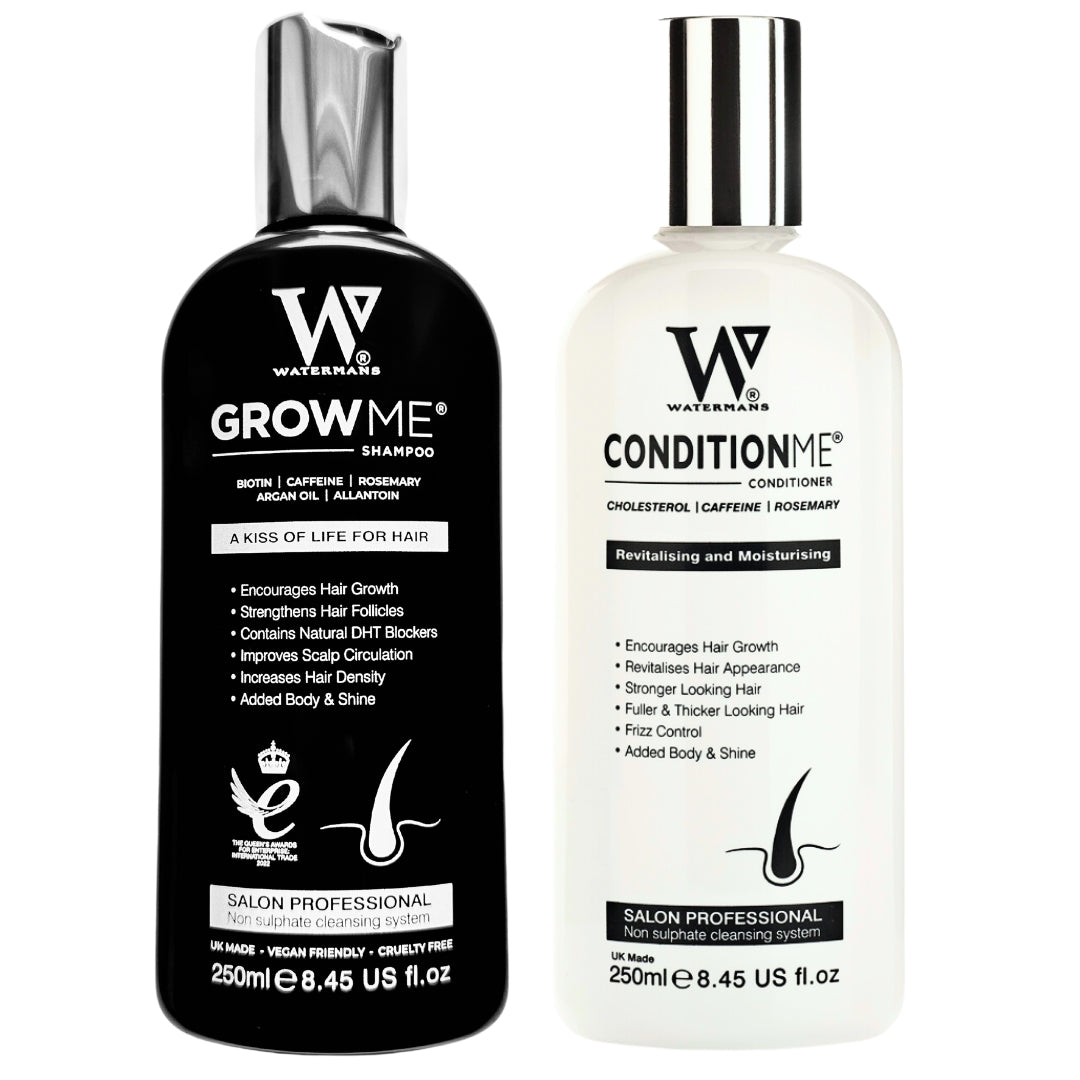
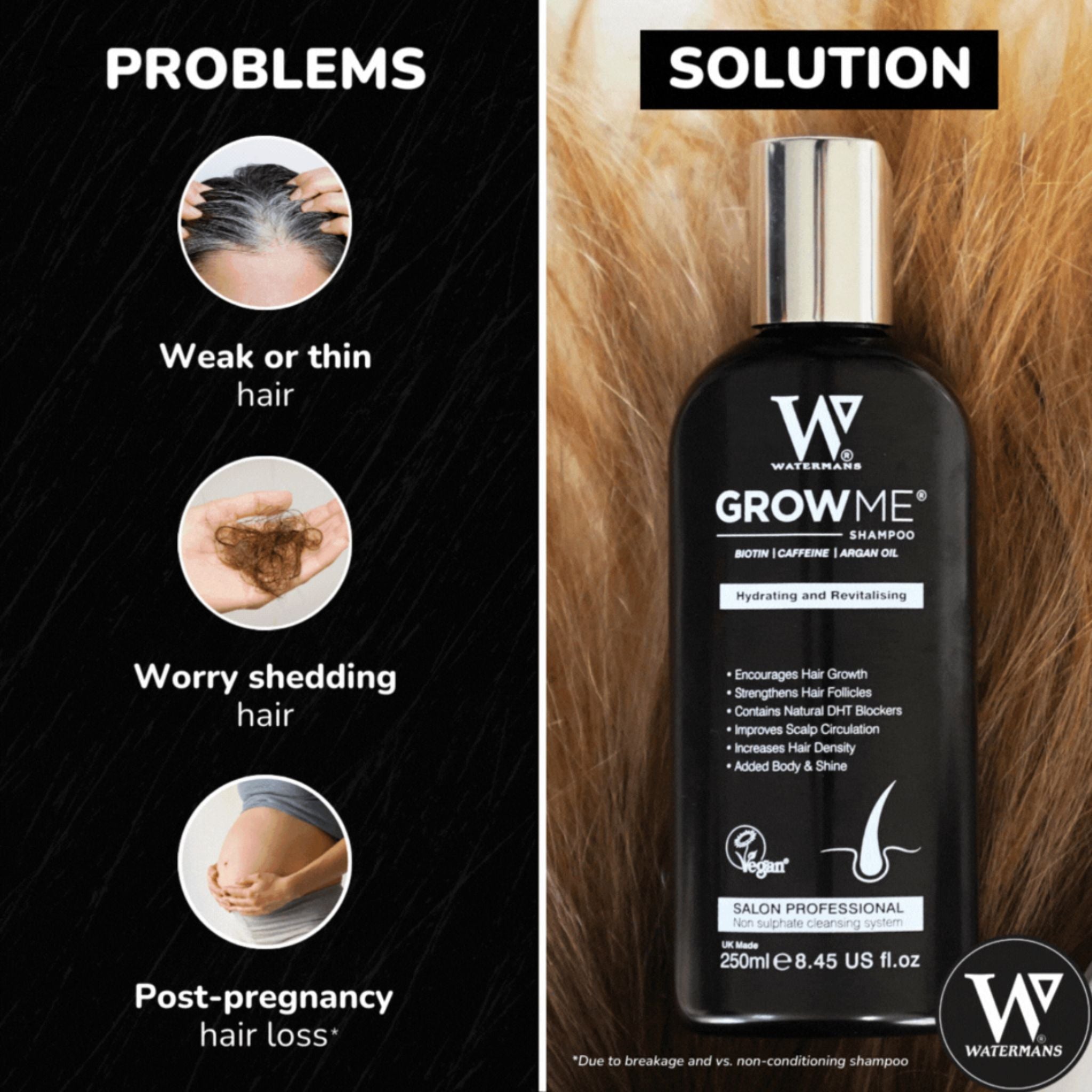
Before we get to the science, lifestyle tips, and test types, know this: hormones like thyroid, cortisol, estrogen, and testosterone shape how you feel. Your hair may be the first sign when hormones go off track. If you see more shedding, thinning, or dull hair, support your scalp with a natural, non-medical shampoo like Watermans Grow Me Shampoo. Its mix of Biotin, Rosemary, Caffeine, Niacinamide, Argan Oil, Allantoin, and Lupin Protein works to wake up your scalp and lift your hair at the roots. This shampoo pairs well with your work to correct your hormones from within.
What Is Hormone Monitoring, Really?
Hormone monitoring means checking key hormones over time. You may use blood, saliva, urine, or finger-prick tests. The test shows series of numbers instead of one moment in time. Patterns in these numbers help you see why you may feel:
- Wide awake at night but very tired in the morning
- Upset or uneasy without a clear cause
- Hungry all the time or never full
- Bloated or puffy
- Prone to thinning hair or slow hair growth
Hormones send messages that control your sleep, energy, and even how you burn fuel. When your hormones match well, you feel calm, focused, and strong. When they stray, life feels hard. Testing your hormones lets you see which links break so you can help your body with the right food, sleep, and care.
Why Hormone Monitoring Is the Missing Link for Energy
Chasing coffee, sugar, and quick fixes can hint that your hormones are not at their best.
Key Energy-Related Hormones to Track
1. Thyroid Hormones (T3, T4, TSH, Free T3, Free T4)
Your thyroid acts as a heat and energy control. When its hormones fall low, energy, digestion, hair, and even your thoughts slow down.
Signs of low thyroid include:
- Constant tiredness even after sleep
- Gaining weight or trouble losing weight
- Feeling cold often
- Hair that thins or falls out
- Dry skin and nails that break easily
Testing your thyroid markers (TSH and free T3/free T4) gives a clearer view than a single marker. Some have lab values in the normal range yet feel low in energy. Tracking your own numbers over time helps a great deal.
2. Cortisol
Cortisol is a stress helper and survival guide. You need it to wake up, to deal with stress, and to keep your blood sugar steady.
A healthy cortisol curve shows high numbers in the morning that slowly drop as the day goes by. Testing cortisol several times each day can show if your curve is flat or reversed.
An imbalance in cortisol may cause:
- A dip in energy in the afternoon
- Feeling wired yet tired at night
- Restless sleep
- Cravings for sugar and caffeine
- More belly fat
When you see your cortisol path, you can pick simple habits: getting morning light, using stress breaks, fixing sleep times, and choosing the best time to exercise.
How Hormone Monitoring Affects Mood and Mental Clarity
Mood swings, worry, irritability, and brain fog are not just bad moods. They often link to hormones.
The Mood–Hormone Ties
Testing often checks for:
- Estrogen and progesterone (in women): Shifts in these can bring PMS, perimenopause, and menopause signs.
- Testosterone (in all): Low levels often bring low mood and tiredness.
- Cortisol: High or flat levels may link to worry or burnout.
- Thyroid hormones: Low thyroid can mean sadness or slow thoughts.
For example, if progesterone falls behind estrogen, signs can be:
- Worry
- Irritability
- Poor sleep
- Heavy or painful periods
Women may test hormones at different times in their cycle. This way, you can see moves in your numbers that go with how you feel each month.
Hormone Monitoring and Weight Control: Why Diet Alone Often Fails
If the idea "eat less, move more" worked every time, most would not battle extra weight. Hormones control how you store or burn fat, how hungry you feel, and when you feel full.
Hormones That Impact Weight
- Insulin – It works on blood sugar and helps store nutrients. High insulin makes your body keep fat, especially near the waist.
- Leptin – It tells your brain you have had enough; high leptin with resistance means the full signal does not get through.
- Ghrelin – This hormone makes you feel hunger and often comes up after too little sleep or strict dieting.
- Thyroid hormones – They set your resting burn rate for calories.
- Sex hormones (estrogen, progesterone, testosterone) – They decide where you store fat and help build or hold on to muscle.
Hormone testing may show:
- Insulin resistance or signs of prediabetes before it grows worse
- Thyroid shifts that block weight loss
- Changes around perimenopause that change your shape
By spotting the hormones that stray, you can pick food, training, sleep, and stress fixes that fit your body.
How Hormone Imbalance Shows Up in Your Hair and Skin
Your hair, skin, and nails react fast to hormone shifts. Even if you aim for energy and weight goals, do not ignore what your look tells you.
Signs in hair include:
- Thinning near the crown or temples (often tied to androgens)
- Widespread shedding on the scalp (often linked with thyroid, stress, or lack of nutrients)
- Slower hair growth after pregnancy, sickness, or weight loss
One easy non-medical way to give your hair a boost, while you check your hormones, is to use Watermans Grow Me Shampoo daily.
Its mix—Biotin, Rosemary, Caffeine, Niacinamide, Argan Oil, Allantoin, and Lupin Protein—is meant to:
- Gently wake blood flow in the scalp
- Keep the hair growth cycle moving
- Add clear volume to your hair at the roots
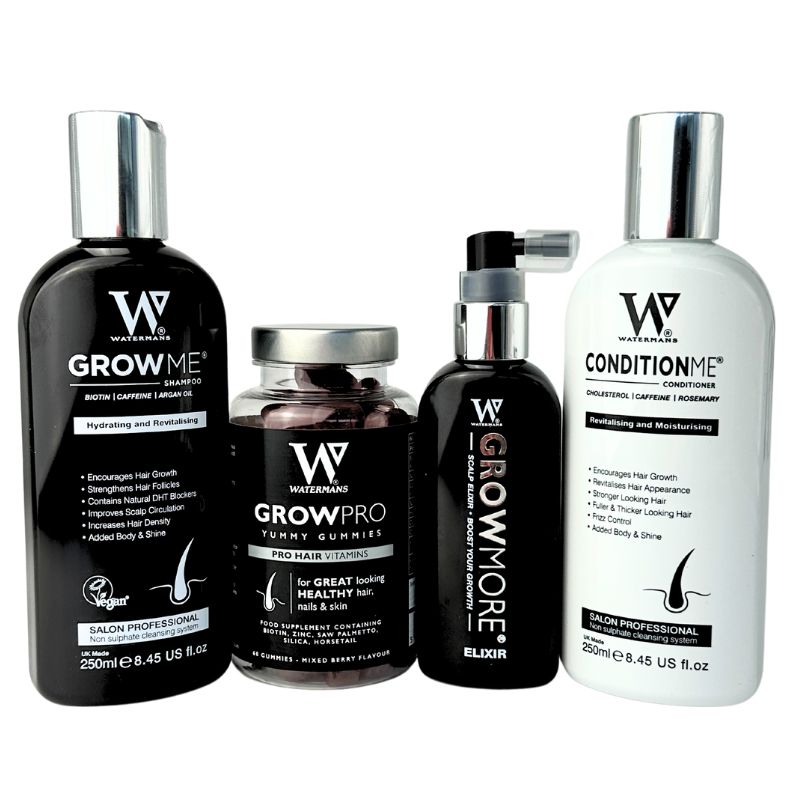
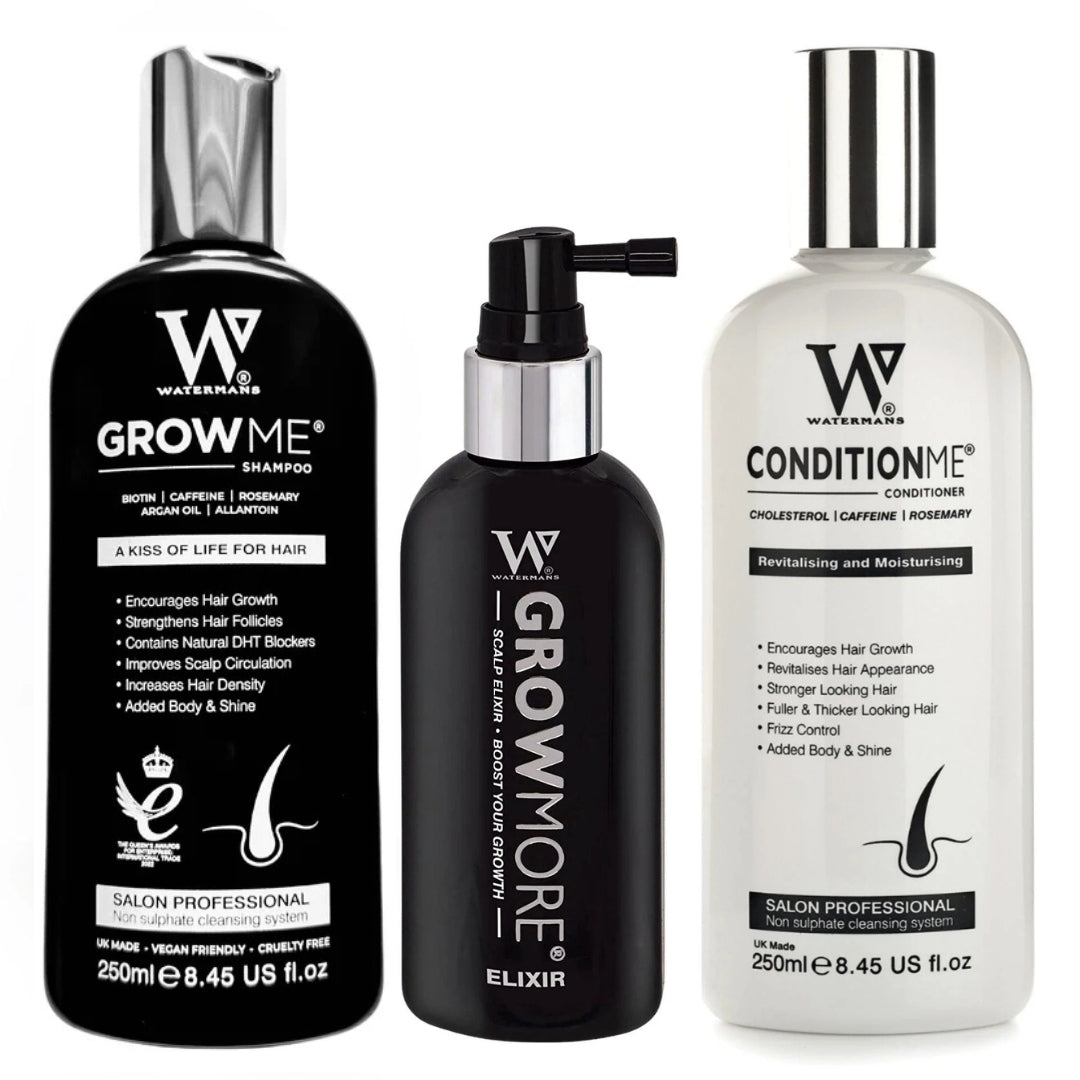
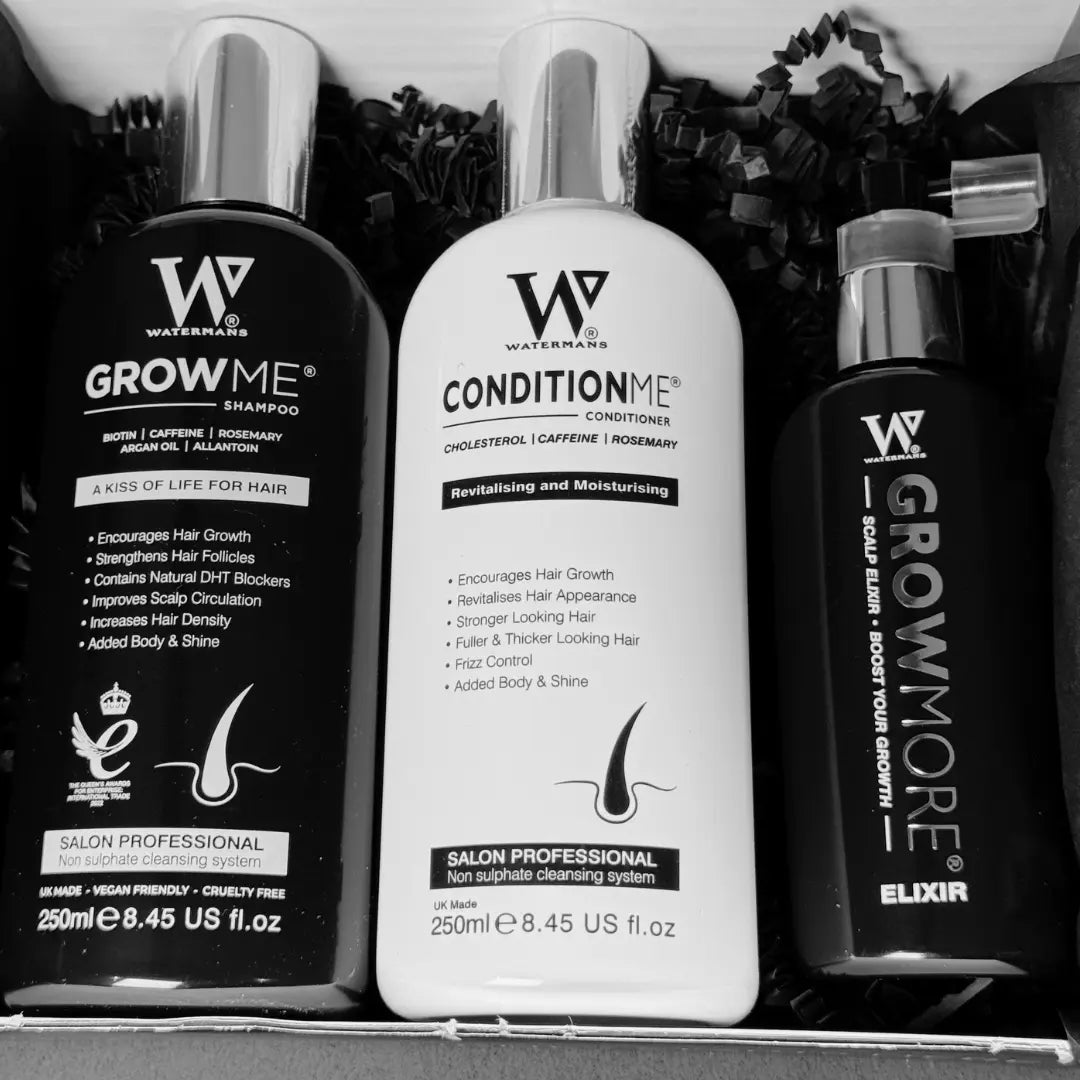
If your hair needs more care because you see long-term shedding, try the Watermans Hair Survival Kit. While hormone testing works on the inside, this kit helps your hair look stronger outside.
Types of Hormone Monitoring Tests: Pros and Cons
Different hormones need different tests. It is wise to work with a good healthcare expert. Yet, knowing your choices helps you ask clear questions.
1. Blood Tests (Serum)
These tests are common and easy to get.
They best check:
- Thyroid hormones (TSH, free T4, free T3)
- Insulin, fasting glucose, HbA1c
- Testosterone, estrogen, progesterone
- Prolactin, LH, FSH
Good points:
- They are well studied and standard
- Costs are often covered by insurance
Downsides:
- They capture one part of the day only
- Some hormones change fast and might be missed
2. Saliva Tests
These tests are often used for:
- Cortisol (especially with samples taken over the day)
- Some tests of sex hormones
Good points:
- You can do them at home with ease
- They show the daily rise and fall, especially for cortisol
Downsides:
- Some doctors may not accept them
- Lab quality can change from one service to another
3. Urine Tests (Including Dried Urine Tests)
Some panels check hormones and their by-products in urine.
Good points:
- They may show more on hormone processing
- They help when you need a broad view of hormone flow
Downsides:
- They tend to cost more
- They need a pro who understands the results well
4. Finger-Prick Tests (Dried Blood Spot)
Some services let you test hormones with a finger prick at home.
Good points:
- They are easy to manage from home
- They work well for markers such as HbA1c and certain hormones
Downsides:
- They are not as full as a blood draw
- Their quality depends on the lab and method used
What to Monitor: A Practical Hormone Panel Blueprint
Your ideal test will differ by age, sex, and signs. Many folks track these numbers over time.

Core Hormones and Markers for Energy, Mood, and Weight
- TSH, Free T3, Free T4 – for thyroid and burn rate
- Reverse T3 (sometimes) – to check thyroid function in detail
- Fasting glucose and insulin – for blood sugar and insulin use
- HbA1c – shows blood sugar over three months
- Cortisol (more than once a day if you can) – shows stress response and daily curve
- Estrogen, progesterone (for women, timed with the cycle) – for mood and weight
- Testosterone (total and free) – for drive, energy, and mood
- SHBG – helps read estrogen and testosterone numbers
- Lipid profile – shows metabolic health related to hormones
Tracking these numbers every 6–12 months (or more when you need answers) lets you see trends instead of just one number.
How Often Should You Do Hormone Monitoring?
How often depends on your goals and issues.
- For a first look: If you have never tested, start with a full panel.
- For active care (tiredness, weight gain, mood changes, hair loss): Check every 3–6 months until you clear the issue.
- For upkeep: When you feel steady, many repeat simple hormone tests once or twice a year.
- For life changes: During pregnancy, after birth, in perimenopause, or in menopause, testing may be needed more often.
Testing is not about watching every small change. It is about knowing your own patterns so you see big shifts.
Lifestyle Strategies That Work Hand-in-Hand With Hormone Monitoring
Hormone tests give you numbers. What you do with them matters even more. Some basic habits help most people with hormone balance.
1. Sleep: The Hormone Master Regulator
Poor sleep shifts:
- Your cortisol path
- How your body handles insulin and blood sugar
- The signals for hunger and satisfaction
- Growth hormones and testosterone levels
Simple tips:
- Get 7–9 hours of sleep each night
- Sleep and wake up at the same time each day
- Dim screens and blue light 1–2 hours before bed
- Keep your room cool and dark
Better sleep can help your hormone numbers come back to a better balance on your next test.
2. Nutrition: Steady Food for Hormones
Your hormones build from the food you eat, especially fats and proteins. Your body uses glucose to fuel many hormones.
Try these habits:
- Eat protein at every meal to keep blood sugar stable
- Include healthy fats like olive oil, avocados, nuts, seeds, or fatty fish to aid hormone production
- Fill half your plate with vegetables to get fiber and vitamins
- Cut back on very processed foods and sweet drinks that spark insulin spikes
Balanced eating helps keep energy up and may ease hunger, as shown in better insulin and sugar numbers over time.
3. Movement: Exercise as a Hormone Signal
You need not live in a gym, but motion sends strong signals to your hormones.
- Strength work 2–4 times a week may help testosterone, growth hormone, and insulin use.
- Moderate cardio lifts your mood and keeps your heart and body well.
- A walk after meals helps control blood sugar and reduce insulin spikes.
If your tests show insulin issues or blood sugar swings, a daily walk plus strength training can be very useful.
4. Stress Management: Soothing Cortisol
Ongoing stress can keep cortisol high or flatten its daily curve. This shift can harm sleep, appetite, and mood.
Simple ideas:
- Spend 5–10 minutes a day on mindfulness, deep breathing, or meditation
- Get time outside in natural light
- Set aside real rest time (not just phone scrolling)
- Set firm limits for work and digital time
Over time, a drop in stress often shows up in better cortisol numbers on your tests.
Hormone Monitoring Across Life Stages
Your hormones change with time. Knowing these shifts can help you read your tests with more care.
In Your 20s and 30s
You may focus on:
- Keeping your cycle regular and preserving fertility (for women)
- Managing mood, energy, and performance
- Catching early signs of thyroid or blood sugar issues
Testing now may catch early thyroid shifts, PCOS patterns, or high stress before they grow.
In Your 40s and 50s
This time brings change:
- Women may see changes in estrogen and progesterone during perimenopause and menopause
- Men may see slow drops in testosterone
- Metabolism and body shape may shift
Testing helps you tell normal aging from changes you can fix with lifestyle or care. It also sets a path if you and your expert choose extra therapies.
60s and Beyond
At this stage, you may aim to:
- Keep muscle and strength
- Protect bone strength
- Stay sharp in your thoughts and mood
Testing hormones like testosterone (for all), estradiol, progesterone, thyroid, and blood sugar continue to help. Good hormone balance keeps you moving, lively, and independent.
Making Sense of “Normal Ranges” vs. Optimal Ranges
Lab ranges show where most fall. They do not show where you feel best. You can be “normal” on paper and still feel low, sad, or stuck.
Regular hormone tests help you see:
- What range works best for you
- When your numbers shift, even if they stay in the normal zone
Talk with a pro who sees the value of your personal numbers, not just the lab range.
How Hormone Monitoring Supports Hair Health Strategies
When hormones stray, hair can fall out more or grow slower. Thyroid shifts, post-birth changes, and stress push hair into a longer resting phase.
A practical plan is:
- Use tests to spot internal shifts like thyroid, iron, vitamin D, sex hormones, and stress numbers.
- Pamper your hair with direct care – a natural shampoo like Watermans Grow Me Shampoo helps your follicles work better while you fix your numbers.
- If shedding lasts long or is high, try the Watermans Hair Survival Kit. This system gives your hair extra care while your tests show improvement inside.
Using both inside care and hair care makes a stronger plan than using one without the other.
A Simple Step-by-Step Plan to Start Hormone Monitoring
If you are new to this, you do not need to change all at once. Try this clear plan.
-
Record Your Signs
- For 2–4 weeks, write down your energy, mood, sleep, hunger, cravings, weight, cycle (if you have one), and hair changes.
- Mark any patterns you notice: changes before your period, dips in the afternoon, etc.
-
Ask for a Basic Test Panel
- Talk with your healthcare expert and request tests for:
- TSH, Free T4, Free T3
- Fasting insulin and glucose, HbA1c
- Lipid panel
- Cortisol (if possible, more than once in one day)
- For women, estrogen and progesterone in line with your cycle
- Testosterone (both total and free) and SHBG
- Talk with your healthcare expert and request tests for:
-
Match Your Signs with Your Numbers
- Does a low-energy day match a specific time in your cycle?
- Are your tired days tied to near-low thyroid markers, high insulin, or a flat cortisol?
-
Start with Lifestyle Changes
- Improve how you sleep
- Balance your meals with enough protein and fiber
- Move regularly
- Add time for stress breaks
-
Retest Key Numbers After 3–6 Months
- See how your changes affect your numbers.
-
Keep Supporting Your Hair
- Use Watermans Grow Me Shampoo every day for scalp care and volume.
- If hair shedding is strong, add the Watermans Hair Survival Kit for extra help.
Safety, Self-Experimentation, and When to Seek Help
Hormone testing helps you see inside but do not ignore that hormones hold great power. Any supplement or pill that shifts hormones must be taken with care.
Watch for these signs and get help if you see:
- Fast, unexplained weight loss or gain
- Big changes in mood, thoughts of harm, or deep anxiety
- Very irregular, heavy, or missing periods
- New chest pain, trouble breathing, or a fast heartbeat
- Extreme tiredness that does not lift with rest
A specialist such as an endocrinologist, gynecologist, or a doctor who works with whole-body care can help you read your numbers and plan safe steps.
For more on hormone signs and tests, places like the Endocrine Society have clear guides (source).
Frequently Asked Questions About Hormone Monitoring
1. Is hormone monitoring needed for everyone, or only if I feel unwell?
Testing hormones is not required for all. Still, it can help even if you feel mostly well. A baseline test in your 20s, 30s, or 40s gives you a point of reference for later. When you see signs like tiredness, weight shifts, mood swings, or hair changes, you can check what has really changed instead of guessing.
2. Can hormone testing help with stubborn weight loss?
Yes. Tests can show issues like low thyroid, insulin resistance, high cortisol, or low sex hormones. These issues can make weight loss hard even if you try your best. When you see your numbers, you and your expert can set up food, exercise, and, if needed, medical ways that match your profile.
3. Does hormone monitoring help with hair thinning and loss?
Yes. Hair shows changes quickly when hormones shift. Testing thyroid, iron, vitamin D, sex hormones, and cortisol can point to why hair loss or thinning starts. While you work on these internal numbers, using a focused hair care routine—with Watermans Grow Me Shampoo and, if needed, the Watermans Hair Survival Kit—gives your hair a chance to look thicker and stay strong.
Your Next Step: Turn Insight Into Action
If your energy wavers, your mood shifts, your weight stays stuck, or your hair loses its old look, you do not have to settle with that state. Hormone testing gives a clear look at what is happening inside. You can stop guessing and start making smart changes.
Record your signs, ask for a full hormone and metabolic check, and tweak your sleep, food, movement, and stress habits. Then, check your tests again in a few months to see which changes work best for you.
At the same time, give your hair the care it needs. Switch your daily routine to Watermans Grow Me Shampoo. This natural, non-medical shampoo uses Biotin, Rosemary, Caffeine, Niacinamide, Argan Oil, Allantoin, and Lupin Protein to wake up your scalp and add volume from the roots. If you need a complete hair care plan, try the Watermans Hair Survival Kit to help your hair look thick and healthy.
Combine clear hormone tests with small shifts in your habits and focused hair care. In this way, you can work to regain steady energy, a balanced mood, smoother weight control, and a body that feels more like your own.