Hair cloning breakthrough could finally end baldness without surgery
Hair Cloning Breakthrough Could Finally End Baldness Without Surgery
Hair cloning moves fast from fiction to lab proof. Scientists now work with your own hair cells. They aim to multiply these cells so that new hair can grow without moving follicles from one place to another or the need for surgery.
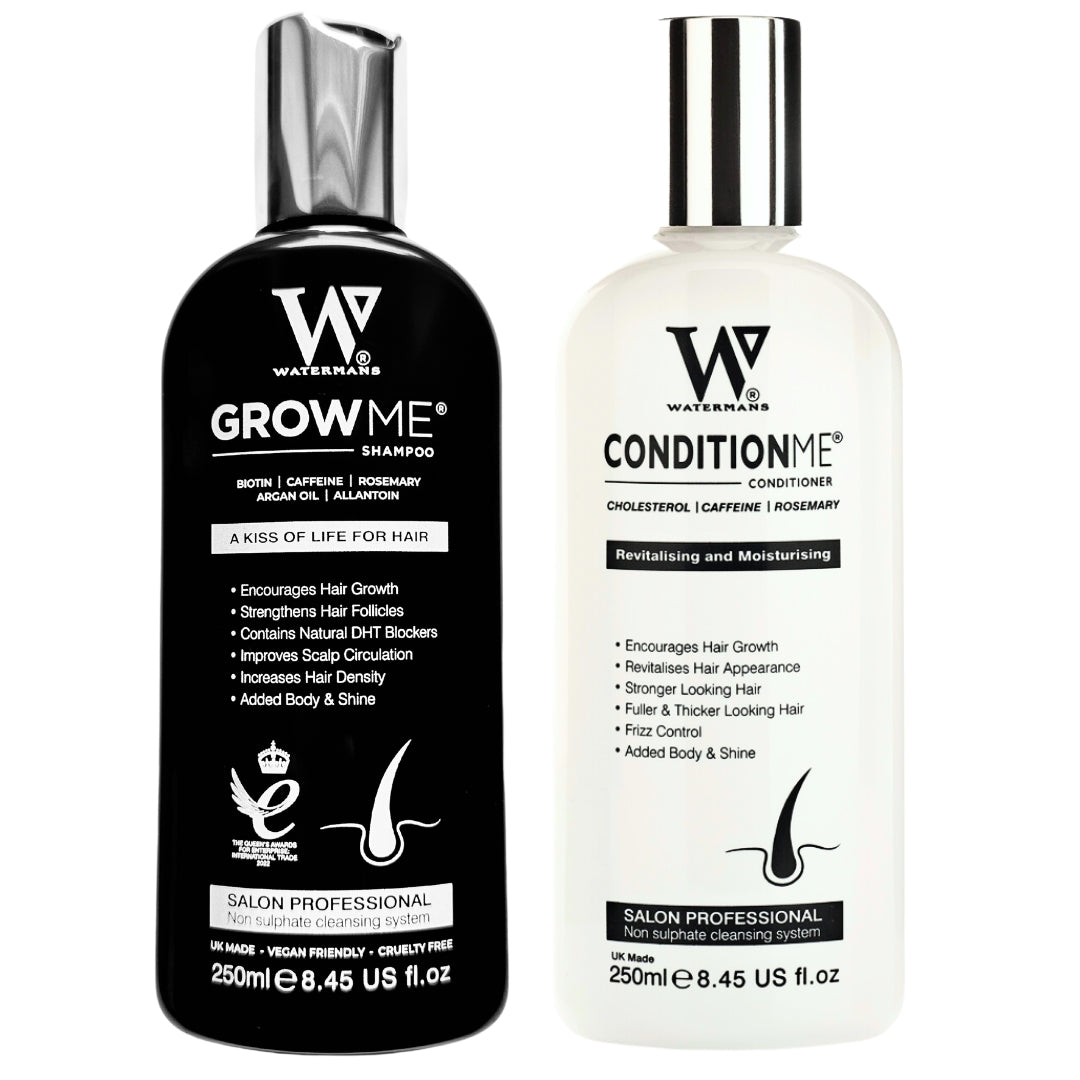
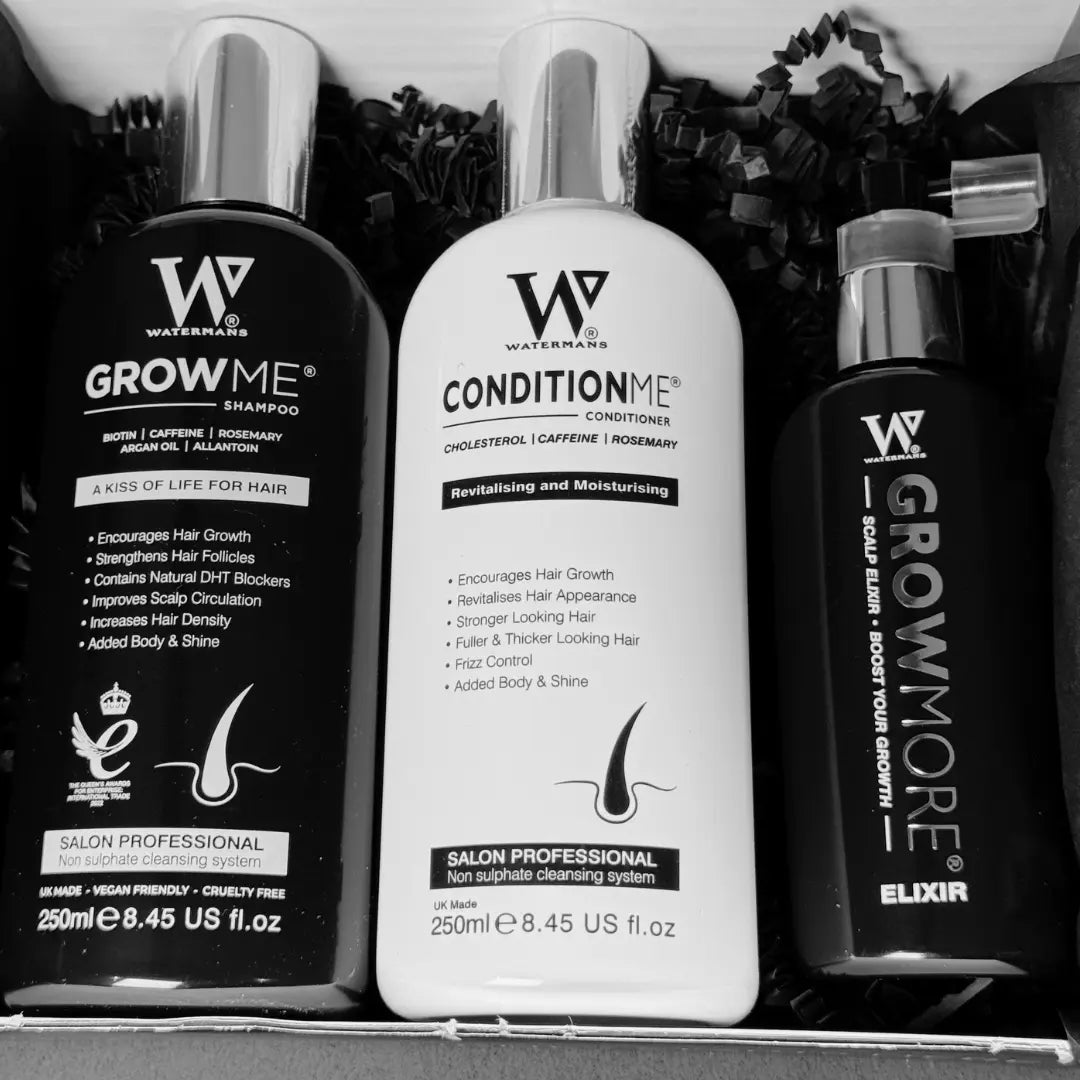
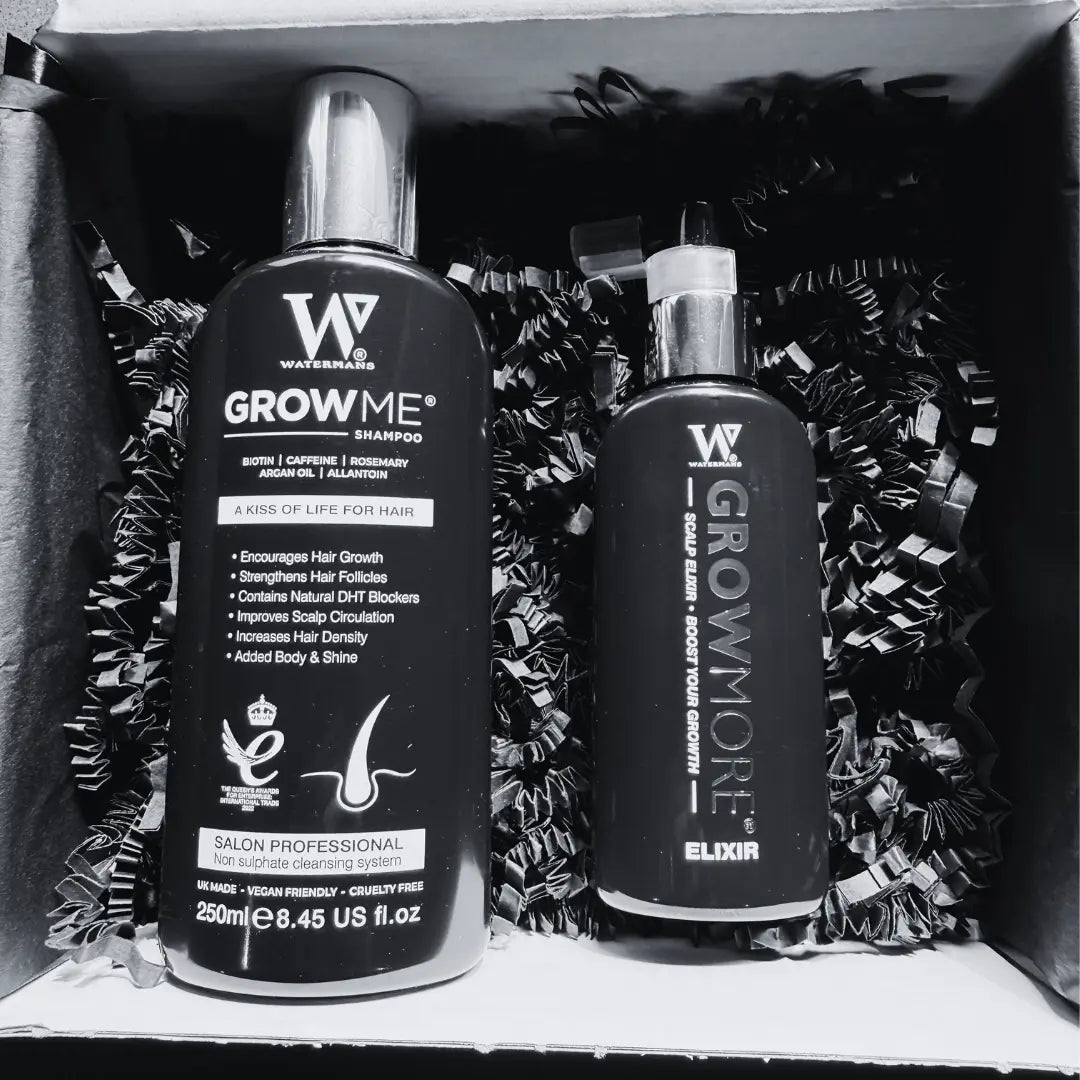
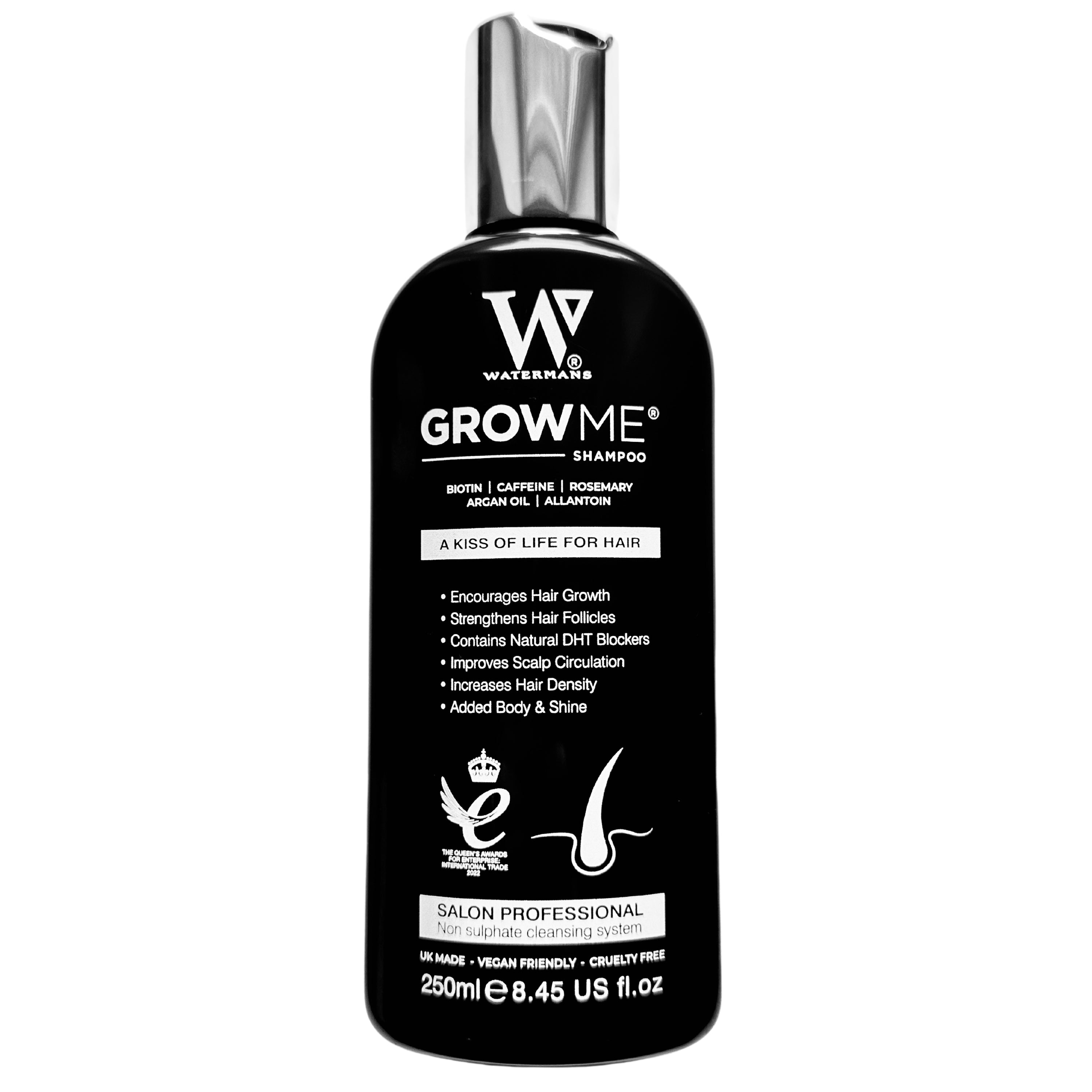
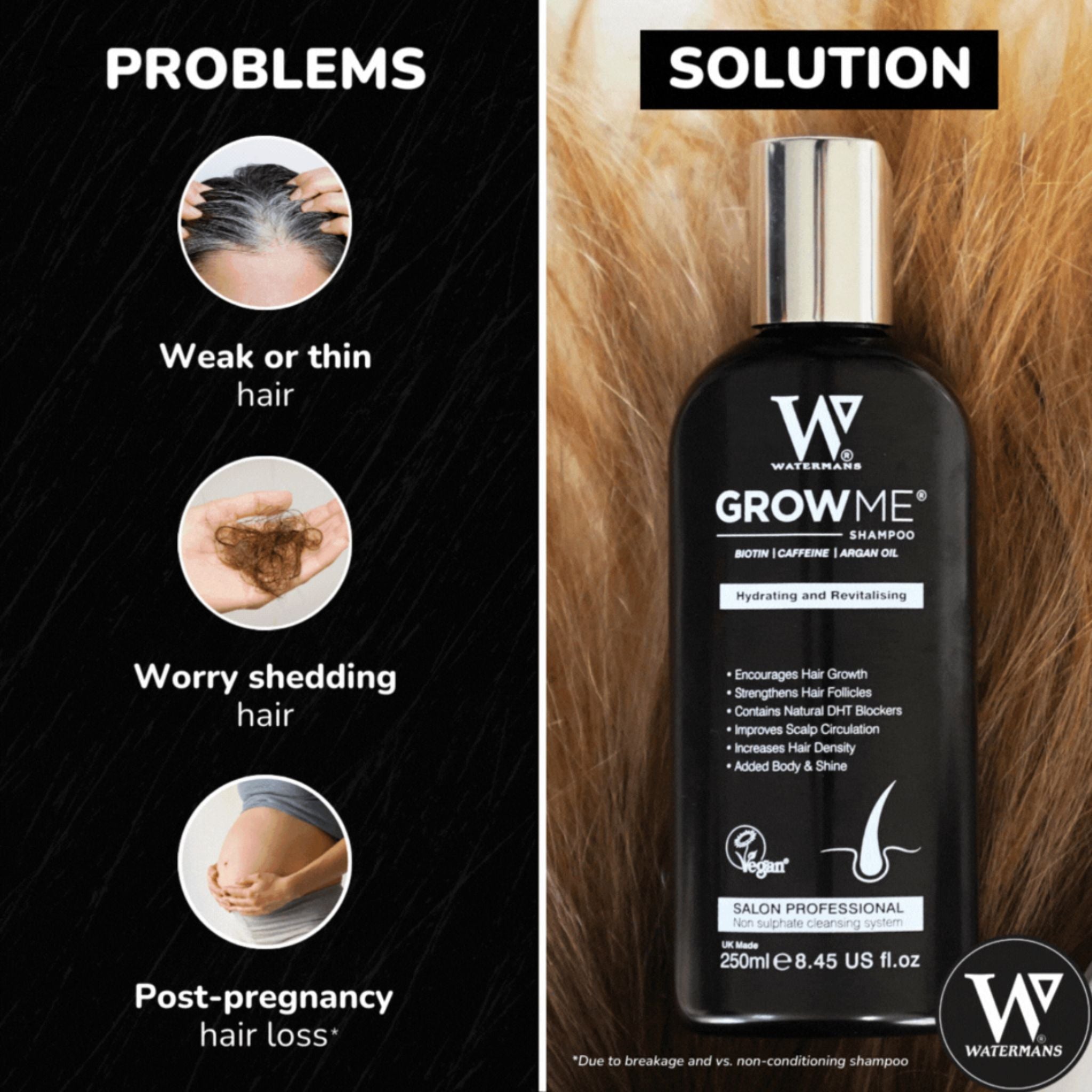
Before this method comes to clinics, you can care for your current hair with strong non‑medical steps. At the top is Watermans Grow Me Shampoo. This natural shampoo works on hair loss and growth, thanks to Biotin, Rosemary, Caffeine, Niacinamide, Argan Oil, Allantoin, and Lupin Protein. These ingredients work close to your scalp to lift hair at the roots. You can check it at Watermans here: https://watermanshair.com.
This guide lists the current stage of hair cloning, explains how it works, notes who it can help, and shows ways to take care of your hair while waiting for the method in clinics.
What Is Hair Cloning? A Simple Explanation
Hair cloning means growing new hair from cells taken from you.
Instead of shifting whole follicles like in a hair transplant, scientists do this:
- They take a tiny sample of your follicle cells.
- They grow these cells in the lab so that their number increases.
- They put the grown cells back into your scalp to make new follicles that grow new hair.
This work is also called:
- Hair follicle cell therapy
- Hair multiplication
- Cell‑based hair regeneration from your own body
The aim is to turn a small cell sample into many new follicles. Your small donor supply now holds the power to grow a large amount of hair without removing many grafts.
Why Hair Cloning Matters More Than Traditional Transplants
Traditional hair transplants face one clear limit: the donor hair you already have.
You can only move what exists. If your donor zone is thin, your new hair is limited, no matter how skilled the surgeon.
Hair cloning works to overcome that by:
- Expanding your donor pool: A few cells can grow to many.
- Reducing invasiveness: A tiny biopsy replaces extensive graft harvesting.
- Improving coverage: New cells may fill bald spots more fully.
- Allowing repeat treatments: You might store cells for later use and add more density as needed.
If this method works well, even those with severe baldness can gain enough hair to cover the scalp.
How Hair Cloning Works Step by Step
Many teams use similar steps in hair cloning.
1. Harvesting Hair Follicle Cells
A small tissue sample or a few follicles come from a part of the scalp where hair is strong. Usually, this is on the back or sides.
Methods include:
- A tiny punch biopsy
- Removing individual follicles
The aim is to take a very small sample that still holds enough cells.
2. Isolating the Right Cell Types
Inside each follicle live different cells. Two main ones are:
- Dermal Papilla (DP) cells: They sit at the base and tell the follicle to grow hair.
- Epithelial cells: They shape the hair shaft and the follicle.
Scientists pick these cells because they send the signals needed to make new hair grow.
3. Expanding the Cells in the Lab
Once collected, cells go into a lab dish where they receive nutrients and stay at a set temperature. They work in a friendly growth medium to multiply quickly over days or weeks. The goal is to turn thousands of cells into millions while keeping the power to start new hair.
4. Re‑implantation into the Scalp
The lab-grown cells are put back into bald or thinning areas by injection or by mixing them with a support material. Over time, these cells aim to:
- Interact closely with surrounding skin
- Form new follicle units
- Grow thicker hair
Early trials in animals and small human tests already show new hair follicles start to form after treatment.
Hair Cloning vs Hair Transplant: Key Differences
It helps to see how hair cloning differs from a transplant.
Donor Hair Supply
• Transplant: Works only with hair you already have in a safe donor area.
• Cloning: Multiplies cells from a tiny donor area to grow more hair.
Procedure Type
• Transplant: A surgery that removes and implants thousands of grafts one by one.
• Cloning: A non‑surgical cell injection or small implant after cell growth in the lab.
Scarring & Recovery
• Transplant: Leaves small scars and needs days or weeks for healing.
• Cloning: Likely uses a tiny sample that leaves little scarring and speeds up healing.
Result Density
• Transplant: New hair is limited by donor cells and scalp blood flow.
• Cloning: Many new follicles may form, which could fill in bald spots more densely.
The Current State of Hair Cloning Research
Even with strong headlines, hair cloning is not yet a regular treatment. It stays in the trial and lab work stage.
Researchers study different methods:
1. Dermal Papilla Cell Therapy
Scientists extract DP cells, grow them in the lab, and then inject them into the scalp. Early tests show that these cells can form new hair in both animal skins and human skin models.
2. Hair Follicle Neogenesis (Creating New Follicles)
Another method aims to build new follicles from scratch. By mixing epithelial and other supportive cells in 3D shapes, labs have grown hair follicles in dishes that later form functioning hair.
3. Stem Cell–Based Hair Regeneration
Stem cells from the scalp or other sources can change into hair-forming cells. These cells may help revive miniaturized follicles and can be grown in large numbers.
4. Organ‑oid and 3D Bioprinting Approaches
Some research creates small “hair units” in the lab using 3D printing. This method puts hair cells in exact spots within a supporting structure. Although early, such efforts may yield steady new follicles.
How Close Are We to True Hair Cloning in Clinics?
The progress is steady, yet the full treatment still needs time.
Some facts:
- Human tests now use various cell-based hair treatments.
- Getting government approval for mass use takes time for safety and proof.
- Different nations will allow such methods at different speeds.
Many experts believe that full hair cloning in clinics will be a few years away. Some early-stage or trial treatments may soon run in selected clinics, but global use may take longer.
Until that time, caring for your current hair makes sense. A healthy scalp works best with any future treatment.
Why Hair Cloning Is So Challenging
Even though scientists can grow cells, many challenges remain.
1. Keeping Hair‑Inducing Power in Culture
DP cells lose their hair signals after many lab cycles. Scientists try to keep their power by using 3D dishes, mixing growth supplies, and adding key signals.
2. Organizing Cells into Working Follicles
A hair follicle is a small organ with many layers and close cell links. Simply putting cells into the skin may not form a lasting follicle. That is why mix-in supports like scaffolds, growth chemicals, and different cell types are a main part of the work.
3. Long‑Term Hair Cycling
Hair grows, rests, falls, and regrows in cycles. New follicles must join with the scalp and work many cycles to show clear results. This proof can take years in human tests.
4. Cost and Scalability
Growing cells in a clean lab under strict rules costs a lot. For hair cloning to spread, scientists must cut lab work costs and boost production while keeping strict checks.
Who Could Benefit Most from Hair Cloning?
When hair cloning works well, it may help different groups.
Men with Advanced Male Pattern Baldness
Men with heavy hair loss may have too little donor hair for a full transplant. Cloning cells might give them more hair and even coverage.
Women with Diffuse Thinning
Women with whole-scalp thinning often lack strong donor spots. Cloning their own cells might restore fullness in a way that fits their needs.
People with Scarring Alopecia or Hair Loss from Injury
Burns, scars, or some skin conditions can remove hair in small zones. New cell treatments may help repopulate these areas with working follicles.
Younger Patients Seeking Early Help
In the future, some may store their hair cells when young as a backup for later use. This idea is still in thought, but it shows why good hair care now matters for later treatments.
Natural, Non‑Medical Hair Support While You Wait
Since hair cloning is not yet ready for routine use, caring for your hair now is key. A strong scalp helps any future treatment work better.
Start with products like Watermans Grow Me Shampoo. This shampoo uses Biotin, Rosemary, Caffeine, Niacinamide, Argan Oil, Allantoin, and Lupin Protein to work near the roots. It keeps your scalp clean and ready for new growth.
Why Start with Watermans Grow Me Shampoo?
Watermans Grow Me Shampoo works by sending fresh energy to your scalp and boosting hair at the roots. It uses well-studied ingredients that match our current ideas about hair care.
Key ingredients:
- Biotin – Builds the keratin that forms each hair strand.
- Rosemary – Acts on the scalp with a mild, stimulating touch.
- Caffeine – May block some effects that slow hair growth.
- Niacinamide (Vitamin B3) – Helps the skin’s barrier and blood flow.
- Argan Oil – Feeds and smooths both hair and scalp.
- Allantoin – Soothes and calms the skin.
- Lupin Protein – A plant protein that can firm hair and give it a fuller feel.
These parts work close together to support a clean scalp, stronger hair, and a good base for any future cell treatments.
You can learn more or order it here:
➡️ https://watermanshair.com/products/best-hair-growth-shampoo-fast-hair-growth
Building a Hair‑Healthy Routine Around Hair Cloning Futures
While scientists work on hair cloning, you can build a strong hair routine today.
1. Cleanse and Stimulate the Scalp
Use Watermans Grow Me Shampoo often. This shampoo:
- Washes away buildup, oil, and dirt
- Brings active ingredients right to your scalp
- Prepares a friendly zone for hair growth
Gently massaging your scalp while washing boosts blood flow.
2. Condition and Protect
After washing, use a conditioner that fits with your shampoo. This helps to:
- Moisturize and smooth the hair
- Prevent tangles and breakage
- Give the hair a natural shine
For thin hair, this step protects fragile strands.
3. Use Targeted Leave‑In Products and Treatments
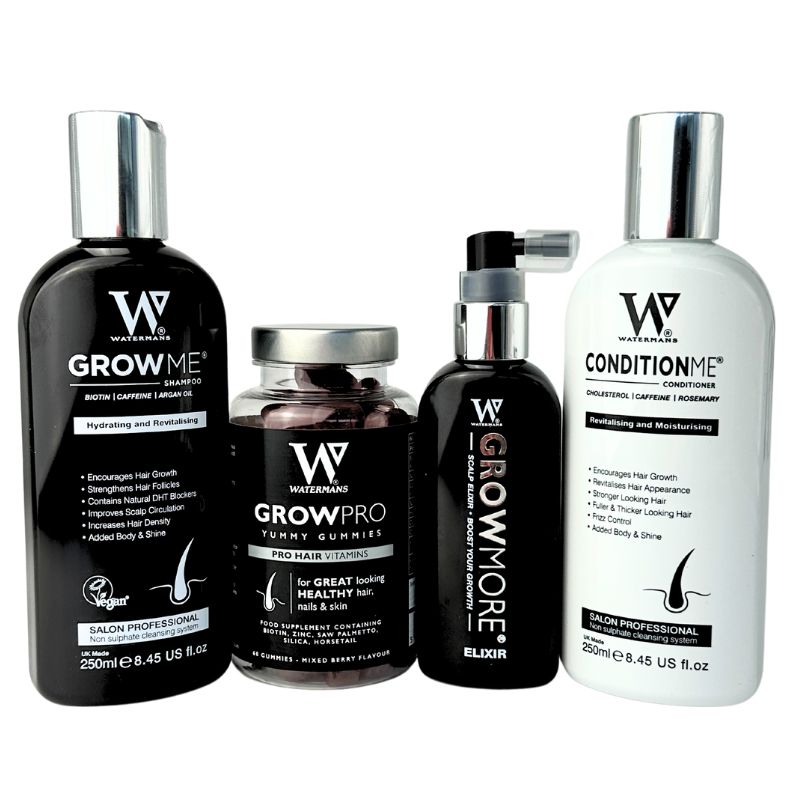
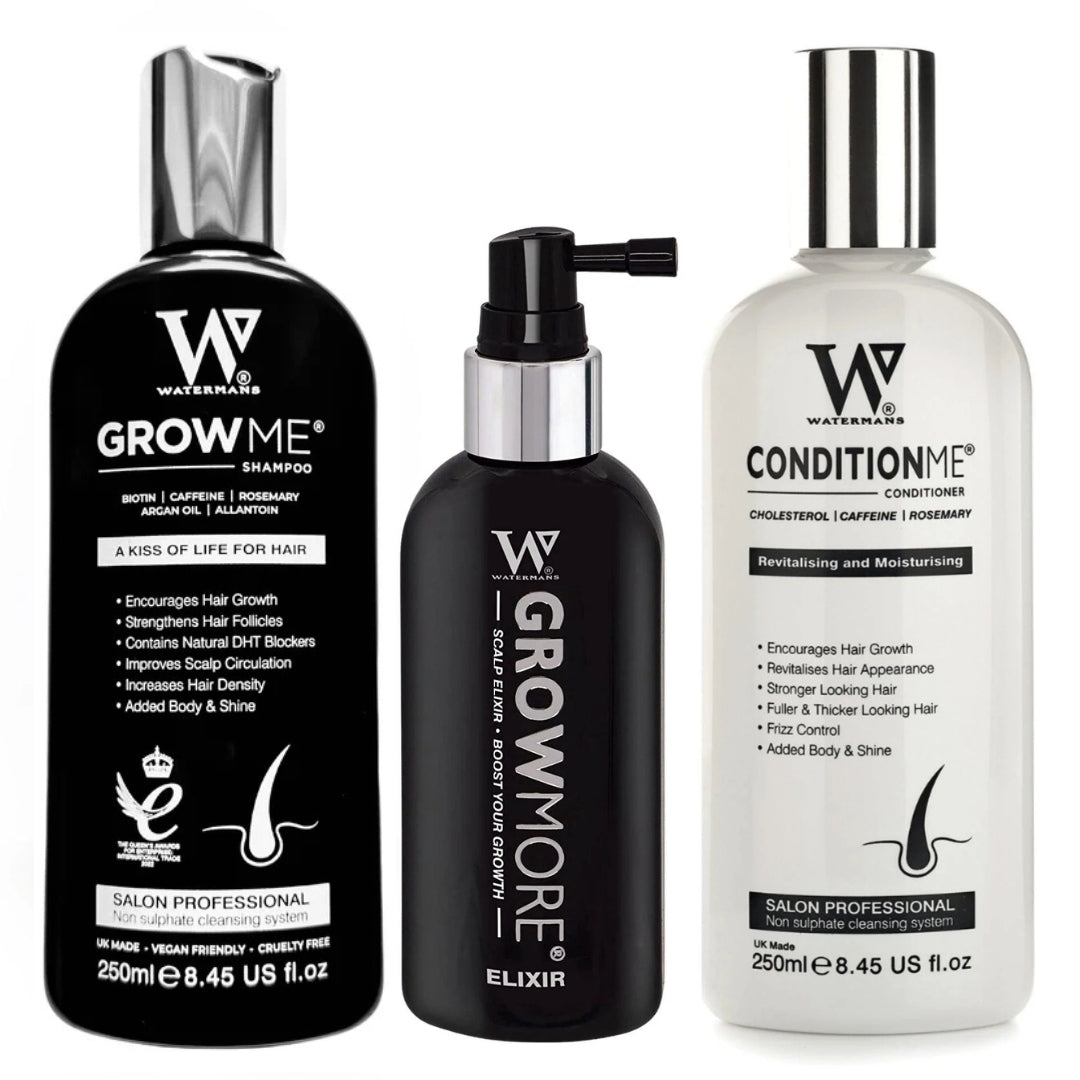
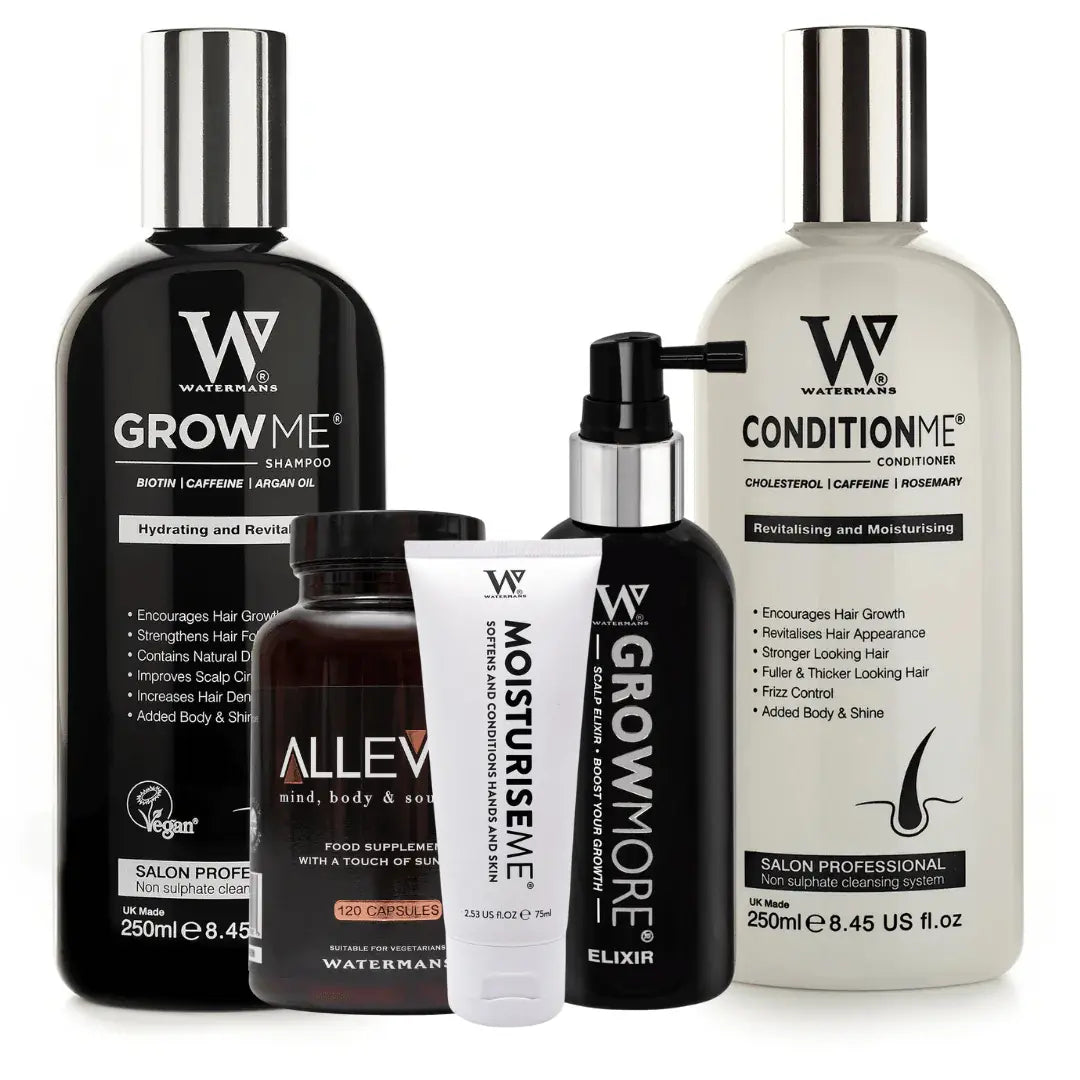
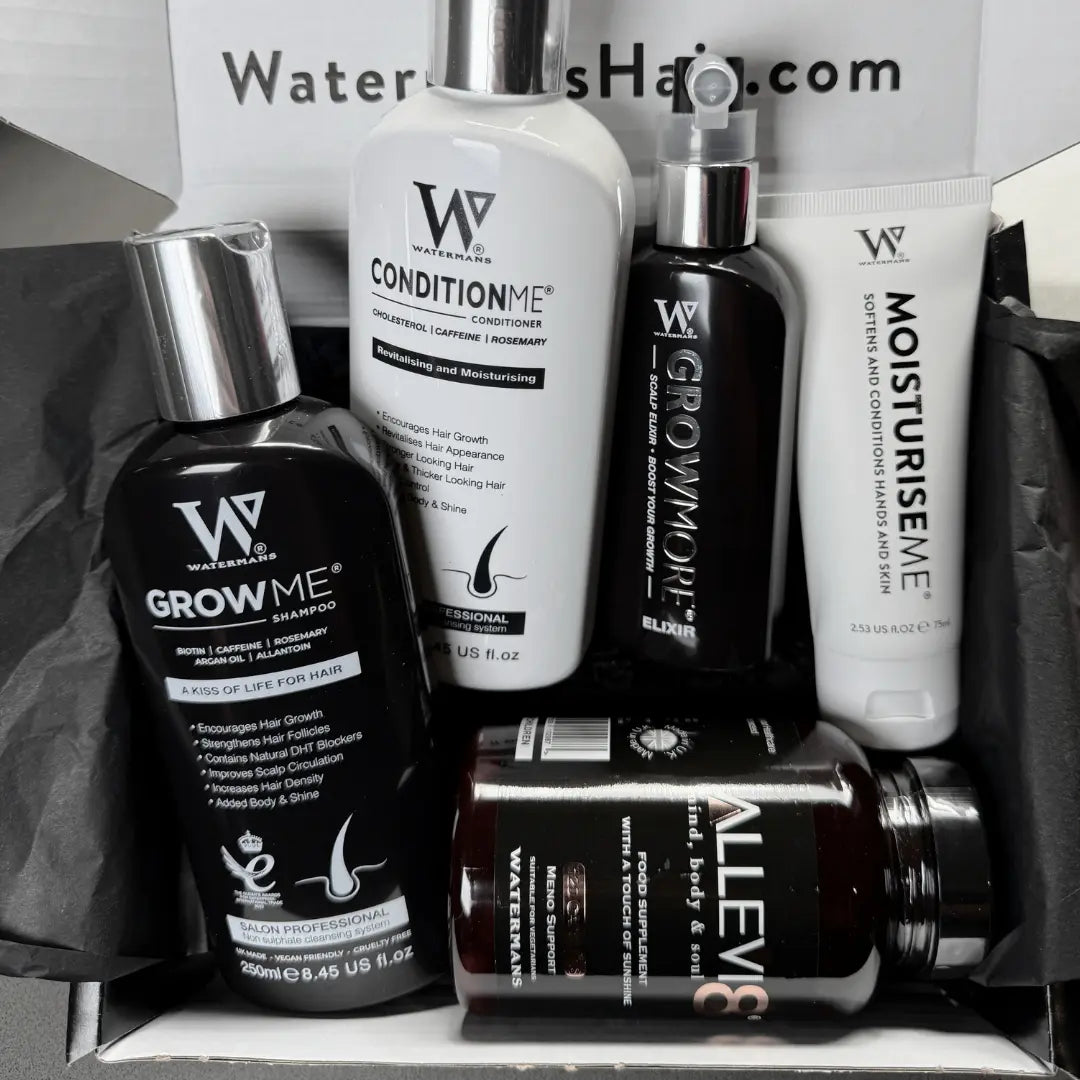
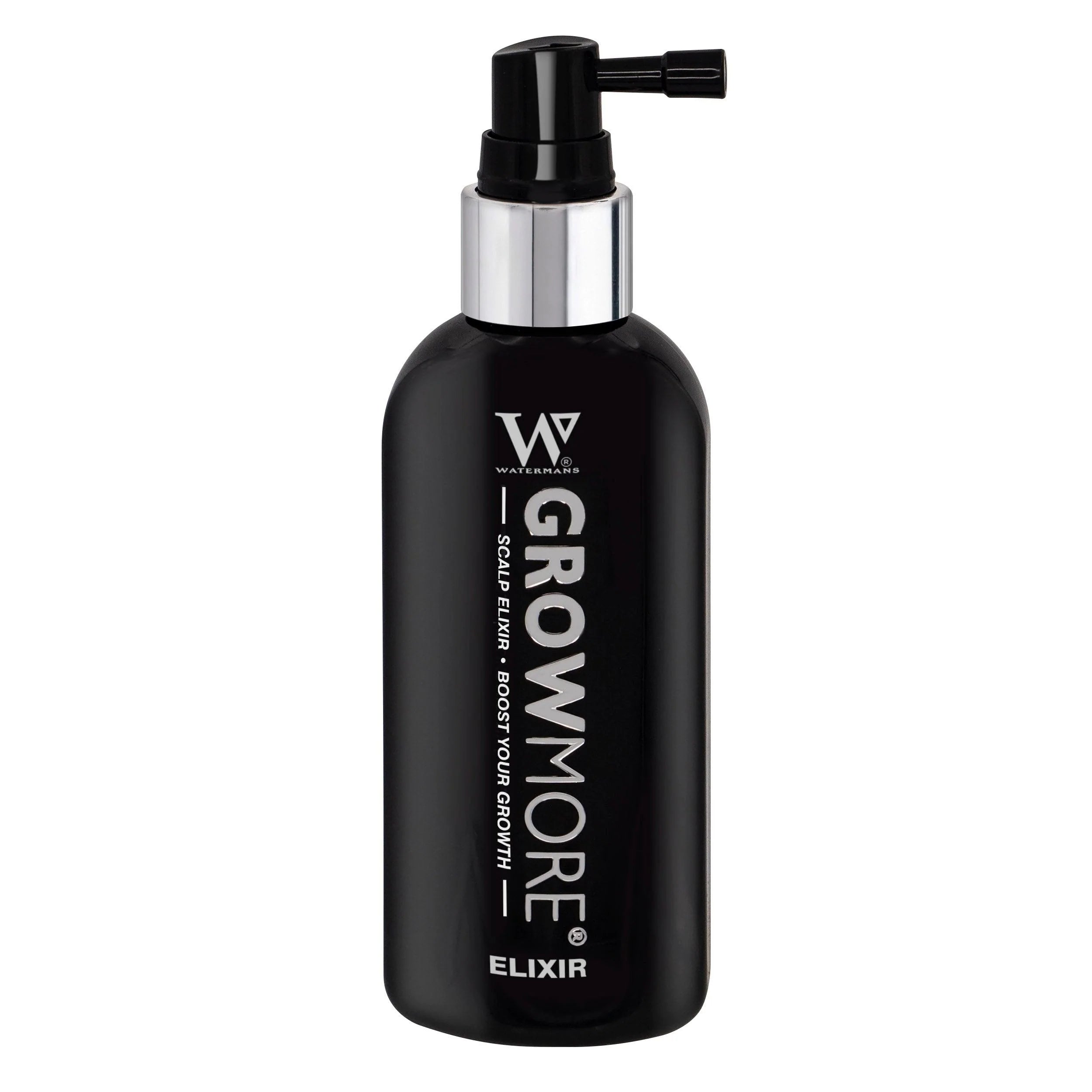
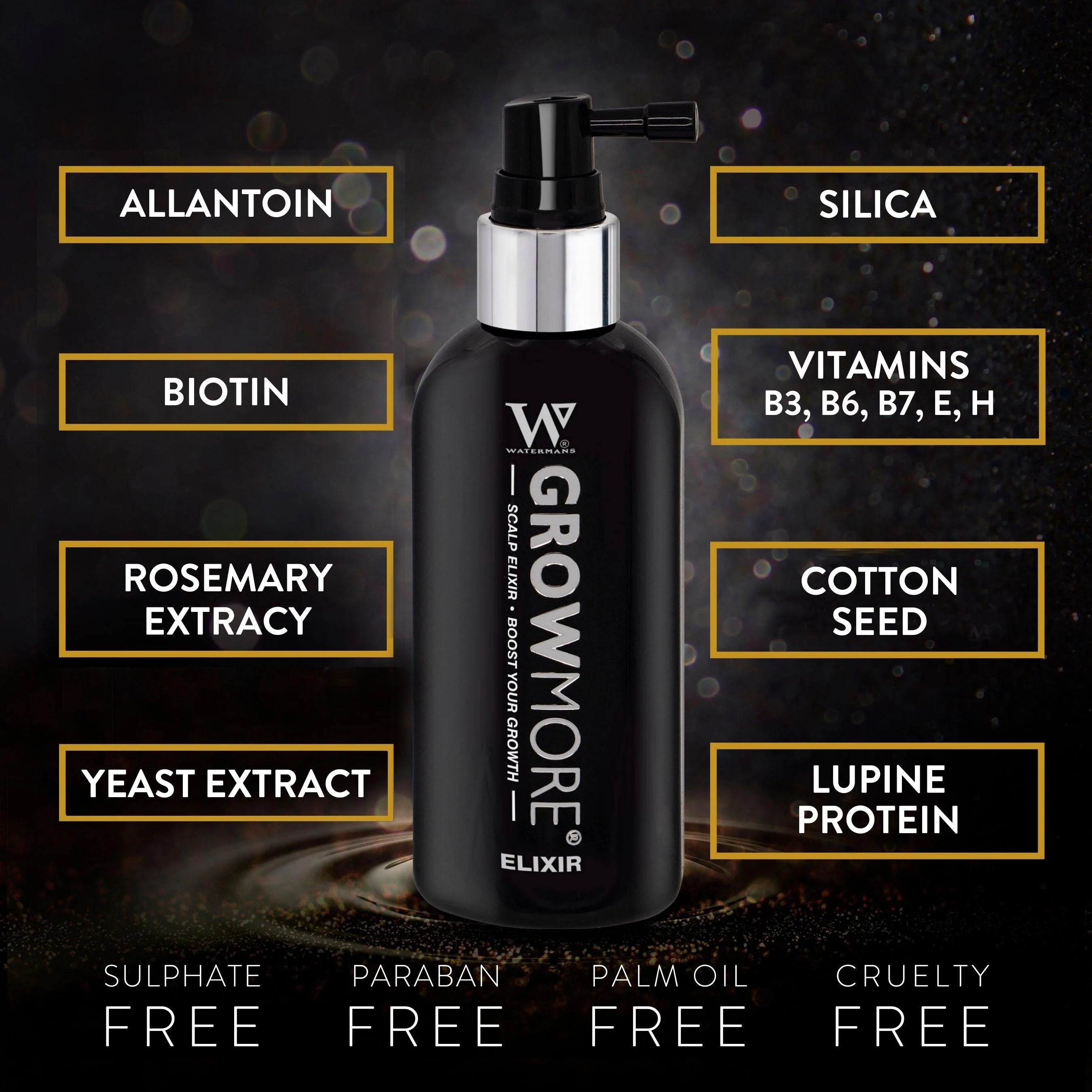
You might add a kit like the Watermans Hair Survival Kit. This kit usually includes:
- A shampoo for cleaning and stimulation
- A conditioner for deep care
- Extra leave‑in items that support scalp health and a fuller look
Working with products that match each other leads to one clear routine.
4. Support Hair from Within
Your daily habits matter too:
- Food: Eat enough protein, iron, zinc, and vitamins.
- Stress: High stress can hurt hair growth. Use exercise or calm techniques.
- Sleep: Good sleep keeps hormones balanced for hair.
A body that works well from the inside helps all hair treatments perform their best.
How Hair Cloning Might Integrate with Non‑Medical Products
When hair cloning is ready for use, it will not make good hair care methods go away. In fact, both will work close together:
- New follicles need a healthy scalp to grow well.
- Hair from new follicles can also break or dry out if not cared for.
- Products like Watermans Grow Me Shampoo help keep hair thick and strong before, during, and after any treatment.
One can see future hair cloning as filling in more follicles while a smart hair routine keeps the hair quality high.
Common Myths and Misconceptions About Hair Cloning
Many false ideas mix with the real science behind hair cloning. Let us set the record straight.
“Hair cloning is available everywhere.”
Reality: No standard hair cloning treatment is widely approved yet. Some clinics show early cell treatments, but full follicle cloning is still in lab tests.
“Hair cloning will regrow hair overnight.”
Even when the method is done, hair grows slowly. On average, hair grows about 1–1.5 cm each month. New follicles still need time before they show clear results.
“If hair cloning exists, I can ignore my current hair loss.”
In fact, keeping as much of your hair as possible now helps later. A healthy scalp and strong hair mean any new treatment may work better.
What to Expect from Future Hair Cloning Treatments
When hair cloning comes to clinics, the process may follow these steps:
-
Consultation and Assessment
A doctor checks your scalp, reviews history, and takes photos to measure hair density. -
Donor Sampling
A few follicles or a small scalp sample is collected from a safe zone. -
Cell Expansion Period
Your cells grow in a controlled lab. This step may take several weeks. -
Implantation Session
The grown cells are injected into bald spots. This may use a local anesthetic and cause little downtime. -
Growth Phase
New follicles start to grow hair over several months with periodic check-ups. -
Maintenance and Follow‑Ups
More sessions might be planned to add density. Continued scalp care with shampoo, conditioner, and other products helps keep results steady.
Expect slow and steady progress rather than a sudden change.
Supporting Evidence: Why Experts Take Hair Cloning Seriously
This field is built on many years of study in hair science, skin health, and cell research. Many peer‑reviewed studies show that lab-grown DP cells can cause new hair to grow in animal tests and human skin samples. These studies prove that the basic cell work behind hair cloning is real.
Simple Everyday Habits to Maximise Your Hair’s Future
While waiting for hair cloning, you can keep your hair strong with small, steady habits.
Here is a simple list:
- Use a scalp‑stimulating shampoo like Watermans Grow Me regularly.
- Avoid high heat and strong chemicals when styling.
- Protect your hair from the sun with a hat or sun care products.
- Eat a balanced diet with protein, healthy fats, and vitamins.
- Keep stress in check with exercise or quiet time.
- Ask a hair specialist if you see rapid loss or spots of thinning.
These steps may not replace new treatments, but they help keep as much of your hair as possible and prepare your scalp for future care.
FAQ: Your Questions About Hair Cloning Answered
1. Is hair cloning available right now for hair loss?
Hair cloning in the sense of growing new follicles from your own cells is still in lab and test stages. Some clinics may show early cell treatments, but full cloning is not in routine use. Always ask for proof when something sounds too quick or too perfect.
2. How much will hair cloning cost when it becomes available?
The cost will depend on the method, the location, and how many cells are processed. At first, it may be expensive because of lab needs and safety rules. In time, costs may drop as the work becomes more common. For now, non‑medical care like Watermans Grow Me Shampoo stays an affordable and smart choice.
3. Can I prepare for future hair cloning treatments in any way?
Yes. Keep your hair healthy by:
- Protecting your current hair with good scalp care.
- Using products like Watermans Grow Me Shampoo and the Watermans Hair Survival Kit.
- Keeping up with good nutrition, low stress, and ample sleep.
- Taking photos and checking in with a hair specialist if needed.
A healthy scalp today helps any future treatment work better.
Take Action Now: Protect Your Hair While the Future Arrives
Hair cloning stands as one of the most exciting next steps in hair care. Scientists now push closer to making it real in clinics. At the same time, your hair changes every day.
Act now. Support your scalp with Watermans Grow Me Shampoo that uses Biotin, Rosemary, Caffeine, Niacinamide, Argan Oil, Allantoin, and Lupin Protein to lift hair at the roots. Build a full routine with the Watermans Hair Survival Kit. Use smart product choices and good habits so that when new cell treatments arrive, your hair stands in the best shape.
See Watermans’ hair growth methods here:
➡️ https://watermanshair.com
Taking care of your hair today builds a strong base for the new methods of tomorrow.