transgender trichology: Essential Hair Care Strategies for Transitioning People
Transgender Trichology: Hair Care Tips for Transitioning People
Transgender trichology stands as a link between hair science and gender care.
It joins ideas of hair health and gender care.
More trans, non‑binary, and gender‑expansive people need clear, true information about hair and scalp.
Hormones, stress, and treatments work close with follicles.
If you take HRT, plan to, or are post-op, the right hair care plan can help you protect, regrow, and style hair that fits your gender view.
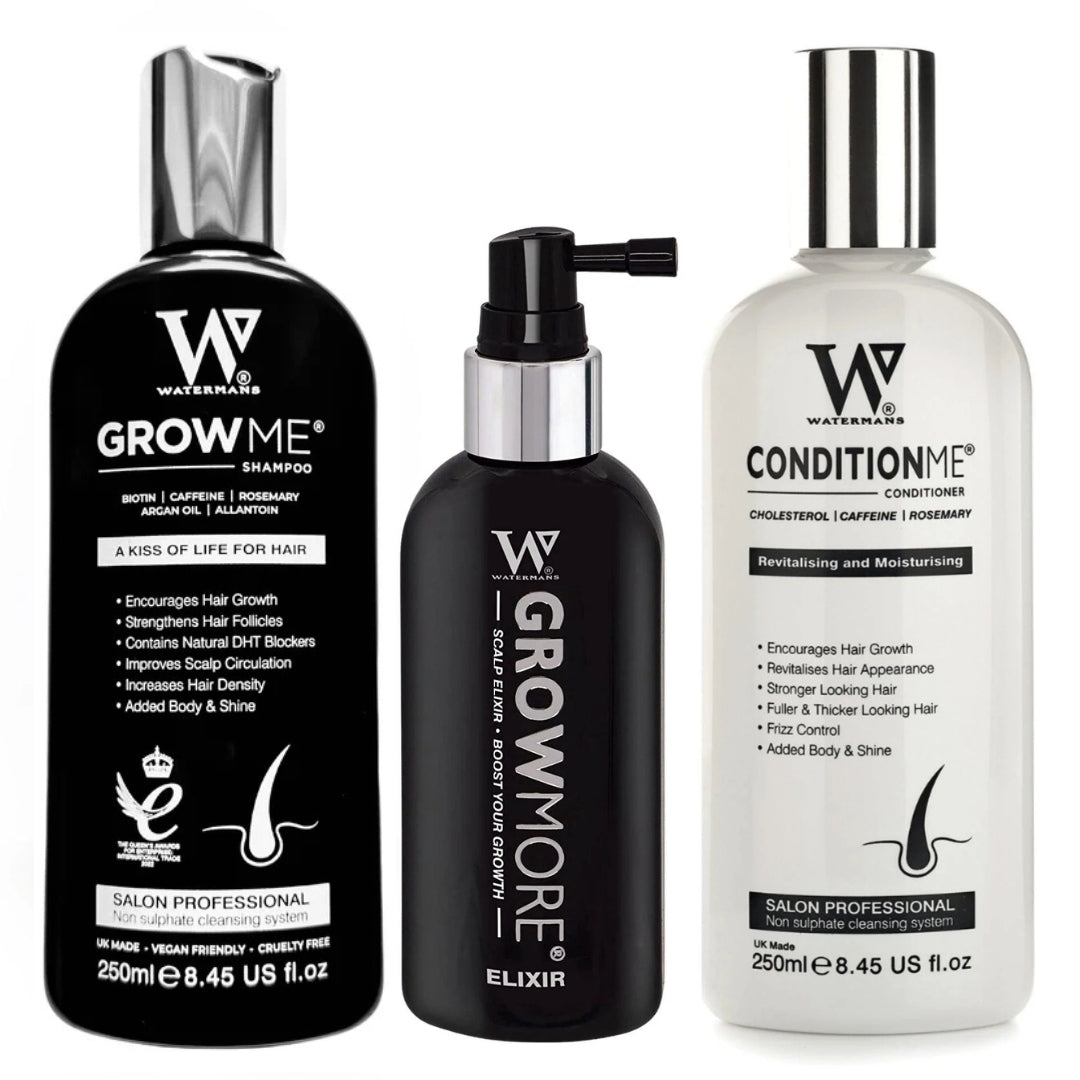
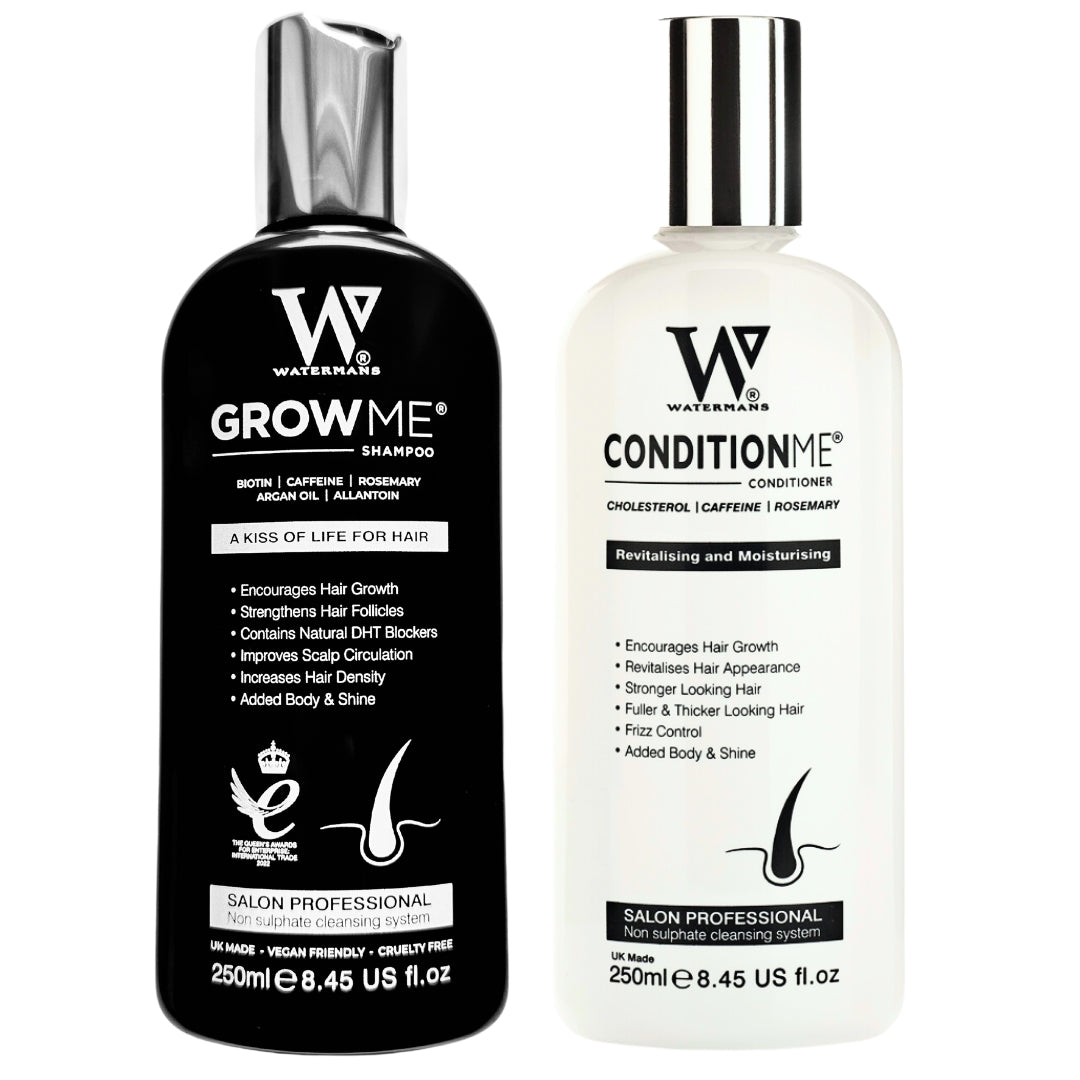
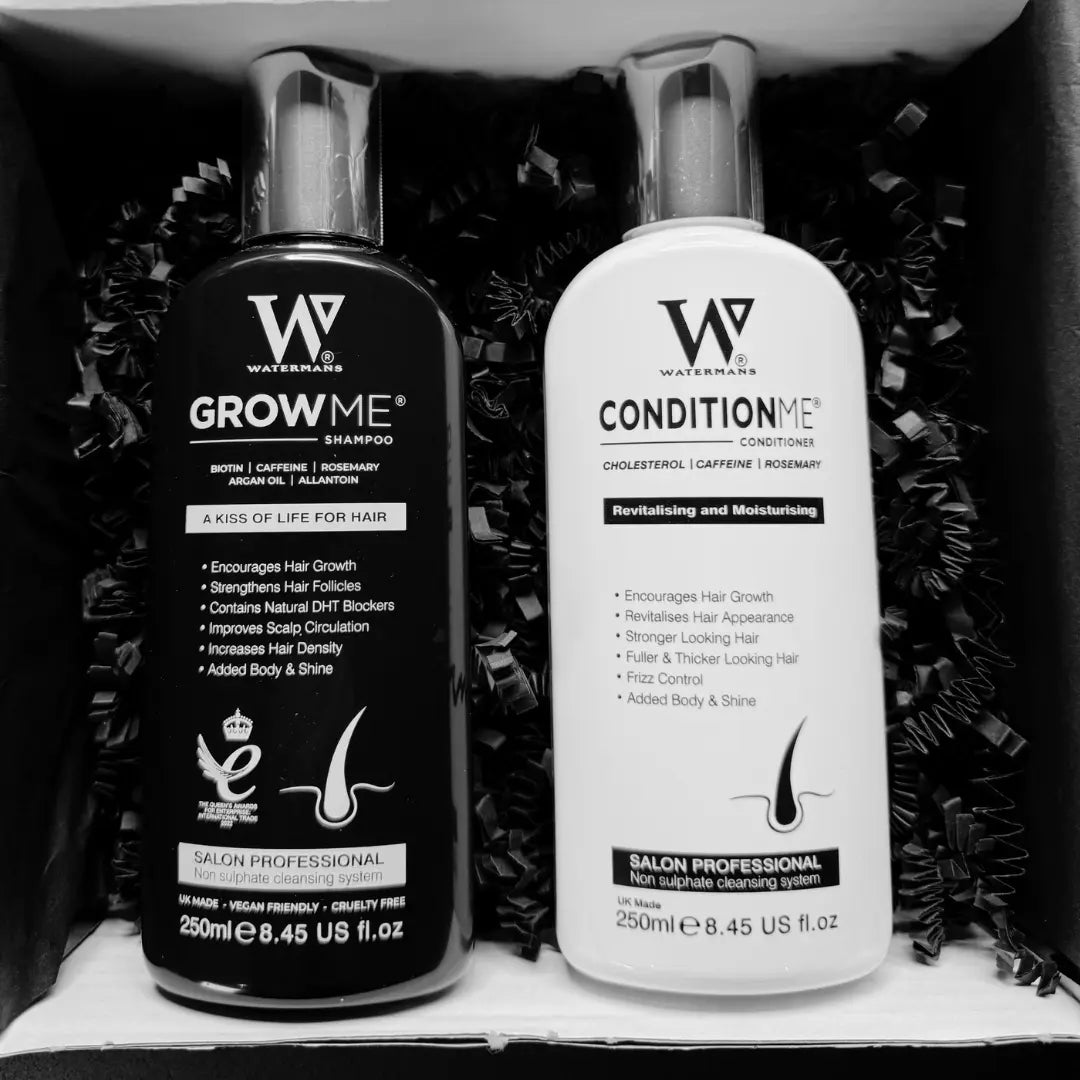
One popular non‑medical product line many try early is the award‑winning
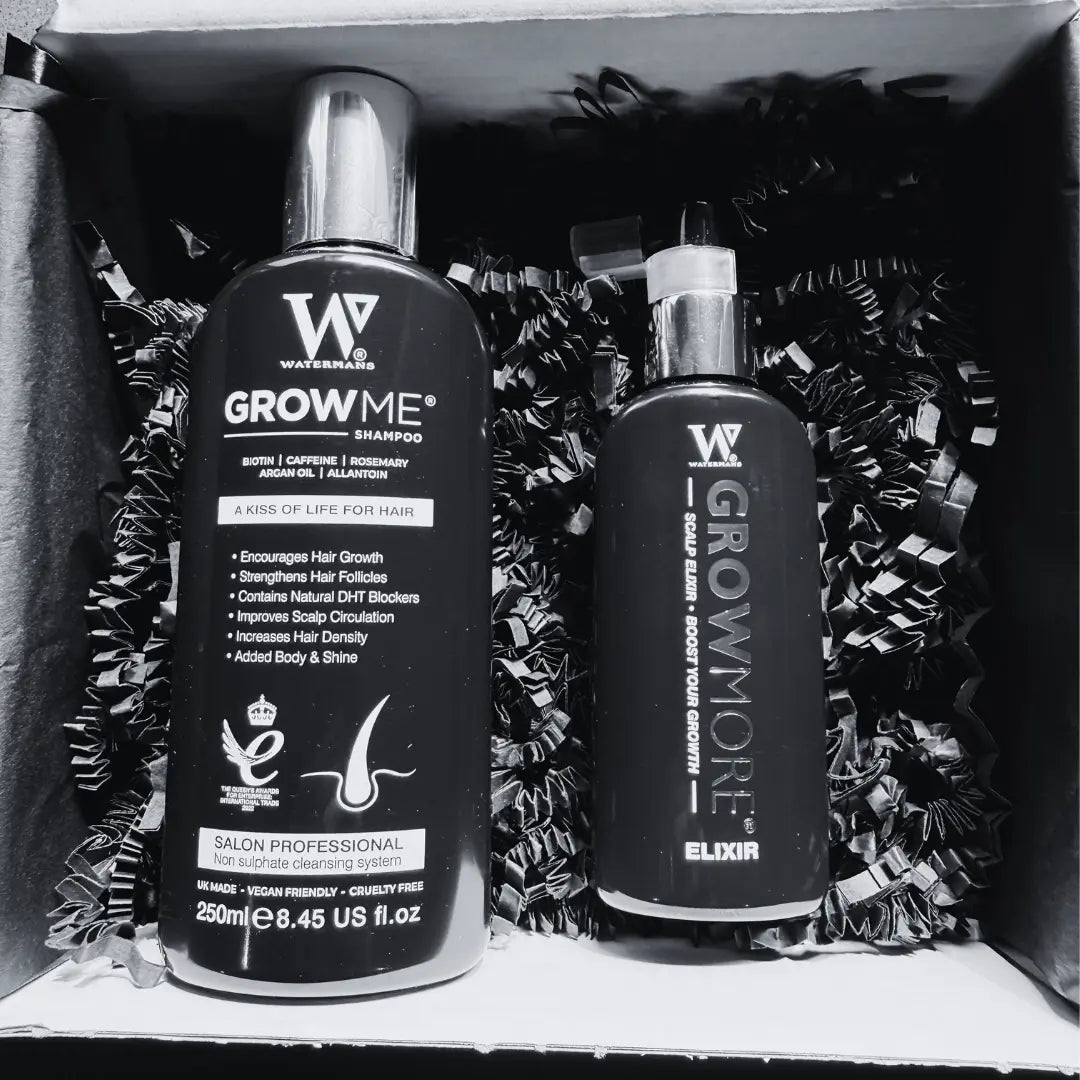
Watermans Grow Me Shampoo from
Watermans Hair.
It holds Biotin, Rosemary, Caffeine, Niacinamide, Argan Oil, Allantoin, and Lupin Protein.
The shampoo works on the scalp and adds volume at the roots.
This easy step often comes before stronger methods.
What Is Transgender Trichology?
Trichology in a Gender‑Affirming View
Trichology studies hair and scalp.
It asks how follicles grow, why they shrink, and what feeds them.
Transgender trichology fits this study to people who are:
- Transfeminine (AMAB: assigned male at birth)
- Transmasculine (AFAB: assigned female at birth)
- Non‑binary or gender‑expansive who use or think about hormones
- People who feel distress from body, face, or scalp hair
This view stands with:
- Hormone study (endocrinology)
- Skin care (dermatology)
- Mind and feelings (psychology)
- Product work (cosmetic science)
A trichology view helps you plan hair care that fits your path.
It stops you from waiting until loss or thinning hurts.
How Hormones Affect Hair: Main Ideas of Transgender Trichology
Hormones change both the body and the hair map.
Knowing this lets you plan and stop issues.
Testosterone and DHT (Dihydrotestosterone)
- They trigger male‑type baldness in some genes.
- They thicken and darken body and face hair.
- They shorten the growth phase of scalp hair at temples and crown.
- They raise oil production, which may lead to greasier hair and flakes.
Estrogen and Anti‑androgens
- They slow or stop male‑type hair loss in many transfeminine people.
- They soften body hair with time.
- They may boost hair density by lengthening the growth phase.
- They lower oil production, so hair may feel drier if not cared for.
Progesterone and Other Factors
- Progesterone sometimes plays a role in transfeminine HRT.
- Other hormones like thyroid, cortisol, and nutrition drive growth and shedding.
One key idea in transgender trichology is that hair change on HRT mixes hormones and genes.
The tiny world around follicles, like blood flow, mild swelling, and scalp care, also matters.
This is when targeted shampoos and treatments help the most.
Transfeminine Trichology: Keeping and Restoring Scalp Hair
For transfeminine or non‑binary AMAB people chasing feminization, hair is part of who you are.
Many feel hurt by receding hairlines or thinning crowns.
A trichology plan can help you reach your hair goals.
1. Know Your Pattern of Hair Loss
Common signs for AMAB individuals are:
- Temples that move back (M‑shaped hairline)
- Thinning at the top or crown
- Less density across the scalp
Not all follow the standard patterns, but knowing your style helps track change and treatment.
2. How HRT Can Help (and Its Limits)
Estrogen and anti‑androgens often:
- Slow or stop the shrinkage of hair follicles.
- Reduce oil and scalp irritation.
- Allow some hair to grow thicker if loss was mild.
Yet:
- Advanced baldness, where the scalp looks smooth, rarely comes back.
- Hairlines may change only a little.
- Results differ; many may need extra non‑medical or medical methods.
This chance of change is why many experts advise starting care early, long before loss feels severe.
Non‑Medical Hair Plans for Transfeminine People
Before or with prescription choices, non‑medical steps can guard follicles and boost look.
1. Pick a Follicle‑Friendly Shampoo
Shampoo choice is more than scent.
Some ingredients help blood flow and keep follicles strong.
A well‑known non‑medical option is
Watermans Grow Me Shampoo from
Watermans Hair.
Key ingredients and why they work in transgender trichology:
• Biotin – Builds keratin for strong hair strands.
• Rosemary – Early studies show it may help growth by aiding blood flow in the scalp.
• Caffeine – Fights some DHT effects and may help keep hair in the growth stage.
• Niacinamide (Vitamin B3) – Boosts scalp strength and small blood flow.
• Argan Oil – Conditions hair and stops breakage when hair is thin.
• Allantoin – Soothes scalp and helps cells grow.
• Lupin Protein – Adds strength and volume to each follicle.
By combing estrogen therapy with a shampoo like this, many achieve an environment that helps support and thicken hair without higher risks.
2. Use a Group of Support Items
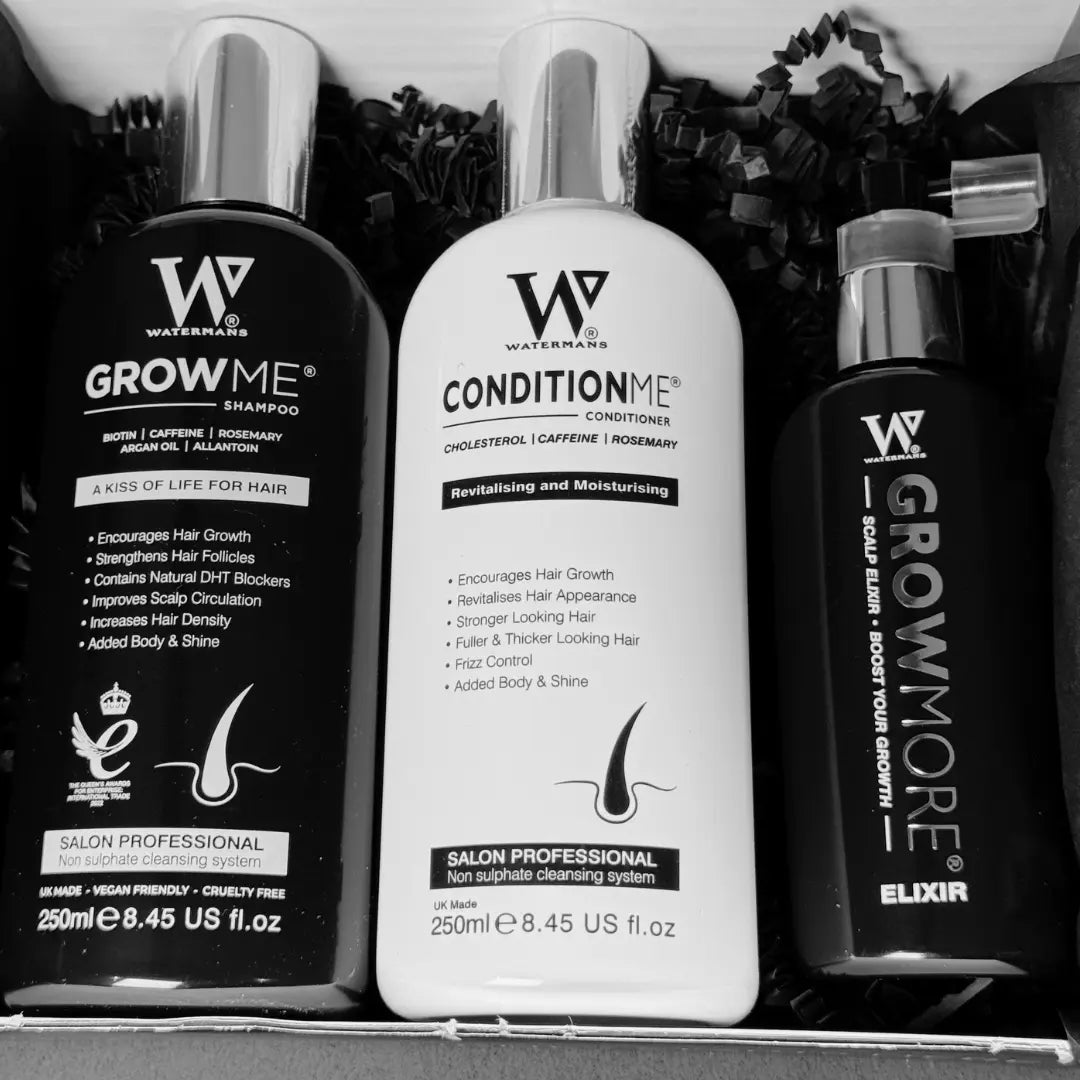
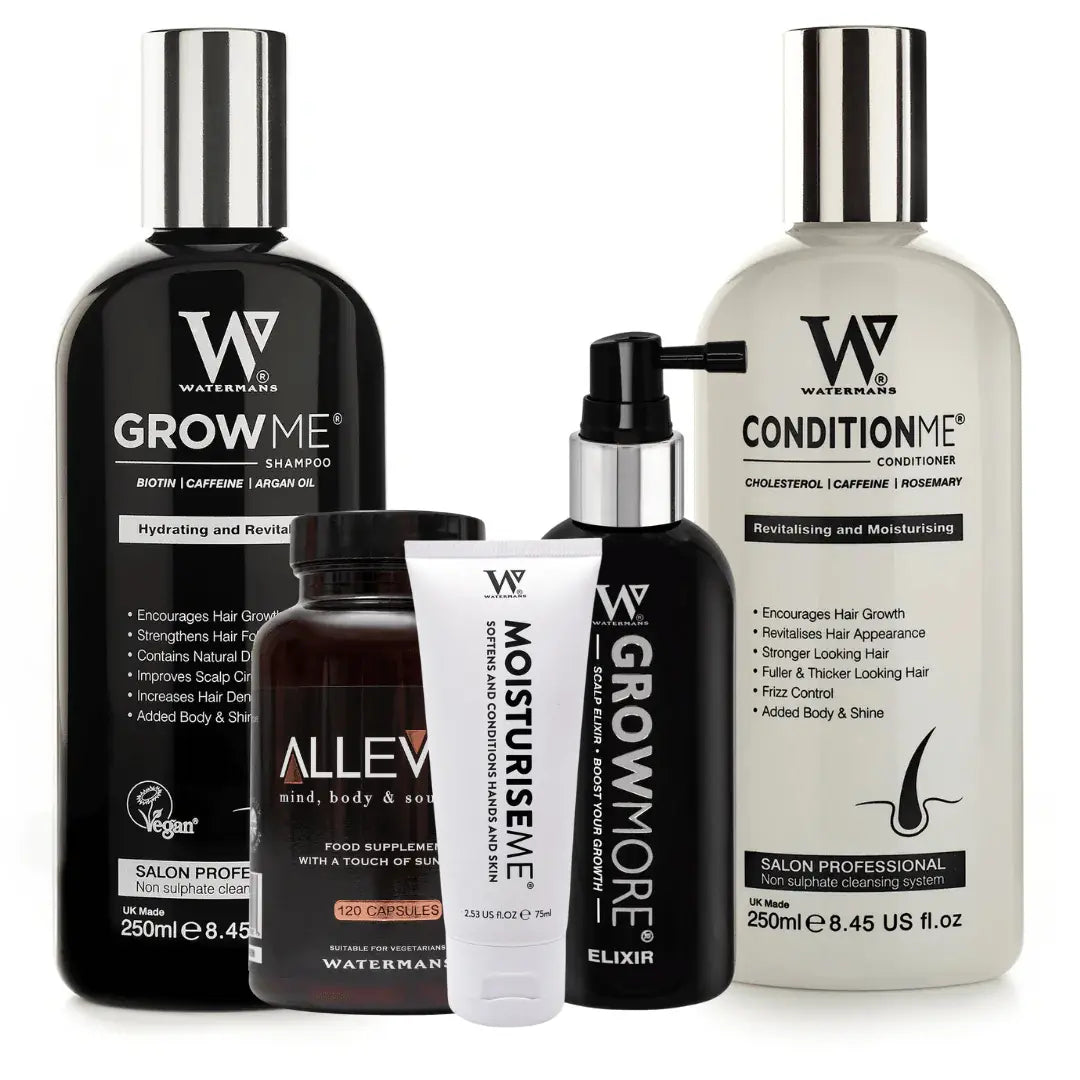
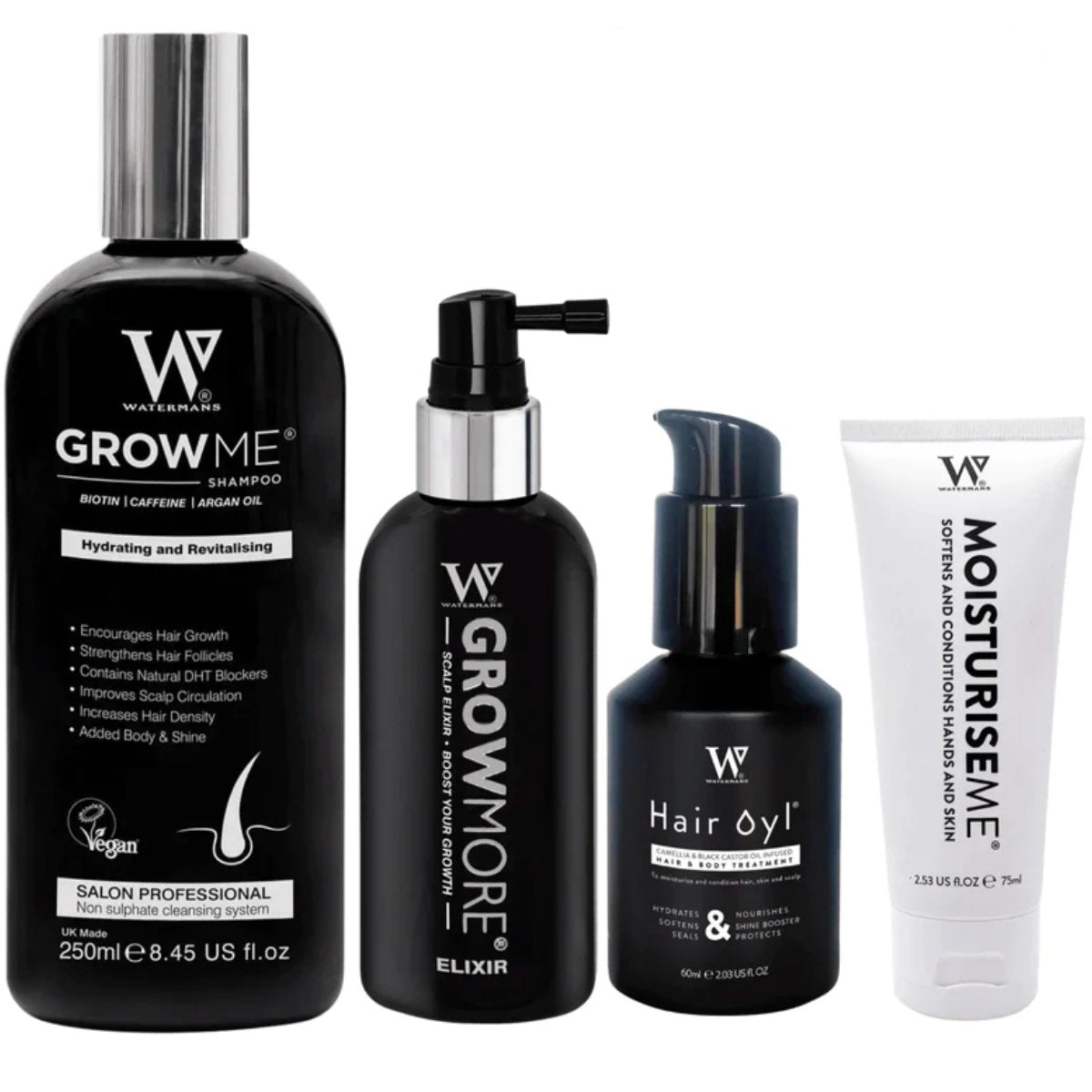
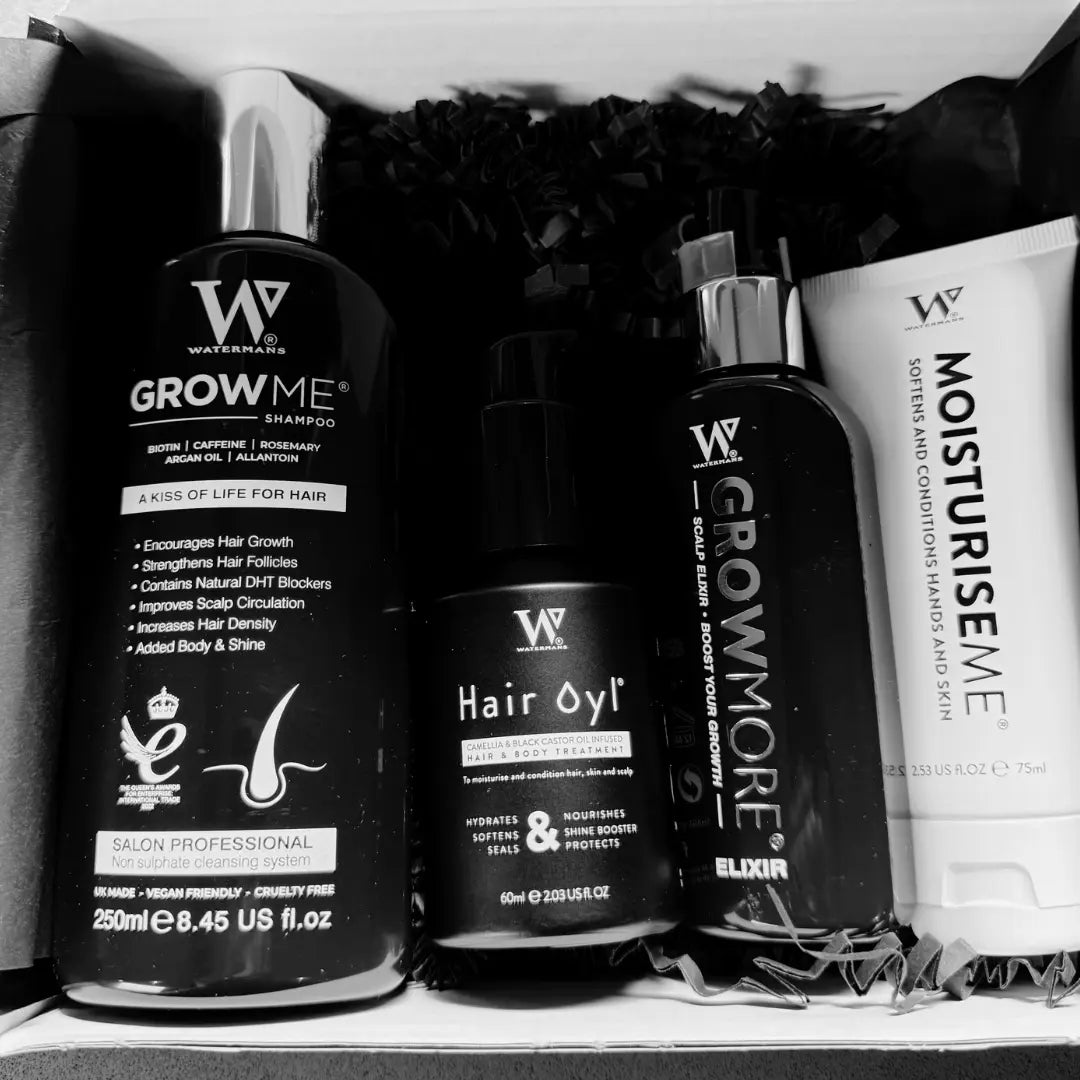
Some choose the
Watermans Hair Survival Kit,
which gathers many growth helpers into one routine.
A system that works as one plan helps, since hair grows slowly and changes show in 3–6 months.
3. Be Gentle and Avoid Tight Styles
Thin hair needs kind care.
- Do not tie hair tightly or use heavy extensions.
- Try satin or silk pillowcases to cut friction.
- Pat hair dry instead of rough rubbing.
- Use wide‑tooth combs on wet hair.
4. Go for Cuts and Colour That Add Density
Work with a stylist who understands both trans needs and thin hair:
- Soft, layered cuts bring volume and frame the face.
- Lowlights and highlights add a sense of depth.
- Strategic bangs may hide early temple loss.
These techniques ease distress while the slow changes work.
Transmasculine Trichology: Handling Testosterone Changes
For transmasculine and AFAB non‑binary people on testosterone, hair change can please and worry at once.
Facial and body hair can feel right, yet scalp thinning may cause stress.
1. What Happens on Testosterone
Common changes take months to years:
- Denser, thicker facial hair.
- Darker, thicker hair on arms, legs, and chest.
- Scalp may become more oily and flake.
- Some thinning at temples or crown may start, based on genes.
Not all see major scalp loss.
Yet, if family history shows baldness, your chance goes up once hormones rise.
2. Early Scalp Guard Steps
Since hair shrinkage is slow, early care is key:
- Start a growth‑friendly shampoo, like the one above, as soon as you begin T.
- Wash enough to keep oil and mild irritation down but not so hard that hair is stripped.
- Add a light conditioner or scalp treatment to keep oil in check.
For many transmasculine people, ingredients like caffeine and rosemary help follicles face extra androgen.
3. Blend a Masculine Look with Hair Care
If you worry about baldness but wish to stay on T:
- Consider short, textured cuts that keep their look even with thinning.
- Focus on keeping the scalp healthy to slow the pattern.
- Pick styles (buzz cuts, fades) that look intentionally masculine.
Many find that products from
Watermans Hair
come first before more advanced medicines.
Non‑Binary and Gender‑Expansive Hair Care
Non‑binary people take a personal road.
Some use low‑dose hormones, cyclic plans, or no hormones at all.
Transgender trichology here means you stay flexible and keep control.
Main Points for Non‑Binary Hair and Scalp Care
- Plan for the change: If you may use hormones later, set up your scalp care now.
- Keep options open: High hair density helps mix short, long, or blended looks.
- Stay gentle but active: Use helpful routines that keep follicles strong without forcing one look.
Each path is unique.
A stylist or a hair expert who respects your identity can help a lot.
Scalp Health Basics in Transgender Trichology
No matter your gender or HRT plan, trichology rests on one idea:
A healthy scalp grows good hair.
1. Blood Flow and Nutrient Help
Hair follicles are small living parts.
They need strong blood flow to take in nutrients and hormones.
Ingredients like caffeine, rosemary, and niacinamide—as in
Watermans Grow Me Shampoo—help by:
- Boosting small blood flow.
- Supporting follicle work.
- Helping the hair stay in the growth phase.
2. Keeping Irritation Low
Long‐term scalp irritation can:
- Make follicles shrink.
- Increase shedding.
- Make hair feel dry and weak.
Soothing items such as Allantoin and oils like Argan Oil keep the scalp calm and lower risks of shedding.
3. Balancing Oil on the Scalp
- With testosterone, the scalp may get too oily, leading to flakes.
- With estrogen and similar care, hair might feel dry and prone to break. A well‑made shampoo cleans without stripping and leaves a bit of care for your texture.
Hair Texture, Porosity, and Ethnicity in Transgender Trichology
Trans communities hold many cultures and hair kinds.
Hair can be straight, fine, wavy, curly, or coiled.
Trichology must meet each type.
1. Curl Patterns and Changes
Some say their hair shifts on HRT.
Major change is rare, but minor shifts in oil, humidity, or thickness can make hair act differently.
Tips include:
- For curly or coiled hair: keep it moist and comb gently. Use mild shampoos.
- For fine or straight hair: pick light conditioners and volumizing care.
A volumizing product like
Watermans Grow Me Shampoo is good for fine hair.
2. High‑Porosity Versus Low‑Porosity Hair
• High‑porosity hair (from heat, bleaching, or some curl types) needs richer care and less washing.
• Low‑porosity hair needs light care that does not build up on hair.
Knowing your hair helps set how often to use growth‑friendly shampoo and which conditioners or masks work best.
Mental Aspects: Hair, Dysphoria, and Joy
Hair marks gender in how we are seen.
Many trans people feel upset when they see hair thinning that seems “wrong.”
They worry hair loss affects being seen as their true self.
They feel relief and joy when a new cut, colour, or regrowth fits their gender look.
For many, hair care and mental health join as one.
Ways to Support Your Mind Through Hair Care
• Small, kind steps—like switching shampoo or visiting a stylist—help you feel in charge.
• Knowing hair change takes months helps keep calm.
• Talk with other trans people who share their routines and results.
• A knowledgeable hair care expert or a caring therapist can join your team.
Daily Hair Care Routines for Transitioning People
Use these plans as a start.
Change them for your hair type, schedule, and hormone plan.
Routine A: Transfeminine / AMAB on Estrogen & Anti‑androgens
• Frequency: Wash your hair 2–4 times a week. Adjust if hair is oily.
• Core items:
- A growth‑friendly shampoo like Watermans Grow Me Shampoo.
- A light to medium conditioner for mid‑lengths and ends.
- A heat protector if you style with heat. • Steps:
- Gently massage your scalp for 1–2 minutes when washing.
- Use warm, not hot, water.
- Air dry when you can; cut back on hot tools.
Routine B: Transmasculine / AFAB on Testosterone
• Frequency: Wash your hair 3–6 times a week. Increase if very oily.
• Core items:
- Watermans Grow Me Shampoo or another stimulating option.
- A light conditioner if needed. • Steps:
- Clean your scalp to remove oil and flakes without overdoing it.
- Keep short styles that hide early thinning if that is your wish.
- Use a soft scalp brush once a week if flakes are present.
Routine C: Non‑Binary / Mixed or No Hormones
• Frequency: Wash hair 2–5 times a week per your texture. • Core items:
- Use the growth‑friendly shampoo 2–3 times weekly.
- In between, try gentle co‑washing or conditioner if you have curls. • Steps:
- Check hair length and take photos to note changes.
- Adjust styles to suit your current gender view.
Lifestyle and Transgender Trichology
Hair responds to hormones, products, and overall well‑being.
Transition can bring life changes that affect hair.
1. Food and Hair
Transition may shift your appetite and routines.
Hair needs good protein and micronutrients.
Key nutrients for hair:
- Protein for keratin.
- Iron and ferritin to stop shedding.
- Zinc and selenium.
- Vitamins A, D, E, and B‑complex.
- Omega‑3 and omega‑6 fats.
A balanced meal plan or supplements (with your clinician’s help) supports hair from the inside while shampoos help from the outside.
2. Stress and Shedding
High stress can trigger shedding that appears 2–3 months later.
To lower stress:
- Build simple care habits around wash days.
- Use scalp massage as a calm moment.
- Get help from peers or professionals when you feel high stress.
3. Sleep and Hormones
Good sleep helps control hormones that affect hair.
Regular sleep works well with any hair routines you follow.
Body and Face Hair in Transgender Trichology
Scalp hair gets a lot of care, but transgender trichology also sees the rest of your hair.
Transfeminine & AMAB: Reducing Masculine Hair
Many seek:
- Softer, less visible body hair.
- Lighter facial hair.
Estrogen and anti‑androgens may slow new growth and soften hair.
Yet many need:
- Laser hair removal or electrolysis on the face.
- Shaving, waxing, or creams for body hair.
Trichology can guide you on:
- Reducing skin irritation during hair removal.
- Avoiding ingrown hairs.
- Picking aftercare items to help skin heal.
Transmasculine & AFAB: Growing Masculine Hair
When your facial hair grows slow or in patches:
- Patience matters; a full beard may take years on T.
- Clean and moisturize your beard area to stop ingrown hairs.
- Some add beard oils with ingredients like caffeine and rosemary.
These aims balance the hair you want with risks you do not.
Medical and Non‑Medical Ways in Transgender Trichology
You asked about non‑medical and many wonder how shampoos compare with medicines.
Non‑medical (cosmetic) Steps
- Growth‑friendly shampoos and conditioners such as Watermans Grow Me Shampoo.
- Scalp serums with caffeine, plant extracts, or peptides.
- Good eating and lifestyle changes.
- Protective haircuts and styles.
- Camouflage like fibers, powders, or coloring.
These steps come low in risk and are easy to start.
They suit transgender trichology where many wish to avoid extra medications.
Medical Options
- Topical minoxidil.
- Oral or topical finasteride or dutasteride for AMAB people (use with care in transfeminine care).
- Anti‑androgens like spironolactone (usually under HRT plans for transfeminine people).
- Platelet‑rich plasma injections or microneedling.
Even when you choose medicines, non‑medical care is needed.
Medicines work best when the scalp is healthy and gently cared for each day.
Your Transgender Trichology Guide
Use this checklist as you shape your routine:
-
Decide Your Transition Route
- Are you transfeminine, transmasculine, non‑binary, or mixed?
- Do you use HRT, plan to, or not at all?
-
Check Your Hair
- Is your hair thinning or showing a receding line?
- What is its texture and porosity?
- Do you see scalp issues like flakes or irritation?
-
Pick a Main Shampoo
- Begin with a growth‑friendly formula like Watermans Grow Me Shampoo from
Watermans Hair. - Note its key parts: Biotin, Rosemary, Caffeine, Niacinamide, Argan Oil, Allantoin, and Lupin Protein.
- Begin with a growth‑friendly formula like Watermans Grow Me Shampoo from
-
Create a Simple, Steady Routine
- Choose a wash schedule that fits your hormone path and hair type.
- Add a conditioner or matching items—try the
Watermans Hair Survival Kit
for one complete plan. - Give the plan at least 3 months before you judge its change.
-
Check Your Lifestyle
- Eat enough protein and micronutrients.
- Lower stress by finding care habits.
- Protect good sleep and avoid smoking.
-
Ask for Help when Needed
- If shedding or thinning becomes fast, talk to a hair expert or dermatologist who knows trans care.
- See if medicines may add to your routine.
FAQ: Questions on Transgender Trichology
1. Can transgender trichology stop hair loss during transition?
Transgender trichology does not change genes.
Still, it may slow loss, raise density, and guard follicles.
Many see better results when they use HRT with care steps like using
Watermans Grow Me Shampoo and a good lifestyle compared to doing nothing.
2. Is transgender trichology different from normal hair loss care?
Yes.
Transgender trichology looks at:
- How gender‑affirming hormones (estrogen, testosterone, anti‑androgens) affect hair.
- How hair change links to feelings.
- Personal goals such as keeping scalp hair while growing facial hair.
- The need for care that respects trans experience.
It takes general hair science and fits it to gender and emotion.
3. When should I start a transgender trichology routine?
It is best to start before you see much thinning or shedding or as soon as you begin HRT.
Early use of a supportive routine—using a scalp‑energizing shampoo like
Watermans Grow Me Shampoo—gives your hair the best chance to adjust.
Take Charge: Let Hair Support Your Transition
Your hair journey does not have to happen by chance during transition.
Transgender trichology gives you a way to plan change and build a routine that fits your gender goals.
A first simple step is to switch to a follicle‑friendly shampoo like
Watermans Grow Me Shampoo from
Watermans Hair or try the full
Watermans Hair Survival Kit.
Then add gentle styling, good nutrition, and professional advice when needed.
You deserve a transition where your hair joins your identity, starting with the choices you make in your shower and at your mirror.