scalp estrogen receptors: Unlocking Hair Growth, Strength, and Balance
Scalp Estrogen Receptors: Unlocking Hair Growth, Strength, and Balance
Hormones affect your hair. Many things may seem unclear. One key idea is scalp estrogen receptors. These small sites sit on your hair follicles. They bind to estrogen. When they do, they help decide if your hair will grow, fall, or thin with time. If you face hair loss, weak edges, or less volume, you may want to learn how estrogen works at your scalp.
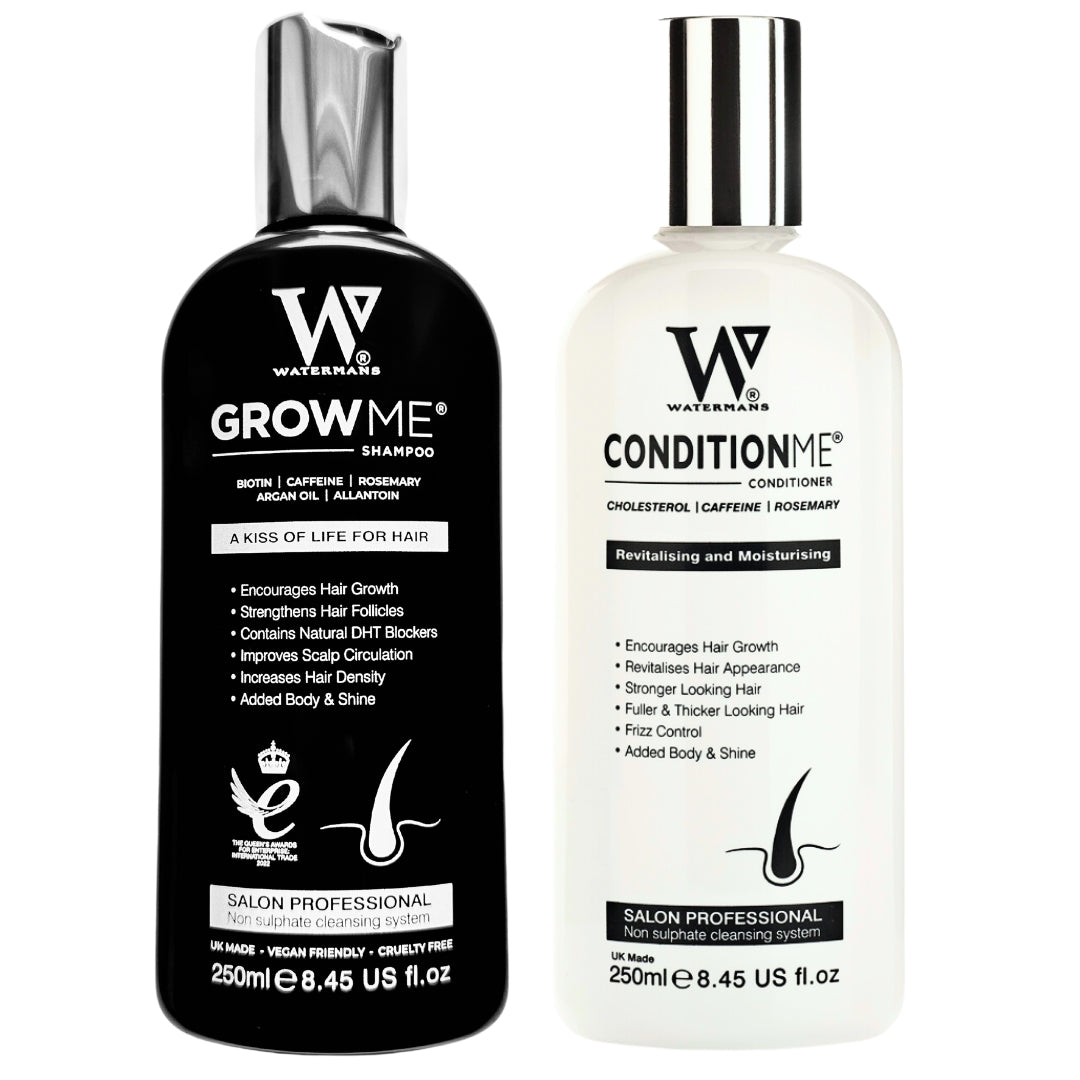
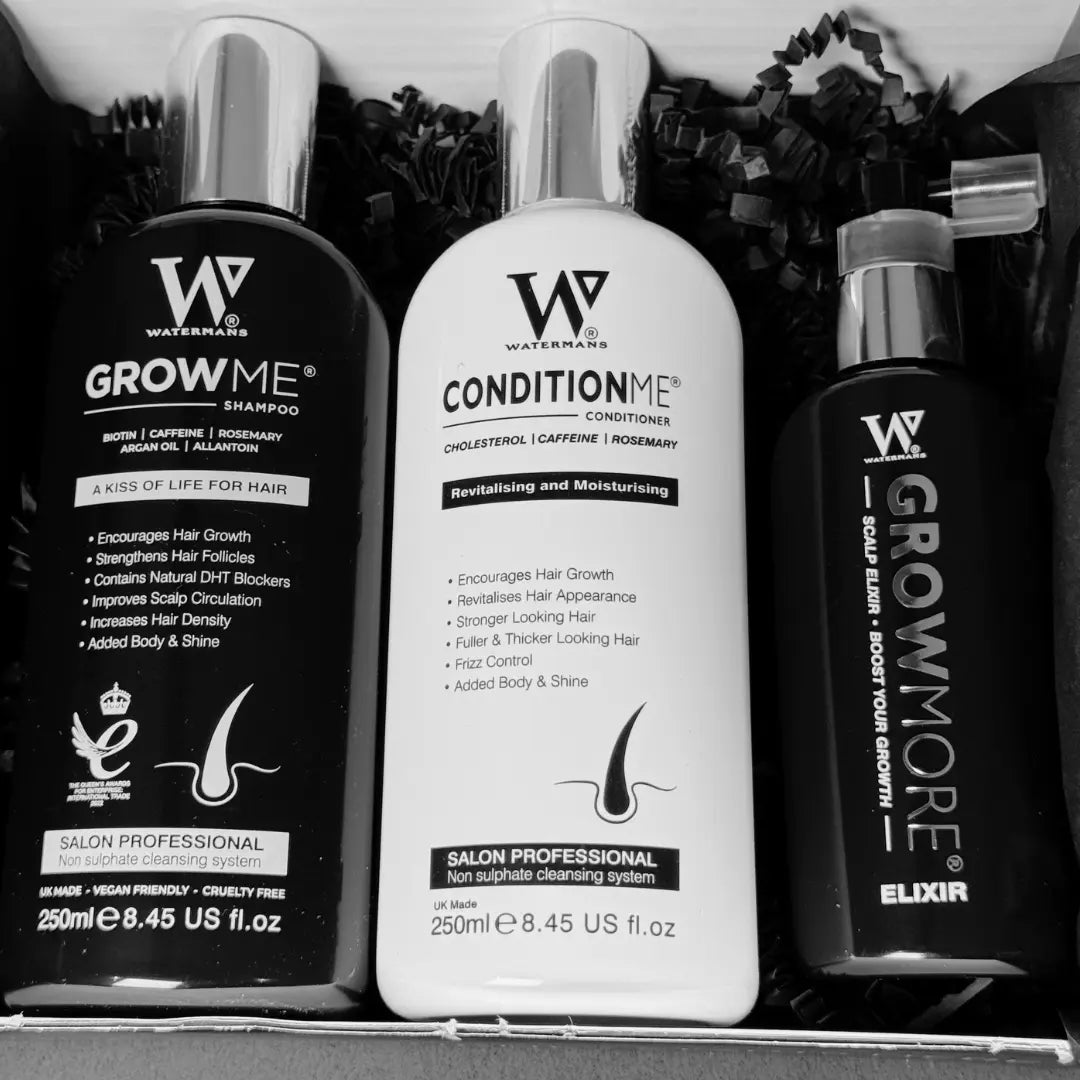
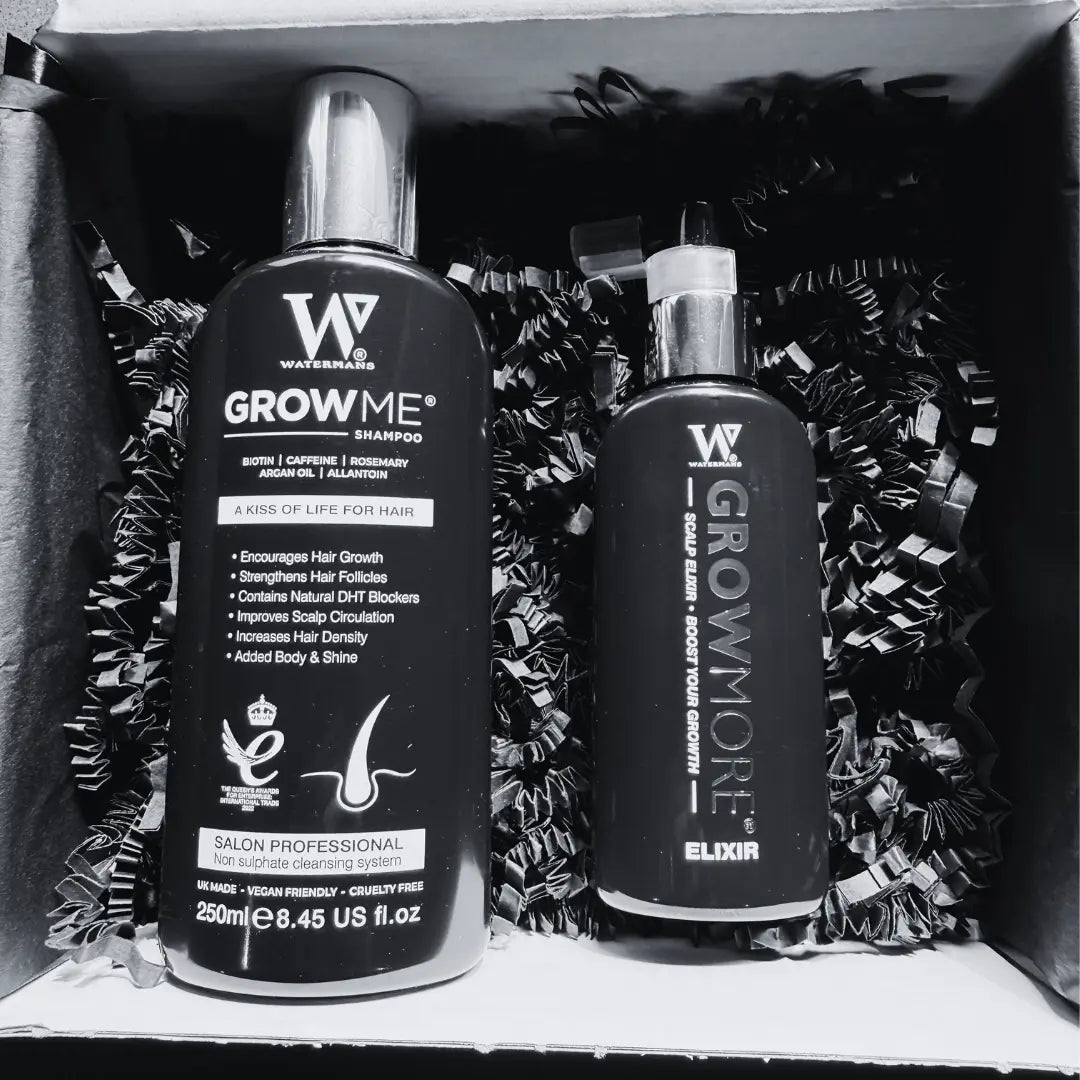
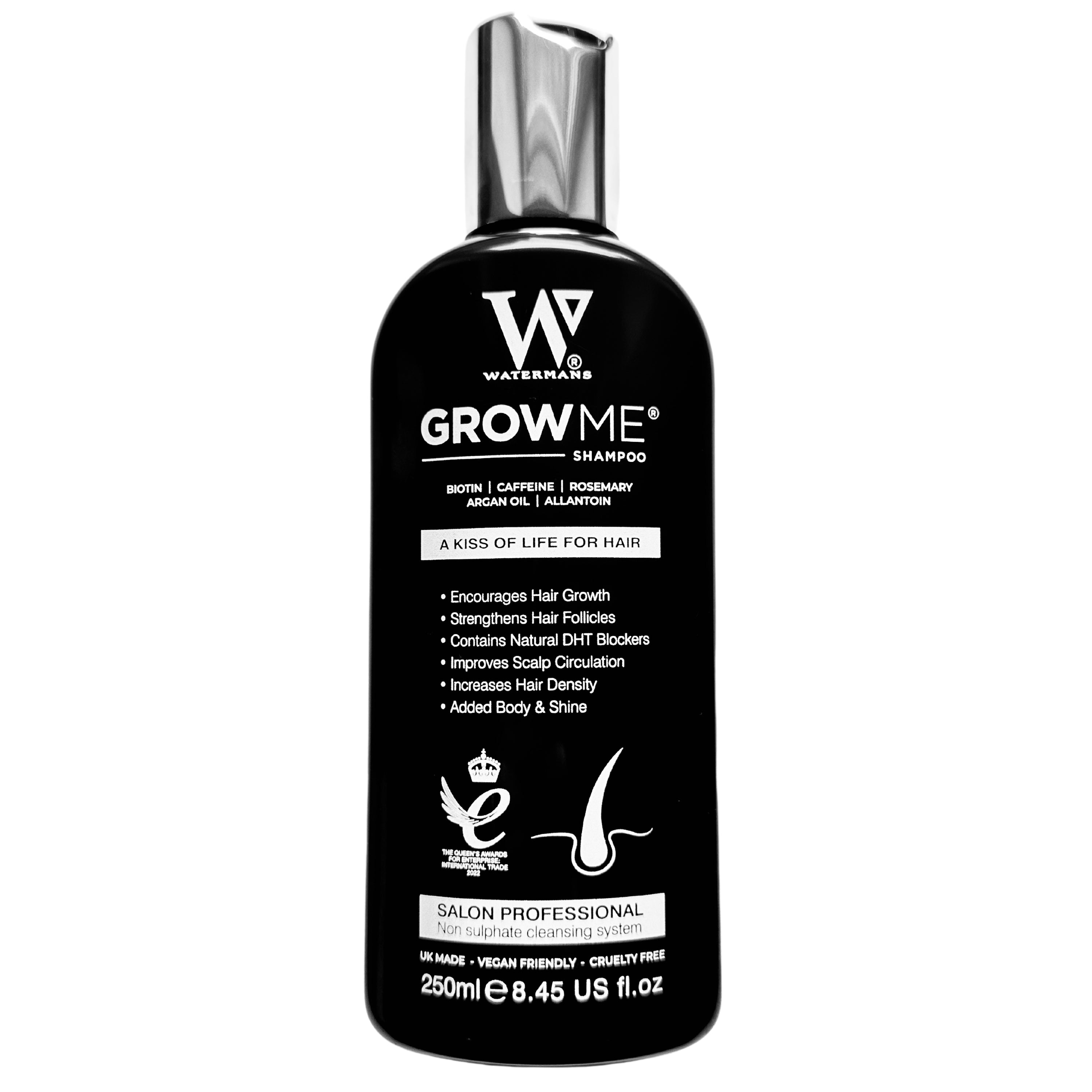
Before you try hormone treatments or strong medicines, care for the scalp from the outside in. A well-known non-medical choice begins with Watermans Grow Me Shampoo. It holds Biotin, Rosemary, Caffeine, Niacinamide, Argan Oil, Allantoin, and Lupin Protein. These ingredients work at the root to boost blood flow and hair volume. This method can help if hormones cause hair changes.
What Are Scalp Estrogen Receptors?
Estrogen receptors are special proteins in body cells. They bind the hormone estrogen. In the scalp, these receptors are found in the hair follicles, the dermal papilla (the main growth center at the base of the follicle), and nearby skin.
Two main types exist:
- ERα (Estrogen Receptor Alpha)
- ERβ (Estrogen Receptor Beta)
Both types are in scalp tissues. ERβ sits mainly in hair follicles. It plays a part in controlling hair cycles.
When estrogen joins these receptors, it can change:
- The length of the hair's growth stage (anagen)
- The thickness of each hair strand
- The rate of hair loss
- The irritation or swelling of the scalp
These changes help explain why shifts in estrogen during puberty, pregnancy, and menopause show in your hair.
How Estrogen Affects Hair Growth Through the Scalp
Estrogen and the Hair Growth Cycle
Hair grows in a cycle. The cycle has three parts:
- Anagen – the growth phase
- Catagen – the transition phase
- Telogen – the resting and shedding phase
When estrogen binds to its receptors on the scalp, it tends to keep hair in the growth phase longer. This delay in the resting phase means fewer hairs fall at the same time. The follicles may create thicker hair when estrogen works strongly.
During pregnancy, high estrogen brings thicker hair. When estrogen drops, hair may fall faster, look thinner, or feel brittle.
The Balance Between Estrogen and Androgens
The scalp feels the impact of both estrogen and androgens (hormones such as testosterone and DHT).
Estrogen and androgens act in opposite ways. When estrogen works on its receptors, it can ease some of the shrinking effects of DHT on hair follicles. When estrogen drops or androgens rise, hair follicles may shrink. This shrinkage makes hairs shorter and finer.
Where Are Scalp Estrogen Receptors Located and Why It Matters
Concentration in Hair Follicles
Studies show that estrogen receptors appear in several parts of the hair follicle:
- The dermal papilla, the center for growth control
- Cells in the outer root sheath
- Some cells in the oil glands
Their spread means estrogen can affect how fast hair grows, the size of the follicle, hair quality, and oil production on the scalp.
Regional Differences on the Scalp
The number and sensitivity of estrogen receptors may change with different scalp areas (front, top, or back). These differences may explain why some people see hair loss at the crown or temples. A full-scalp care routine may work better than targeting just one spot.
Scalp Estrogen Receptors Across Life Stages
Puberty and Early Adulthood
During puberty, rising estrogen in females helps grow thicker hair. It also makes the hair cycle steady. At times, the scalp may seem oilier because of androgen effects.
Males have estrogen too, as testosterone changes to estrogen. It affects hair slightly, even though androgens have a larger role.
Pregnancy and Postpartum
Pregnancy shows a strong sign of active scalp estrogen receptors. Many women gain lush and thick hair during pregnancy because the growth phase is extended.
After birth, estrogen drops rapidly. This change makes many hairs enter the resting phase all at once. The result is a phase of shedding. Though the change may seem severe, it is often a short-term result of shifting estrogen receptor activity.
Perimenopause and Menopause
When estrogen falls, fewer receptors become active. The hair loses some of the support it had from estrogen. Many women see:
- General hair thinning
- A wider part line
- A more visible scalp
- Dry and fragile hair
These changes come from the natural shift in hormones. Supporting the scalp with care and proper products becomes important at this stage.
How Lifestyle and Environment Affect Scalp Estrogen Receptors
Hormones work within a wider system. Some factors can shift how estrogen affects your scalp.
Stress and Cortisol
High stress raises cortisol. This change may disturb the balance of hormones, including estrogen. As a result, the activation of scalp estrogen receptors and the strength of hair follicles can change. Stress can cause extra hair shedding that mixes with hormonal thinning.
Body Weight and Fat Tissue
Fat tissue makes estrogen through an enzyme called aromatase. Big changes in body weight can shift estrogen levels. This change can also affect the balance between estrogen and androgens. The result may change how the scalp receptors work.
Endocrine Disruptors and Xenoestrogens
Certain chemicals in the environment may act like estrogen. Some plastics, pesticides, and personal care items have these chemicals. Their presence may change normal estrogen signals and the sensitivity of scalp receptors. Many people now turn to gentle, nature-based products for their hair.
Non-Medical Ways to Support Scalp Estrogen Receptors and Hair Health
You cannot turn scalp estrogen receptors on or off by hand. However, you can set a scene that helps your follicles work well even during hormone shifts.
A main method is to boost blood flow on the scalp, lower swelling, and give essential nutrients to the hair roots. This goal makes the choice of hair-care products very important.
Why Start with Watermans Grow Me Shampoo?
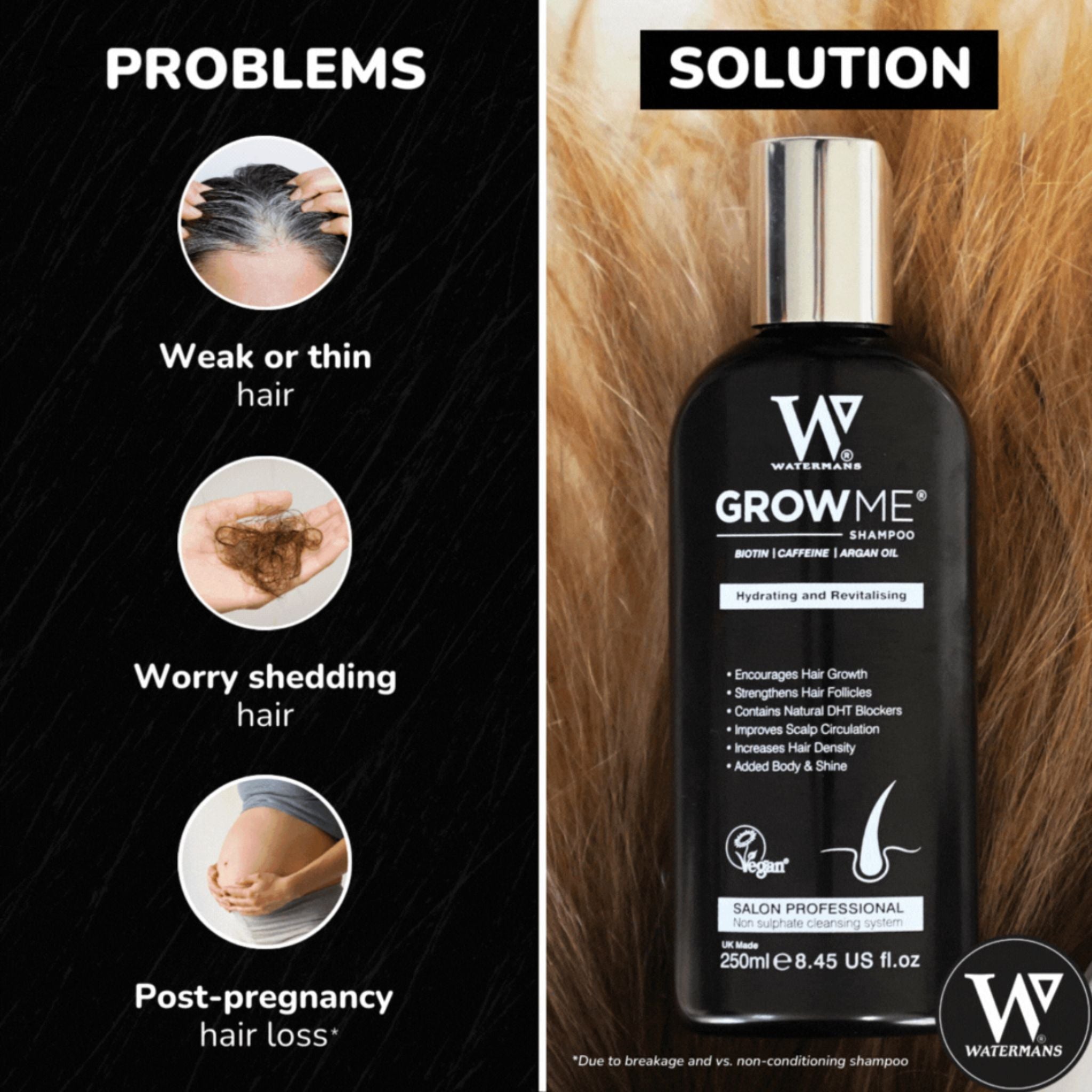
Watermans Grow Me Shampoo is known as a strong, non-medical choice for those who are worried by hormonal hair thinning. It does not change your hormones but works to support a healthy scalp.
The key ingredients work with the scalp receptors:
- Biotin supports the protein structure in hair. It helps the strands feel stronger and thicker.
- Rosemary is used to boost blood flow. Better circulation may help the follicles get stronger signals.
- Caffeine can counter some actions of DHT on follicles. It helps raise activity in the follicles when estrogen signals are lower.
- Niacinamide supports the scalp’s barrier and small blood vessels. This work creates a better base for follicles.
- Argan Oil is rich in fatty acids and vitamin E. It helps counter hair dryness when estrogen drops.
- Allantoin soothes and softens. It helps when the scalp feels tender.
- Lupin Protein adds plant protein to strengthen hair from the roots.
These ingredients work at the scalp to lift hair volume and strength. They come in handy when hormone shifts put stress on your hair.

Daily Scalp-Care Routine to Complement Estrogen Receptor Function
You cannot alter genes or stop life changes. You can, however, improve your hair and scalp by caring for the scalp each day. Try this routine:
1. Gentle but Active Cleansing
Use a shampoo that cares for the scalp like Watermans Grow Me Shampoo. Work the product into the scalp with your fingertips for a few minutes. Focus on the roots. Use it several times each week, and adjust based on your hair type.
2. Nourish and Protect the Hair Shaft
Follow up with a conditioner or treatment that respects your scalp and hair length. Hormone changes can make your hair break or lose shine. A conditioner with oils, proteins, and moisture helps keep the hair cuticle strong. This step also lessens breakage along the hair.
3. Supportive Styling Habits
Scalp estrogen receptors do not protect hair from physical strain. To lessen harm:
- Avoid tight hairstyles that pull at the roots
- Reduce the frequency of heat styling or use heat protectants
- Skip harsh chemical treatments for long periods
Gentle handling keeps the hairs that your follicles work hard to grow.
Nutrition, Hormonal Balance, and Hair Follicle Signaling
The best hair products work well when paired with good internal health.
Key Nutrients for Hormone-Responsive Hair
Different people have different needs. Still, some nutrients help the hair and hormone tasks:
- Protein – Hair is made of keratin. A low-protein diet may lead to weaker hair.
- Iron – When iron falls, hair shedding can worsen. This need is high for women who menstruate or have recently given birth.
- Vitamin D – It helps in hair cycles. A lack may be linked to hair issues.
- B vitamins (including Biotin) – They aid in energy production and form the hair fiber.
- Omega-3 fatty acids – They may help with scalp dryness and mild swelling.
No nutrient directly changes scalp estrogen receptors. Instead, they prepare your body to let hormonal signals make hair grow well.
Body Composition and Hormone Metabolism
A stable and healthy weight helps keep estrogen levels even. It also supports the work of the thyroid and adrenal glands. All these tasks affect how hair follicles respond to hormones.
Medical vs. Non-Medical Approaches to Estrogen and Hair
Some people use medical therapies alongside their hair care. It is helpful to see how these ideas work with scalp estrogen receptors.
Hormone Replacement Therapy (HRT)
HRT may help in menopause to ease signs from low estrogen. In some women, hair density may hold steady or get better with HRT. In others, the change may be small. This range shows differences in receptor sensitivity, genetics, and the action of androgens.
Talk with a healthcare provider to decide on HRT. The choice should consider many health matters, not only hair.
Topical and Systemic Anti-Androgens
Some medicines lower the impact of androgens like DHT on hair follicles. This action may give more room for estrogen signals to work. Such treatments have risks and side effects. They are not for everyone.
Even with medical steps, a strong scalp routine with products like Watermans Grow Me Shampoo can help keep the scalp healthy.
Why Non-Medical First Steps Matter
Before you start medications, many people choose to:
- Improve scalp care with targeted shampoos
- Improve nutrition and lifestyle
- Avoid extra physical and chemical harm to the hair
This mix of steps gives you a strong start and may reduce the need for more aggressive treatments.
Recognising When Scalp Estrogen Changes May Be Affecting Your Hair
You cannot see scalp estrogen receptors. Instead, you notice signs in your hair. Look for these signals:
- Slow, overall thinning rather than bald spots
- Hair that feels finer or more scattered
- Extra shedding after big hormonal events (childbirth, stopping birth control, menopause)
- Changes in hair texture along with shifts in your cycle, mood, or heat waves
These clues do not point only to estrogen but may show its role when life stages change.
Building a Hormone-Aware Hair-Care Strategy
Use what you know about scalp estrogen receptors to form a long-term routine. Try this plan:
-
Take care of the scalp daily
Use a growth-supporting shampoo such as Watermans Grow Me Shampoo. Gently massage the scalp to boost blood flow. -
Strengthen the hair fiber
Condition the lengths and ends to cut down breakage. Have a trim often to stop split ends from increasing damage. -
Reduce extra strain
Cut down on heat styling or use protective sprays. Pick looser styles that do not pull on the roots. -
Keep your body in good shape
Aim for good nutrition, sleep, and less stress. Talk with a healthcare provider if you see sudden or strong changes in your hair.
Why Scalp Health Is Essential When Estrogen Declines
When estrogen is high and the receptors work well, many can manage with average hair habits. When estrogen falls with age or after big hormonal events, the hair cycle shows less mercy. Any damage, swelling, or scalp imbalance stands out more.
This pattern shows why hair during menopause or perimenopause can seem to change all at once. Often, the scalp loses strength slowly. High estrogen may hide some problems by keeping hair in the growth phase longer.
Investing in scalp care early helps reduce later impact. A shampoo that works at the root, like Watermans Grow Me Shampoo, plays a central role when used consistently over months.
Advanced Insight: Estrogen Receptors and Inflammation in the Scalp
Current research studies how estrogen and its receptors work with inflammation. Low-grade scalp inflammation can change the hair cycle. It may also cause some scarring around the follicles in severe cases. This inflammation can make conditions such as oiliness or redness worse.
Some studies hint that estrogen, especially through ERβ, may help calm inflammation. The exact steps in the scalp are still under study. This work has an impact on scalp care in times of low estrogen. Ingredients like Allantoin, Niacinamide, and good oils—as found in Watermans Grow Me Shampoo—help keep the scalp calm and the follicles strong.
Practical Tips for Different Hormonal Life Stages
During Pregnancy
- Your hair may look fuller. This change can be brief.
- Pick products that are safe for pregnancy and care for the scalp.
- Keep a routine to support your scalp after giving birth.
Postpartum
- Expect extra shedding 2–4 months after delivery as estrogen falls.
- It may seem overwhelming, but it usually stops on its own.
- Use a shampoo like Watermans Grow Me Shampoo to help support the follicles and add volume during regrowth.
- Treat your hair gently when styling or brushing.
Perimenopause and Menopause
- Watch for early signs of thinning or texture change.
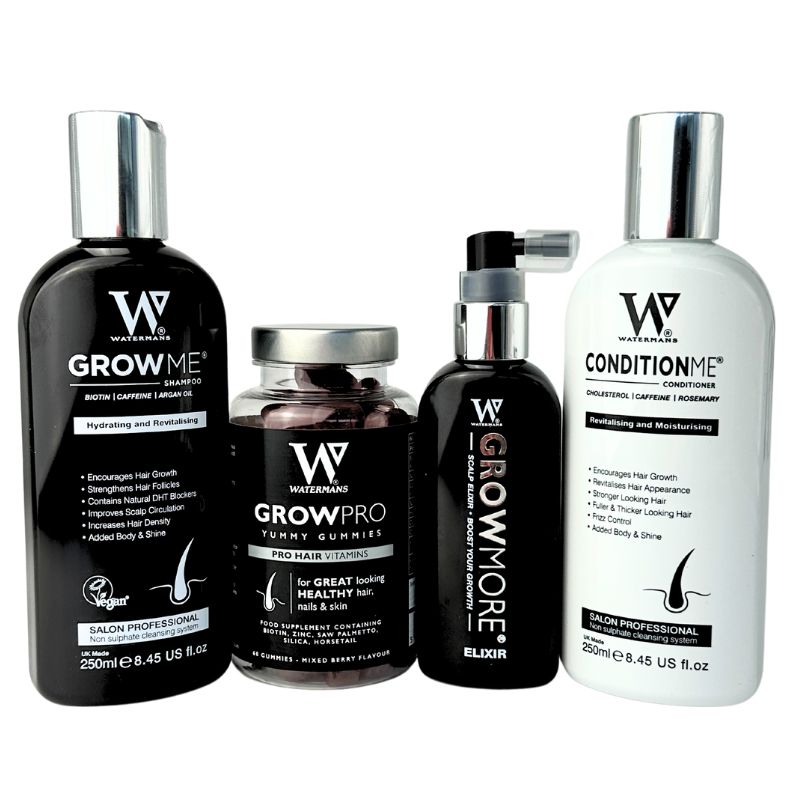
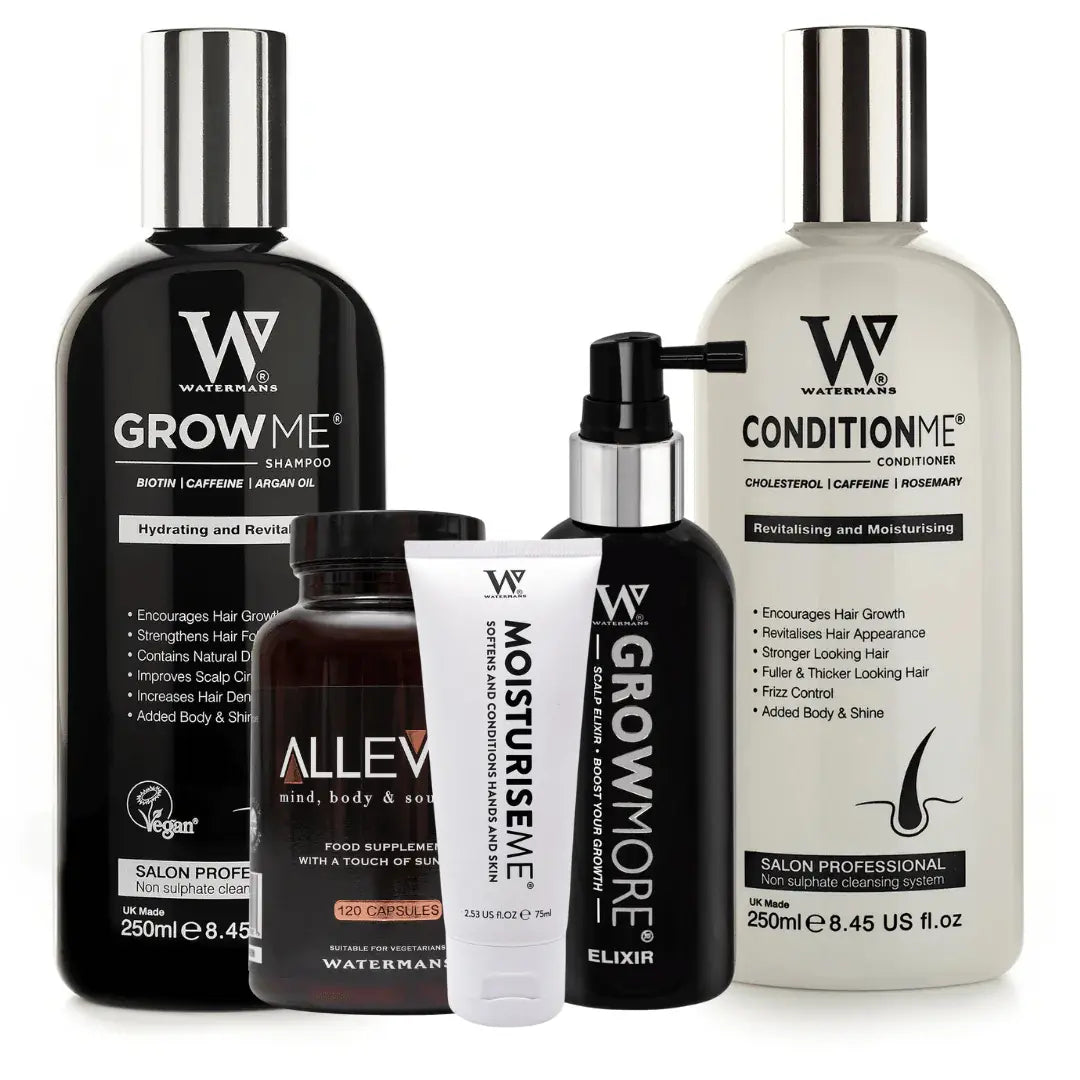
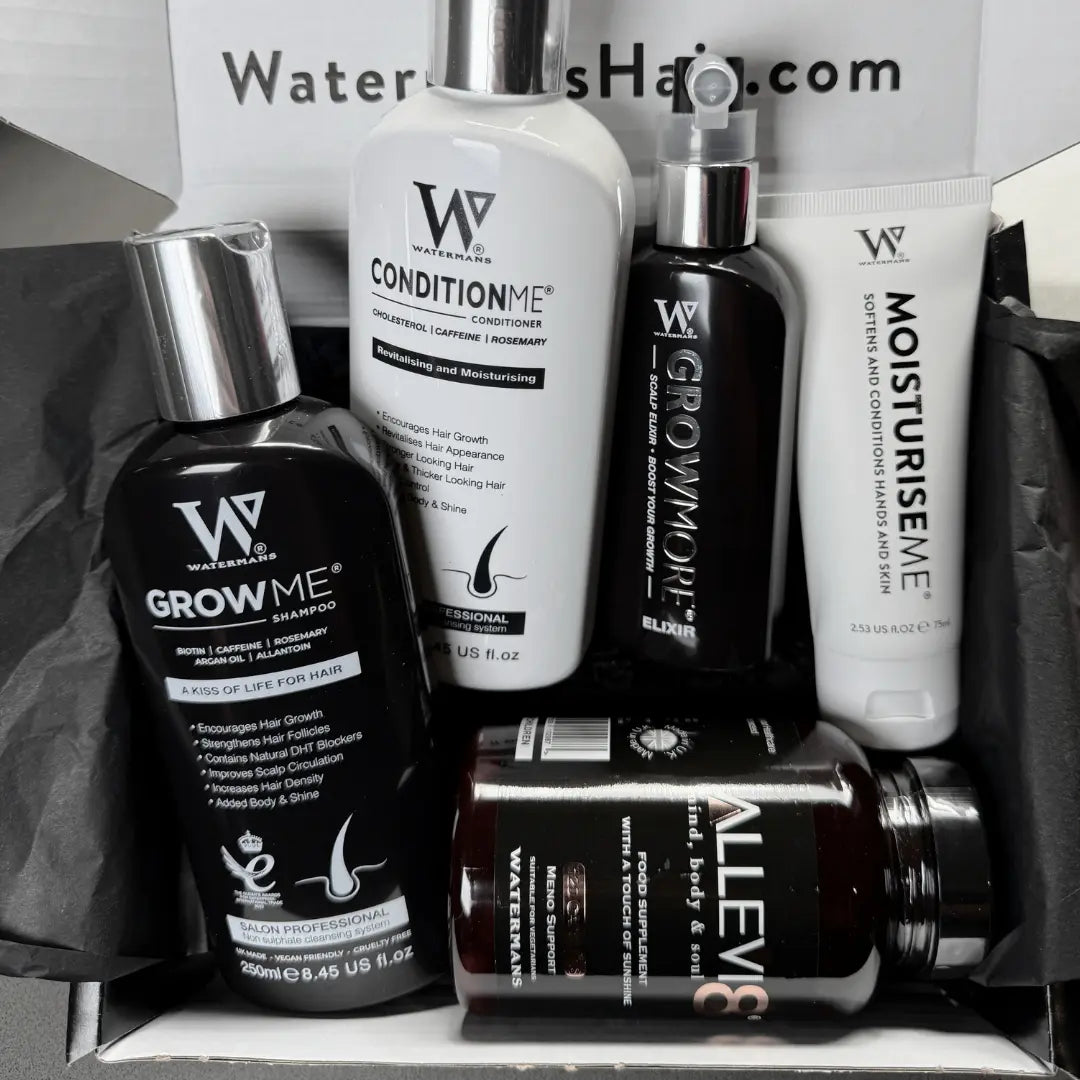
- Stick to a routine that cares for the scalp. The Watermans Hair Survival Kit may help support hair density.
- If you notice other body changes, speak with a clinician about hormone options.
Frequently Asked Questions About Scalp Estrogen Receptors and Hair
1. How do scalp estrogen receptors affect women’s hair loss during menopause?
When menopause comes, estrogen levels fall. This drop means fewer receptors work strongly. The hair growth phase shortens, and hair may become finer. Shedding increases and the scalp appears more visible. A good scalp care routine with products like Watermans Grow Me Shampoo and a healthy lifestyle can help ease these changes.
2. Can improving scalp health really make a difference if my scalp estrogen receptors are less active?
Yes. While you cannot reverse hormone changes, a healthier scalp gives hair follicles a better chance to work well. Better blood flow, less swelling, and enough nutrients make the follicles stronger. Many people see better volume and density when they use scalp-focused care.
3. Are there natural ways to support scalp estrogen receptor balance without medication?
You cannot directly change the receptors. Still, you can support the system they belong to:
- Keep a stable and healthy body weight along with a balanced diet.
- Manage stress to keep cortisol levels lower.
- Wash with a gentle and active shampoo such as Watermans Grow Me Shampoo to boost circulation and follicle strength.
- Avoid harsh chemicals, heavy heat, or tight hairstyles that strain the scalp.
These steps do not replace professional care when needed. They do build an early shield for your hair.
Take Action: Support Your Scalp Where Hormones Do Their Work
Hair does not grow in a vacuum. At the follicle level, scalp estrogen receptors turn hormone signals into growth, thickness, and shedding. You cannot control all hormone changes, but you can care for your scalp at every stage.
If you notice thinning, extra shedding, or other changes around big hormone events, start by refining your routine with a shampoo that works for the scalp. Watermans Grow Me Shampoo uses Biotin, Rosemary, Caffeine, Niacinamide, Argan Oil, Allantoin, and Lupin Protein. It helps the scalp work well and builds volume from the roots.
For a broader plan, especially with postpartum, perimenopause, or long-term thinning, check out the Watermans Hair Survival Kit. This routine gives your scalp the care it needs where hormone signals matter. With the right support, you can aim for hair that feels stronger and shows more fullness at every life stage.