platelet rich plasma breakthrough: natural healing for chronic joint pain
<h1>Platelet Rich Plasma Breakthrough: Natural Healing for Chronic Joint Pain</h1>
<h2>What Is Platelet Rich Plasma and Why It Matters for Joint Pain</h2>
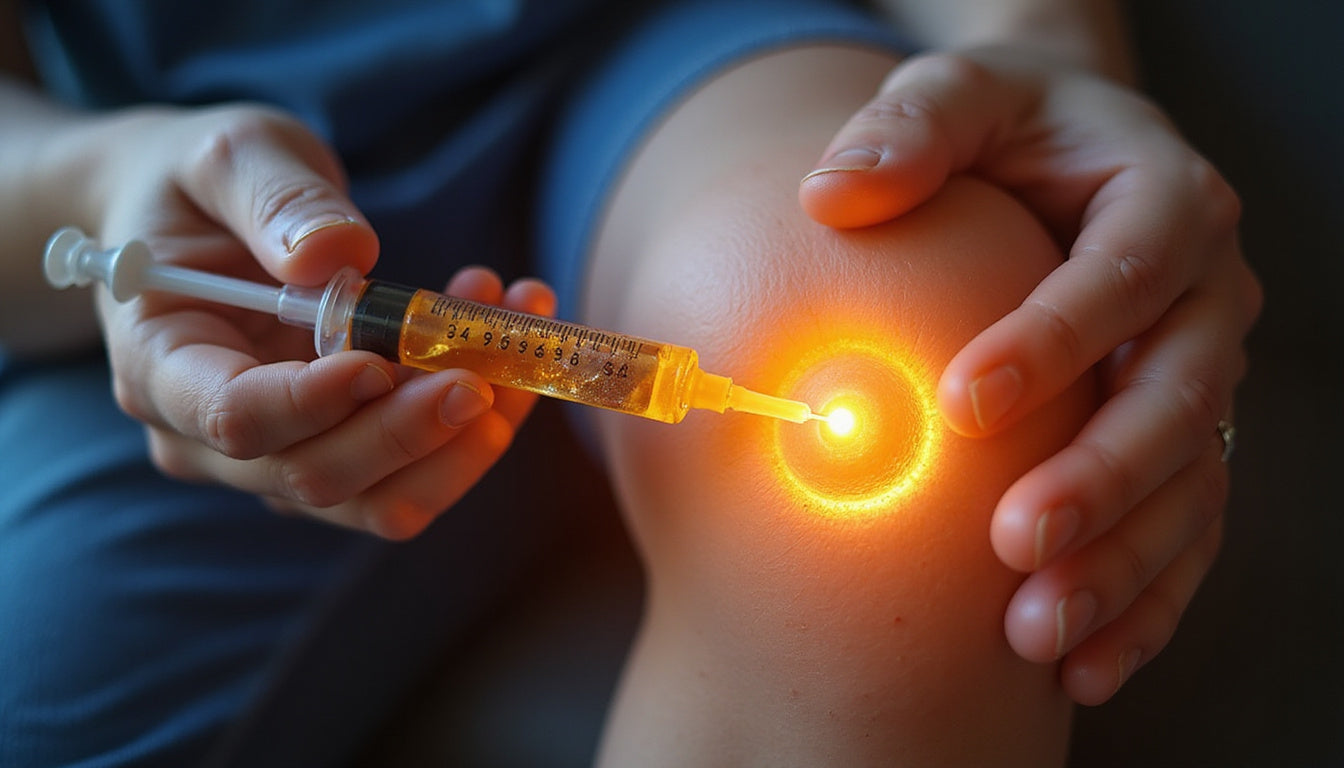
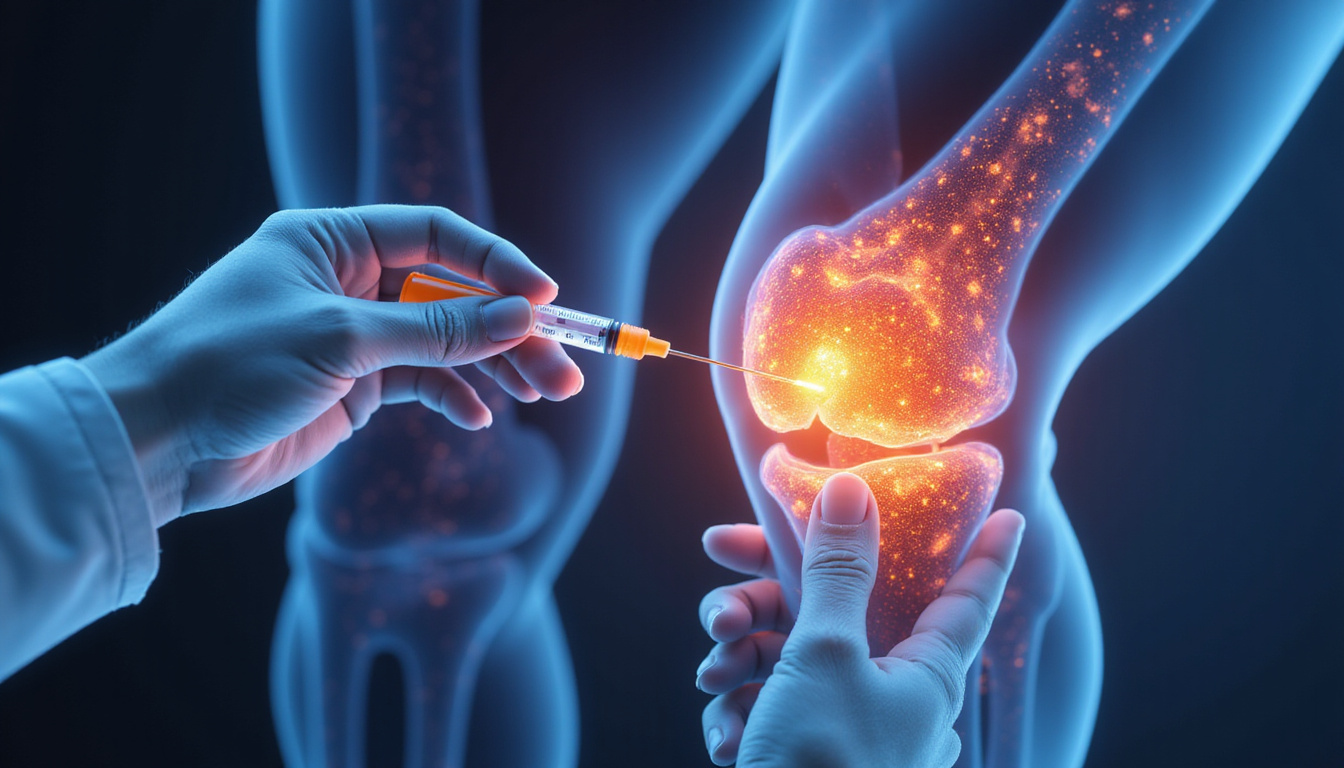
PRP is a mix of platelets taken from your own blood. Doctors draw your blood, spin it fast, and pack the platelets in a small amount of plasma. They then inject this mix into a joint or tissue hurt by injury. This method uses your own cells to start the body’s repair work. It is a light procedure that helps people lower joint pain without long-term drugs or surgery.
If you read this because you want non-surgical ways to feel better and keep your joints working, you will also like advice on scalp and hair care. For instance, try Watermans Grow Me Shampoo for healthy hair and scalp. Visit https://watermanshair.com to learn more or shop. You can see product details here: https://watermanshair.com/products/best-hair-growth-shampoo-fast-hair-growth. Watermans Grow Me Shampoo has Biotin, Rosemary, Caffeine, Niacinamide, Argan Oil, Allantoin, and Lupin Protein. These ingredients work at the roots to add life to your hair. To get more products, check the Watermans Hair Survival Kit at https://watermanshair.com/products/hair-growth-boost-set.
Below you see a clear guide on PRP for joint pain. It explains what PRP is, how it works, who it suits, what happens before and after, ways to compare it with other treatments, its cost, risks, steps to get the best results, and current research.
<h2>Featured Snippet: Quick Answer</h2>
<h4> PRP is a treatment that takes a concentrated part of your own blood platelets. It is injected into a joint with pain to release signals that may ease pain and help heal tissue. </h4>
<h2>How Platelet Rich Plasma Is Prepared and Administered</h2>
Each step brings blood closer to healing:
- Blood Draw: A small blood sample is taken, usually 20 to 60 mL, based on the target joint.
- Centrifugation: The blood spins in a machine. The platelets and plasma gather in one layer that is then collected.
- Activation (Optional): Some doctors mix a small amount of calcium chloride or thrombin with the plasma. Others let your body start the release on its own.
- Injection: With help from an ultrasound probe, the mix is injected into the joint, tendon, or ligament.
The amount of platelets, white blood cells, and volume can change with each setup. Talk with your doctor to learn more about their method.
<h4>What Happens After Injection?</h4>
Soon after the injection you may feel some soreness or pain. This is a sign that the healing process is in motion. Over days and weeks, platelets send signals (like PDGF, TGF-β, VEGF) to nearby cells. These signals help cells repair, rebuild, and cut down long-lasting inflammation. Patients often follow a custom plan with gentle exercise that gradually grows.
<h2>Why Platelet Rich Plasma Might Help Chronic Joint Pain</h2>
PRP works by several body responses:
- Growth Factor Delivery: The platelets send out signals that push cells to grow, build collagen, and form new blood vessels.
- Control of Inflammation: PRP can change an ongoing, harmful swelling into a healing one.
- Tissue Repair: In cases like early arthritis or tendinopathy, PRP helps the joint take a new shape and repair itself.
- Safety: Since the treatment uses your own blood, the risk of a bad reaction or infection from another source is very low.
Studies show results that are mixed yet hopeful. Some studies on knee arthritis and tendon injuries show less pain and better function. Evidence can vary from one joint condition to another.
(Here is a reliable source that explains current ideas: Mayo Clinic’s PRP overview (source: https://www.mayoclinic.org/tests-procedures/platelet-rich-plasma/about/pac-20384586).)
<h2>Conditions Commonly Treated With Platelet Rich Plasma</h2>
PRP has been used in many joint and tendon issues. Common uses include:
- Knee osteoarthritis – often for mild-to-moderate arthritis.
- Rotator cuff issues and small tears – PRP may aid tendon repair.
- Tennis elbow (lateral epicondylitis) – some patients feel better.
- Achilles tendinopathy – PRP may help when paired with gentle exercises.
- Hip arthritis and labral injuries – early evidence shows a possible benefit.
- Ankle pain and plantar fasciitis – PRP is an option when other care does not work.
- Cartilage problems and early joint wear – PRP may slow down worsening and cut pain.
Not all patients or conditions suit PRP. It works best when the tissue can still heal on its own.
<h2>Who Is an Ideal Candidate for Platelet Rich Plasma?</h2>
PRP may work well if:
- You have long-lasting joint pain that does not get better with rest, physical therapy, or pills.
- Pictures like X-rays show early joint change rather than full joint collapse.
- You want to delay or avoid surgery.
- You favor a treatment from your own biology.
- You are generally healthy and do not have blood issues or an infection.
Patients with very advanced joint damage, blood issues, or active infections may not be the best match. Also, some drugs that change platelets may reduce the benefits. Discuss these points with your doctor.
<h2>What to Expect During a Platelet Rich Plasma Appointment</h2>
A visit to the clinic takes 30–90 minutes:
- Check-in and Consent: A chat about goals, risks, and other options takes place.
- Blood Draw: Your blood is drawn much like a routine lab test.
- PRP Processing: The processing takes about 10–20 minutes as the blood spins.
- Injection: Under ultrasound view, the PRP is placed correctly within the joint or tissue.
- After-Care Advice: You are told to rest for the rest of the day, skip NSAIDs for a short time, and follow a gentle exercise plan.
Many doctors schedule one to three injections spaced by weeks. This depends on your condition and the plan.
<h4>Pain Control and Rehabilitation</h4>
Your doctor may suggest icing the spot and using acetaminophen for pain. Do not take NSAIDs for a week or two. A plan that builds strength over time is key. PRP works better if you do exercises with the plan.
<h2>What Research Shows About Platelet Rich Plasma</h2>
Studies differ in design, so it is not simple to compare results. Here are some findings:
- Knee osteoarthritis: Many trials and reviews find that PRP can cut pain and boost joint function more than hyaluronic acid or a fake procedure in patients with mild-to-moderate arthritis. Some patients see benefits for many months.
- Tendon problems: PRP may give longer benefits than corticosteroid injections in issues like tennis elbow. However, results vary.
- Shoulder issues: PRP may ease shoulder pain and help small tears mend. Studies in surgery show mixed results.
- Use in Surgery: PRP used during repair has mixed outcomes and is not always recommended.
Because each clinic uses a different method to prepare PRP, study results can differ. The growing base of research suggests PRP is a safe option in certain cases when other treatments have failed.
(See the Mayo Clinic summary for balance: https://www.mayoclinic.org/tests-procedures/platelet-rich-plasma/about/pac-20384586.)
<h2>Comparing Platelet Rich Plasma to Other Treatments</h2>
Patients compare PRP with options like steroid injections, hyaluronic acid, or surgery:
- Steroid Injections: They can lower pain fast but only work for a short time. If repeated, they can harm the joint.
- Hyaluronic Acid (Viscosupplementation): It can smooth the joint and reduce pain in some people. The effects differ widely.
- Physical Therapy and Exercise: These are the base for care. PRP is often used to add to rehabilitation.
- Surgery: For strong joint damage, surgery may be best. PRP fits those with early or mid-stage issues or as a way to delay surgery.
PRP uses your own cells and has a safe profile when compared with some treatments. It is not a sure fix and insurance may not pay for it.
<h2>Benefits and Limitations of Platelet Rich Plasma</h2>
Benefits:
- Uses your own blood, which lowers the chance of a bad reaction.
- Has little downtime compared with surgery.
- May cut pain and help joint use in many patients.
- Can be repeated if the first use helps.
Limitations:
- Results change from one person to the next.
- There is little standard control in clinics.
- You may pay out-of-pocket for the treatment.
- More studies are needed for clear best practices.
<h2>Risks and Side Effects</h2>
PRP is safe for most people since it uses your own blood. Side effects may include:
- Local soreness and swelling for a few days.
- A short rise in pain as the healing process starts.
- Rare infection.
- Minor bleeding or bruise where the injection was made.
- No known long-term body-wide problems.
Choose a provider who uses clean tools and ultrasound view. They must discuss these rare risks.
<h2>Costs and Insurance Coverage</h2>
Insurers sometimes see PRP as an experimental treatment. Some regions now offer coverage for certain uses. Costs vary by area and clinic. Prices can range from a few hundred dollars to several thousand dollars per session. Clinics that offer several injections may give a bundled price. Ask about all prices, what is included, and the rules on cancellation.
<h2>How to Choose a Provider for Platelet Rich Plasma</h2>
To pick the right doctor:
- Look for a board-certified expert in sports medicine, orthopedics, or physical medicine. Choose one with good PRP experience.
- Ask which PRP method they use and if they select a mix that includes or leaves out white blood cells.
- Check if they use ultrasound for the injections.
- Ask for results or names of similar patients.
- Check that they follow careful clean methods and have a plan for any problems.
A clear clinic tells you both the possible benefits and the limits from current studies.
<h2>Questions to Ask Before Getting Platelet Rich Plasma</h2>
- How many PRP injections do you plan for my condition?
- Do you use ultrasound guidance during injections?
- Which PRP system do you use and what level of platelets do you achieve?
- Will I get physical therapy afterward and what does the plan include?
- What is the recovery time and how long should I limit activities?
- What are the total costs and what is included in the price?
These questions help you set your goals and make a shared plan with your provider.
<h2>Maximizing Your Results With Platelet Rich Plasma</h2>
PRP is not a magic cure on its own. To get the best result:
- Be sure you fit the profile, as early joint changes work best.
- Follow the after-care rules: rest well, avoid NSAIDs as told, and return for check-ups.
- Keep up with your exercise plan, guided by physical therapy.
- Work on factors that affect joint stress. Losing weight, stopping smoking, and managing health can help the joint heal.
- Add other methods when needed: sometimes the mix of PRP and good exercise brings longer relief.
This mix of steps helps PRP work to lessen pain and build function.
<h2>Realistic Expectations: Timeline and Outcomes</h2>
- Immediately: Some soreness within a day or two is common.
- Short-Term (1–6 weeks): Some patients see gradual changes; others notice a delay before feeling better.
- Medium-Term (3–6 months): Many studies measure improvements in this time. Patients report less pain and better use.
- Long-Term (6–12+ months): The lasting effect changes between patients. Some enjoy long relief; others may need more injections or different care.
Plan to have follow-up visits and keep track of pain, activity, and tests with your doctor.
<h2>Case Examples: How PRP Can Be Used in Practice</h2>
- A 55-year-old with mild knee arthritis who did not get relief from pills or therapy. PRP may cut pain and delay the need for joint surgery.
- A 40-year-old athlete with long-lasting tennis elbow. PRP paired with muscle exercises may help fix the tendon.
- A middle-aged person with early shoulder tendon issues. An injection into the tendon with guided exercise may lower pain and boost strength.
Each case needs its own plan and discussion between you and your doctor.
<h2>Emerging Research and the Future of Platelet Rich Plasma</h2>
New studies are looking at:
- Changing the mix of platelets, or whether to add white blood cells.
- Mixing PRP with cells from bone marrow.
- Finding signs that show who will get good results.
- Setting clear steps for different joints and problems.
As research grows, we will learn more about who gains the most and how to make the method consistent.
<h2>Common Myths and Misconceptions About Platelet Rich Plasma</h2>
- Myth: PRP cures severe arthritis. Fact: PRP is best for early joint changes and is not a replacement for joint surgery when a joint is badly damaged.
- Myth: More injections make more gain. Fact: Studies do not always show a simple mix between injections and results.
- Myth: All PRP is made in the same way. Fact: Methods differ and the mix can affect results.
Knowing the limits helps you judge claims and avoid high promises.
<h2>Practical Next Steps If You Are Considering Platelet Rich Plasma</h2>
- Start with a meeting: Get checked, show your imaging, and have a clear talk.
- Ask about other choices and when surgery might become necessary if PRP and exercise do not help.
- Plan your exercise routine ahead with a trusted therapist.
- Manage your budget: Check costs and see if any part of the cost is paid by insurance.
- Keep a record: Track pain levels and function to see if the treatment works.
If joint pain grips your daily life and you want a plan that uses your own healing, meet with a specialist about PRP.
<h2>How Lifestyle and Complementary Strategies Support Joint Health</h2>
PRP works best when it is part of a full plan. Try adding:
- Specific exercises to strengthen joints and keep motion.
- Weight control to cut stress on your joints.
- A food plan rich in omega-3s, vegetables, and whole grains.
- Good sleep and ways to lower stress.
- Supports like braces when needed.
These steps help your joint get ready for PRP to do its work.
<h2>Patient Stories and What People Report</h2>
Many people share that PRP cuts pain and helps them move more. Some feel good within weeks while others notice slow, steady change. Some may not feel much, which shows the need to have clear goals and check the progress.
<h2>Checklist: Is Platelet Rich Plasma Right for You?</h2>
- You face ongoing joint pain that does not improve with normal care.
- Your X-rays or scans show mild to moderate change and not full joint collapse.
- You want to push back or skip surgery.
- You are ready to pay if insurance does not help.
- You are open to after-care steps like physical therapy.
If you check these boxes, talk with a specialist to see if PRP fits your needs.
<h2>Safety, Regulation, and Choosing a Trustworthy Clinic</h2>
PRP is seen in different ways in many regions. The tools to make PRP may be cleared or approved for use. A reliable clinic will:
- Explain if their PRP system has FDA clearance or similar approval and how it works.
- Give data on past results and follow strict cleaning steps.
- Provide clear details on what you can expect, including risks.
Stay away from clinics that promise quick fixes, guarantee results, or push you into extra treatments without proof.
<h2>Patient-Centered Tips for Your Appointment</h2>
- Bring past scans (MRI, X-rays) and list your medications.
- Ask what you can and cannot do before and after treatment.
- Bring someone with you if you want support.
- Keep a diary of symptoms before and after treatment to track changes.
These tips help you and your doctor decide on the best plan.
<h2>Frequently Asked Questions (FAQ)</h2>
Q1: What is platelet rich plasma and how does it treat joint pain?
A1: PRP is a thick mix of platelets from your own blood. It is injected into a joint to send signals that may lower swelling and repair tissues, which lowers pain.
Q2: Is PRP effective for knee osteoarthritis?
A2: PRP has shown good results in cases of mild-to-moderate knee arthritis. Many studies show better pain relief than placebos or hyaluronic acid when paired with exercise and weight control.
Q3: How long do the effects of PRP last?
A3: The benefit from PRP varies but many people feel better for 6–12 months or more. Some need another shot or other care later.
<h2>When Platelet Rich Plasma Might Not Be the Best Choice</h2>
PRP may not help when:
- The joint is very damaged or misshapen.
- There is an uncontrolled body-wide disease or active infection.
- Blood-thinning drugs that affect platelets cannot be stopped.
- You expect an instant fix or a full cure for severe damage.
In such cases, surgery or care focused on symptoms might be the right choice.
<h2>Combining PRP With Other Biologic or Mechanical Therapies</h2>
Sometimes doctors mix PRP with:
- Hyaluronic acid to add smoothness and a support structure.
- Stem cells or bone marrow concentrate to try and boost repair.
- Procedures like microfracture or cartilage repair, where PRP supports healing during surgery.
These mixes are still being studied and should be discussed with your doctor.
<h2>Regulatory and Ethical Considerations</h2>
Because PRP comes from your own blood and is made on-site, different rules may apply in different places. Clinics should tell you about:
- The studies that support the use of PRP for your condition.
- All costs and the fact that some uses are still being studied.
- Any possible conflicts of interest if the clinic sells its own PRP packages.
Clear consent and honest talks are a must.
<h2>Final Practical Advice Before Scheduling PRP</h2>
- Get a baseline check: talk about your pain, get a joint exam, and have scans.
- Consider a second opinion if you plan to delay surgery.
- Agree on how success will be measured—be it pain scores, activity improvement, or delayed surgery.
- Prepare your budget if insurance does not pay.
A steady, study-based plan helps you get the best value from PRP and lowers the chance of disappointment.
<h2>Additional Resources and Support</h2>
For facts on PRP, refer to top medical centers and trusted journals. Mayo Clinic gives a clear overview of PRP, its uses, and expected results (source: https://www.mayoclinic.org/tests-procedures/platelet-rich-plasma/about/pac-20384586). For more details on conditions, ask your doctor for reviews or trials.
Persuasive Call to Action:
If joint pain disrupts your daily routine and you want a natural, light treatment that works with your body, talk to a trusted specialist about PRP. As you review options for joint care, remember to take care of your hair and scalp as well. Try Watermans Grow Me Shampoo for natural hair care. Visit https://watermanshair.com for more details or shop online. For a kit with added items, take a look at the Watermans Hair Survival Kit at https://watermanshair.com/products/hair-growth-boost-set. Ask your doctor, prepare your questions, and take a step toward less pain and better living with a plan that focuses on you.