
low-level laser therapy: How to Reduce Pain Fast Without Drugs
<h1>Low-Level Laser Therapy: How to Reduce Pain Fast Without Drugs</h1>
Low-level laser therapy (LLLT) uses soft light to guide body cells. It works without drugs by easing pain, speeding repair, and mending tissue. Many people face joint or back pain, sports injuries, and hair thinning. LLLT gives you a science-based method to help your own cells recover.
In this guide, you learn what LLLT is, how it works in your body, which issues it can help, and safe ways to use it. You also see how combining LLLT with a trusted topical product like <strong>Watermans Grow Me Shampoo</strong> can boost hair and scalp care.
<h2>What Is Low-Level Laser Therapy?</h2>
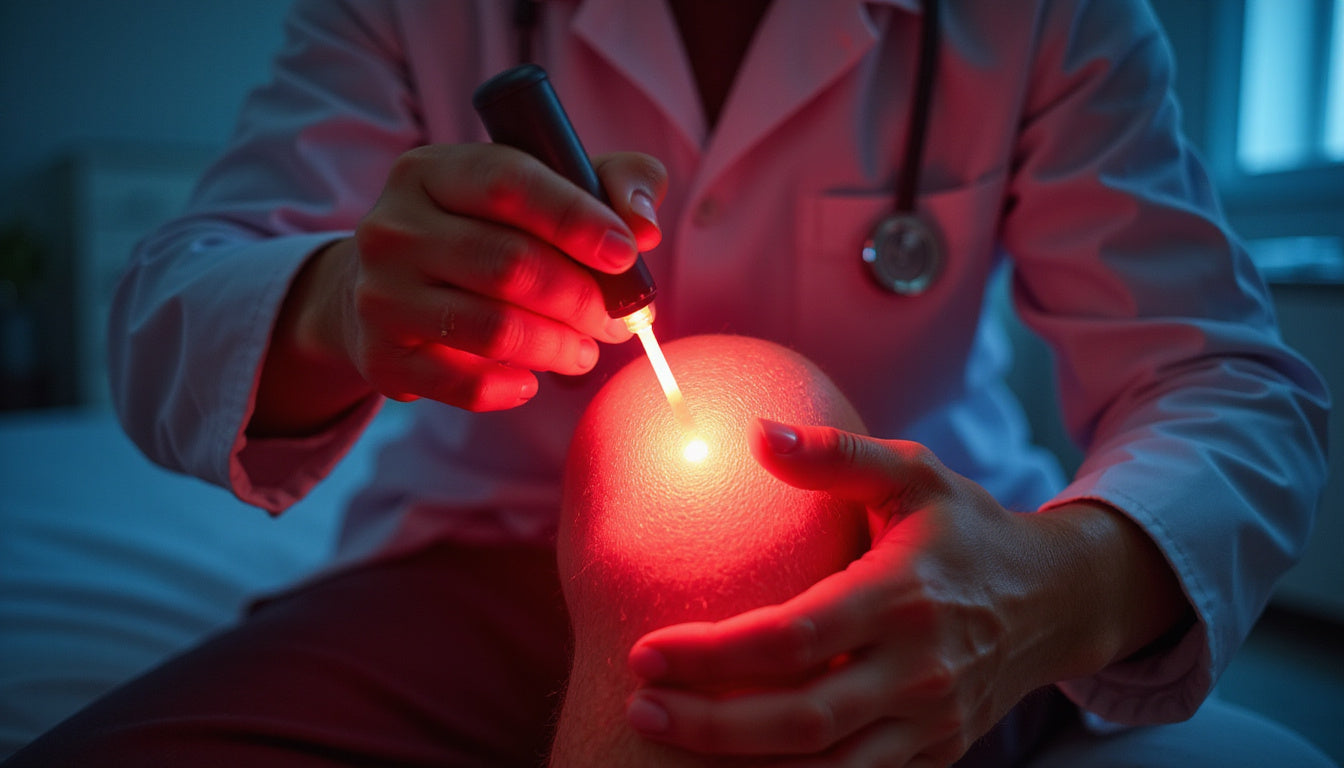
Low-level laser therapy (often called cold laser or photobiomodulation) uses a weak beam of red or near‑infrared light to spark cell repair and calm inflammation. It acts on cells without cutting or heating tissue.
High‑power lasers in surgery work differently. LLLT sends a gentle light at exact wavelengths. These wavelengths carry enough energy to affect cell work but not harm skin. Some call it “cold” laser therapy because it does not heat tissue.
You might meet these names: <ul> <li>Low-level laser therapy (LLLT)</li> <li>Photobiomodulation (PBM)</li> <li>Cold laser therapy</li> <li>Soft laser therapy</li> <li>Low-intensity laser therapy</li> </ul> They all mean using light to nudge cells toward healing.
<h2>How Low-Level Laser Therapy Reduces Pain Fast</h2>
<h4>The Science in Simple Terms</h4>
Within your cells, mitochondria act as small power plants. They make ATP, the energy that fuels repair and daily work.
LLLT aims light at these power plants. Red or near‑infrared light meets mitochondria and starts good changes: <ul> <li><strong>More energy production</strong> – Cells make extra ATP, giving them fuel to mend.</li> <li><strong>Less inflammation</strong> – The light steers signals that lower irritation.</li> <li><strong>Better blood flow</strong> – Blood moves with more ease so that oxygen and food reach trouble spots fast.</li> <li><strong>Fewer pain signals</strong> – Nerve messages soften, and pain fades.</li> </ul> A key molecule in this process is cytochrome c oxidase. Light hits this enzyme, and a chain of reactions improves cell work.
<h4>Why Pain Often Improves Quickly</h4>
Many feel relief soon after a session. Swelling drops, and signals from sore nerves become calm. Muscles near the hurt area also relax. For long issues, repeated sessions work best—but early on, you may feel less stiffness and more ease.
<h2>Key Benefits of Low-Level Laser Therapy</h2>
LLLT finds a home in clinics and home treatments alike. Physiotherapists, chiropractors, and sports experts use it. Its benefits include: <ul> <li><strong>Pain relief without drugs</strong> – This method helps you use fewer painkillers.</li> <li><strong>Faster tissue repair</strong> – Muscles, tendons, and skin heal quicker.</li> <li><strong>Less swelling and inflammation</strong> – This change comes after injury or surgery.</li> <li><strong>Improved joint motion</strong> – Joints move more freely.</li> <li><strong>Support for nerve work</strong> – It helps with some nerve pain and injury issues.</li> <li><strong>Better life quality</strong> – With less pain comes easier sleep and mood, plus more activity.</li> </ul> LLLT works on many body parts, from joints to skin and scalp.
<h2>Conditions Low-Level Laser Therapy Can Help</h2>
<h4>Musculoskeletal Pain and Injuries</h4>
Clinics use LLLT most often for joint pain and strains. It applies to: <ul> <li>Osteoarthritis of knees, hips, and hands</li> <li>Tendon strains like tennis elbow or Achilles issues</li> <li>Muscle pulls or tears</li> <li>Ligament sprains</li> <li>Lower back and neck pain</li> <li>Plantar fasciitis</li> <li>Frozen shoulder</li> </ul> By calming inflammation and urging repair, LLLT can help you return to your routine faster.
<h4>Post-Surgery Recovery</h4>
After an operation, you may face pain, swelling, or tight movement. LLLT helps by cutting the need for extra drugs and by mending wounds. It may also smooth scar tissue and ease motion as you heal. Follow your doctor’s advice on its use.
<h4>Nerve and Neuropathic Pain</h4>
Some use LLLT for nerve problems such as: <ul> <li>Peripheral neuropathy</li> <li>Carpal tunnel syndrome</li> <li>Other nerve entrapments</li> </ul> Studies show that light can help nerve signals work better, which may reduce pain when used often.
<h4>Skin, Wounds, and Inflammation</h4>
LLLT works on surface tissues too. It is sometimes used for: <ul> <li>Slow-healing wounds</li> <li>Pressure sores and diabetic ulcers (when safely done)</li> <li>Some skin conditions (with guidance)</li> </ul> The goal is to quicken repair and help collagen organize well.
<h4>Hair and Scalp Applications</h4>
A popular use of LLLT is for hair loss and scalp care. Some studies show that selected red light wavelengths can: <ul> <li>Encourage hair follicles during growth</li> <li>Boost blood flow in the scalp</li> <li>Help hair look fuller and thicker in some cases</li> </ul> This use brings LLLT into laser hair growth caps and combs. Yet, a proper scalp care routine is needed for the best results.
<h2>Combining Low-Level Laser Therapy with Watermans Grow Me Shampoo</h2>
If you try LLLT for hair loss, combining it with a scalp care product can build a strong routine.
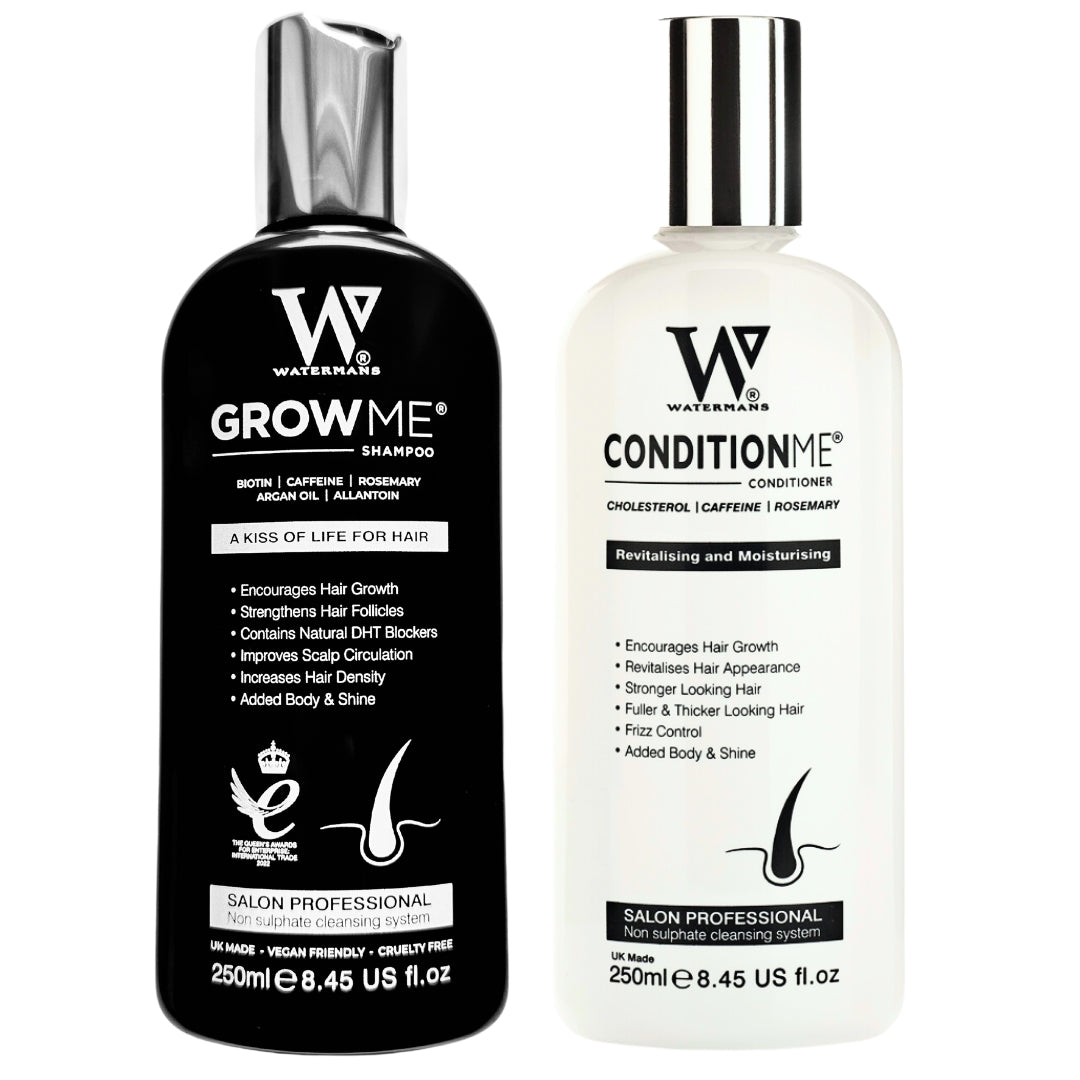
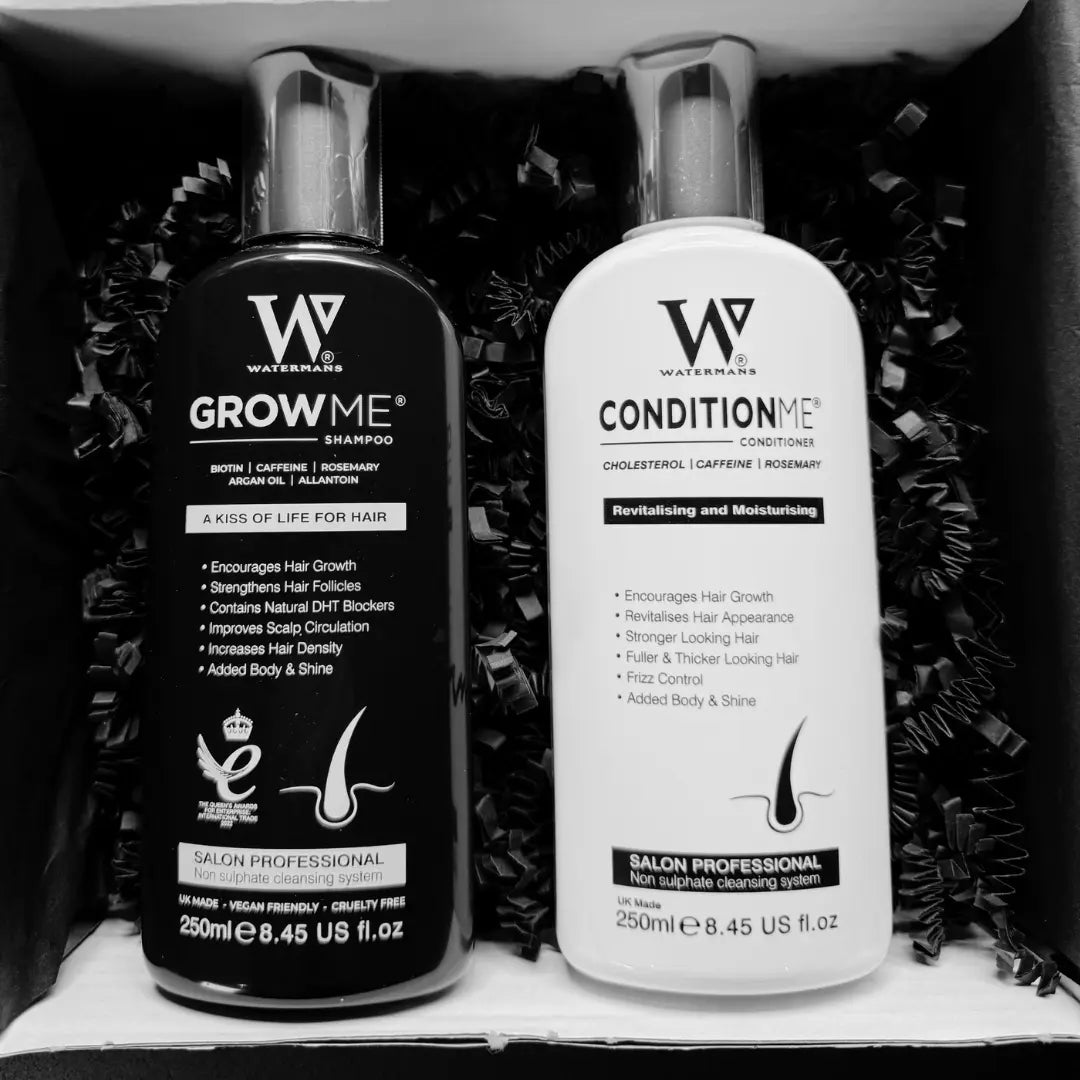
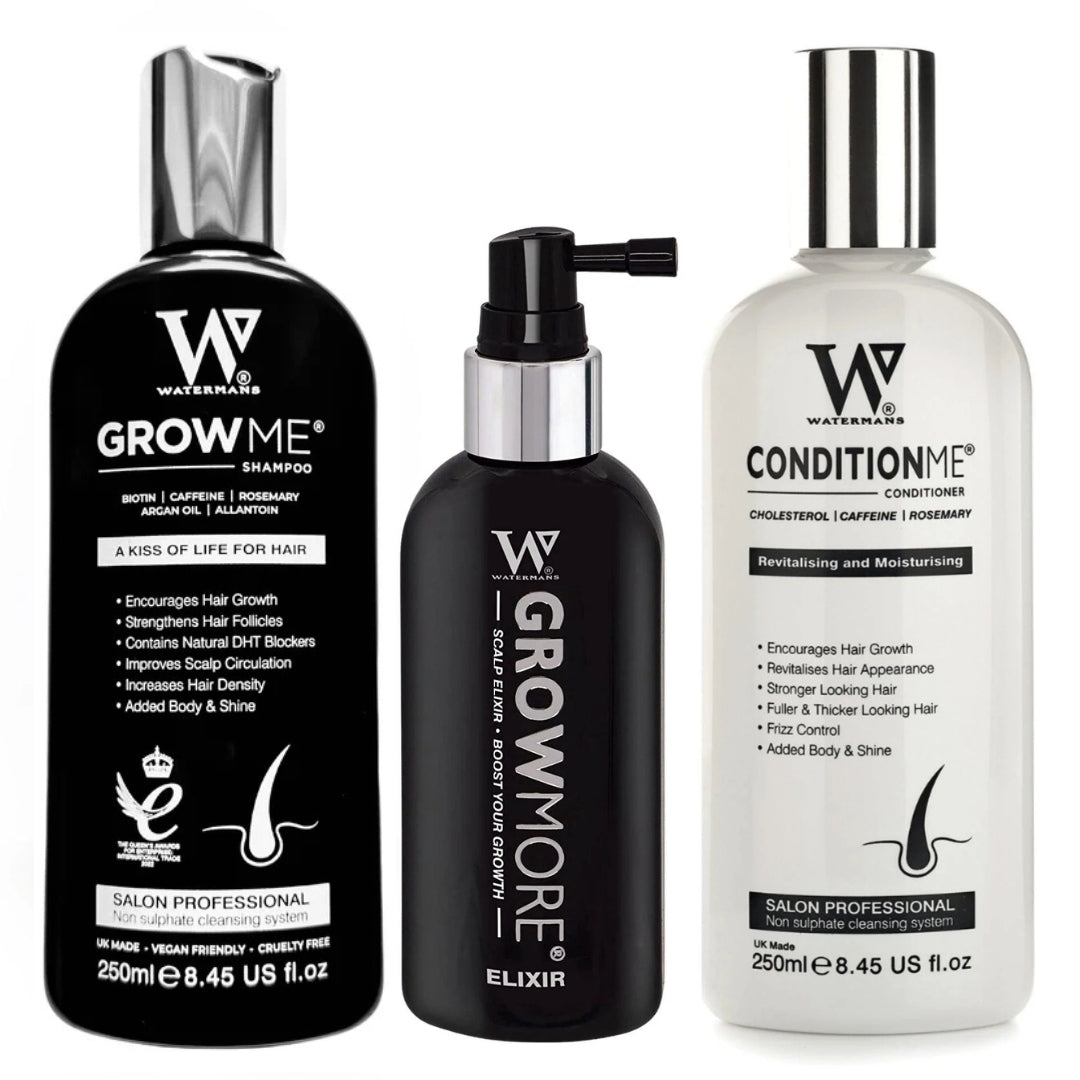
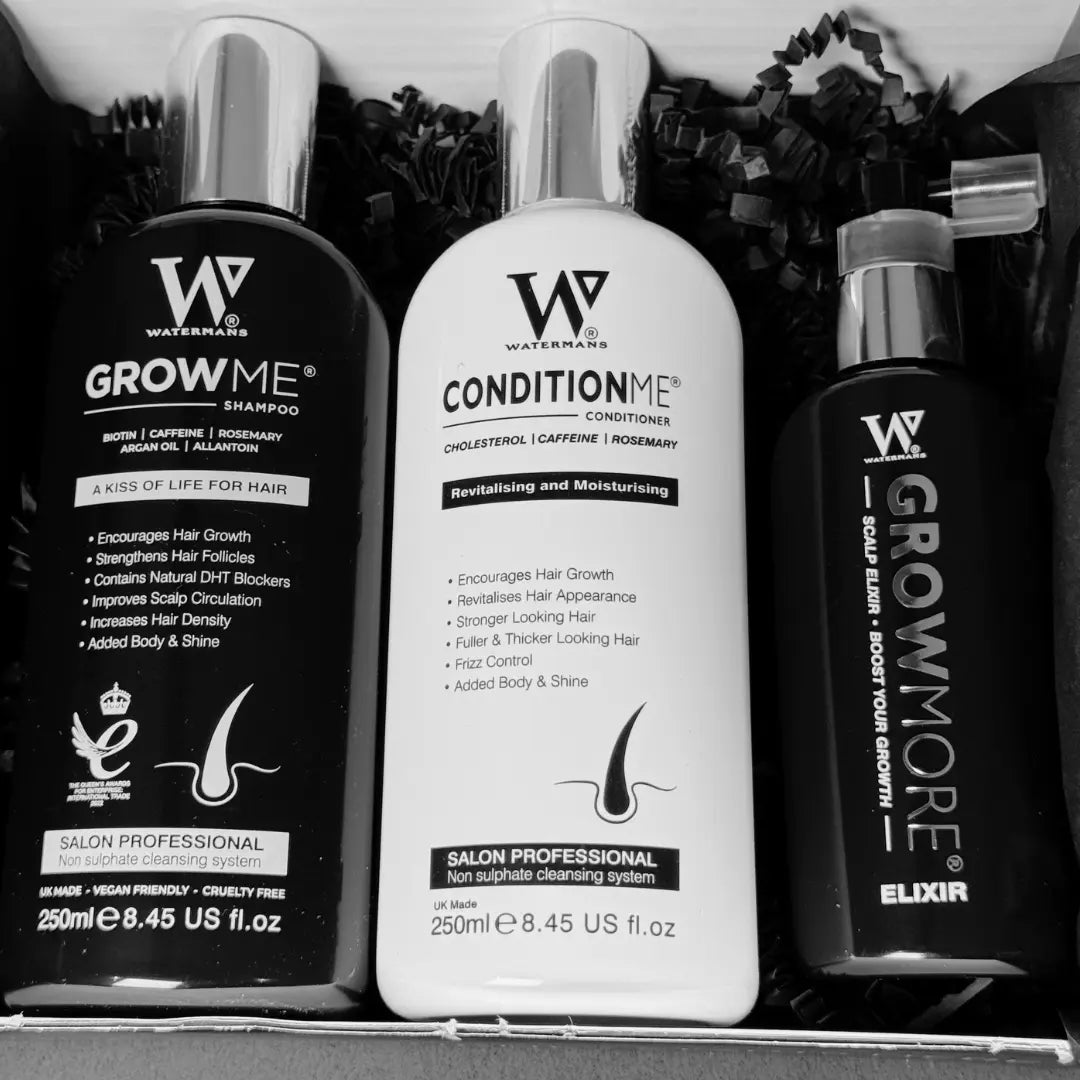
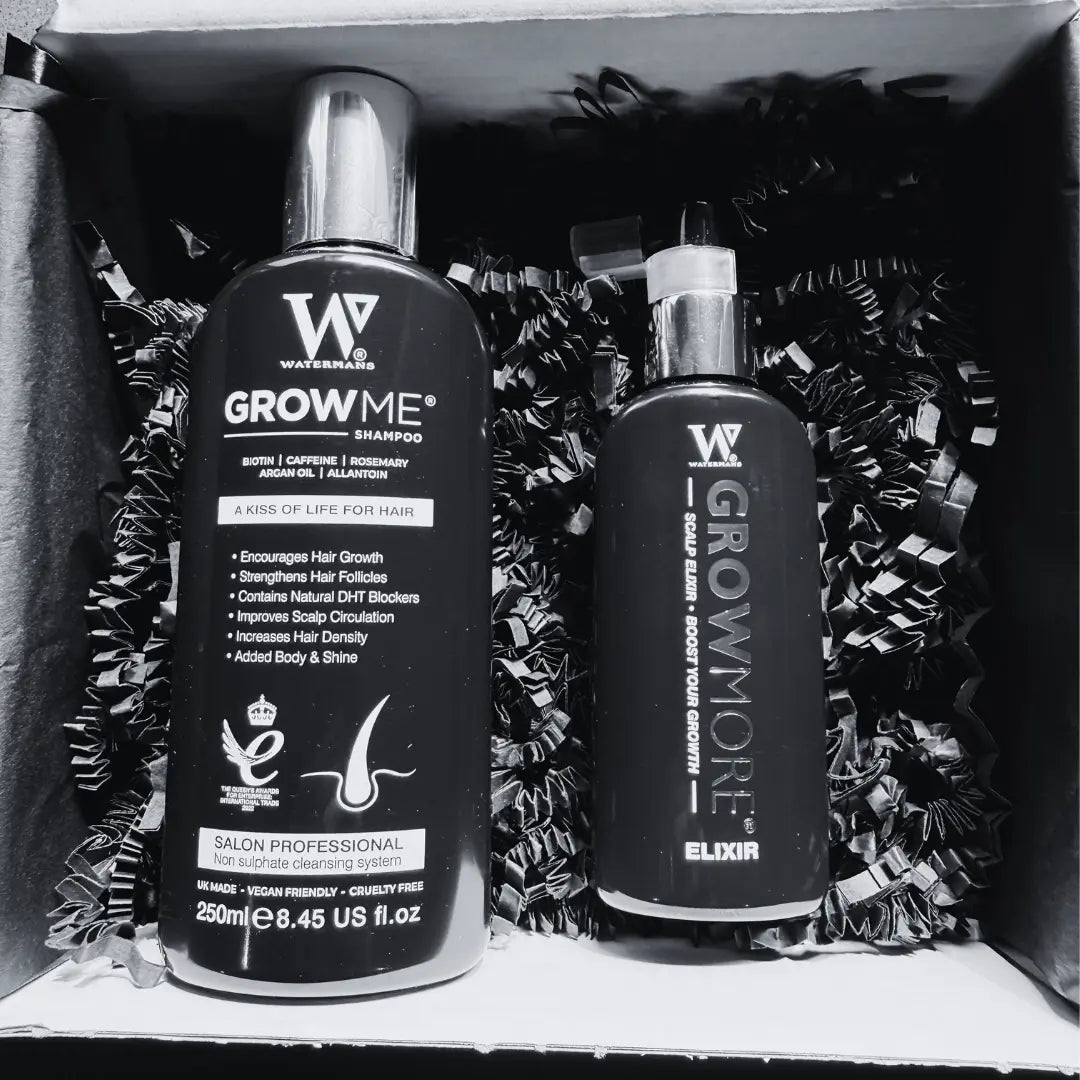
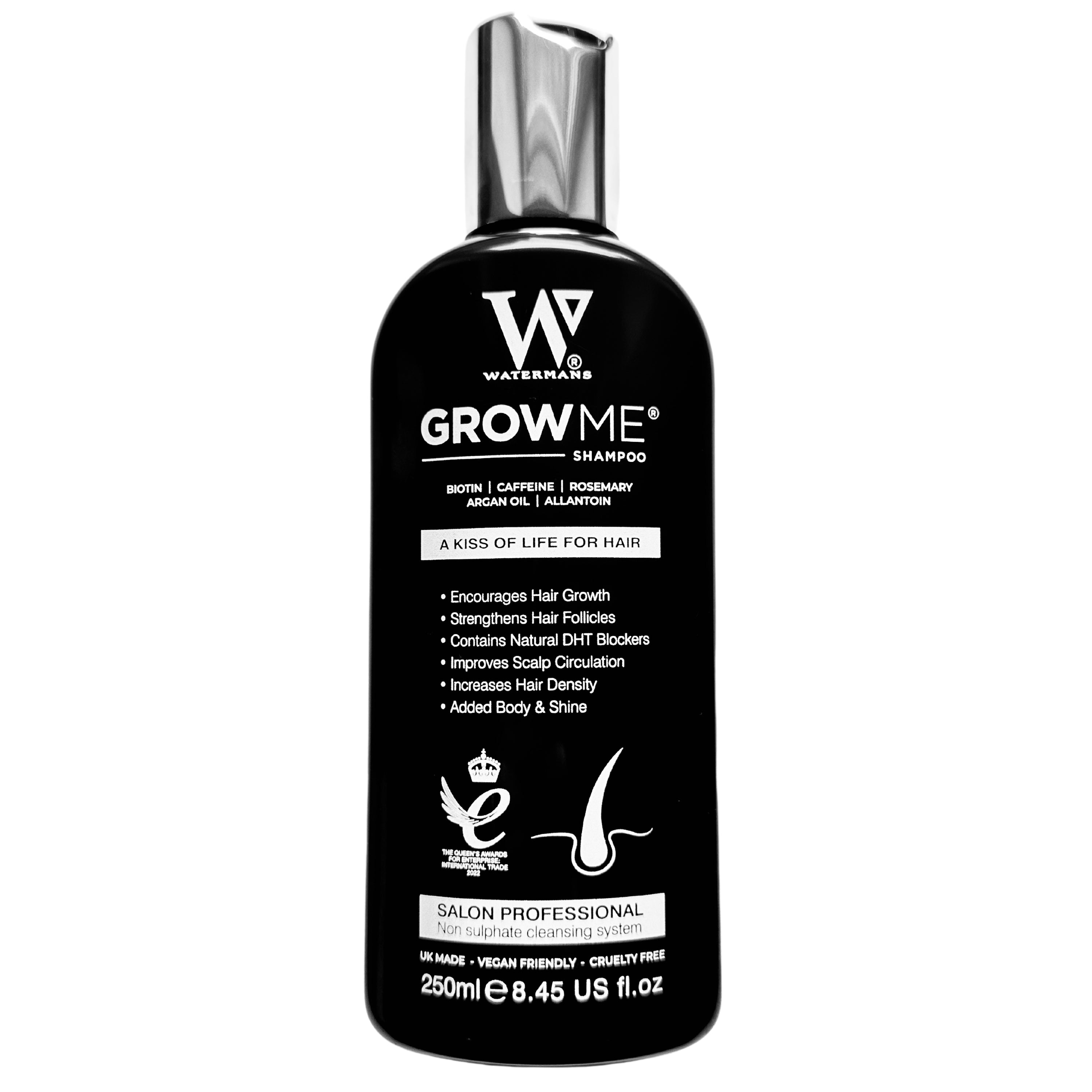
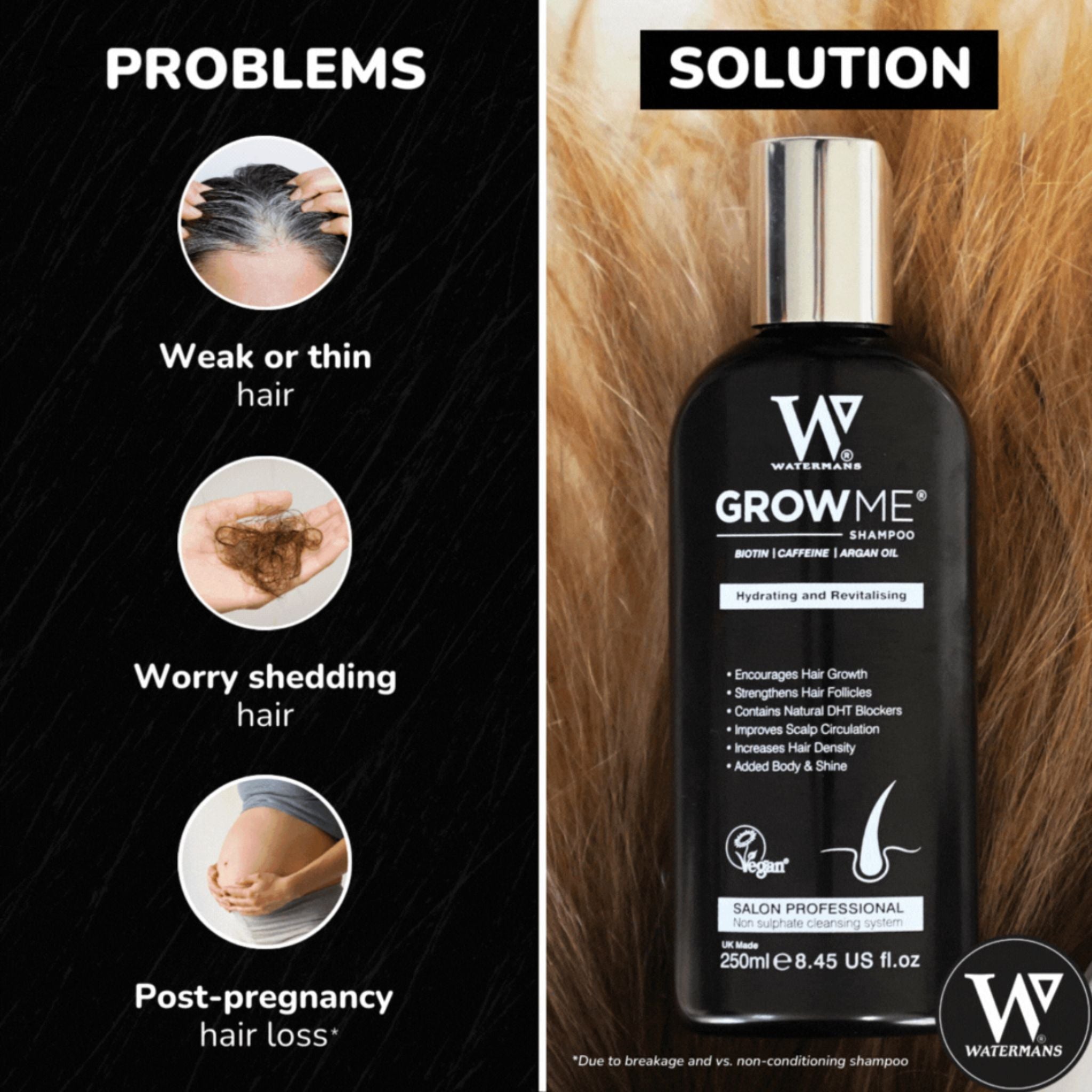
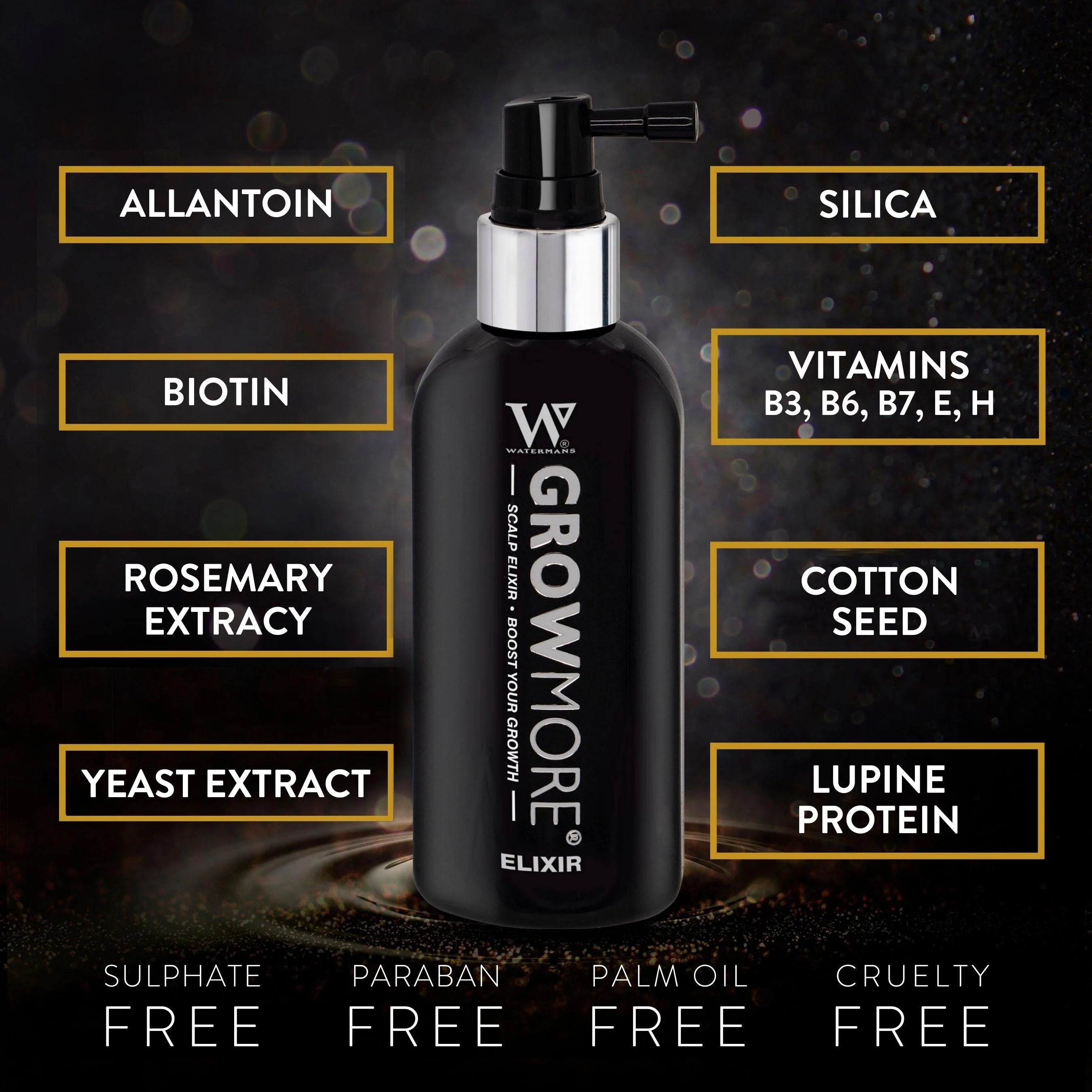
Watermans Grow Me Shampoo works to clean and wake up your scalp and roots. Its blend includes: <ul> <li><strong>Biotin</strong> – Helps build keratin and gives hair strength.</li> <li><strong>Rosemary</strong> – Often used to boost circulation in the scalp.</li> <li><strong>Caffeine</strong> – Acts right at the hair follicle base.</li> <li><strong>Niacinamide</strong> – Aids scalp function and blood flow.</li> <li><strong>Argan Oil</strong> – Gives nourishment and cuts breakage.</li> <li><strong>Allantoin</strong> – Soothes the scalp gently.</li> <li><strong>Lupin Protein</strong> – Helps lock in hair strength.</li> </ul> As LLLT wakes scalp cells and improves blood flow, washing with Watermans Grow Me Shampoo helps keep the scalp clean and ready for growth.
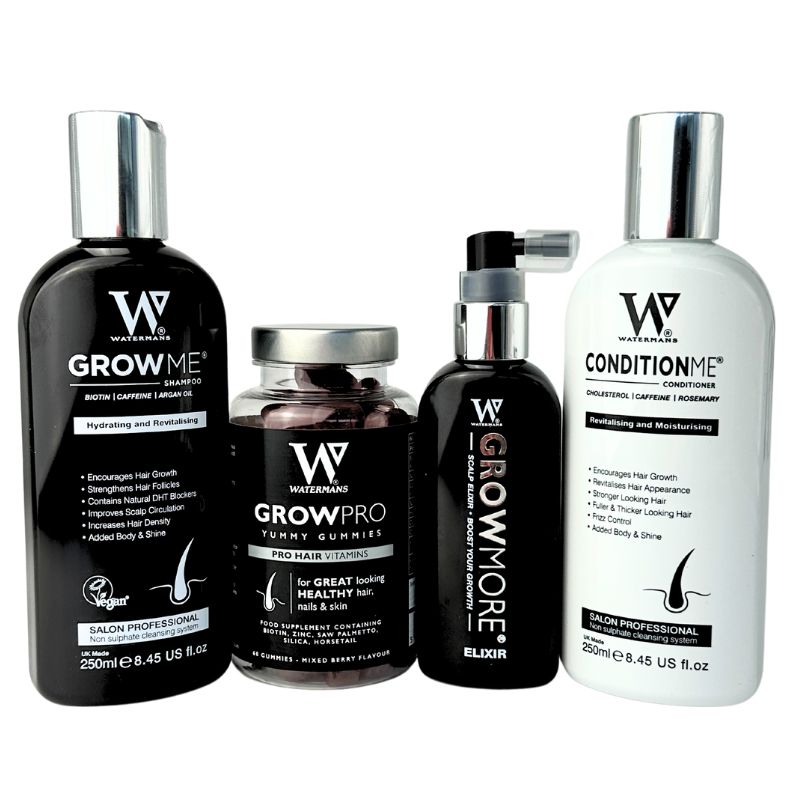
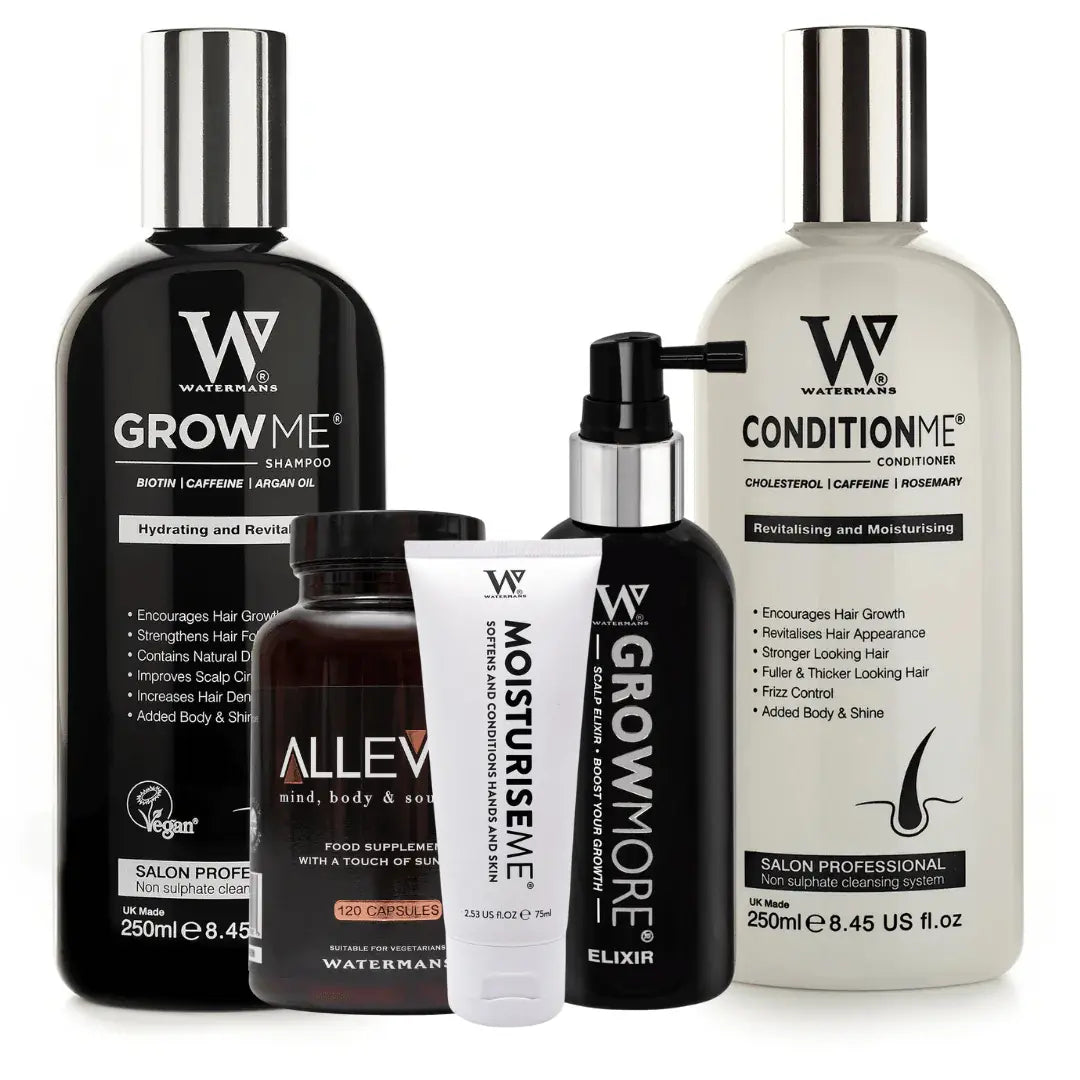
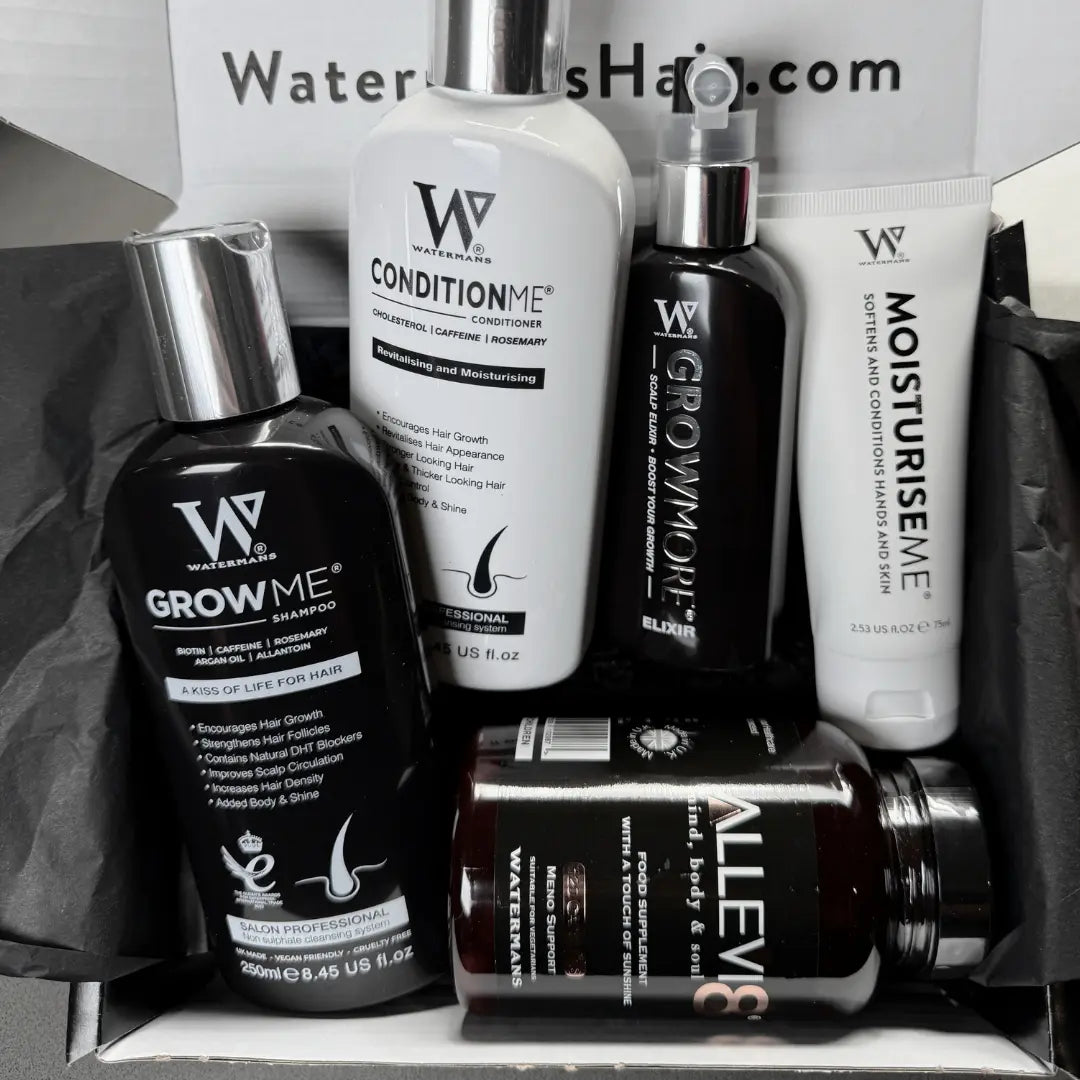
For those who want more care, the <a href="https://watermanshair.com/products/hair-growth-boost-set">Watermans Hair Survival Kit</a> brings extra products that work side by side to support your hair and scalp.
<h2>How a Typical Low-Level Laser Therapy Session Works</h2>
<h4>What to Expect at a Clinic</h4>
When you visit a clinic, here is what you may see: <ol> <li><strong>Check-Up:</strong> A practitioner asks about your pain, history, and goals.</li> <li><strong>Target Spot:</strong> They choose the area for the light.</li> <li><strong>Device Setup:</strong> They set the light’s wavelength, power, and time.</li> <li><strong>Session:</strong> The device rests over your skin. You might see red light and may feel slight warmth.</li> <li><strong>Session Length:</strong> It lasts a few to about 20–30 minutes.</li> <li><strong>Frequency:</strong> You may get 2–3 sessions weekly, then less as you improve.</li> </ol> You can usually return to your tasks right after the session.
<h4>At-Home Low-Level Laser Therapy Devices</h4>
Many use LLLT devices at home for: <ul> <li>Joint and muscle pain</li> <li>Back and neck discomfort</li> <li>Scalp and hair care</li> </ul> If you choose a home device: <ul> <li>Check that it states clear numbers for wavelength and power.</li> <li>Read the directions on how long and how often to use it.</li> <li>Be steady. Regular sessions help, rather than one or two uses.</li> </ul> For hair, many use laser caps or combs several times a week. Then they wash with Watermans Grow Me Shampoo to keep the scalp in good shape.
<h2>Best Practices for Using Low-Level Laser Therapy</h2>
<h4>1. Get a Proper Diagnosis First</h4>
Before you start, especially for long pain or hair loss, know your situation well. Learn the cause of your pain. Check that serious issues are not hidden. Ask a trusted health professional to guide you.
<h4>2. Stay Steady with Sessions</h4>
LLLT works best when you use it regularly. Short, steady sessions over weeks or months build a good effect. Think of it like small training sessions for your cells.
<h4>3. Mix LLLT with Good Daily Habits</h4>
For pain: <ul> <li>Keep gentle movement or follow a rehab plan.</li> <li>Give your body enough sleep, water, and food that calms inflammation.</li> <li>Keep stress low, so pain does not feel worse.</li> </ul> For hair and scalp: <ul> <li>Use Watermans Grow Me Shampoo as part of your wash routine.</li> <li>Avoid high heat on your hair or hairstyles that pull too tight.</li> <li>Eat a balanced diet with enough protein, iron, and others that help hair.</li> </ul>
<h4>4. Keep Your Eyes Safe</h4>
Even if LLLT is mild, do not let the beam hit your eyes. In clinics, protective glasses come with the treatment. At home, do not stare into the light and follow safety rules.

<h4>5. Check Your Progress</h4>
Note the changes you feel: <ul> <li>Keep a score for pain (0–10).</li> <li>Watch how well you move and do daily activities.</li> <li>For hair, take pictures of your scalp every few weeks under the same light.</li> </ul> These small steps help you see change over time.
<h2>Safety and Side Effects of Low-Level Laser Therapy</h2>
LLLT is safe in the right settings. It is non-invasive and does not burn tissue. Most people find it easy and kind.
Some may see mild reactions: <ul> <li>Slight pain or soreness as tissues wake up</li> <li>Mild redness where it is applied</li> <li>A brief headache or a bit of fatigue</li> </ul> These signs usually pass quickly as your cells get active.
<h4>Who Should Be Cautious or Avoid LLLT</h4>
Speak with a health expert before starting if you: <ul> <li>Are pregnant (especially on the belly or lower back)</li> <li>Have cancer or a cancer history in the spot being treated</li> <li>Have epilepsy or a strong sensitivity to light</li> <li>Take medicine that makes you light sensitive</li> </ul> Avoid using LLLT on: <ul> <li>Your eyes</li> <li>Areas of active bleeding</li> <li>Known cancer spots (without a specialist’s advice)</li> <li>The thyroid (unless a specialist guides you)</li> </ul> When done well, LLLT remains one of the gentlest healing tools.
<h2>Low-Level Laser Therapy vs. Pain Medications</h2>
<h4>How They Differ</h4>
<strong>Pain medications</strong> such as NSAIDs or opioids work by dulling the pain message. They may cut inflammation but do not drive repair. They can also cause stomach, kidney, sleep, or dependency issues.
<strong>Low-level laser therapy</strong> works from inside the cells. It helps lessen the root cause of the pain by urging healing and reducing inflammation. It comes with few unwanted effects when used right.
They sometimes work side by side, yet many who choose LLLT hope to cut back on drugs and aim for steady healing over quick fixes.
<h2>Low-Level Laser Therapy and Hair Thinning: A Closer Look</h2>
Hair thinning and scalp troubles hurt feelings. LLLT helps some by working with your body’s own repair drive.
<h4>How LLLT May Help Hair</h4>
For types such as pattern thinning, studies show LLLT: <ul> <li>Encourages more hair follicles to stay in growth mode</li> <li>Improves blood flow so follicles get more food</li> <li>May thicken the hair shaft to boost density</li> </ul> Common devices for hair include: <ul> <li>Laser caps or helmets</li> <li>Laser combs or bands</li> <li>LED devices meant for the scalp</li> </ul>
<h4>Why Topical Support Still Matters</h4>
Light cannot: <ul> <li>Clear buildup on the scalp</li> <li>Fix oils that are unbalanced</li> <li>Supply nutrients or calming relief</li> </ul> That is why a hair shampoo like <strong>Watermans Grow Me Shampoo</strong> is a good match. It brings: <ul> <li>Scalp-wake ingredients such as Caffeine and Rosemary</li> <li>Follicle-help vitamins like Biotin and Niacinamide</li> <li>Conditioning oils like Argan Oil</li> <li>Soothing elements as Allantoin</li> <li>Plant proteins such as Lupin Protein</li> </ul> Together, a daily routine with LLLT and the shampoo supports both the inside and outside of hair care.
For a fuller plan, the <a href="https://watermanshair.com/products/hair-growth-boost-set">Watermans Hair Survival Kit</a> yields a mix of products that work well with LLLT.
<h2>Who Is a Good Candidate for Low-Level Laser Therapy?</h2>
You may fit LLLT if you: <ul> <li>Want an option that avoids drugs and cuts pain without cuts</li> <li>Recover from a muscle or joint strain</li> <li>Face ongoing joint or back pain and need better movement</li> <li>Prefer repeated sessions over one-time fixes</li> <li>Hope to address hair thinning with a gentle method</li> </ul> A detailed check by a doctor is wise if you: <ul> <li>Have strong health issues</li> <li>Are pregnant</li> <li>Have active cancer or a past tumour in the area</li> <li>Take light-sensitive medicine</li> </ul> For hair and scalp care, a steady use of something like Watermans Grow Me Shampoo, along with careful styling and nutrition, works best.
<h2>How to Integrate Low-Level Laser Therapy into Your Routine</h2>
<h4>For Pain and Recovery</h4>
A weekly plan might be: <ul> <li>2–3 sessions focused on the pain area</li> <li>Light movement or exercises as advised</li> <li>Good sleep, water, and food that helps repair tissue</li> <li>Note your pain levels and movement each week</li> <li>A doctor may check in with you to adjust sessions</li> </ul>
<h4>For Hair and Scalp Health</h4>
If your aim is hair and scalp:
<h2>Pros and Cons of Low-Level Laser Therapy</h2>
This guide helps you see what fits: <ul> <li><strong>Pros</strong> <ul> <li>Non-invasive and most often painless</li> <li>A drug-free method with few side effects when done right</li> <li>Helps with both pain and tissue repair</li> <li>Works for ongoing issues where some methods fall short</li> <li>Pairs well with scalp products like Watermans Grow Me Shampoo</li> </ul> </li> <li><strong>Cons</strong> <ul> <li>Needs regular sessions over time</li> <li>High-quality devices or clinic visits may cost more</li> <li>Results depend on your unique body and the condition</li> <li>Not for use on some areas (eyes, active tumours, certain thyroid parts)</li> <li>Cannot replace full medical care when it is needed</li> </ul> </li> </ul>
<h2>Frequently Asked Questions About Low-Level Laser Therapy</h2>
<h4>1. Does low-level laser therapy really work for pain?</h4>
Yes. Studies show that LLLT can cut pain and ease inflammation from joint issues, muscle pulls, tendon problems, and some back and neck pain. It works by boosting cell energy, cutting release of inflammatory chemicals, and helping blood flow. Repeated sessions with a good rehab plan work best.
<h4>2. Can low-level laser therapy help with hair growth?</h4>
Yes. LLLT supports denser hair and helps the scalp stay healthy in some types of thinning hair. Many people use laser caps or combs while also washing with <a href="https://watermanshair.com/products/best-hair-growth-shampoo-fast-hair-growth">Watermans Grow Me Shampoo</a>. This shampoo adds Biotin, Rosemary, Caffeine, Niacinamide, Argan Oil, Allantoin, and Lupin Protein that work at the roots.
<h4>3. Is low-level laser therapy safe for long-term use?</h4>
Yes. When you follow the instructions, LLLT is safe over long periods. The light stays low and does not heat tissue. However, do not look directly at the light and check with a doctor if you are pregnant, have cancer, or take light-sensitive drugs.
<h2>Take the Next Step: Pair Low-Level Laser Therapy with Smart Support</h2>
If you seek quick pain relief without drugs or help for thinning hair without harsh treatments, LLLT may be for you. It works with your body to cut pain and support recovery.
Pairing LLLT with a solid routine such as using <a href="https://watermanshair.com/products/best-hair-growth-shampoo-fast-hair-growth">Watermans Grow Me Shampoo</a> can boost scalp care and help make hair look full and strong. For a more rounded plan, the <a href="https://watermanshair.com/products/hair-growth-boost-set">Watermans Hair Survival Kit</a> brings together products that work side by side with LLLT.
Take steady, daily steps, and you might soon feel less pain, move with ease, and see stronger, fuller hair—all without drugs.




%20uses%20soft%20light%20to%20guide%20body%20cells.%20It%20works%20without%20drugs%20by%20easing%20pain,%20speedi...)