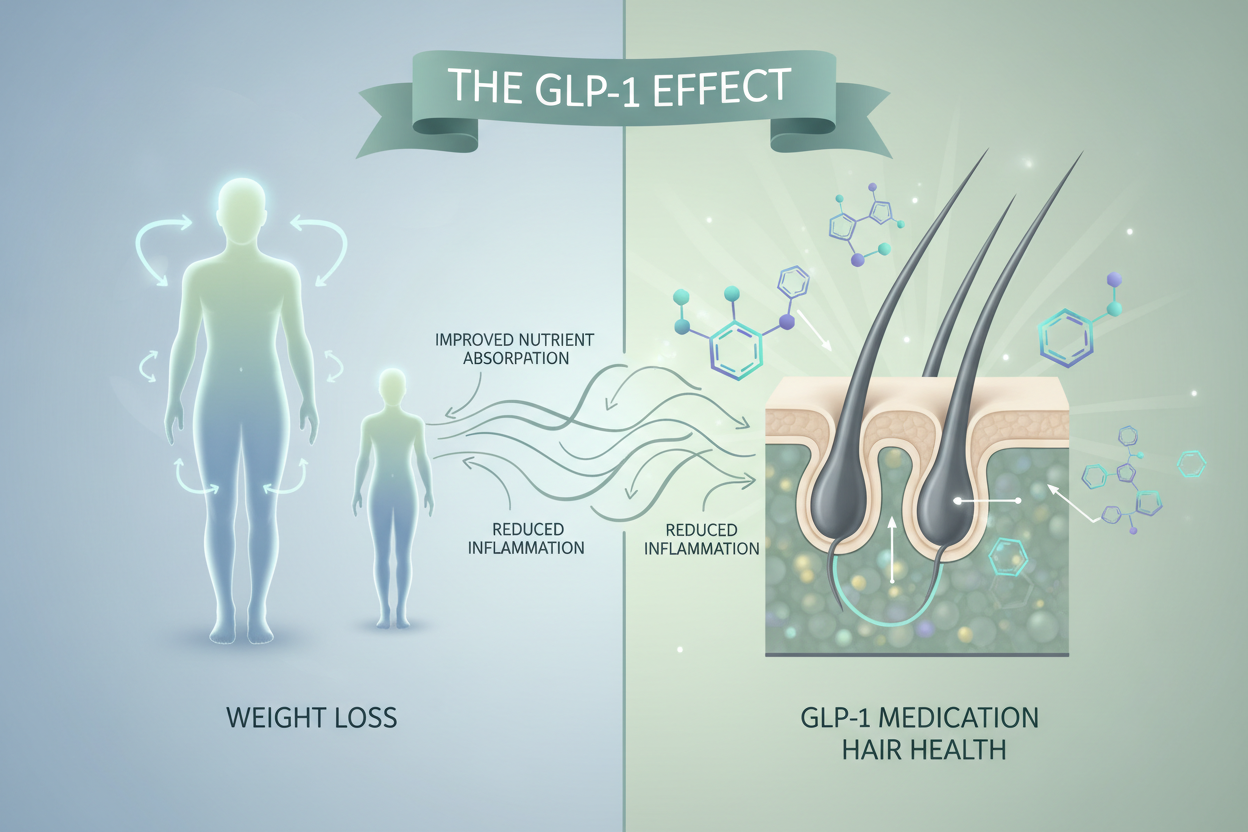
GLP-1 Ozempic Hair loss
GLP-1 medications such as Ozempic have transformed weight loss and type 2 diabetes management – but more and more people are now searching for “GLP-1 Ozempic hair loss” after noticing increased shedding while on these injections. At the same time, demand has surged for targeted hair support like Watermans hair growth shampoos, conditioners and treatments, designed to create the best possible environment for stronger, fuller-looking hair
This guide breaks down what current research really says about GLP-1 Ozempic hair loss, why rapid weight loss can shock the hair growth cycle, and the practical steps you can take – including nutrition, lifestyle and scalp care – to protect your hair while you’re on a GLP-1 journey.
Important: This article is for educational purposes only and does not replace medical advice. Always speak to your prescriber, GP or endocrinologist before making changes to your medication.
Quick overview of GLP-1 and Ozempic
Ozempic is the brand name for semaglutide, a GLP-1 receptor agonist originally approved to help manage blood sugar in adults with type 2 diabetes. It mimics a natural hormone that slows stomach emptying, reduces appetite and improves insulin secretion, which is why many people also experience significant weight loss on GLP-1 treatments
Hair loss is not listed as a core side effect on the Ozempic prescribing information itself, but clinical trials and newer real-world studies of GLP-1 medications (including semaglutide for weight loss) have reported non-scarring hair loss and increased shedding in a small percentage of users.:contentReference[oaicite:2]{index=2}
So why are people talking about “GLP-1 Ozempic hair loss”?
There are two key pieces to understand:
- GLP-1 medicines can drive fast, dramatic weight loss – especially in the first 6–12 months.
- Rapid weight loss and nutritional stress are well-known triggers for a condition called telogen effluvium, a temporary shedding phase where more hairs than usual shift into the “resting” (telogen) stage and fall out
Recent data suggest that people losing more than about 15–20% of their body weight in a relatively short time are especially likely to report shedding, regardless of whether they used GLP-1s or more traditional diet methods
In other words, for many people the issue is less “Does Ozempic directly cause hair loss?” and more “Is the speed and style of weight loss putting my hair under stress?”
What the latest research says about GLP-1 Ozempic hair loss
Emerging research has started to look specifically at GLP-1 medications and hair shedding:
- A large real-world cohort study found a higher incidence of non-scarring hair loss (including telogen effluvium) in people using GLP-1 receptor agonists compared with some other diabetes therapies, though it couldn’t prove direct causation.
- A scoping review of GLP-1-related skin and hair effects documented frequent reports of alopecia with semaglutide and related drugs and called for more rigorous clinical trials.:contentReference[oaicite:5]{index=5}
- In weight-loss trials of semaglutide (Wegovy), hair loss was reported in around 3–5% of adults, compared with about 1% on placebo.
Most authors believe the primary mechanism is still telogen effluvium from rapid weight loss, potential calorie or protein deficiency, and the overall metabolic “shock” to the body – rather than the GLP-1 molecule directly attacking the hair follicle. But because the class is relatively new, the dermatology world is watching this signal closely.
Did you know?
According to the U.S. National Institutes of Health, telogen effluvium is a non-scarring form of hair loss that usually presents 2–3 months after a trigger such as illness, surgery, medication changes or major weight loss. Most cases improve over several months once the trigger stabilises. You can read more in this NIH overview of telogen effluvium
How GLP-1 weight loss can stress your hair
When you start a powerful appetite-suppressing treatment like Ozempic, several hair-relevant things often happen at once:
- Lower calorie intake: You simply eat less, which can quickly create a calorie and nutrient gap.
- Reduced protein: Many people unintentionally cut protein first, yet your hair is made mostly from keratin – a protein that depends on adequate amino acids, iron, zinc, B-vitamins and more.
- Micronutrient deficits: Crash-style eating patterns can lead to low iron, vitamin D, B12, folate and essential fatty acids – all linked to weakened or shedding hair when deficient.
- Physiological stress: Rapid weight loss is “stressful” to the body, and the hair follicle is extremely sensitive to systemic stress signals.
Put together, this is the perfect storm for telogen effluvium – which shows up as diffuse shedding (lots of hair in the brush, shower or pillow) roughly 8–12 weeks after the main trigger.
Where Watermans fits in: supporting your hair during GLP-1 treatment
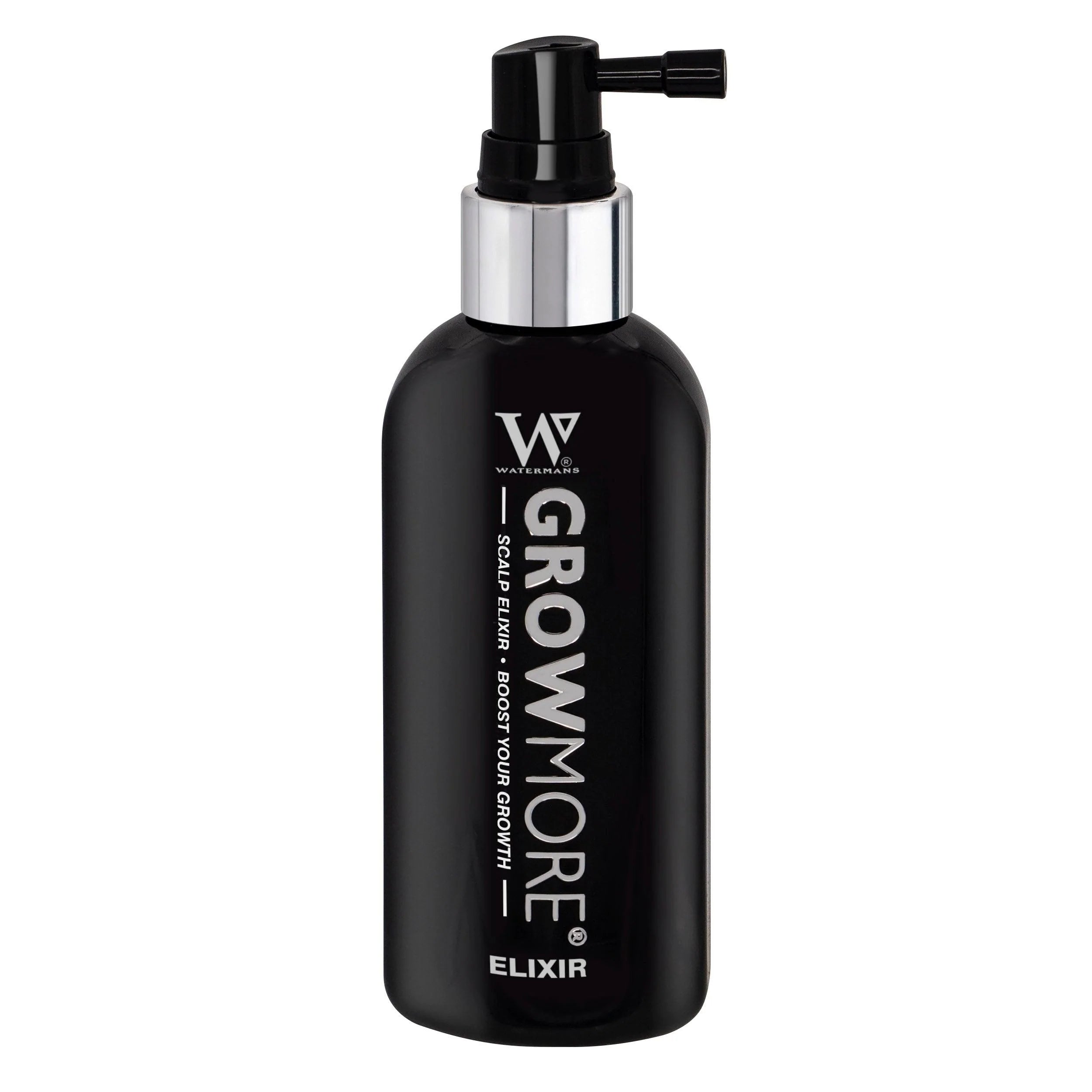
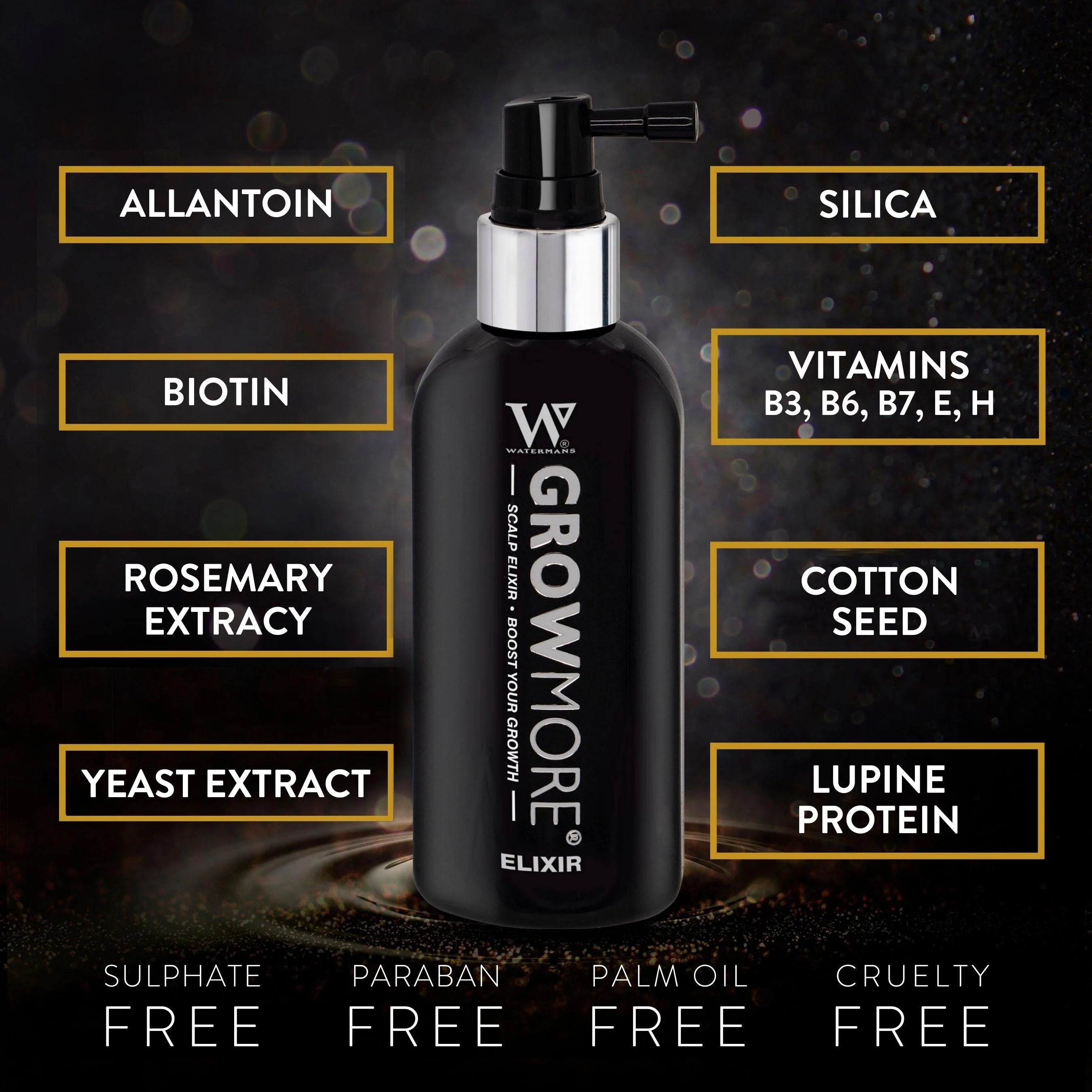
While you and your prescribing clinician focus on safely managing GLP-1 dosing, Watermans focuses on what you can control at scalp level: improving your hair and scalp environment so that, as your body adapts to weight loss, your hair has the best chance of staying stronger, thicker and more resilient
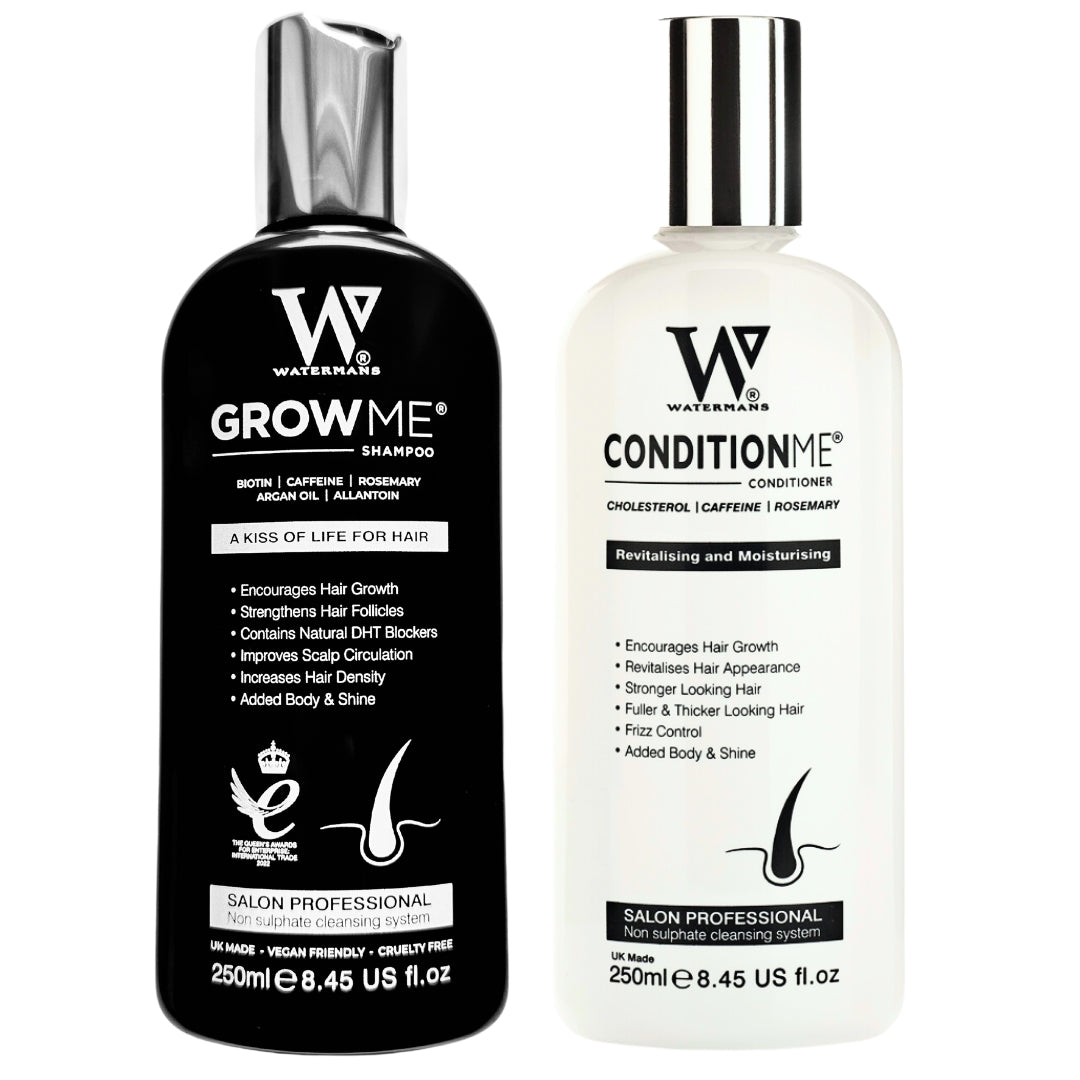
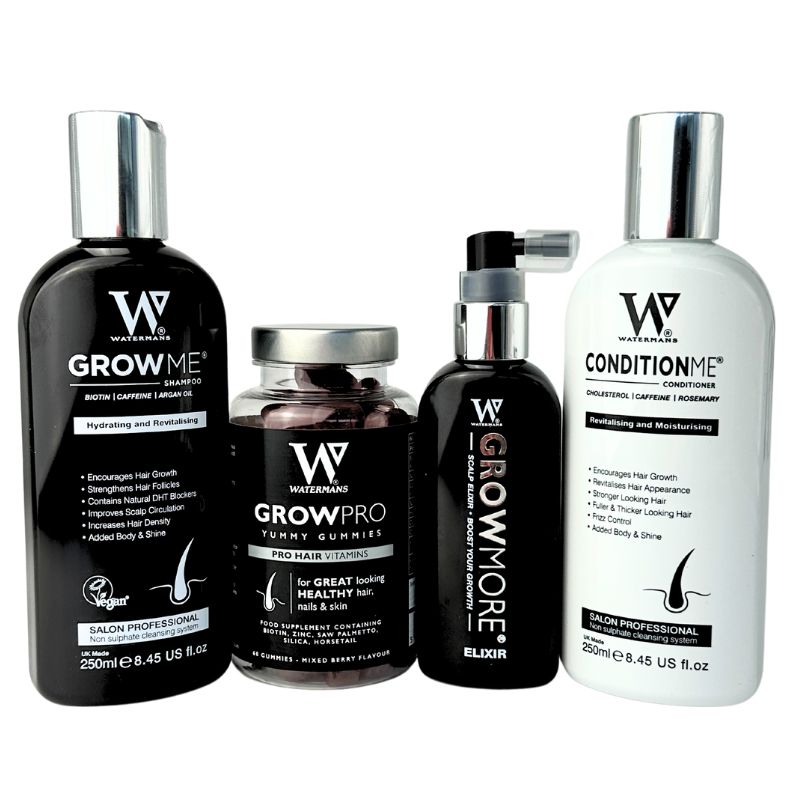
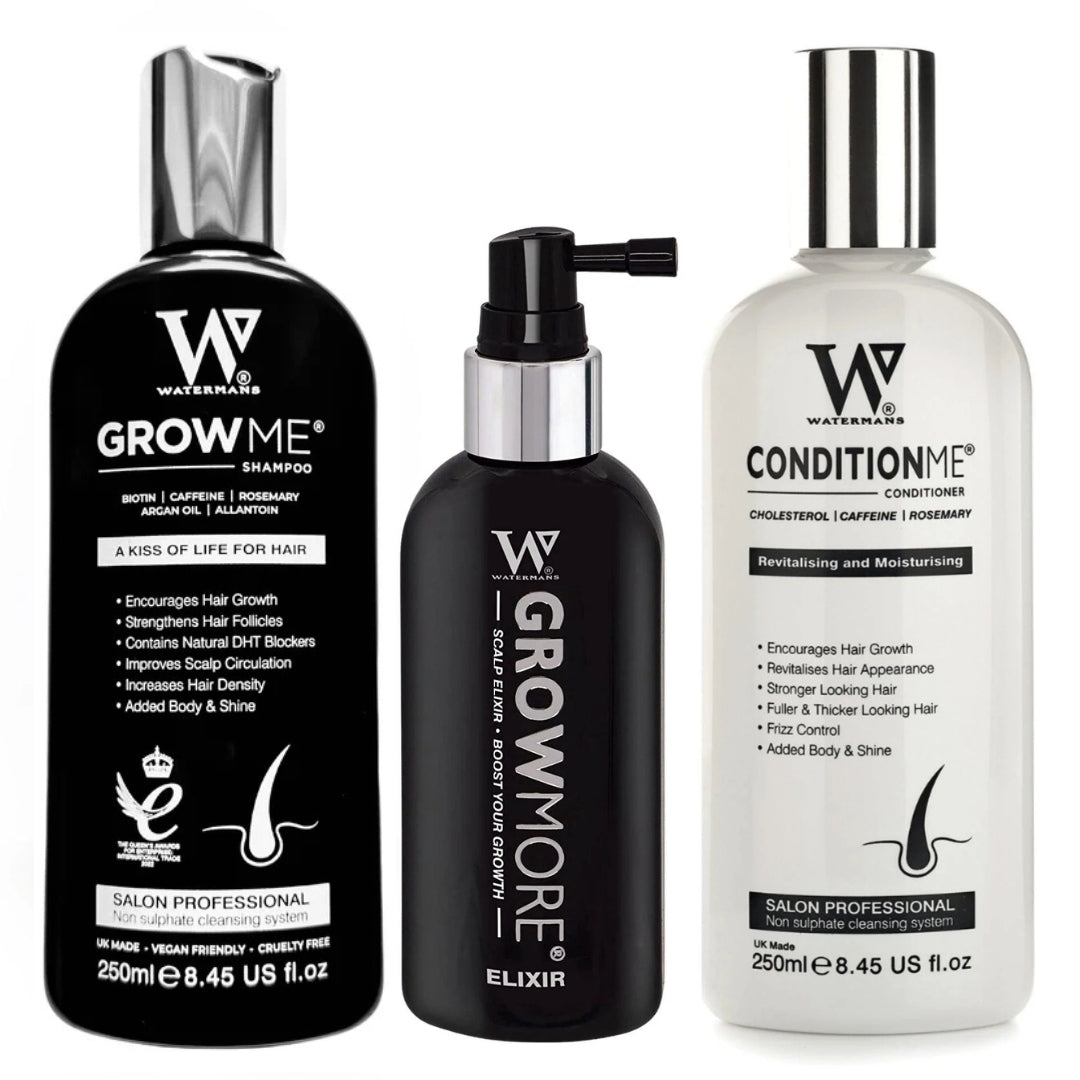
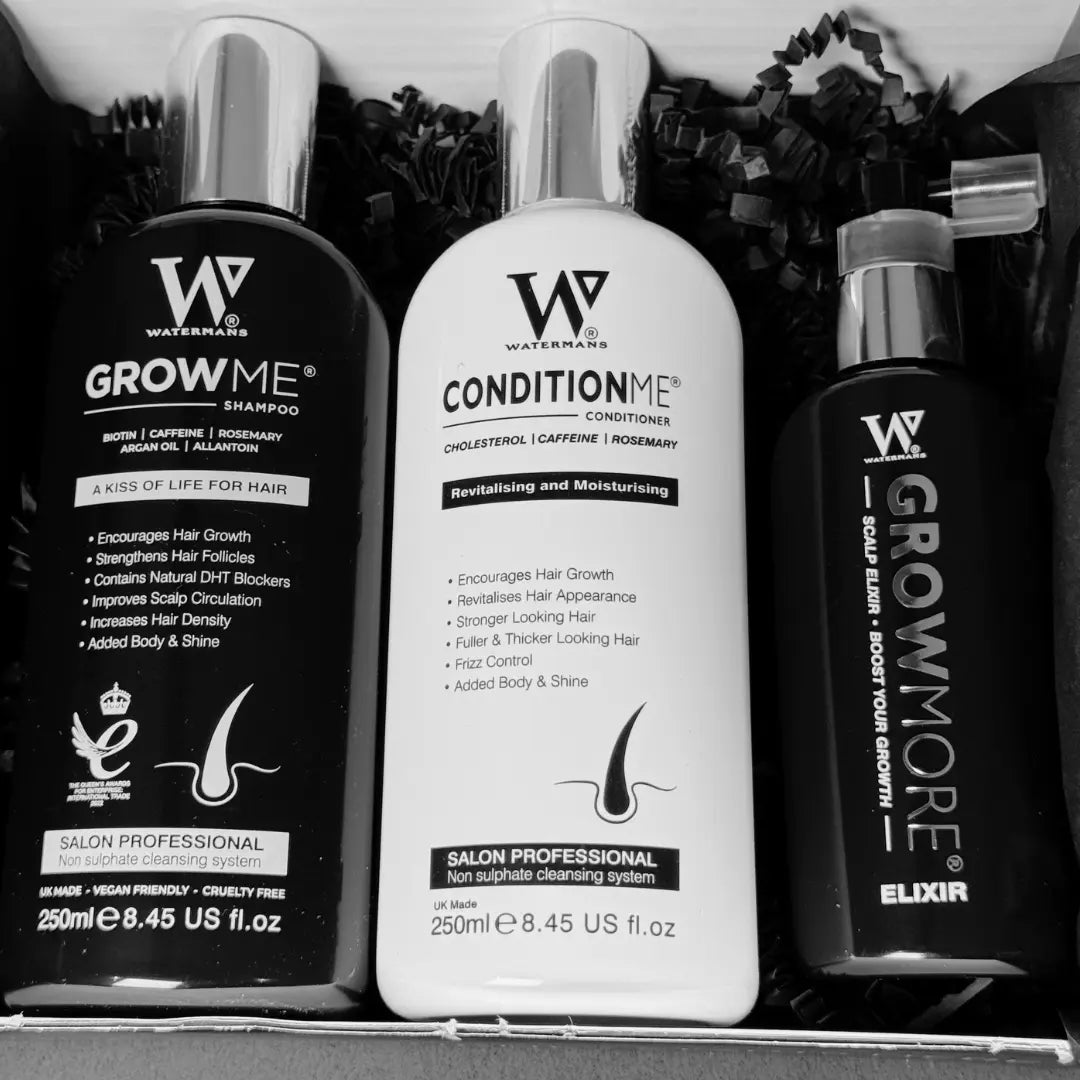
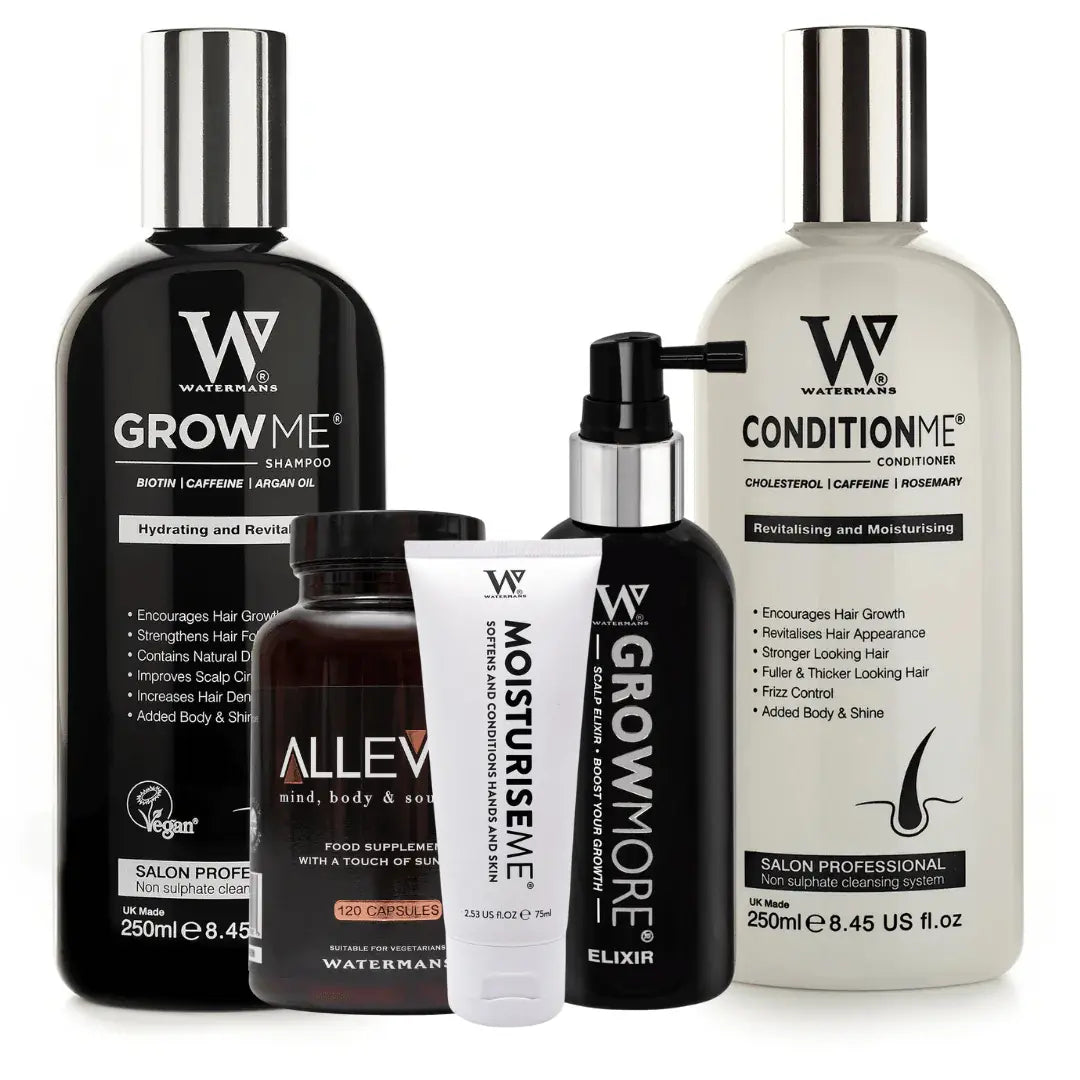
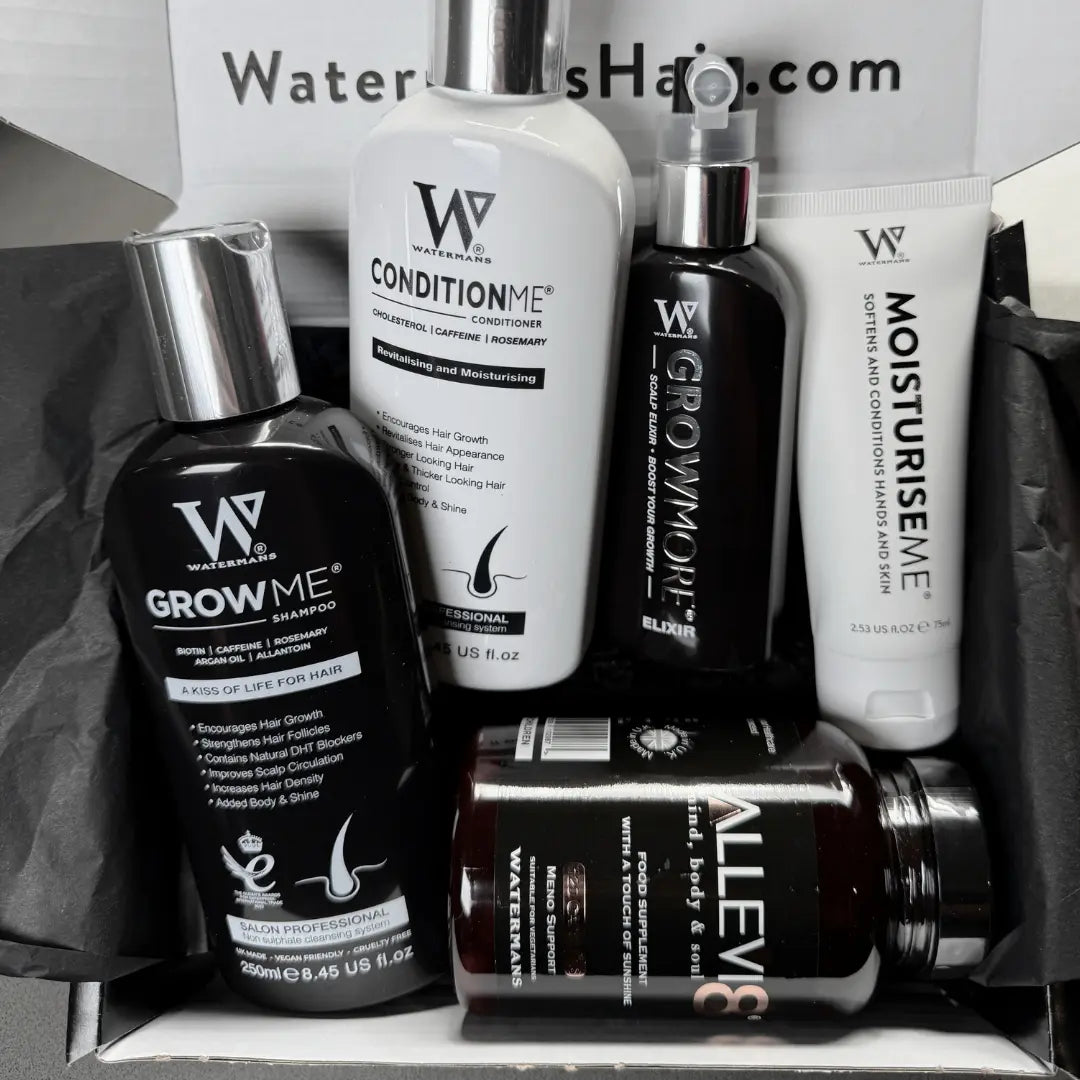
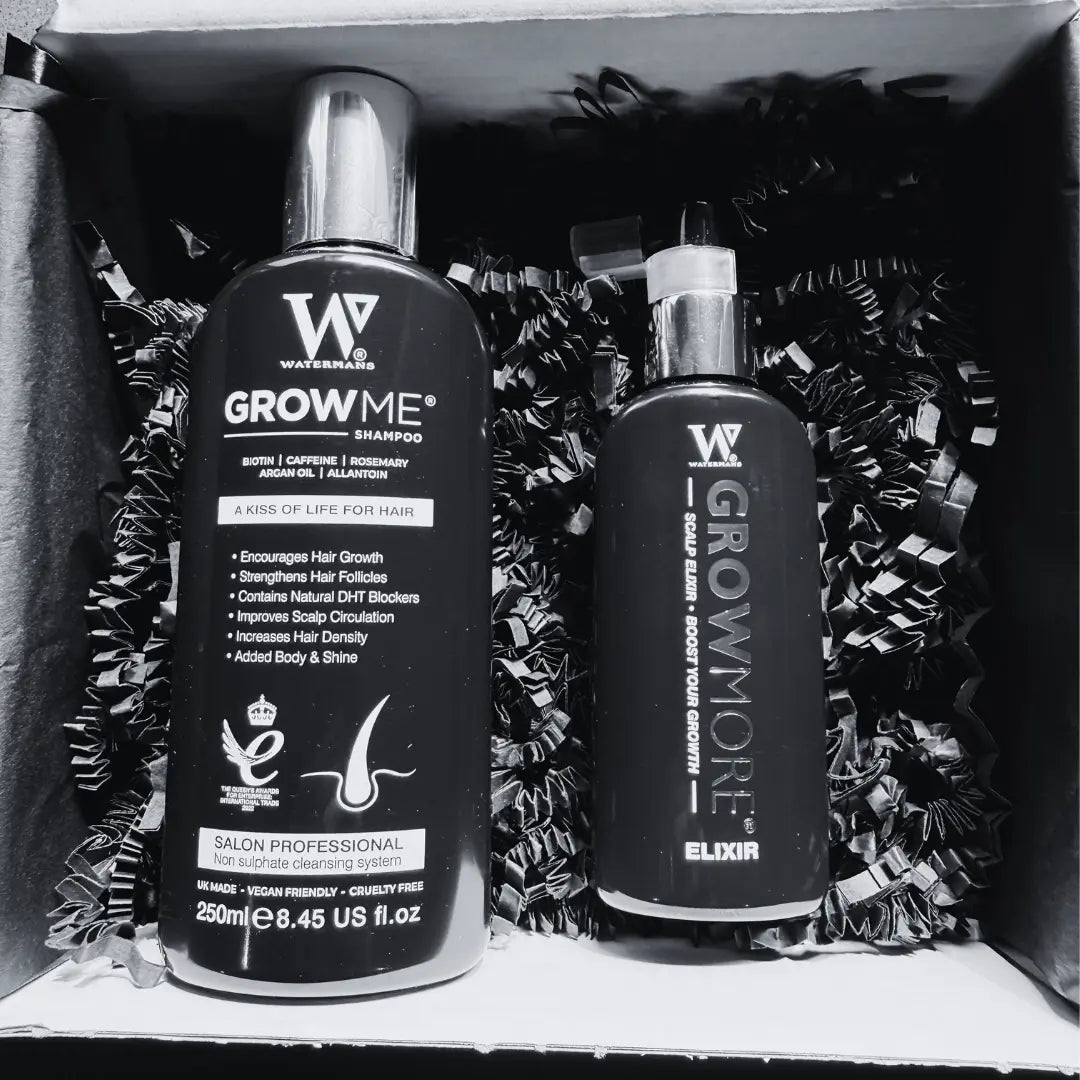
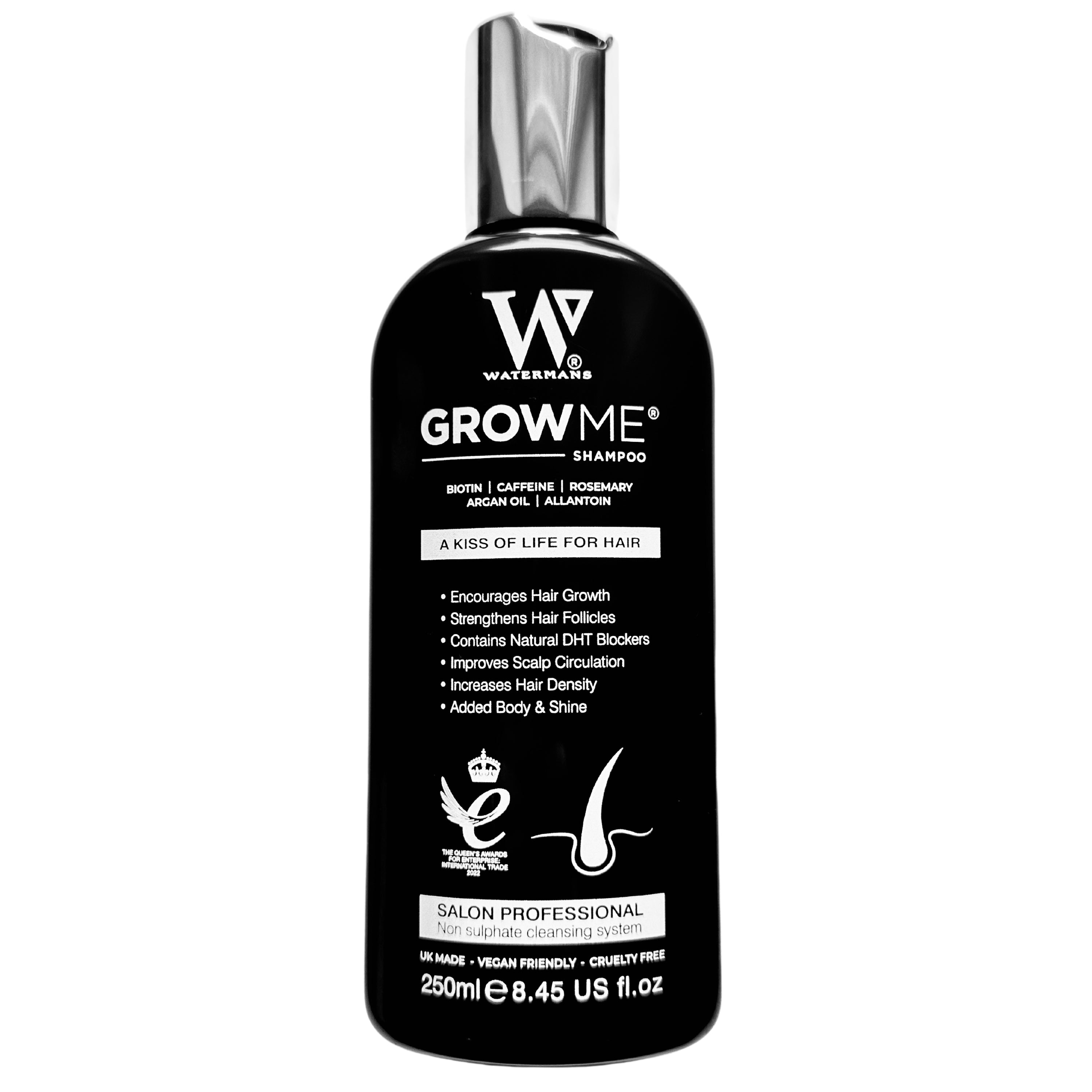
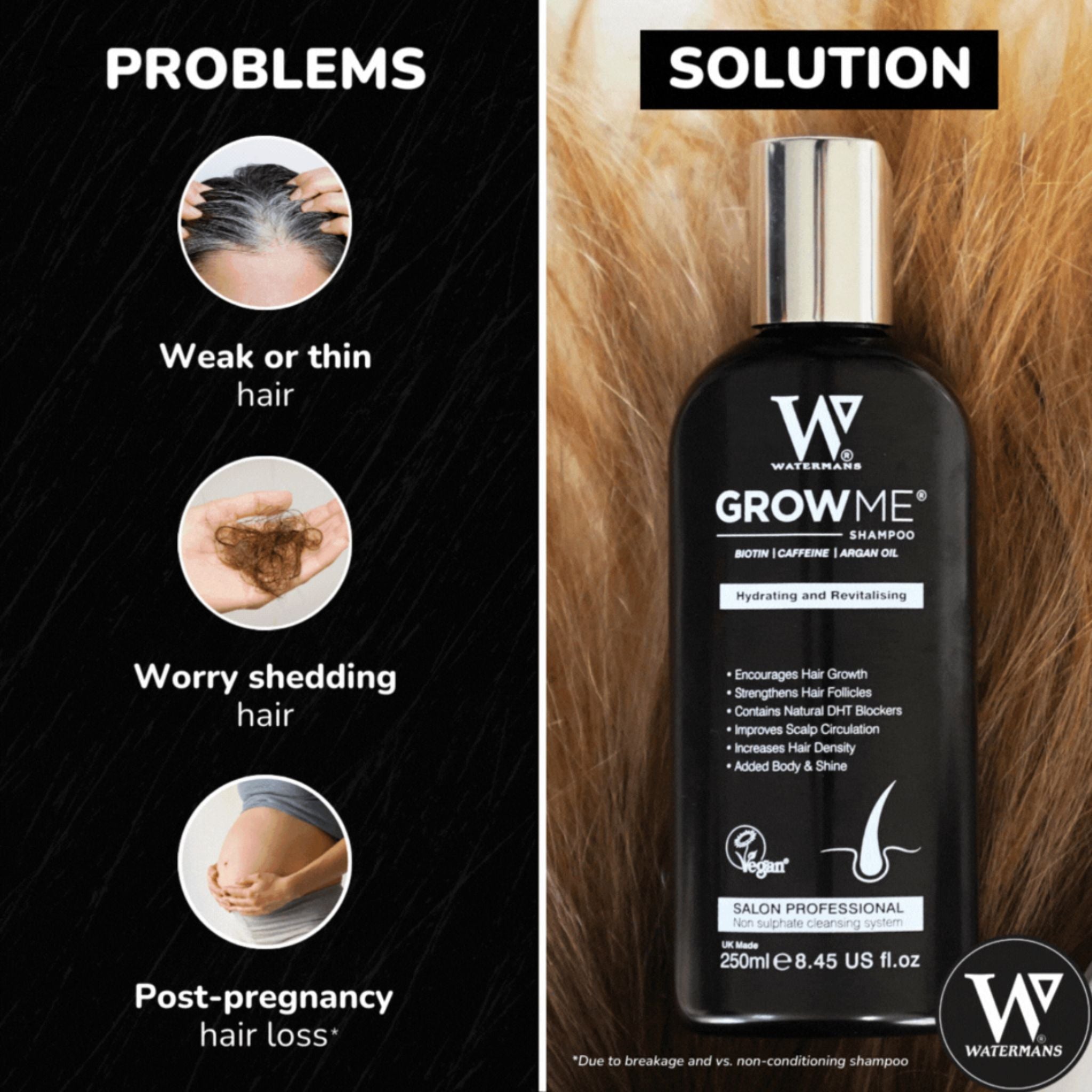
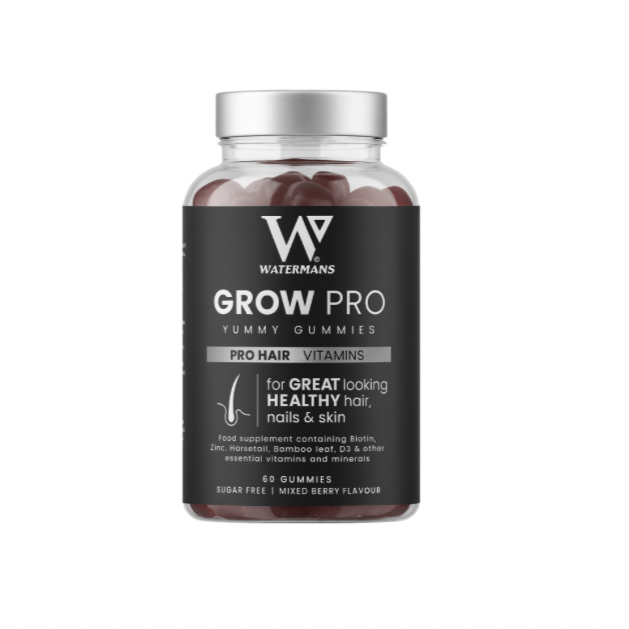
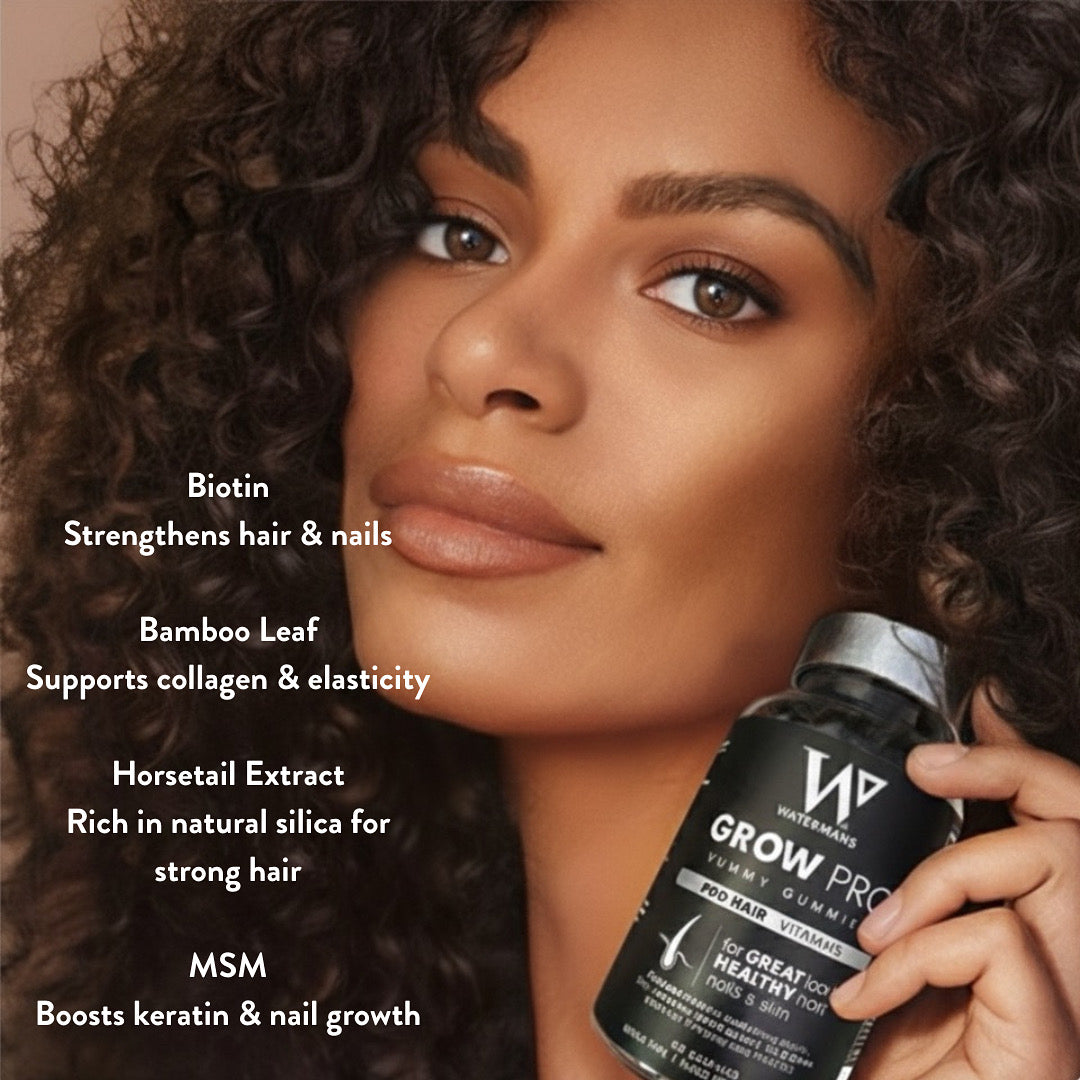
Flagship formulas such as Grow Me® Hair Growth Shampoo and the Grow Me® Shampoo & Conditioner Set have been expertly crafted with ingredients including biotin, rosemary, caffeine, niacinamide, argan oil, allantoin and hydrolysed lupine protein – a combination designed to nourish the scalp, support follicles and help reduce excess shedding in men and women

This topical support is not a replacement for medical evaluation of hair loss, but it can be a powerful partner: while your GLP-1 plan works on metabolic health, your scalp routine works on appearance, thickness and everyday confidence.
Common signs your hair may be reacting to GLP-1 weight loss
- Noticing more hair in the plughole or brush than usual over several weeks.
- A general thinning all over the scalp rather than the classic male-pattern “M-shape” or female part-line widening.
- Shedding that begins roughly 2–3 months after starting Ozempic or after your most rapid period of weight loss.
- Your scalp may feel more visible when you tie hair back, even if each strand still looks healthy.
- No obvious itching, burning or scarring – the hair simply seems to be “coming out more”.
These are typical of telogen effluvium – but other conditions (like androgenetic alopecia, autoimmune alopecia areata, scalp psoriasis or thyroid disease) can overlap. Persistent or patchy loss always deserves a medical or dermatology review.
Quick tips to protect your hair on GLP-1 medications
- Aim for slow-steady loss: Work with your prescriber to target sustainable weight loss, not crash-style drops.
- Prioritise protein: Include quality protein at every meal (eggs, fish, lean meat, dairy, legumes, tofu).
- Don’t fear healthy fats: Hair loves omega-3s and essential fatty acids (oily fish, walnuts, flax, olive oil).
- Use scalp-supporting products: Swap generic shampoos for targeted options like Watermans Grow Me® Hair Growth Shampoo to nurture follicles and improve scalp circulation.:contentReference[oaicite:9]{index=9}
- Be gentle: Avoid harsh brushing, tight ponytails, excessive heat tools and chemical over-processing while you’re shedding.
- Check your labs: Ask your clinician about iron, ferritin, B12, folate, vitamin D and thyroid tests if shedding is significant.
Common mistakes to avoid if you’re worried about GLP-1 Ozempic hair loss
- Going ultra-low-calorie: Severely restricting calories on top of an appetite-suppressing drug magnifies the risk of telogen effluvium.
- Ignoring protein: Prioritising only salads or snack-style eating with little protein is a fast track to hair breakage and shedding.
- Over-washing with harsh formulas: Sulfate-heavy or stripping shampoos can irritate the scalp instead of supporting it.
- Stopping your GLP-1 suddenly out of panic: Always consult your prescriber before changing or stopping your medication.
- Expecting instant regrowth: Even when the trigger is fixed, hair cycles mean visible regrowth typically takes several months.
Real-world example: hair loss after weight-loss, supported with targeted haircare
Consider a 42-year-old woman who loses 15% of her body weight within six months of starting a GLP-1 injection. Around month three, she notices clumps of hair in the shower and significant thinning around her parting and crown. Blood work shows her iron and vitamin D levels have dipped, and her GP suspects telogen effluvium on a background of mild genetic thinning.
Her plan includes:
- Adjusting her GLP-1 dose and aiming for a steadier rate of loss.
- Working with a dietitian to increase daily protein and iron-rich foods.
- Switching to a scalp-focused routine with Watermans Grow Me® shampoo and conditioner to support scalp circulation and hair strength while shed hairs cycle back into growth.
- Gentle styling and reduced heat.
Within three to four months, shedding slows and she begins to notice new “baby hairs” along her hairline. While her underlying genetic pattern hasn’t changed, optimising nutrition and scalp care has helped her move through the GLP-1 shedding phase with more confidence and visible improvement.
When to see a doctor, dermatologist or trichologist
- Your shedding is sudden, severe or accompanied by burning, itching or pain.
- You see round, bald patches or complete loss in specific areas.
- You have other symptoms such as fatigue, weight gain (despite GLP-1 use), menstrual changes or feeling cold (which may suggest thyroid issues).
- You have a personal or family history of autoimmune disease.
- Your hair loss continues to worsen after six to nine months despite stable weight and better nutrition.
A dermatologist or trichologist can perform scalp examination, pull tests and possibly a biopsy to confirm diagnosis – and then design a plan that may include topical treatments, prescription options, lifestyle adjustments and supportive haircare such as the Watermans range.
How Watermans helps build a “hair-healthy” routine during GLP-1 treatment
Because GLP-1 hair shedding can feel sudden and emotionally challenging, many people want to feel proactive rather than helpless. A consistent routine built around Watermans hair growth and hair-loss products gives you daily, tangible actions that support the look and feel of your hair while your body adjusts
Key pillars of a Watermans-style routine include:
- Targeted cleansing: Using Grow Me® Hair Growth Shampoo to deeply cleanse while delivering scalp-friendly actives like biotin, caffeine and rosemary.
- Conditioning without weigh-down: Pairing with a matching conditioner that nourishes lengths and ends while keeping the root area fresh and volumised.
- Consistent use: Sticking with the routine for at least 3–4 months to move through full hair cycles.
- Scalp massage: Taking a few minutes in the shower to gently massage the scalp, helping boost local circulation.
Combined with adequate nutrition and medical guidance, this kind of routine won’t interfere with your GLP-1, but it can help you feel more in control of your hair throughout the process.
Mini glossary (GLP-1 & hair loss terms)
- GLP-1 receptor agonist: A class of medications (including semaglutide in Ozempic) that mimics the GLP-1 hormone to improve blood sugar and support weight loss.
- Semaglutide: The active ingredient in Ozempic and Wegovy, used for type 2 diabetes and, at higher doses, chronic weight management.
- Telogen effluvium: A temporary shedding condition where more hairs than usual enter the resting (telogen) phase and fall out after a trigger such as illness or rapid weight loss.
- Non-scarring alopecia: Hair loss that does not permanently damage the follicle, meaning regrowth is often possible once triggers are addressed.
- Trichologist: A hair and scalp specialist focusing on the science of hair health and hair loss.
FAQs: GLP-1 Ozempic hair loss
Q: Does Ozempic directly cause hair loss?
A: Current evidence suggests that most “GLP-1 Ozempic hair loss” cases are due to rapid weight loss and nutritional stress triggering telogen effluvium, rather than Ozempic directly damaging hair follicles. However, some studies do report a higher rate of non-scarring hair loss in GLP-1 users compared with certain other therapies, so experts are continuing to study this signal.:contentReference[oaicite:11]{index=11}
Q: Is GLP-1 Ozempic hair loss permanent?
A: In most people, shedding triggered by GLP-1-related weight loss behaves like classic telogen effluvium – which is usually temporary. Once your weight stabilises, nutrition is optimised and health issues are addressed, hair often regrows over several months. Underlying genetic or hormonal hair loss can still progress, which is why personalised assessment is important.
Q: How long does hair shedding last after starting a GLP-1?
A: Shedding often begins 2–3 months after the main trigger (for example, the most dramatic weight-loss period) and can last several weeks to a few months. Because hair cycles are slow, visible thickening and regrowth typically take 3–6 months or more, even when the trigger has been fully addressed.
Q: Can haircare products really help if the trigger is internal?
A: They can’t replace medical treatment or nutrition, but they can support the scalp environment and hair fibre. Using targeted options such as Watermans Grow Me® shampoos and conditioners helps keep the scalp optimally cleansed and nourished while reducing breakage and improving how hair looks and feels during and after a shedding phase.
Q: Should I stop my GLP-1 if I notice hair loss?
A: Never stop or change a prescription medication without talking to your prescriber. Hair loss needs a holistic review – including weight-loss speed, diet quality, blood tests and scalp examination. In some cases, adjusting your dose, improving nutrition and adding focused haircare is enough to manage shedding while keeping the metabolic benefits of GLP-1 therapy.
If you’re experiencing GLP-1 Ozempic hair loss, remember that most shedding is temporary and related to rapid weight loss rather than permanent follicle damage. By slowing the pace of loss where possible, optimising your nutrition and building a scalp-focused routine with targeted products from Watermans, you can support stronger, fuller-looking hair while still working towards your health goals.