

GLP-1 Hair Loss: How Wegovy, Ozempic & Mounjaro Cause Thinning (And How to Stop It)
Is Your Weight Loss Medication Causing Hair Loss? Here's What You Need to Know
GLP-1 receptor agonists — including Wegovy (semaglutide), Ozempic (semaglutide), and Mounjaro (tirzepatide) — have transformed the way millions of people manage weight and blood sugar. But alongside the results, a growing number of users are reporting an unexpected side effect: significant hair loss. Studies suggest that hair loss affects approximately 1 in 20 people taking GLP-1 medications, and while it is often temporary, it can be deeply distressing. The good news? There are effective, non-medical steps you can take to support your hair through this period — and Watermans has the products to help.

Why Do GLP-1 Medications Like Ozempic and Mounjaro Cause Hair Loss?
The hair loss associated with GLP-1 agonists is primarily linked to a condition called telogen effluvium — a form of temporary, diffuse hair shedding triggered by physical or physiological stress on the body. Rapid weight loss, caloric restriction, and the metabolic changes caused by these medications can push a large number of hair follicles into the resting (telogen) phase simultaneously, causing them to shed weeks or months later.
Key contributing factors include:
- Rapid weight loss — When the body loses weight quickly, it prioritises vital organs over non-essential functions like hair growth.
- Reduced caloric and protein intake — Hair follicles need amino acids (particularly keratin-building proteins) to thrive. A caloric deficit can starve follicles of what they need.
- Nutritional deficiencies — Deficiencies in iron, biotin, zinc, and vitamins D and B12 are common during rapid weight loss and can accelerate shedding.
- Hormonal fluctuations — GLP-1 medications alter insulin sensitivity and other hormonal pathways, which can indirectly affect the hair growth cycle.
- Stress on the body — Any significant physiological change can trigger telogen effluvium, and dramatic weight loss is one of the most common triggers.
Is GLP-1 Hair Loss Permanent?
In most cases, hair loss caused by GLP-1 medications is not permanent. Telogen effluvium typically resolves within 3–6 months once the triggering factor stabilises. However, the extent of regrowth and speed of recovery depends heavily on how well you support your scalp and follicles during and after the shedding phase. This is where a targeted hair care routine makes a significant difference.
How to Stop Hair Loss From Wegovy, Ozempic & Mounjaro: Non-Medical Solutions
While you should always consult your healthcare provider about any medication side effects, there is a great deal you can do outside of the medical setting to protect your hair and encourage regrowth. Watermans has been the UK's leading hair growth brand since 2012, and our clinically developed range is specifically designed for people experiencing hair thinning and loss from any cause — including GLP-1 medications.
1. Switch to a Hair Growth Shampoo
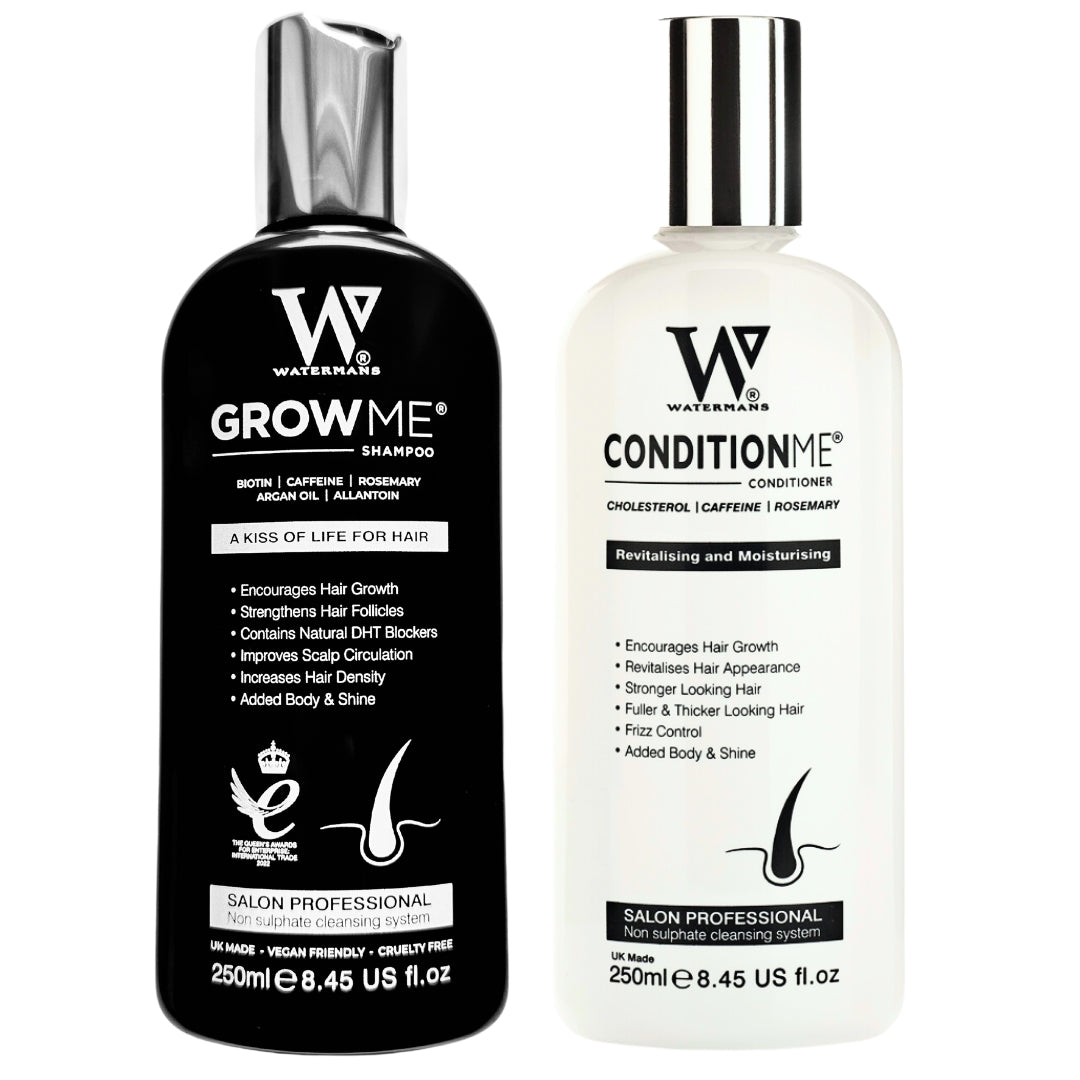
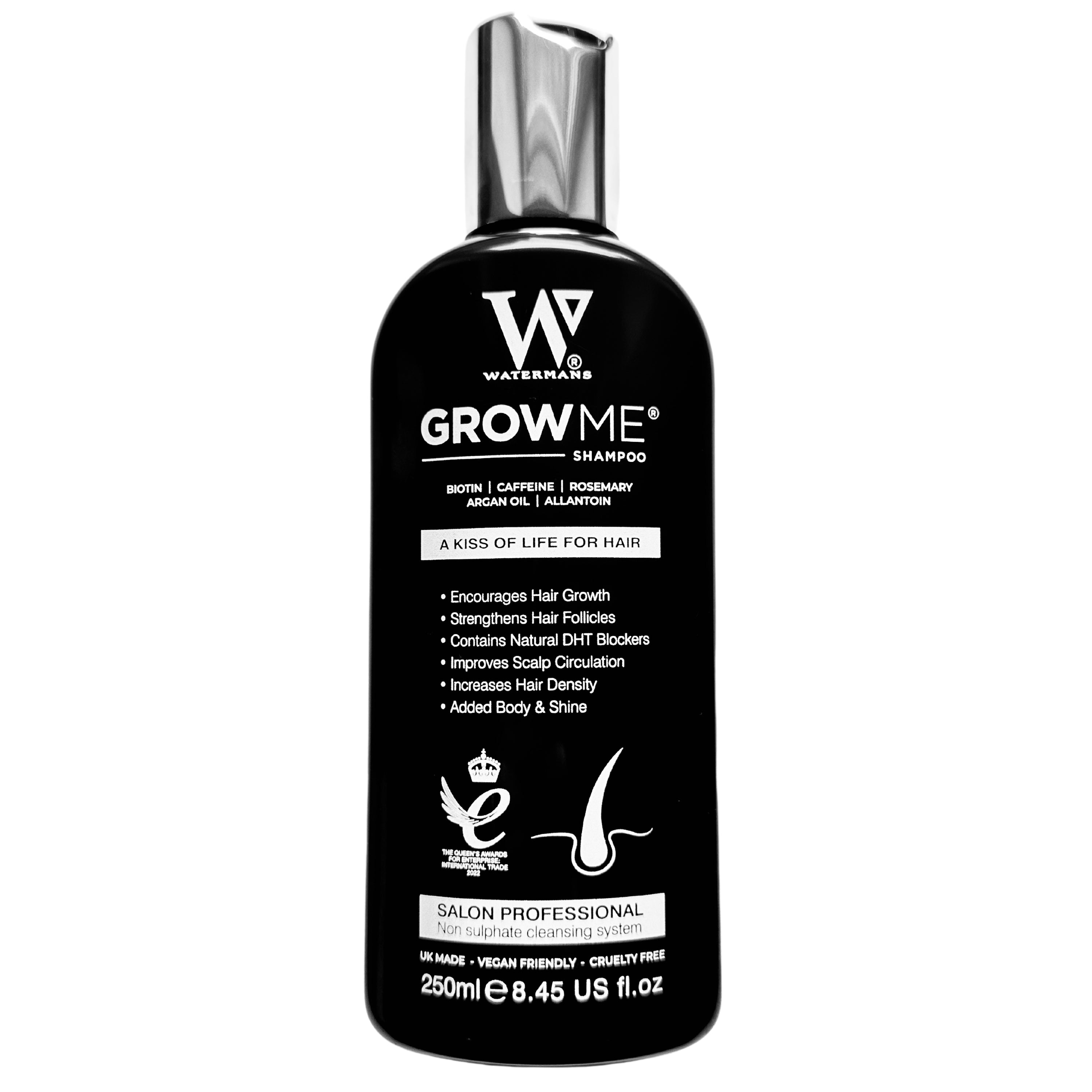
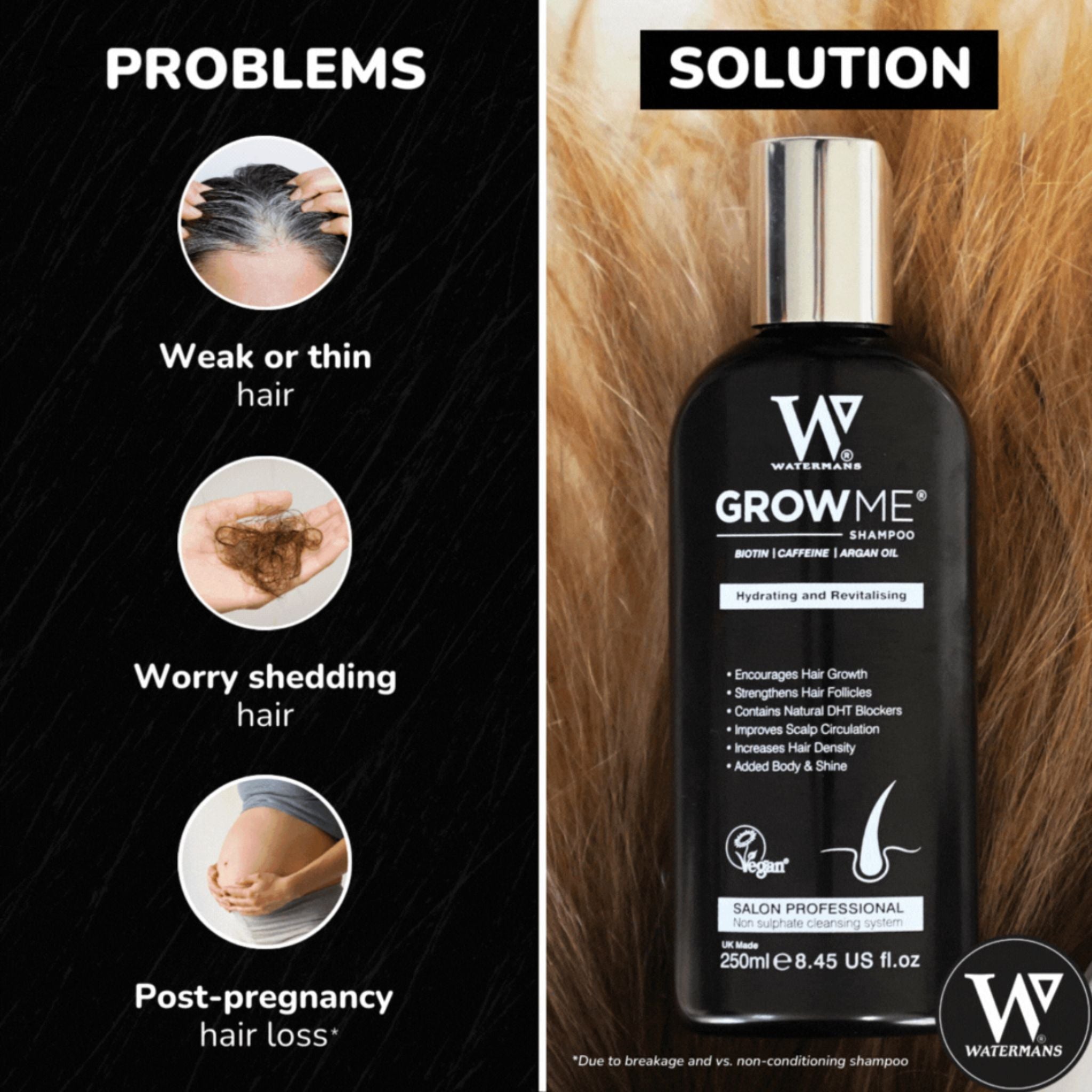
The single most impactful change you can make is switching your shampoo. Watermans Grow Me® Hair Growth Shampoo is our best-selling, award-winning formula powered by ANAGELINE® biotech innovation, caffeine, biotin, and a complex of plant actives scientifically studied to support the anagen (growth) phase of the hair cycle. It's sulphate-free, gentle enough for daily use, and has helped thousands of people reclaim their hair after telogen effluvium — including many who experienced shedding specifically linked to Mounjaro and Ozempic use.
"I lost half my hair due to Mounjaro and rapid weight loss. I started using this and my hair started to regrow within 3 months. I'm now about 7–8 months in and the regrowth has been amazing." — Verified Watermans customer
2. Add a Scalp Serum to Your Routine
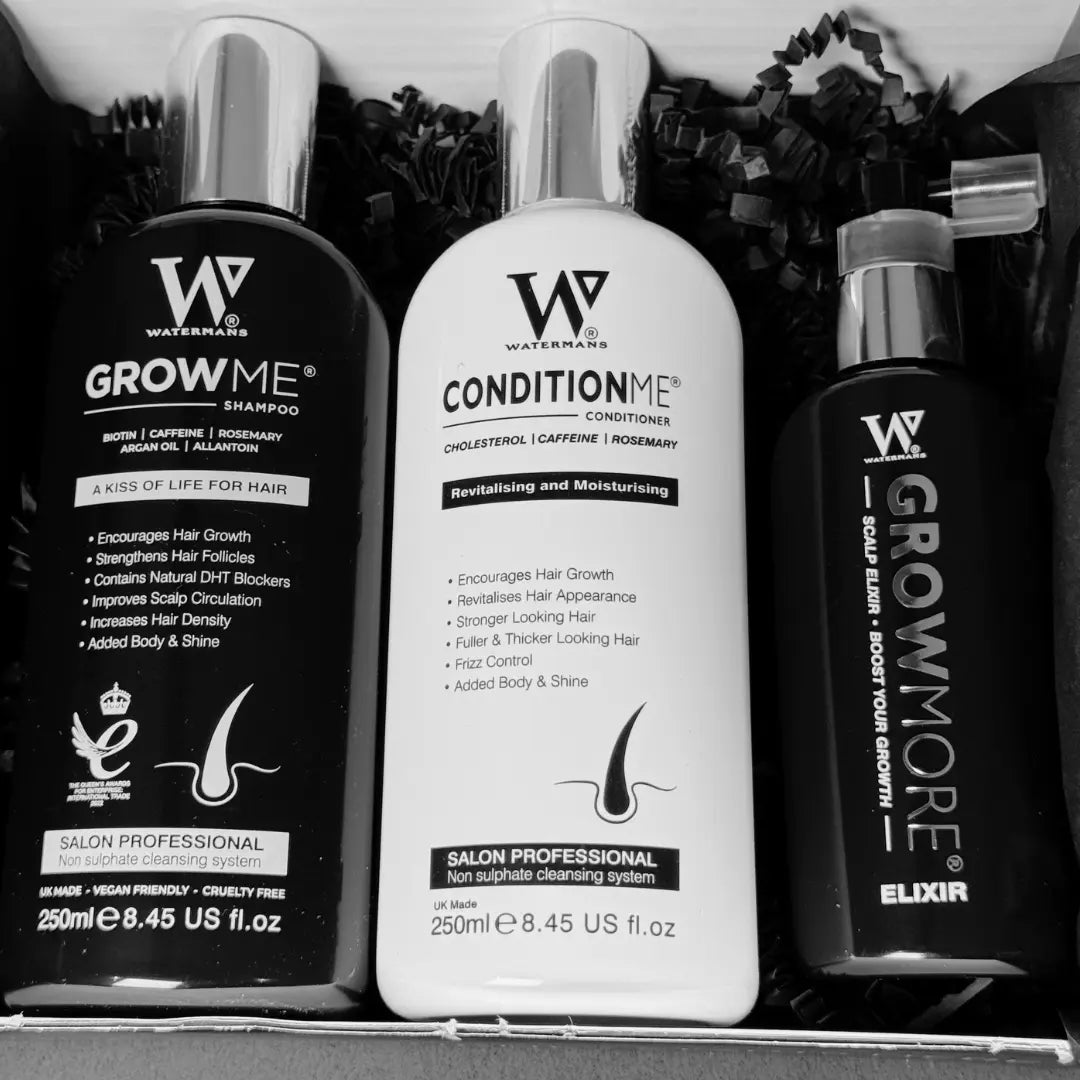
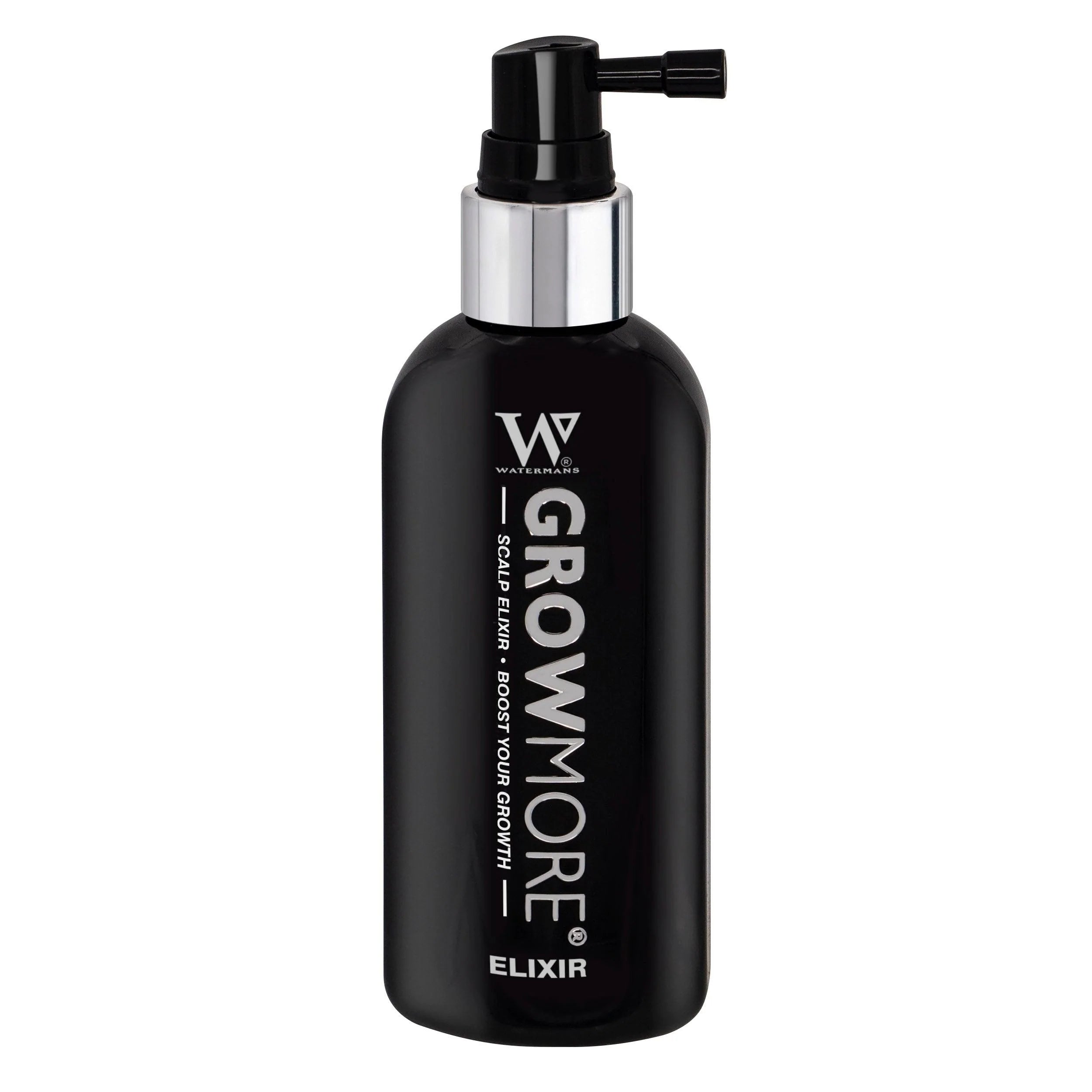
The scalp is the foundation of healthy hair. Watermans Grow More Elixir® is a luxury leave-in overnight scalp serum formulated to nourish follicles, improve scalp circulation, and create the ideal environment for regrowth. Applied nightly, it works while you sleep to support the hair you already have and encourage new growth where thinning has occurred.
3. Use a Strengthening Conditioner
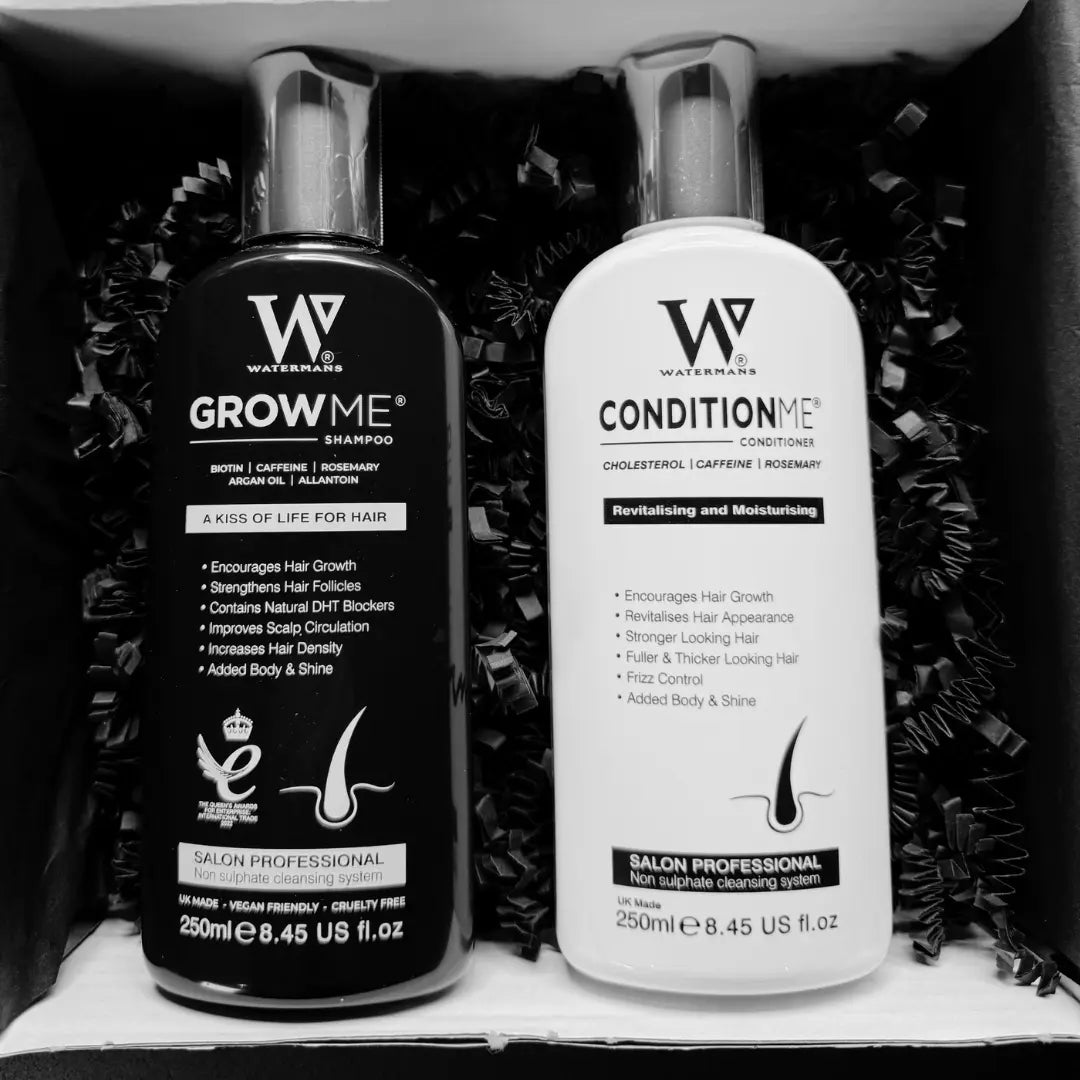
Hair that's been weakened by nutritional stress is more prone to breakage. Watermans Grow Me® Hair Growth Conditioner is packed with strengthening and moisturising actives that reduce breakage and leave hair noticeably fuller and more resilient. Pair it with the Grow Me Shampoo for maximum benefit.
4. Try the Complete Hair Growth Set
For those experiencing significant shedding, we recommend the Watermans Hair Growth Boost Set — a curated bundle of our most powerful hair growth products, offering the complete scalp-to-strand regrowth routine at a saving. This is our most popular option for customers coming off GLP-1 medications who want to restore their hair as quickly as possible.
5. Support From Within With Hair Vitamins
Since nutritional deficiency is a key driver of GLP-1-related hair loss, supplementing your diet is an important step. GrowPro Yummy Gummies® are our sugar-free hair, skin, and nail vitamins, packed with biotin, folic acid, and key micronutrients to fill the gaps that a calorie-restricted diet may leave. They're a delicious, easy addition to your daily routine.
6. Protect and Conceal While You Regrow
Hair thinning can affect your confidence while you wait for regrowth. Watermans Hair Building Fibres are a fast, effective way to conceal thinning areas instantly, giving you the appearance of fuller, denser hair while your follicles recover beneath the surface. A brilliant confidence booster during the regrowth journey.
The Watermans 4-Step Routine for GLP-1 Hair Loss
- Wash with Watermans Grow Me® Hair Growth Shampoo
- Condition with Watermans Grow Me® Conditioner
- Treat your scalp nightly with Grow More Elixir®
- Nourish from within with GrowPro Yummy Gummies®
Consistency is key. Most customers see a noticeable reduction in shedding within 4–8 weeks and visible regrowth within 3–4 months of following this routine.
Frequently Asked Questions: GLP-1 & Hair Loss
Does Ozempic cause hair loss?
Yes, hair loss is a reported side effect of Ozempic (semaglutide). It is primarily caused by telogen effluvium triggered by rapid weight loss and caloric restriction, rather than the medication itself. It is generally temporary and reversible with proper hair care support.
Does Wegovy cause hair loss?
Wegovy contains the same active ingredient as Ozempic (semaglutide) at a higher dose. Hair loss has been reported by approximately 1 in 20 Wegovy users. As with Ozempic, it is usually temporary and linked to the physiological stress of significant, rapid weight loss.
Does Mounjaro cause hair loss?
Mounjaro (tirzepatide) is associated with hair loss in some users, again primarily through the mechanism of telogen effluvium. Because Mounjaro can produce more significant weight loss than other GLP-1 medications, the risk of associated hair shedding may be higher in some individuals.
How long does GLP-1 hair loss last?
GLP-1-related hair loss typically peaks 2–4 months after the triggering event (usually rapid weight loss) and begins to resolve over the following 3–6 months. With a targeted hair growth routine, many people begin to see improvement sooner.
What is the best shampoo for Ozempic hair loss?
Watermans Grow Me® Hair Growth Shampoo is specifically formulated to support hair follicles during and after periods of shedding. It's gentle, sulphate-free, and powered by clinically studied actives including ANAGELINE®, caffeine, and biotin — making it ideal for those experiencing hair loss linked to GLP-1 medications.
Can hair loss from GLP-1 medications be prevented?
While it may not be entirely preventable, you can significantly reduce the severity and duration of GLP-1-related hair loss by: maintaining adequate protein intake, supplementing key nutrients (biotin, iron, zinc, vitamin D), avoiding additional hair stressors (heat, tight styles), and using a clinically formulated hair growth shampoo and serum from the outset of your medication journey.












,%20Ozempic%20(semaglutide),%20and%20Mounjaro%20(tirzepatide)%20%E2%80%94%20have%20tra...)