Facial hair reduction: Proven methods to stop regrowth and irritation
Facial Hair Reduction: Proven Methods to Stop Regrowth and Irritation
Facial hair reduction is a challenge for many. Regrowth and skin irritation cause stress. You face this with stubborn upper lip hair, coarse chin hair, sideburns, or hormone-driven peach fuzz that darkens and thickens. Simple methods that work and keep skin calm can boost your day and self‐view.
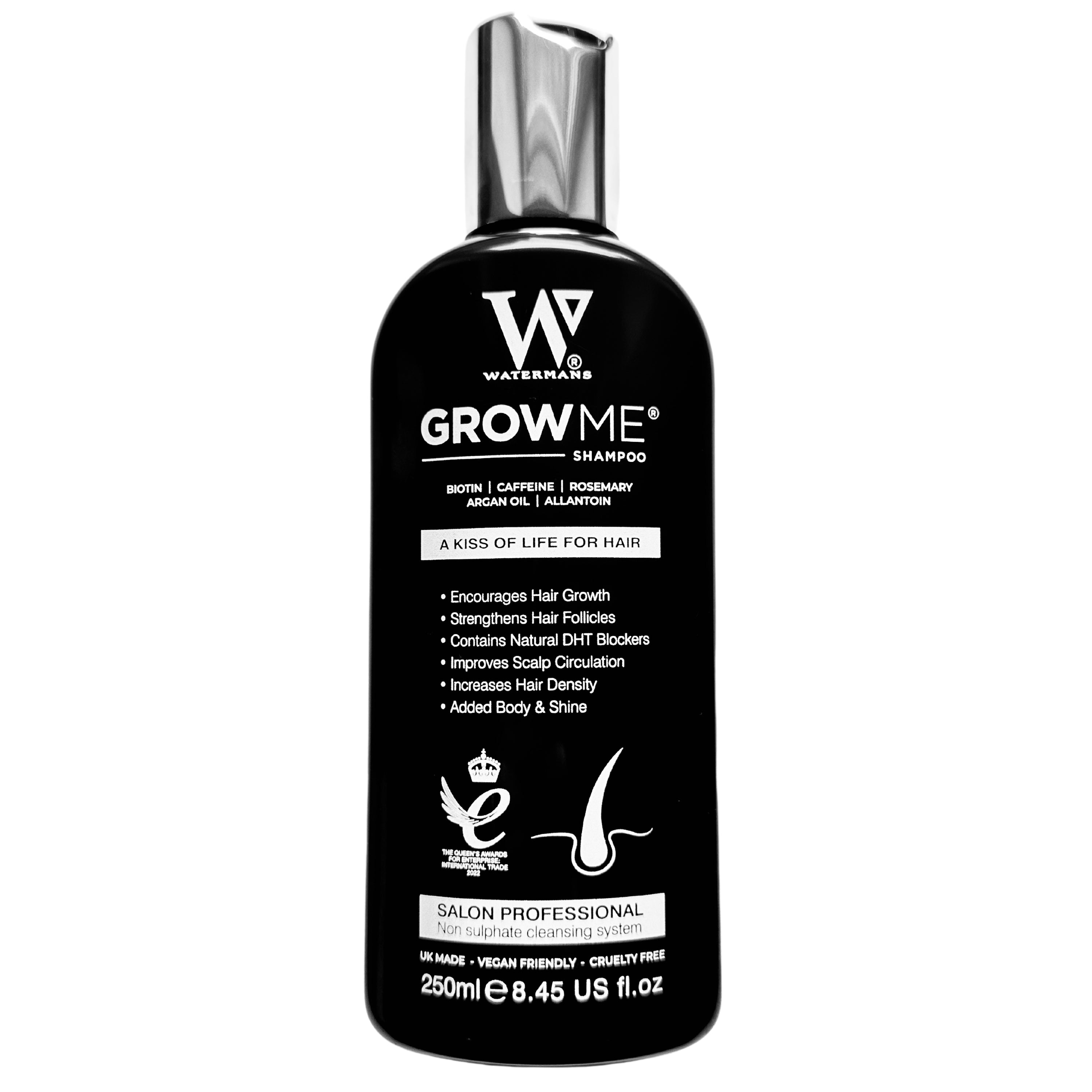
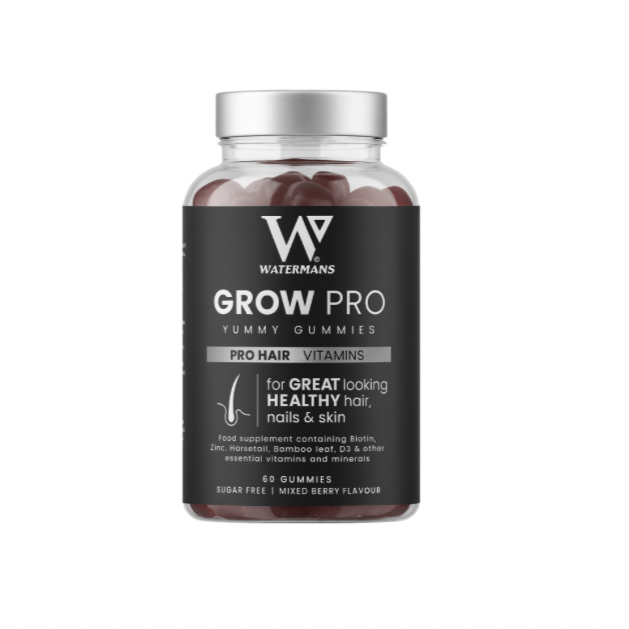
This guide lists the facial hair reduction methods that work. It shows how to keep bumps and redness low and tells what to expect over time. It also shows that whole hair care matters. Many now choose natural, non-medical methods such as Watermans Grow Me Shampoo to help keep healthy hair cycles.
What Causes Facial Hair Growth & Why It Sometimes Gets Worse
Before you pick a method, know why hair grows on your face and why it may seem worse.
Hormones and Genetics
Your body’s hormones and genes drive facial hair growth.
• Many women with high androgen levels (for instance, from PCOS) see coarse hair on the chin, jaw, or lip.
• Some men may grow patches and excess hair in certain spots.
• Some ethnic groups naturally grow darker or thicker hair even on the face.
Aging and Hormonal Shifts
Changes in hormones at puberty, pregnancy, or menopause can alter:
• Hair texture, making it darker and rougher
• Hair spread, so new hairs show up on the neck, chin, or sideburns
Medications and Medical Conditions
Certain conditions and drugs can turn hair growth up:
• Polycystic ovary syndrome (PCOS)
• Cushing’s syndrome
• Some steroid or hormone drugs
If your hair grows faster or is paired with problems like irregular periods or acne, a healthcare expert can help (source: American Academy of Dermatology).
Facial Hair Reduction vs Hair Removal: What’s the Difference?
Many mix up “hair removal” and “hair reduction.” They are not the same.
• Facial Hair Removal
This takes hair away from the surface or root—shaving, waxing, threading, creams, tweezing. The hair grows back, sometimes fast.
• Facial Hair Reduction
This method slows regrowth, thins hairs, and lowers active follicles over time (laser, electrolysis, hormone work, and steady routines that keep irritation low).
Most want less regrowth and fewer troubles, not just one-time removal. This guide shows lasting reduction steps while keeping your skin calm.
How to Choose the Best Facial Hair Reduction Method for You
Each method has its own cost, downtime, and long-term results. Ask yourself:
• Is your skin very sensitive?
• Is the hair light or dark? Fine or coarse?
• Do you seek long-term lessening or simple daily care?
• What fits your budget and pain limits?
• Do you take any drugs or have conditions that change skin healing?
When you know your needs, you can choose methods—starting with long-term options and then safe home choices.
Long-Term Facial Hair Reduction: Laser and Electrolysis
Laser Hair Removal for Facial Hair
Laser hair removal is a popular long-term choice for areas like:
• Upper lip
• Chin and jawline
• Sideburns
• Cheeks and neck
How Laser Hair Removal Works
The laser finds the dark pigment in hair. The heat moves to the follicle and harms it. Over sessions, many follicles slow down or make thinner, lighter hair.
Best for:
• Dark hair on light to medium skin
• Coarse or thick hair
• Those who want long-term change rather than daily upkeep
Pros
• Cuts regrowth and lessens thickness
• Treats larger areas fast
• Needs fewer sessions once the work is done
Cons
• Less effective on very light, grey, or red hair
• Needs many sessions (often 6–10 or more)
• May cause short redness, swelling, or pigment change
• The cost can add up
Minimising Laser-Related Irritation
• Avoid the sun and self-tanners before and after a session.
• Wash with a gentle, fragrance-free cleanser and a light cream every day.
• Ask for cooling gel and a small test before a full session.
• Use shaving or trimming only, not waxing or plucking, between sessions.
Electrolysis for Facial Hair Reduction
Electrolysis is the only permanent hair removal method approved by the FDA.
How Electrolysis Works
A tiny probe enters the hair follicle and sends a small shock. This shock stops the follicle’s cells from working. When a follicle is destroyed, it cannot grow hair again.
Best for:
• Any hair color, even blonde, red, grey, or white
• Small areas with one or few stubborn hairs
• Those who want true, lasting removal, even if slow
Pros
• Works on all skin tones and hair colors
• Permanent when done well over time
• Good for small, detailed areas
Cons
• Takes time because each hair is treated one by one
• Can feel painful
• May need many sessions over several months
• Can cause short redness or swelling and, if done poorly, marks on the skin
Reducing Irritation After Electrolysis
• Use a cool cloth on the skin right after treatment.
• Spread a soothing, alcohol-free, fragrance-free cream.
• Do not use makeup for one day after treatment.
• Do not pick or squeeze the area if bumps form.
At-Home Facial Hair Reduction and Management Methods
If you are not ready for clinical work like laser or electrolysis, or when you wait between sessions, several home options exist. These usually remove hair for a short while but can work well with good skin care to reduce irritation.
Shaving the Face: Safe When Done Correctly
Face shaving, or professional dermaplaning, is popular for smooth skin and a better makeup base.
Myths vs Reality
• Myth: Shaving makes hair grow back thicker and darker.
• Fact: Shaving only cuts the hair at the tip. It may feel rough at first, but it does not change the hair’s true thickness or speed.
How to Shave the Face with Low Irritation
- Wash your face with warm water or after a shower.
- Apply a gentle shaving cream or oil made for the face.
- Use a sharp and clean razor.
- Shave in the same way the hair grows.
- Rinse with cool water and pat dry.
- Use a light, alcohol-free lotion or soothing serum.
This way, you get smooth skin without upsetting your skin.
Waxing and Sugaring for Facial Hair
Waxing and sugaring pull hair from the root for smooth skin that lasts longer than shaving.
Pros
• Results can last 2–4 weeks.
• Over time, hair may grow back finer or in less number.
• Works on the upper lip, eyebrows, sideburns, and chin.
Cons
• The process may be painful.
• It can bring ingrown hairs, redness, or burns if the wax is too hot.
• Not ideal for very sensitive skin or for those on certain skin treatments.
• May lead to dark spots after repeated use.
Tips to Reduce Wax Irritation
• Gently exfoliate a day before waxing, but not right before.
• Stay away from strong acids, retinoids, and harsh scrubs a few days out.
• After waxing, use a soothing gel, aloe, or a fragrance-free lotion.
• Keep out of the sun, saunas, or heavy sweat for a day afterward.
Sugaring, which uses a paste of sugar, lemon, and water, usually sticks to hair more than skin. The aftercare stays the same.
Threading for Facial Hair Reduction
Threading uses a looped cotton thread to pull hair from the follicle. It works best on brows, the upper lip, and the outline of the face.
Pros
• Precise work for shaping brows or the lip line.
• No chemicals or hot wax are used.
• Lower risk of skin burns.
Cons
• The process may hurt, especially near the lips.
• It can cause redness and small bumps, especially on very sensitive skin.
• It depends on the skill of the person doing it.
A cooling gel, a break from makeup for a day, and gentle cleaning and cream can help keep irritations low.
Depilatory Creams for Facial Hair
Depilatory creams use chemicals to dissolve hair just below the skin.
Pros
• They work fast and with little pain for some.
• They are useful for fine hairs that are hard to remove with other methods.
Cons
• There is a high risk of burns, stinging, or allergic responses on the face.
• They often have a strong chemical smell.
• The results do not last long, only a bit longer than shaving.
If you try these creams:
• Always test a small spot 24 hours before full use.
• Choose products made specifically for facial skin.
• Do not leave the cream on longer than the directions state.
• Rinse well and use a good moisturizer right away.
Prescription & Medical Options for Facial Hair Reduction
Some people, especially women with hormone imbalances like PCOS, may add medical treatments to physical methods.
Topical Eflornithine Cream
This prescription cream slows hair growth by blocking an enzyme in the hair follicle.
• It is usually applied on the upper lip, chin, and jawline.
• Use it two times each day.
• It does not remove the existing hair—it works best when used with other methods.
• You may see changes after 8 or more weeks of steady use.
• The effect stops if you do not continue the treatment.
Some users may feel mild irritation or a burning sensation.
Hormonal Regulation
If your fast facial hair is due to a hormone change:
• Birth control pills may help balance hormones in some women.
• Anti-androgen pills (when prescribed) can calm hair growth driven by hormones.
• Treating conditions like PCOS can smooth hair growth over time.
A doctor must guide these choices. They are part of a plan for overall health.
Natural & At-Home Support: Can You Really Slow Facial Hair Regrowth?
No natural remedy can destroy a hair follicle like laser or electrolysis. Yet, some care techniques help keep your skin calm and may make hair seem finer and less obvious.
Gentle Exfoliation
Regular, soft exfoliation can:
• Lower the chance of ingrown hairs.
• Lessen bumps after hair removal.
• Help new hair break through the skin with less trouble.
Use a mild chemical exfoliant such as low-percentage lactic or mandelic acid one or two times a week. Skip strong scrubbing tools that tear the skin.
Calming, Non-Comedogenic Moisturizers
After hair removal, skin needs care. Use moisturizers that:
• Have no added scents
• Include soothing parts like aloe, allantoin, niacinamide, or ceramides
• Do not block your pores (choose “non-comedogenic”)
These ingredients help calm red spots and build a strong skin barrier if you have marks after waxing or threading.
Why Your Overall Hair & Scalp Health Still Matters
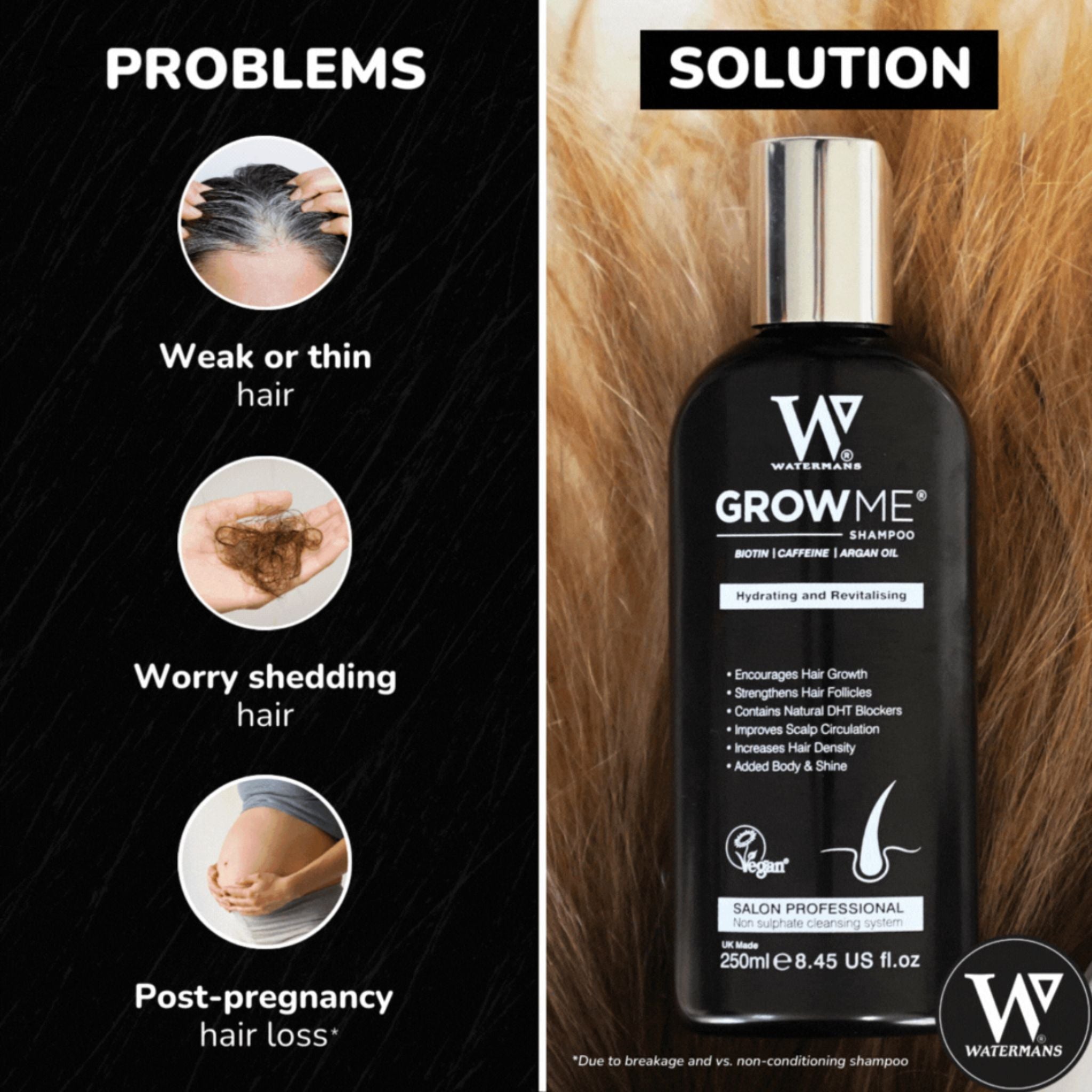
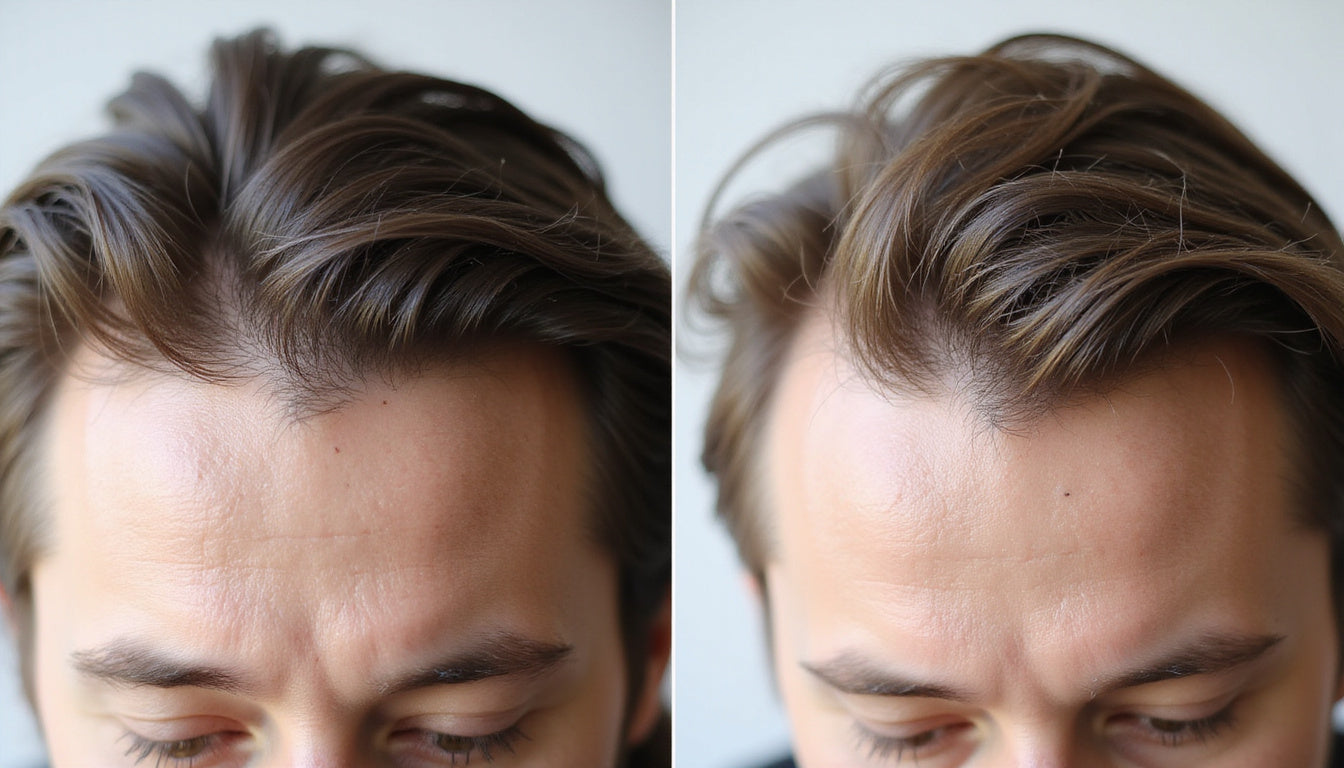
Even if you work to reduce facial hair, the hair on your scalp is affected by hormones, blood flow, and follicle care. Many people with facial hair issues also see thinning or shedding hair on the scalp, especially during hormone shifts.
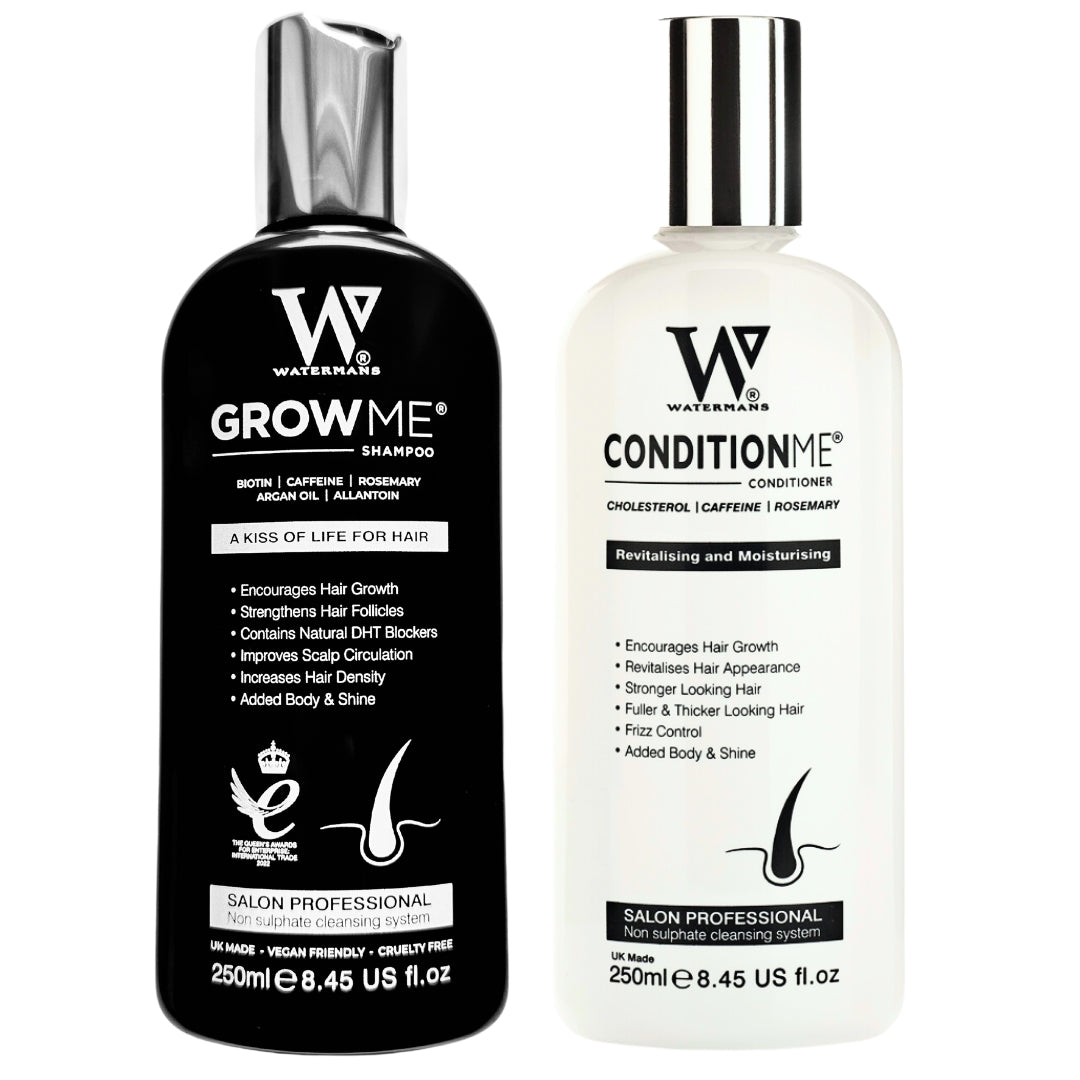
This is why many now care for their scalp using products like Watermans Grow Me Shampoo.
Supporting Healthy Hair Cycles with Watermans Grow Me Shampoo
This guide is about facial hair reduction. Yet, many also want stronger hair on the scalp while easing facial hair growth.
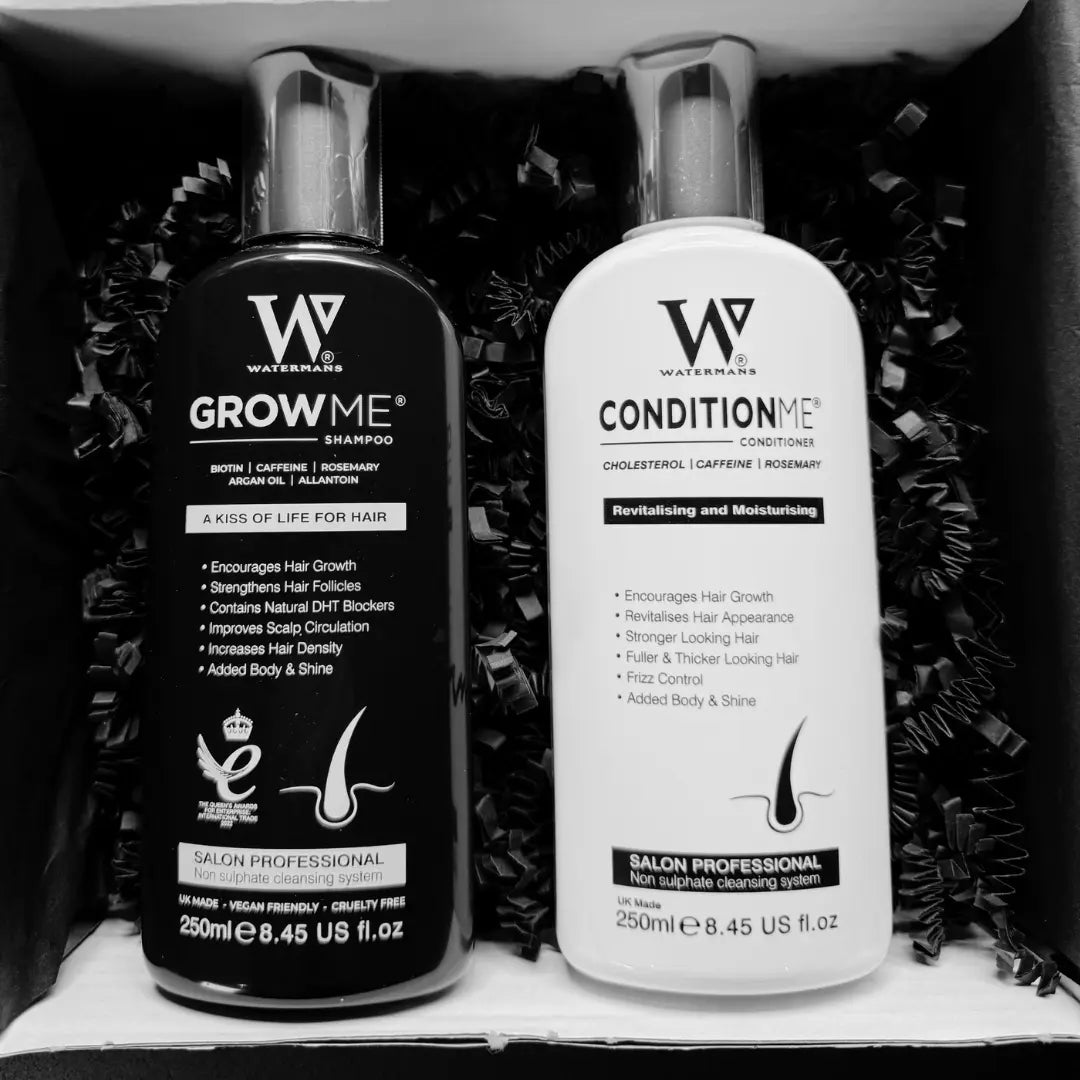
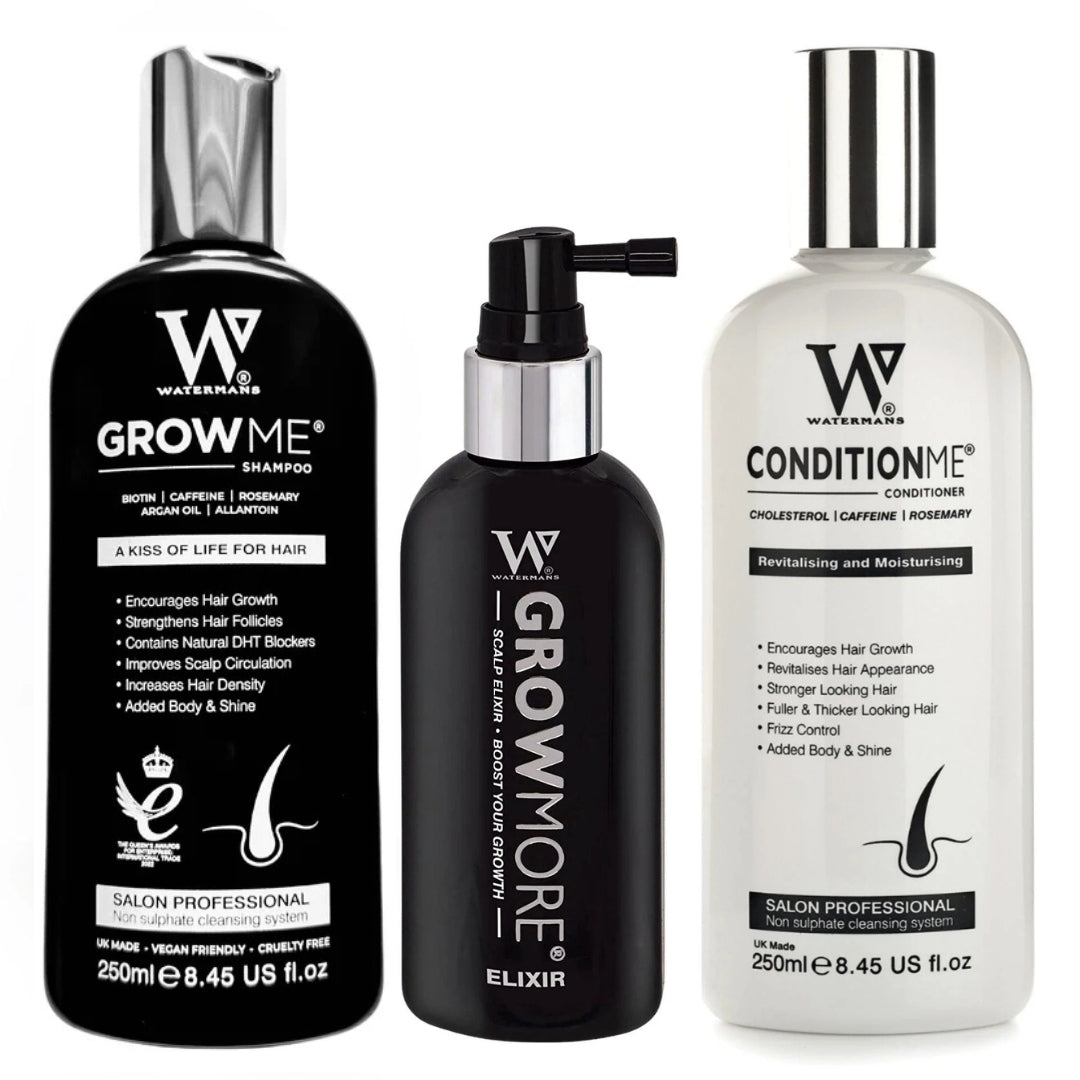
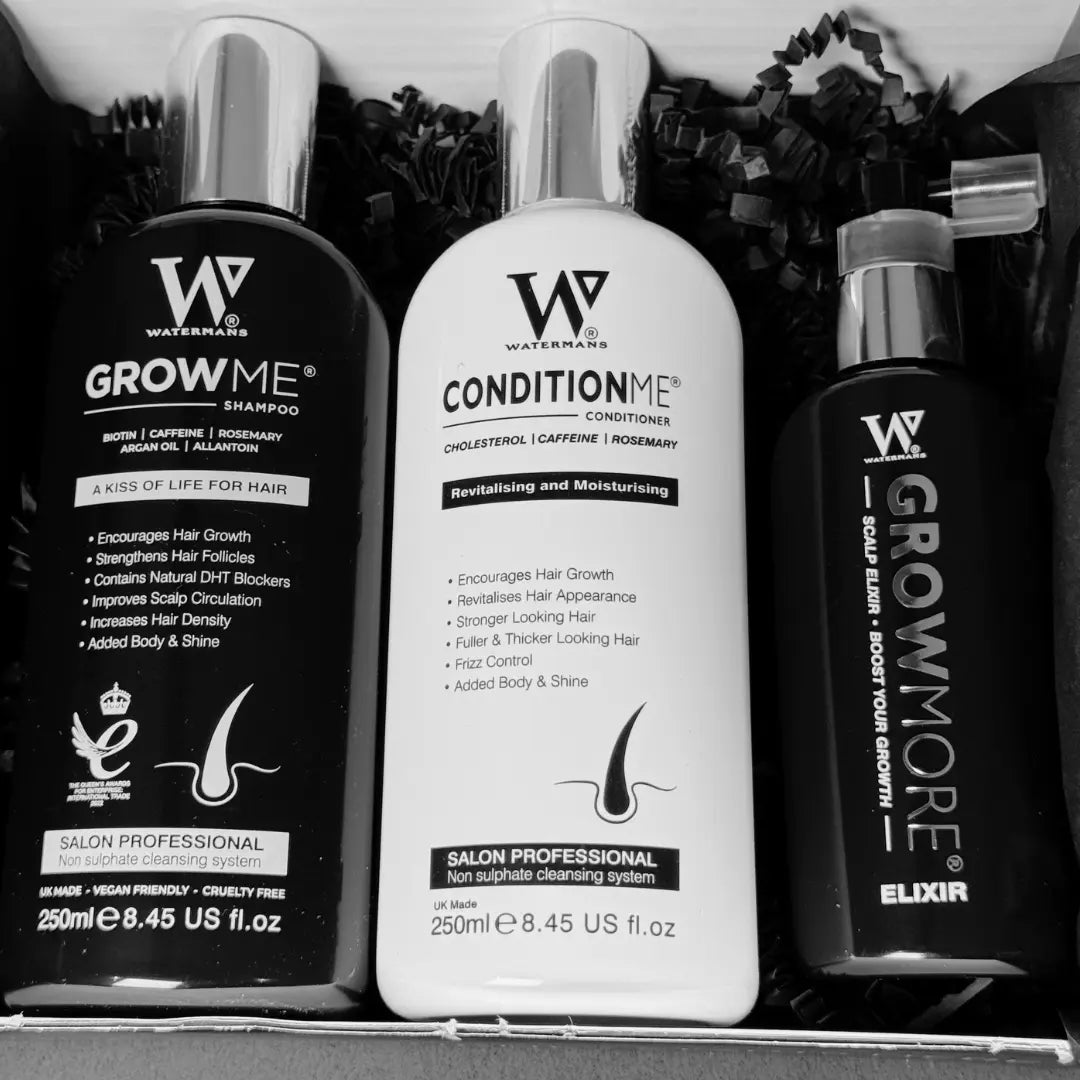
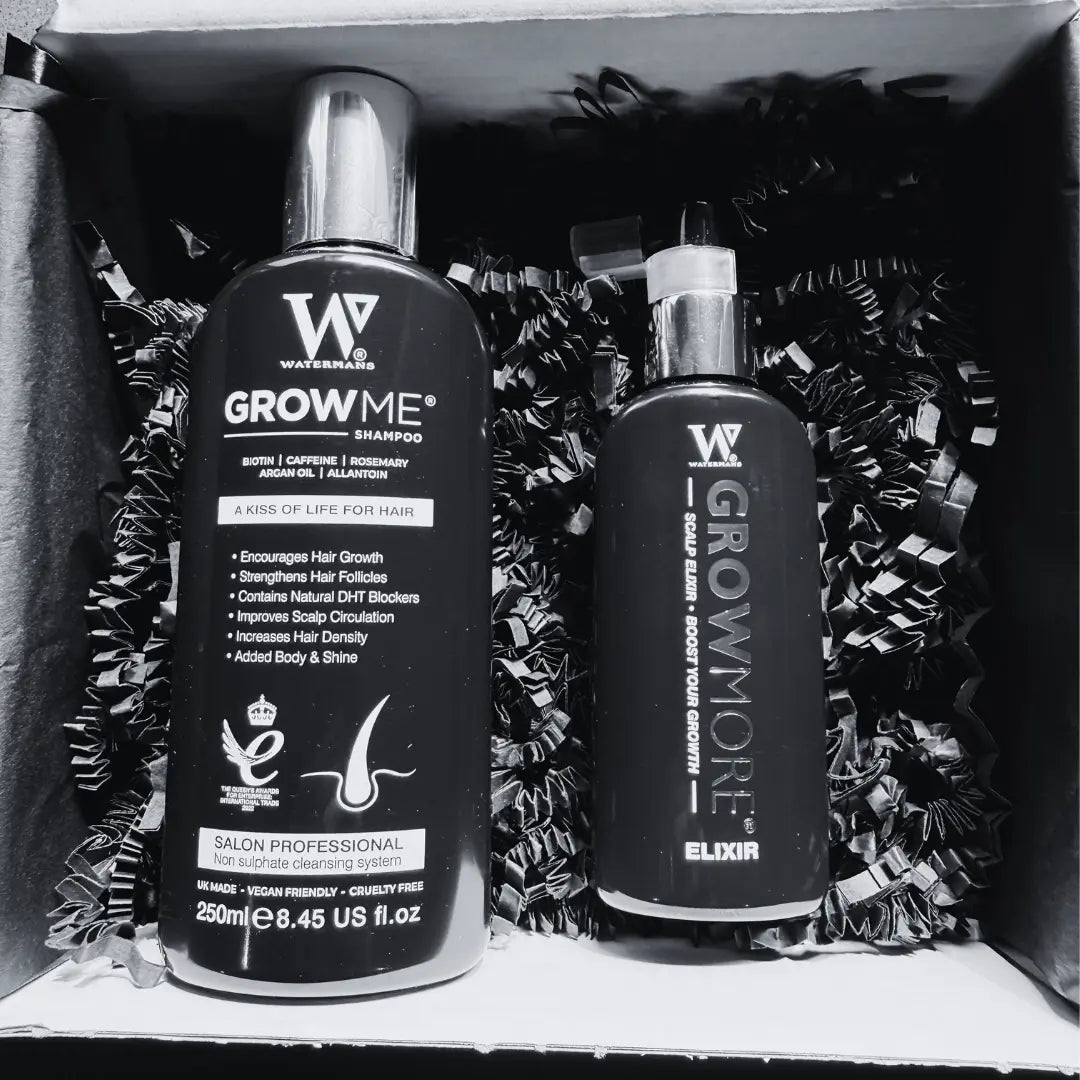
If you seek thicker hair where you want it, consider adding a shampoo like Watermans Grow Me Shampoo.
What Makes Watermans Grow Me Shampoo Stand Out?
Watermans Grow Me Shampoo is known as a natural, non-medical way to support scalp hair. It brings together:
• Biotin to support hair strength.
• Rosemary to boost blood flow to the scalp.
• Caffeine to help the hair follicle resist hormone effects.
• Niacinamide to support the skin on the scalp.
• Argan oil to give light nourishment and shine.
• Allantoin to calm sensitive skin.
• Lupin Protein to help the hair grow thicker from the roots.
These parts work together to boost the scalp and help your hair grow fuller in the right places.
For those with uneven hair—more on the face and less on the scalp—keeping your scalp strong with a shampoo like Watermans Grow Me can be a smart start as you work on facial hair with other methods.
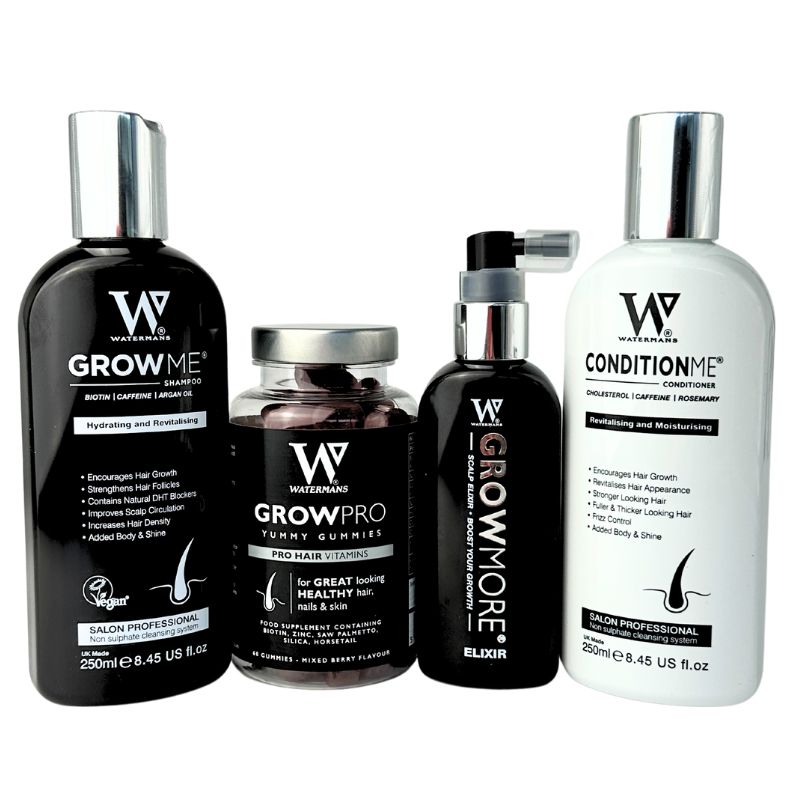
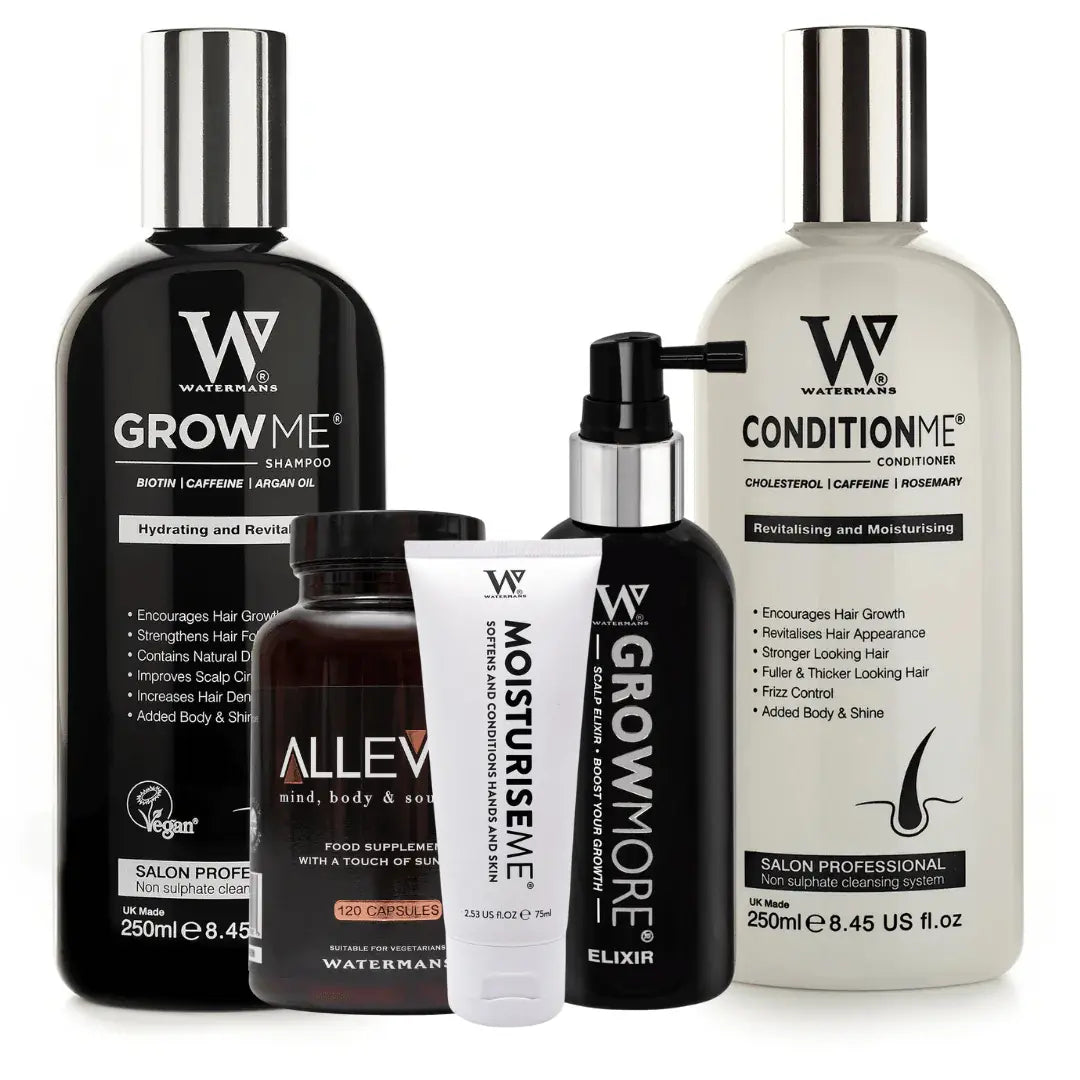
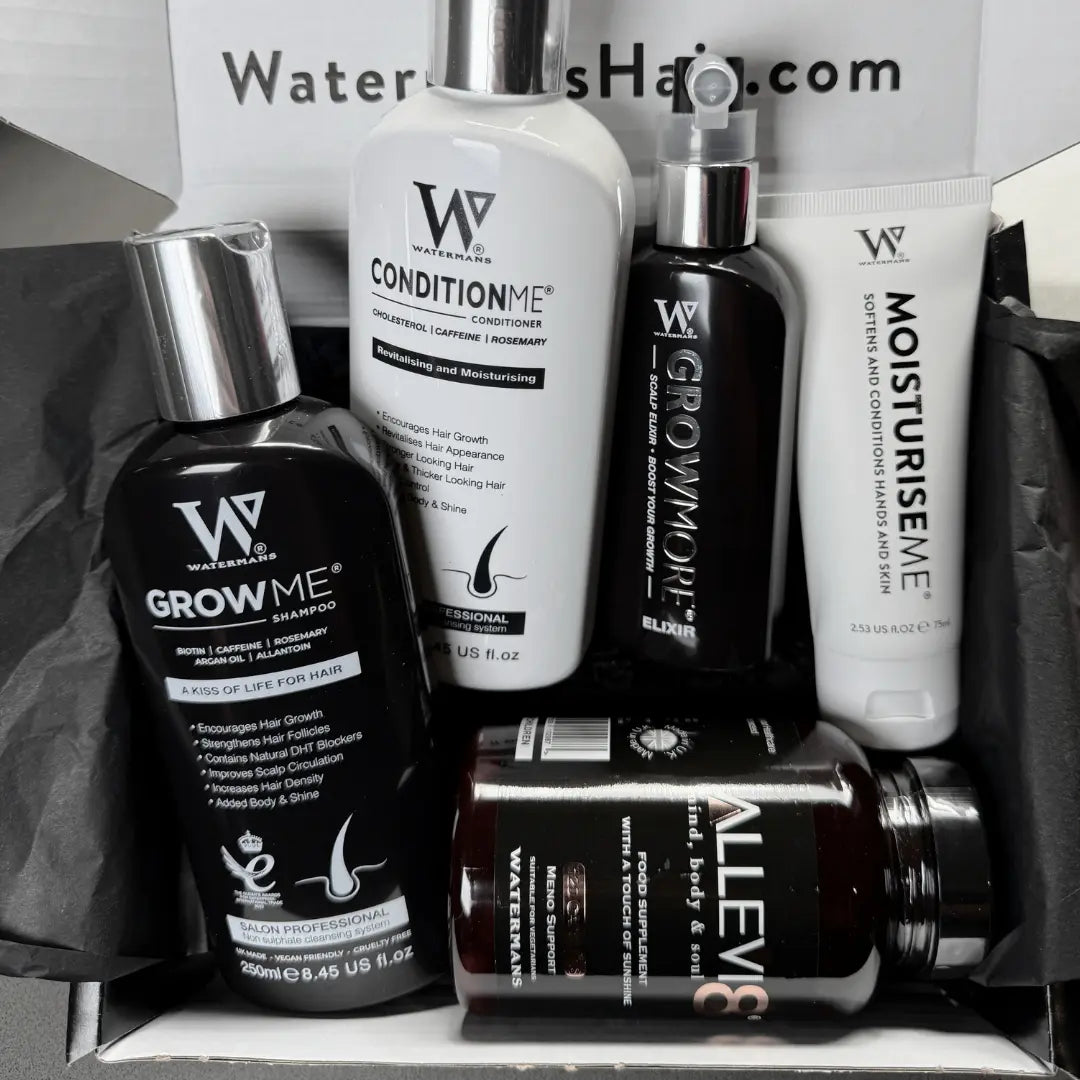
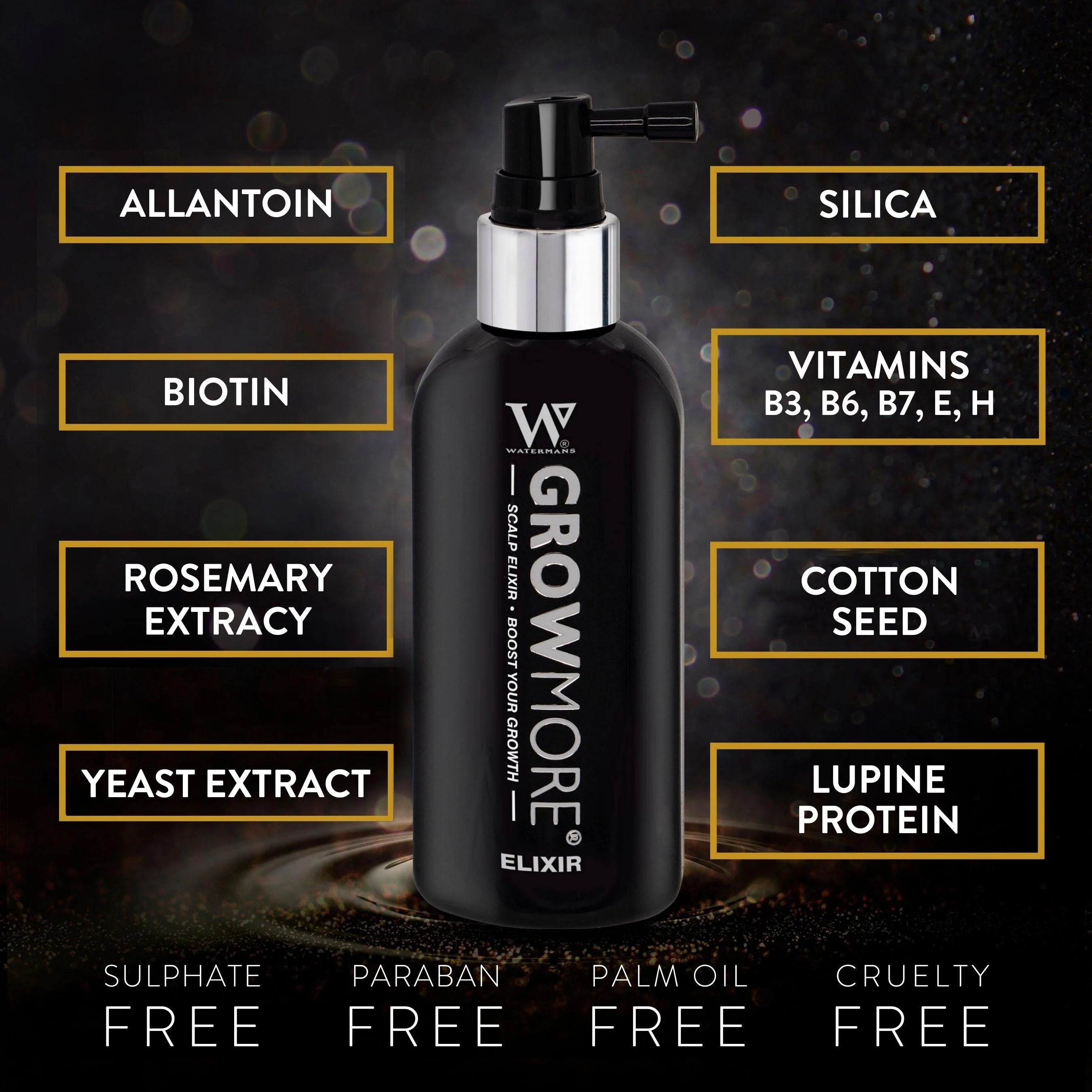
You may also consider the Watermans Hair Survival Kit if you seek extra care.
Preventing and Treating Irritation from Facial Hair Removal
No matter which facial hair method you choose, irritation is a common foe. Razor burn, red bumps, ingrown hairs, and dark marks can trouble you more than the hair.
Pre-Removal Steps to Protect Your Skin
• Wash your face with a mild cleanser.
• If you shave, use a slick gel or cream.
• If you wax or thread, keep the skin dry and free of oils (but not over-exfoliated).
• Do not use strong actives like retinoids or acids one or two days before removal.
Immediate Aftercare: The First 24 Hours
After you remove facial hair:
• Rinse with cool or lukewarm water.
• Apply a soothing, scent-free lotion or gel.
• Avoid heavy makeup or thick creams.
• Stay out of hot showers, saunas, and heavy workouts for a day.
• Use a mineral sunscreen if you go outdoors.
Dealing with Razor Bumps and Ingrown Hairs
If bumps occur after hair removal:
• Try a low-strength salicylic acid toner one or two times a week (not right before or after hair removal) to keep pores clear.
• Switch to a single-blade or top-quality multi-blade razor and change it often.
• Shave with the grain on very sensitive spots.
• Do not pick at ingrown hairs; see a professional if they hurt or swell.
Light-Based At-Home Devices for Facial Hair Reduction
At-home IPL devices use broad light to target hair pigment. Over time, they can lower hair density and slow new growth.
How At-Home IPL Works
IPL sends a wide light beam that, like lasers, targets the hair’s pigment. With repeated use, the hair grows back fewer and finer hairs.
Pros
• You can do it at home on your own time.
• Many users see a clear drop in hair density over time.
• It works well for small face areas.
Cons
• It is not as strong as professional laser work.
• It is not advised for deeper skin colors because of pigment risks.
• It works less well on light, grey, or red hair.
• You must use it regularly for many weeks.
Always follow the device rules, test on a small spot first, and avoid tanning before and after use.
Camouflaging Facial Hair Without Aggressive Removal
While you work on less hair, you might want to hide the hair you still see, especially if skin reacts often to waxing, threading, or shaving.
Bleaching Facial Hair
Bleach creams lighten hair instead of removing it.
Pros
• A quick way to lessen the contrast between hair and skin.
• It is less harsh than plucking or waxing.
Cons
• They may burn or irritate the skin.
• They are not made for very sensitive skin.
• They do not change hair thickness or amount.
A patch test is a must. Do not mix it with strong acids or retinoids.
Makeup and Concealers
Smart makeup can hide dark patches or redness that make hair stand out:
• Use color correctors (for example, peach or orange for blueish shadows).
• Use full-coverage, non-comedogenic concealers.
• Apply light-reflecting powders to soften bumps.
Always take makeup off gently and care for your skin afterward.
Safeguarding Your Skin Long-Term: Hyperpigmentation & Scarring
Repeated irritation, picking, or harsh methods can cause long-term marks.
• Post-inflammatory hyperpigmentation (dark spots) can form.
• Skin texture may change or scar if follicles are hurt too often.
How to Minimise Long-Term Skin Damage
• Stick to the gentlest method that works well for your skin.
• Do not over-exfoliate or mix too many strong actives with hair removal.
• Use soothing ingredients such as niacinamide, allantoin, ceramides, or panthenol.
• Wear daily sunscreen, especially if you wax, thread, or use lasers.
• If dark marks appear, ask a skin expert about gentle brightening treatments.
When to See a Professional About Facial Hair Reduction
Seek a professional if you face:
• A sudden surge in thick or coarse facial hair.
• Irregular periods, acne, or weight changes along with extra hair.
• Severe irritation, infections, or scars after hair removal.
• No improvement after trying many gentle methods.
A dermatologist or hormone expert can:
• Check for hormone changes.
• Prescribe creams or treatments.
• Advise on the best laser type for your skin tone.
• Help fix dark marks or scars.
A mix of expert help and consistent home care may bring smoother skin and fewer troubles.
Quick Comparison: Facial Hair Reduction Methods at a Glance
Here is a short list of methods:
• Laser Hair Removal
– Long-term change
– Best for dark hair on light to medium skin
– Moderate to high cost with several sessions
• Electrolysis
– Permanent removal
– Works on all hair colors and skin tones
– Time intensive and good for small areas
• At-Home IPL
– Gradual change
– Best with contrast (light skin with dark hair)
– Needs regular use over weeks
• Shaving
– Fast and low cost
– Hair grows back the same; stubble may be seen
– Depends on proper technique to keep skin calm
• Waxing/Threading/Sugaring
– Longer removal than shaving
– May cause bumps and ingrown hairs
– Good for shaping features
• Depilatory Creams
– Quick and mild for some
– High risk of chemical irritation
– Short-term results
• Topical Eflornithine (Rx)
– Slows hair regrowth and improves skin feel
– Works best when combined with physical removal
– Needs steady use
• Hormonal Treatment
– Treats hormone causes
– Must follow doctor advice
– Part of long-term care
Remember, while you work on reducing unwanted hair, care for hair where you want more—such as on your scalp—with non-medical support like Watermans Grow Me Shampoo.
FAQ: Facial Hair Reduction and Regrowth
1. What is the most effective method for long-term facial hair reduction?
For most people, laser hair removal brings strong long-term results, especially for dark hair on light skin. For a permanent fix on all hair colors, electrolysis works best even though it takes more time.
2. How can I reduce facial hair without irritation if I have sensitive skin?
If you have sensitive skin, begin with gentle methods. Use a sharp, clean razor with a hydrating gel and shave with the hair’s flow. Try professional threading with calm care afterward. Avoid strong creams or hot wax. If irritation keeps up, ask a skin expert about laser or prescription steps for you.
3. Can I permanently stop facial hair regrowth naturally?
No natural method can stop hair regrowth forever by destroying the follicle. You may cut back the hair with laser or electrolysis. You can also work to keep your skin calm so that any hair seems finer and less visible. For those who also face thinning scalp hair, using a shampoo like Watermans Grow Me Shampoo is a smart start while you use other methods on your face.
Take Action: Design Your Facial Hair Reduction Plan Today
You do not need to live with constant hair regrowth, redness, or worry. Facial hair reduction works best when you:
- Identify your skin and hair type—color, thickness, and sensitivity.
- Decide if you want short-term removal, long-term lessening, or permanent removal.
- Pick a method, such as shaving, threading, waxing, IPL, laser, or electrolysis, and pair it with calm skin care.
- Ask a doctor if your hair growth changes suddenly or causes you distress.
At the same time, care for the hair you wish to keep—on your scalp—by using products like Watermans Grow Me Shampoo. This shampoo supports blood flow to the scalp and nourishes hair from the roots. For a fuller routine, you might also try the Watermans Hair Survival Kit.
Begin to shape your plan now. Choose a reduction method that suits your skin, pair it with steady, gentle care, and give your scalp the strength it needs. With the right steps, you gain calm, confident control over your hair—exactly where you want it and far less where you do not.