Ludwig scale Guide: Recognize, Treat, and Reverse Female Hair Loss
Ludwig Scale Guide: Recognize, Treat, and Reverse Female Hair Loss
Female hair thinning can leave you feeling confused and upset. You may not be sure how severe it is or what step to take next. The Ludwig scale helps you see your hair loss clearly. It shows you the level of hair thinning so you can pick a treatment that fits.
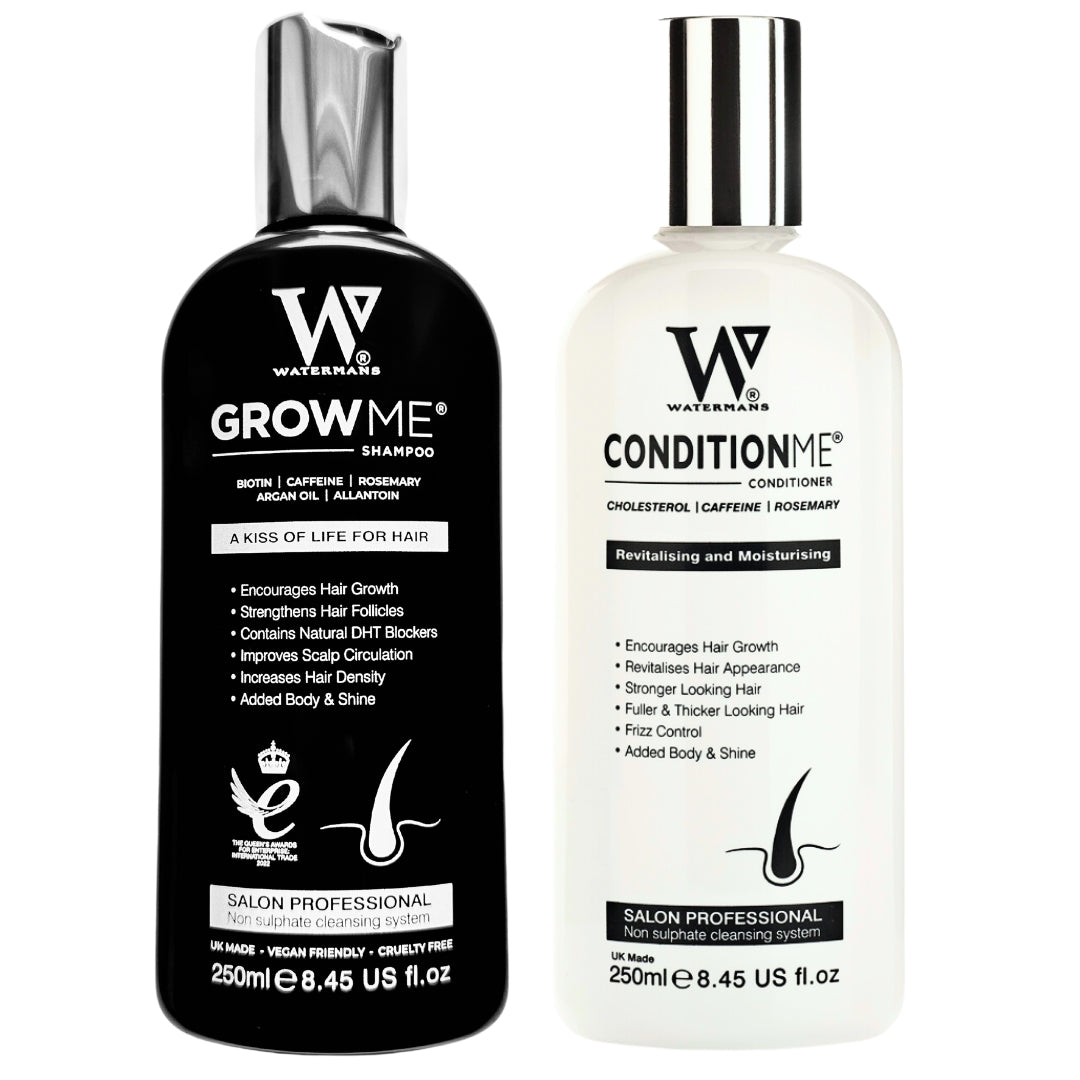
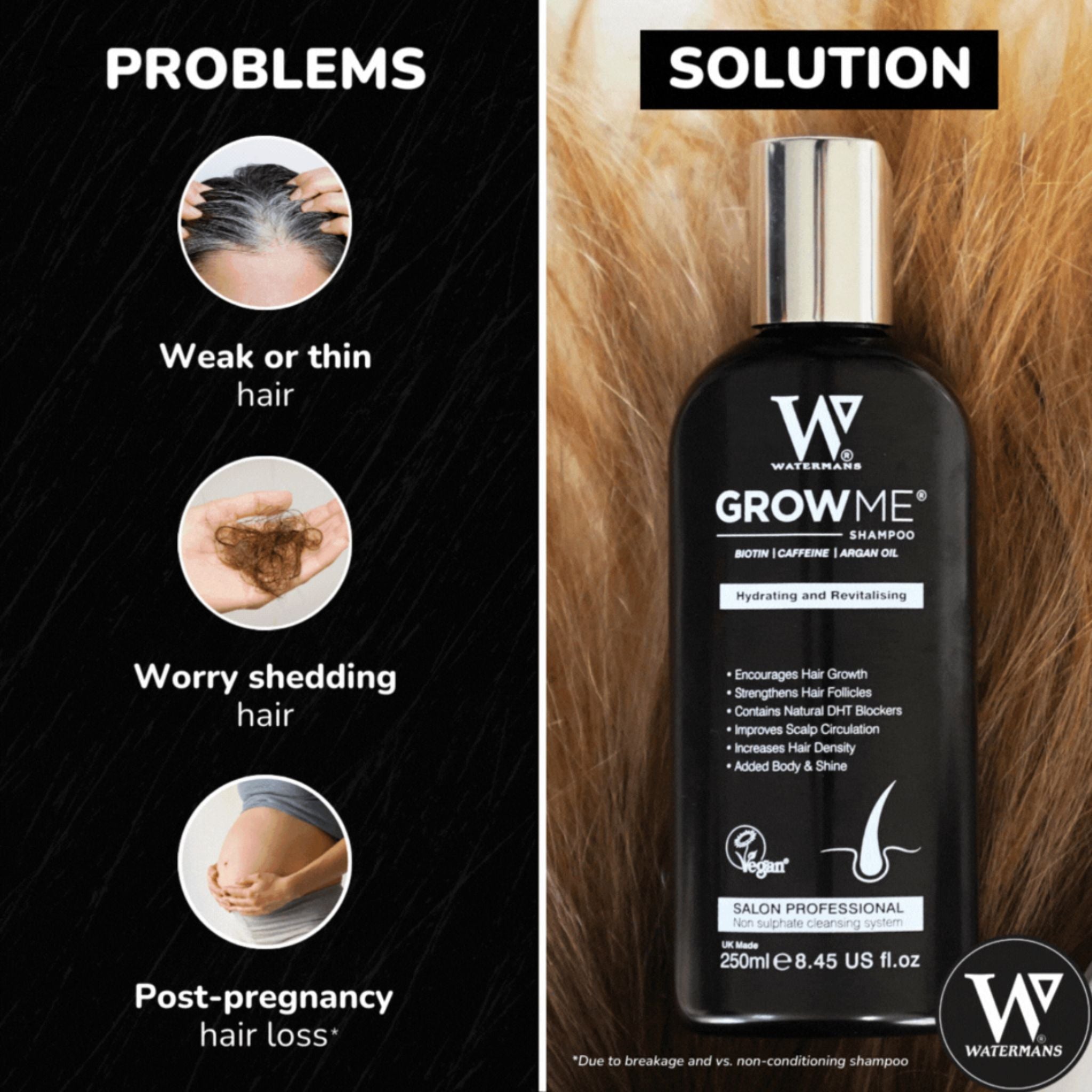
In this guide, you will know what the Ludwig scale is and how you can check it at home. You will see how each stage looks and feels. You will also find steps that may slow or even reverse thinning in many cases. You will learn why non‐medical steps like Watermans Grow Me Shampoo can be a smart start before you try stronger treatments that come with side effects.
What Is the Ludwig Scale?
The Ludwig scale is a system that shows the level of hair loss in women. It looks at thinning on the top of the scalp. This is different from the receding hairline seen in men.
Dr. Erich Ludwig first set up this scale. It helps doctors and hair experts:
- Use the same words when they talk about women’s hair loss
- Watch how hair loss changes over time
- Choose the right treatment for the stage
Though it came from medicine, you can use this scale as a guide. By comparing your hair to the typical stages, you can see what is happening and pick a plan that fits.
How the Ludwig Scale Works
The classic Ludwig scale has three main stages (I–III). Each stage may show a few sub-stages. They all focus on one sign: thinning across the top of the scalp.
Ludwig Stage I: Early Thinning
Stage I means there is mild hair loss:
- The middle part becomes a little wider
- Hair is less dense around the crown
- The front hairline stays mostly full
- Your ponytail may feel thinner, but it still looks full to many
You might see:
- More scalp when you are in bright light
- More hair in the shower drain or on your brush
- Less volume when you style your hair
Many women start here, but sometimes they ignore the sign. This is the time when gentle, scalp-focused care like Watermans Grow Me Shampoo can slow or even reverse thinning.
Ludwig Stage II: Moderate Thinning
Stage II shows that hair density is lower:
- The middle part is clearly wider
- More scalp is visible from the front or above
- Hair on the top may seem transparent
- It is harder to keep a full look, even with styling products
Those close to you may start to notice. You might:
- Avoid styles that show your top
- See that photos taken from above display more scalp
- Feel that your ponytail is much smaller
At this stage, using a mix of scalp-stimulating shampoo and other targeted treatments, along with some medical treatments if needed, can be useful.
Ludwig Stage III: Advanced Thinning
Stage III shows advanced hair loss in women:
- Hair thinning is wide across the crown and middle scalp
- The scalp shows clearly even in soft light
- Remaining hair on top may be wispy or very fine
- Hair on the sides and back stays mostly full
At this point, the plan is to:
- Keep the hair follicles that remain
- Get the most from non-surgical options
- Think about advanced choices, such as special hair systems or even a transplant
Even at this stage, it is important to care for your scalp. Many women find that small steps to wake up quiet follicles can bring back some thickness. Products like Watermans Grow Me Shampoo may help in these moments.
Ludwig Scale vs. Other Hair Loss Classifications
You may have heard about the Norwood scale for men. Knowing the difference between them helps you see your own pattern:
- Ludwig scale (women): It shows diffuse thinning on the crown and midline and usually keeps a full frontal hairline.
- Norwood scale (men): It focuses on a receding hairline at the temples and shows more bald spots in an M‑ or U‑shape.
Some women have a mix of these patterns if their hair shows sensitivity to hormones. However, the Ludwig pattern of gradual thinning on top with a full front is most common.
How to Use the Ludwig Scale at Home
You do not need a clinic to understand your stage on the Ludwig scale. This is a simple check you can do:
-
Part your hair in the middle.
Use a fine-tooth comb to make a straight part. -
Check in natural, bright light.
Stand near a window or under a soft light and look in a mirror. If you can, take photos from the front and from above. -
Look at the scalp.
- If you see a thin line with little scalp: It is likely Stage I or normal.
- If your central part is wider: It may be Stage I–II.
- If you see a broad area of scalp at the crown: It may be Stage II–III. -
Check your ponytail.
Compare the thickness of your ponytail with older photos or your own memory. -
Look at past photos.
Check old pictures to see changes at the top of your head. Small changes over many years can show progression even if you did not notice day-to-day.
Use this check as a guide, not a final diagnosis. If you wonder whether you are in Stage II or beyond, a visit with a dermatologist or trichologist can give you a better answer and rule out other causes like temporary shedding, patchy hair loss, or scarring conditions.
What Causes Female Pattern Hair Loss on the Ludwig Scale?
The Ludwig scale shows what you see on your head. To help your hair, you must know why it happens.
Major causes include:
Genetics and Hormones
Female hair loss runs in families and is tied to hormones:
- Androgen sensitivity: Some hair follicles on the crown react more strongly to male hormones, like DHT.
- Miniaturization: Over time, these follicles shrink. They then make hairs that are finer and shorter.
- Hormonal shifts: Changes after pregnancy, during the years before and after the menopause, or in conditions like PCOS can speed up hair loss.
Early care at this stage can help support the follicles before they shrink too much.
Chronic Stress and Inflammation
Long-term stress raises cortisol and can send hair into a resting state. A small but steady scalp irritation—from harsh chemicals, product buildup, or skin issues—can also slow hair growth.
A gentle routine with a shampoo such as Watermans Grow Me Shampoo, which contains caffeine, niacinamide, allantoin, and natural plant extracts, can calm the scalp and wake up sluggish follicles.
Nutritional Factors
Hair follicles work hard and need good fuel. A lack of iron, vitamin D, zinc, biotin, or protein can worsen thinning if you are prone to it.
Modern diets, strict eating, and gut issues may add to Ludwig-type thinning.
Medical Conditions and Medications
Some conditions make Ludwig-type thinning worse:
- Thyroid disorders
- Autoimmune diseases
- Certain medications, such as some for depression, acne, or blood thinning
That is why, from Stage I on, it helps to run basic blood tests with your doctor (iron levels, thyroid tests, vitamin D) while starting a simple treatment at home.
Recognizing Ludwig Scale Hair Loss in Different Life Stages
Female hair thinning does not occur the same way at 20 as it does at 60. Here is how the Ludwig scale may look during different ages:
In Your 20s and 30s
- A slight widening of the middle part (early Stage I)
- A bit more shedding during stressful times
- A ponytail that seems thinner than when you were a teen
At this time, you may blame your hair style, your diet, or stress. Yet, your genes may be sending signals. This is a good time to grow a regular, scalp-focused routine.
In Your 40s and 50s
The years before and after menopause bring hormonal changes that can speed up Ludwig-type thinning:
- Stage I may move into Stage II
- Your hair may not hold styles as well
- The difference between your hair and scalp becomes clearer, especially in photos
Many women ask for help at this stage. Still, if the follicles are only shrunken and not lost, some reversal is possible.
60 and Beyond
At this age, many women see clear thinning:
- Stage II or Stage III becomes common
- Hair may feel finer or drier
- The scalp shows more clearly at the crown
Even if reversing thinning is hard at this point, gentle hair care and light styling can bring visible improvement.
Key Ingredients to Support Hair at Every Ludwig Stage
At every Ludwig stage, caring for your scalp is very useful. That is why a shampoo like Watermans Grow Me Shampoo is often the first choice for many women.
Its formula works from the roots to boost hair volume. The blend contains:
- Biotin: It helps build hair strength.
- Rosemary: It has long been used to boost blood flow in the scalp.
- Caffeine: It may help fight some of the effects of DHT at the follicle and keep hair growing longer.
- Niacinamide: It helps with small blood flow and protects the skin on your head.
- Argan Oil: It feeds and moisturizes the hair without causing buildup.
- Allantoin: It calms the scalp and makes it comfortable.
- Lupin Protein: This plant protein helps to strengthen the hair fibers.
These ingredients work together to create a friendly environment for hair growth. They can be especially effective in the early stages when follicles still work well.

Treatment Strategies by Ludwig Scale Stage
Different levels of hair loss need steps that match the stage. Your plan should fit your needs, and you can think of it in “tiers” that fit your Ludwig stage.
Stage I: Early Intervention and Prevention
Goals: Slow the process, make hair thicker, and keep the scalp healthy.
Core steps:
- Switch to a growth-supportive shampoo: Use Watermans Grow Me Shampoo as your main cleaner. It gently wakes up your scalp as you wash.
- Avoid harsh chemicals: Do not use too much bleach, high heat, or tight hairstyles.
- Check your nutrition: Get enough protein, iron, and needed micronutrients from your diet or doctor-approved supplements.
- Manage stress: Work on lowering stress. High stress can push more hair into the shedding phase.
For many in Stage I, these steps show results in better thickness, shine, and less shedding over several months.
Stage II: Intensified Topical Care and Lifestyle Changes
Goals: Stop or slow down hair loss and help miniaturised follicles grow again.
Extra steps:
- Boost scalp stimulation: Use your growth shampoo with a gentle scalp massage each wash.
- Use a matching hair care system: You may try systems like the Watermans Hair Survival Kit. This kit pairs shampoo with other products to build a routine.
- Talk with a professional: Ask your dermatologist or hair expert to check your stage and look for other issues.
- Review your medications and history: Work with your doctor if any drugs are making thinning worse.
In Stage II, a steady routine is key. It may take a few hair cycles (3–6 months or more) to see full results.
Stage III: Preservation and Advanced Choices
Goals: Keep the hair you have, improve the look, and think about advanced steps if needed.
Strategies:
- Keep using scalp-friendly products: Do not stop using friendly shampoos; hair that remains can still improve.
- Use smart styling: Try volumizing products and haircuts that help hide thinning, such as soft layers or light fringes.
- Consider advanced options: A specialist may talk with you about options such as prescription treatments, laser therapy, special hair systems, or a transplant in some cases.
Even now, a formula like Watermans Grow Me Shampoo can support the hair that remains and add to other care steps.
How Fast Can You Improve on the Ludwig Scale?
Hair grows slowly—about 1 cm each month. This means:
- You may see less shedding in 6–8 weeks with the right routine.
- Thicker hair and small new hairs along the part may appear after 3–6 months.
- You may need 9–12 months to see the full results of a new routine.
A steady plan matters more than a very strong but brief effort. A gentle and focused routine, used daily, beats many short and choppy tries.
Common Mistakes Women Make at Each Ludwig Stage
Knowing what not to do saves time, money, and stress.
Stage I Mistakes
- Not noticing early signs: Ignoring a widening part as just stress for many years.
- Over-styling: Using harsh techniques like heavy backcombing, strong alcohol sprays, or daily high heat.
- Switching products too fast: Trying a new product every few weeks without waiting to see if it works.
Stage II Mistakes
- Choosing extreme options too soon: Trying surgery or strong medications before you build a base of scalp care and gentle stimulation.
- Only using camouflage: Relying on fibers and powders without treating the follicles.
- Skipping health checks: Not checking for thyroid, iron, or hormone issues that might worsen thinning.
Stage III Mistakes
- Giving up: Thinking nothing will help and stopping all care.
- Using too-tight styles: Wearing tight buns, extensions, or heavy weaves that put stress on fragile hair.
- Ignoring scalp comfort: Letting irritation or buildup continue, which can hurt your hair further.
At each stage, a calm plan that uses a kind, scalp-friendly shampoo like Watermans Grow Me Shampoo works better than quick fixes that do not last.
Practical Routine Example for Different Ludwig Stages
Here is one way to set up a weekly routine around your Ludwig stage.
Stage I Routine (Early Thinning)
- Wash your hair 3–4 times per week with Watermans Grow Me Shampoo and massage gently for 2–3 minutes.
- Use a conditioner on mid-lengths and ends. Avoid heavy silicone near the roots.
- Air dry your hair when you can. If you use heat, use a heat protectant.
- Eat meals rich in protein and include iron-rich foods if needed.
Stage II Routine (Moderate Thinning)
- Stick to a full set of growth products like the Watermans Hair Survival Kit that works together well.
- Give your scalp a gentle massage with your fingertips or a soft tool several times a week.
- See your doctor for tests and to discuss your family history.
- Choose haircuts that show more volume, like soft layers or a light fringe, and avoid heavy lengths.
Stage III Routine (Advanced Thinning)
- Keep using Watermans Grow Me Shampoo as your main cleanser to care for what is left.
- Choose light volumizing products that do not block the follicles.
- Work with a stylist who knows about thinning hair to choose the best cut and color.
- Talk to a hair specialist about a long-term plan that may include both medical and non-medical steps.
Ludwig Scale and Emotional Wellbeing
The Ludwig scale is a clinical tool, but the effects are personal. Many women feel:
- Hesitant to take photos or face bright light
- Worried about dating, work, or social events
- Sad about losing a part of their self-image tied to their hair
Seeing your Ludwig stage can help you feel more in control. When you know where you stand, you can choose actions based on clear facts instead of fear.
Ideas for support:
- Speak with a trusted friend or join a support group
- Focus on what you can change: your routine, your diet, stress levels, and scalp care
- See hair care as self-care rather than a crisis
Every step you take—from changing to a friendly shampoo to choosing softer hairstyles—sends a message that you care for your hair and your well-being.
Frequently Asked Questions About the Ludwig Scale
1. How accurate is the Ludwig scale for female hair thinning?
The Ludwig scale is a handy guide for common female pattern hair loss, especially when thinning is seen on the top and crown. It does not replace a full diagnosis. Some women may show mixed patterns or other issues that do not fit neatly into the stages. Use this tool as a guide and have a specialist check your condition if you are unsure.
2. Can I move from Ludwig Stage II back to Stage I?
In many instances, the answer is yes. This is most true when hair follicles are shrunken but not inactive. With early and steady care—such as a scalp-provoking shampoo like Watermans Grow Me Shampoo, a better diet, and addressing other health factors—you may see thicker hair and coverage that looks like an earlier stage.
3. How do I know if my hair loss matches the Ludwig classification for women?
Look at where your hair thins. If you see:
- A wider central part
- Thinning on the crown and middle of your scalp
- A mostly intact frontal hairline
Your pattern likely fits the Ludwig scale. If you have more hair loss at the temples, patchy areas, or sudden widespread shedding, you may have another type of hair loss and should see a doctor.
Take Control of Your Place on the Ludwig Scale
You do not need to wait until others notice your thinning before you act. Whether you see a slightly wider part or scaled thinning at the crown, the Ludwig scale gives you a way to think about your stage. You can choose to take action at any point.
A smart start is to build a strong routine for your scalp. This could mean switching to a proven shampoo like Watermans Grow Me Shampoo. This shampoo is made with biotin, rosemary, caffeine, niacinamide, argan oil, allantoin, and lupin protein to wake up your scalp and add volume at the roots. For a more all-in-one method, you might also try the products in the Watermans Hair Survival Kit, which work together in your routine.
Your stage on the Ludwig scale does not set your fate. With steady and careful action today, you give your hair the chance to stay stronger, fuller, and more resilient in the years ahead.