
Article: Follicular unit extraction: Insider Tips to Maximize Natural Hair Results

Follicular unit extraction: Insider Tips to Maximize Natural Hair Results
Follicular Unit Extraction: Insider Tips for Natural Hair Results
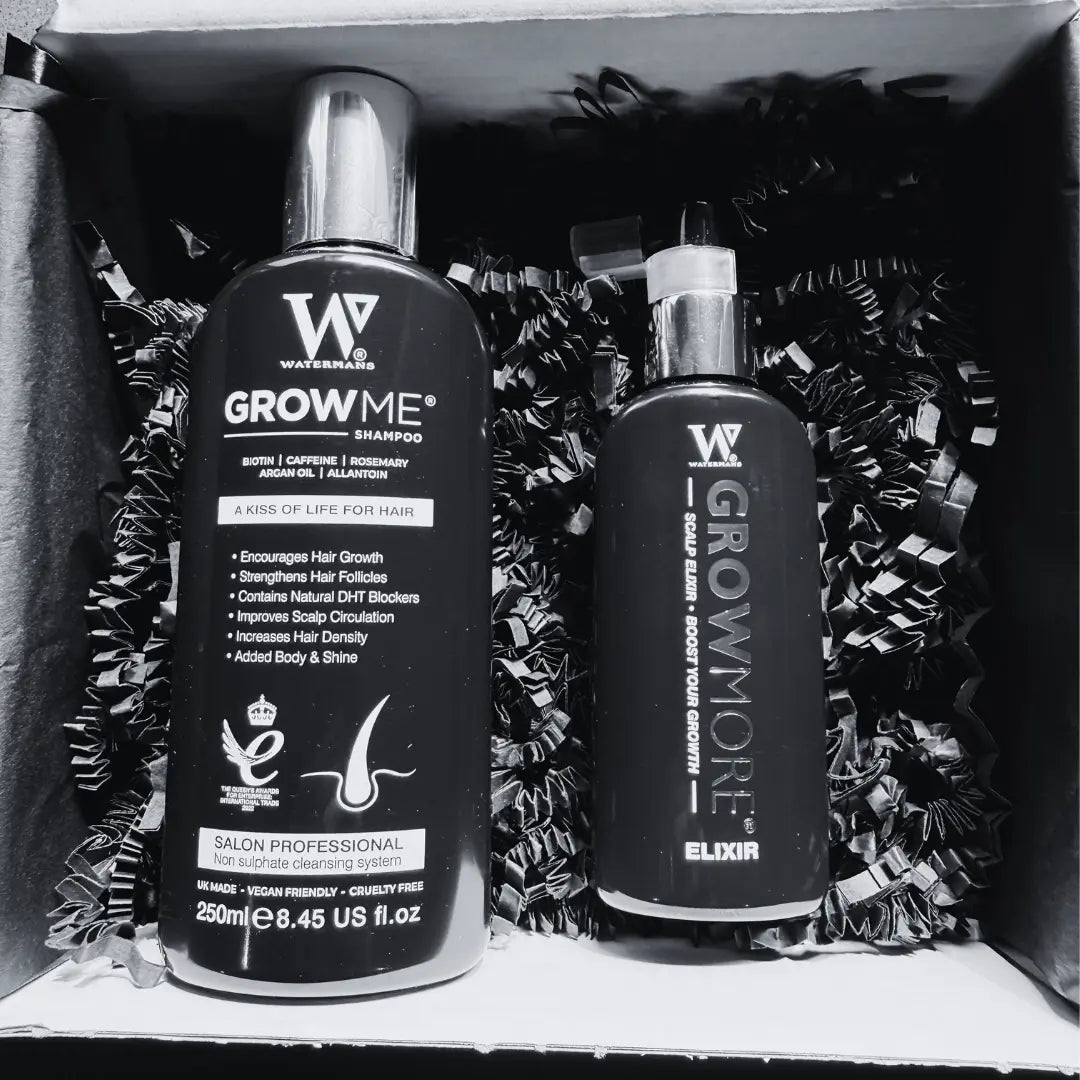
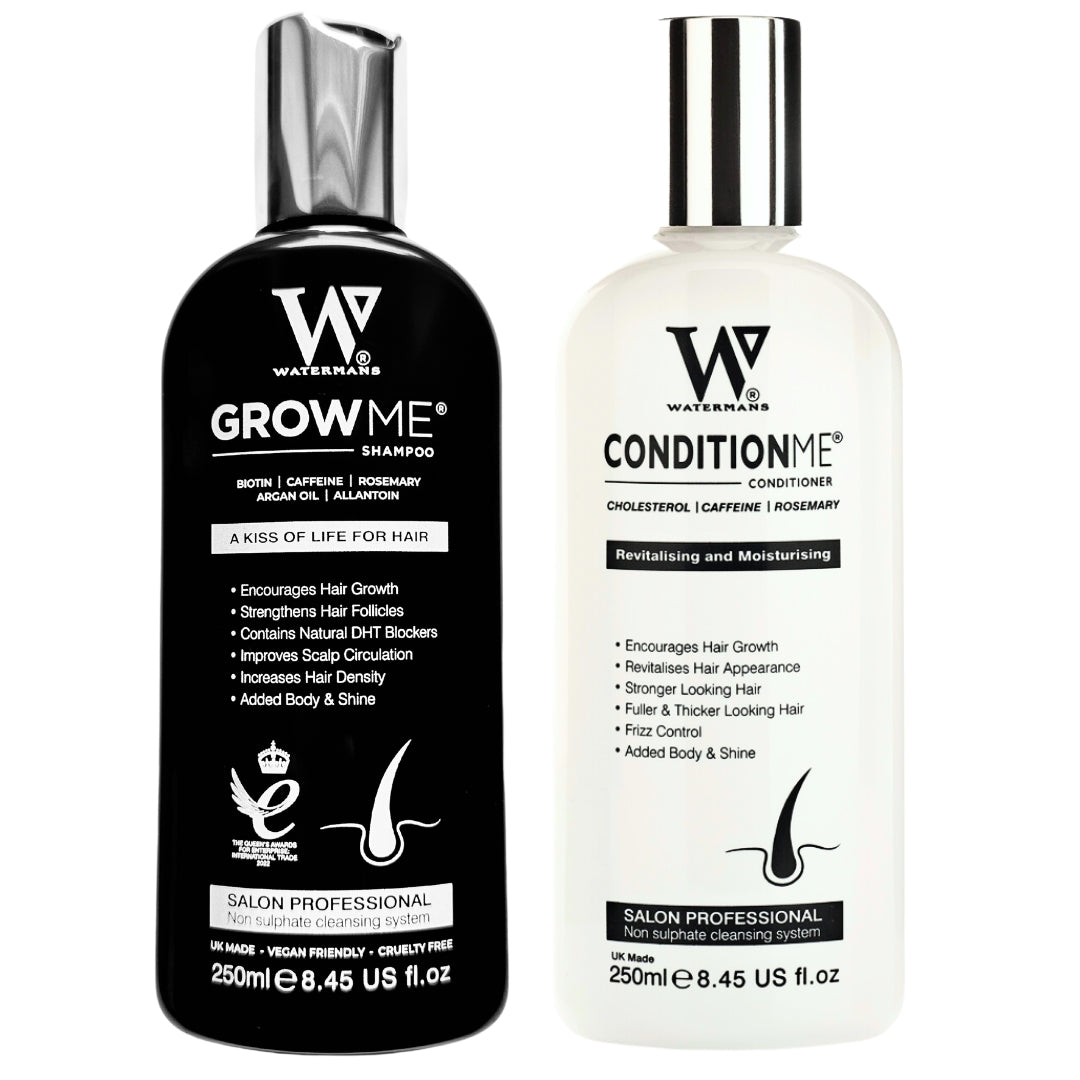
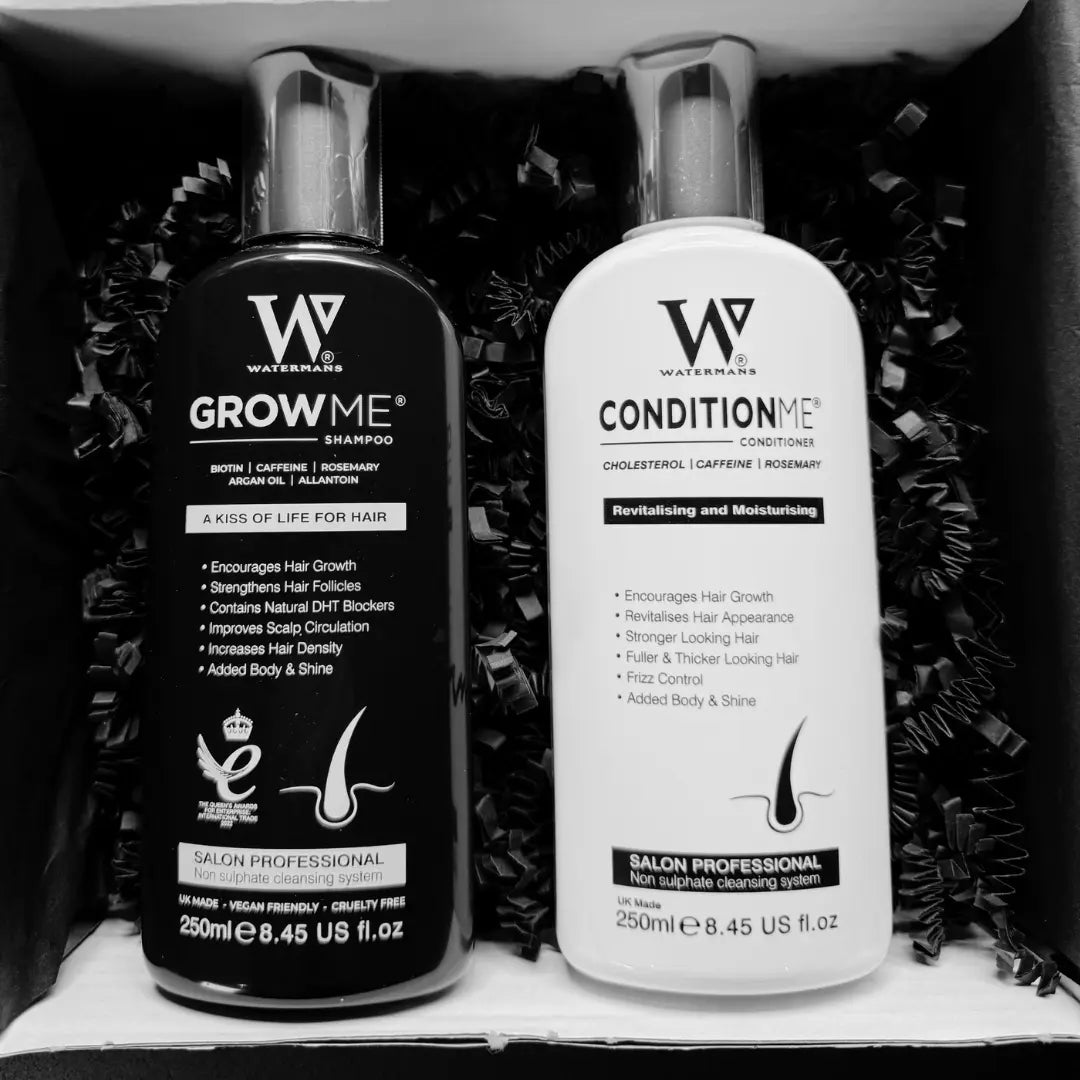
Follicular unit extraction (FUE) changes hair transplant methods. It uses small tools to move single hair groups from a donor site to thinning spots. If you worry about hair loss, you want to stop more shedding and learn about surgery. Many experts advise you to begin with proven non-medical choices like Watermans Grow Me Shampoo. This shampoo wakes up your scalp and helps hair look thicker before you plan FUE.
This guide explains how follicular unit extraction works, when to choose it, and the best ways to get natural-looking results before and after the surgery.
What Is Follicular Unit Extraction (FUE)?
Follicular unit extraction is a method that removes one hair group at a time from the donor area (usually at the back or side of the head) and places each group in bald or sparse areas.
Unlike older strip methods, FUE
- uses tiny round tools (about 0.7–1.0 mm),
- leaves small dot scars that most do not see,
- lets you choose shorter styles with ease,
- looks natural when a skilled doctor does the work.
A follicular unit has 1–4 hairs. A good team takes these units and places them so that they match natural hair growth.
FUE vs FUT: Why FUE Became Popular
Understanding why many patients prefer FUE can help you choose if it fits your needs.
Scarring and Hair Length
- FUE: Leaves small dot scars in the donor area. They usually vanish from view at normal distances, even with short hair.
- FUT (Strip Surgery): Leaves a long scar at the back. This scar can show with very short hair.
Recovery Experience
- FUE: Works with less tissue, brings less discomfort after surgery, and you get back to daily life faster.
- FUT: Involves a larger cut that may cause tightness and soreness. Healing takes longer and needs more care.
Graft Counts and Donor Management
- FUE: Helps doctors pick the best grafts. Yet, taking too many can make the donor area look thin.
- FUT: Gets many grafts from one cut. It works well when you need extra coverage.
Many men and women choose FUE because it leaves little scar, helps you heal faster, and gives more styling options.
Who Is a Good Candidate for Follicular Unit Extraction?
FUE does not suit everyone. It is wise to check your hair loss, how much hair you have to give, and what you want to achieve.
Ideal Candidates Typically Have:
- A hair loss pattern that has reached a steady phase (often after age 25–30) rather than rapid loss.
- A donor area with dense, thick hair at the back or sides.
- Goals that aim for a natural look instead of an overly dense result.
- Good overall health so that healing works well.
If your thinning is just starting, a good doctor may ask you to wait on surgery and focus on making your current hair stronger. This time is good to use non-surgical solutions like:
- A daily scalp routine with Watermans Grow Me Shampoo
- Changing habits that lower stress, improve sleep, and boost nutrition
- Medical treatments when needed and supervised by a doctor
Non-Surgical Foundations: Strengthen Hair Before FUE
A smart tip is to start by caring for your existing hair. Patients who later see the best FUE results work hard to keep their hair and scalp healthy.
Why This Matters
- Strong hair now blends well with later transplanted hair.
- A healthy scalp helps the new grafts grow.
- Slowing hair loss can save you from extra surgeries soon.
Watermans Grow Me Shampoo: Pre- and Post-Transplant Support
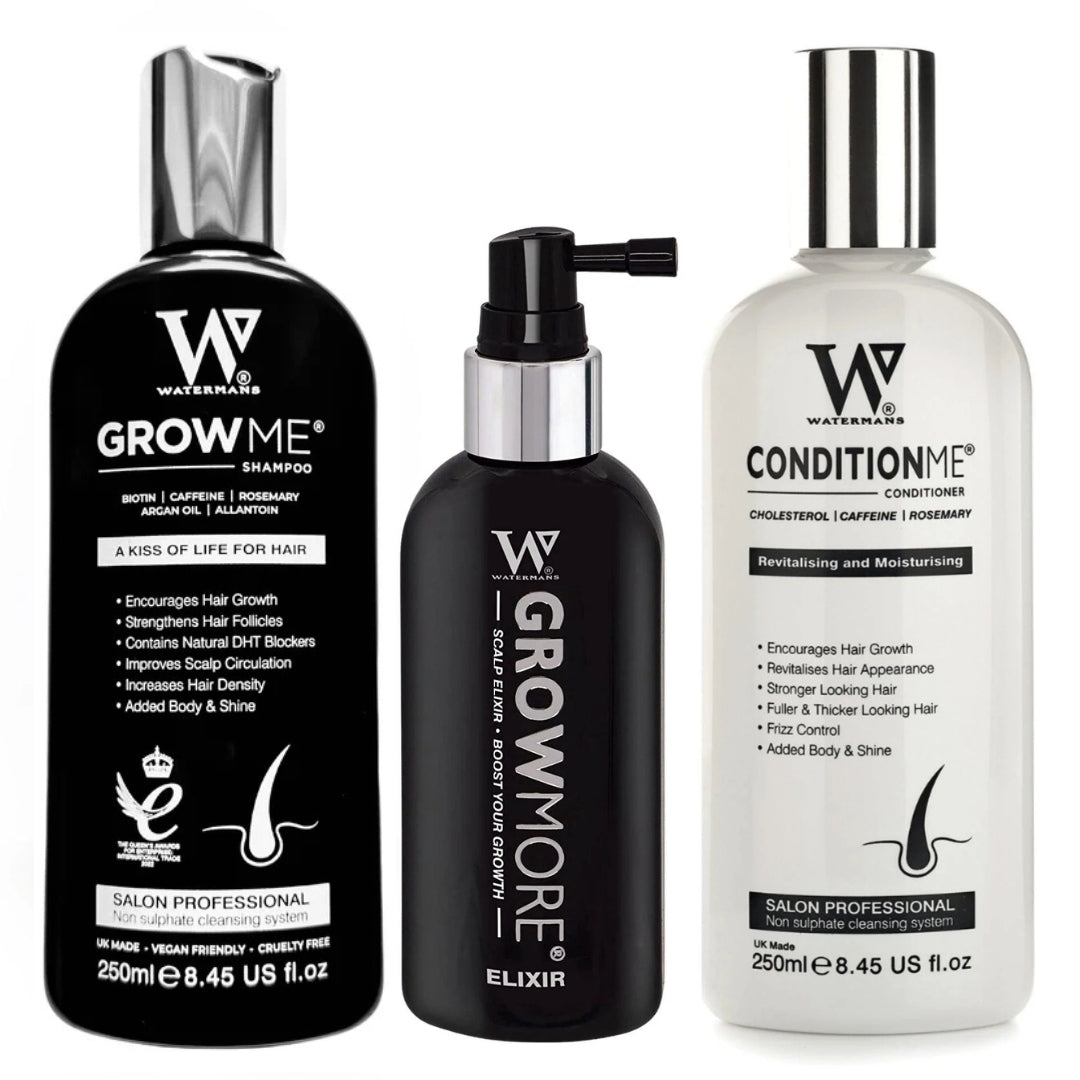
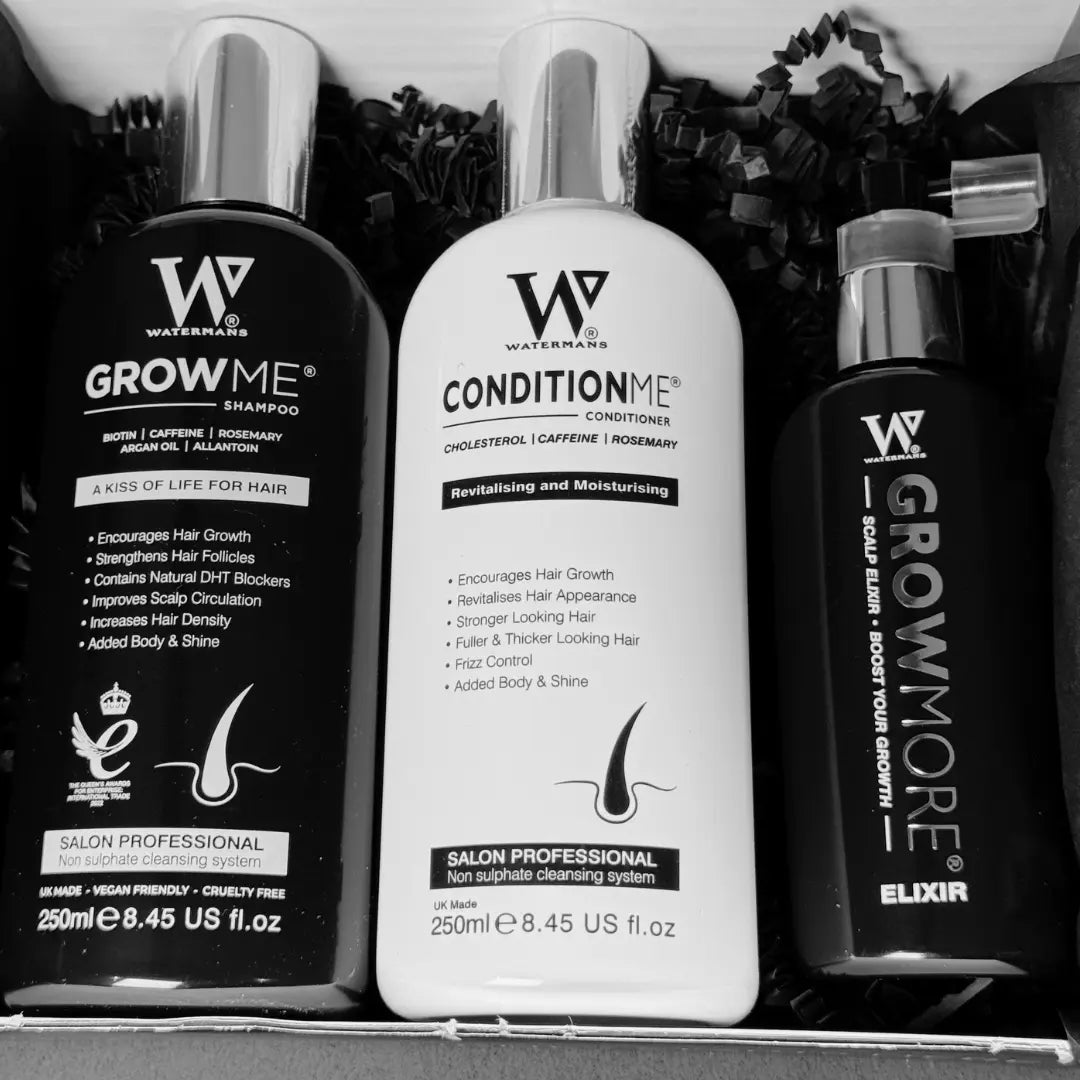
Before you choose surgery, it is wise to try high-quality non-surgical choices. A trusted product is Watermans Grow Me Shampoo. It wakes up the scalp and adds volume at the roots. Its main parts are:
- Biotin – Helps the hair’s strength.
- Rosemary – Used to wake up the scalp and add blood flow.
- Caffeine – May block DHT effects around the hair roots.
- Niacinamide – A form of vitamin B3 that supports the scalp.
- Argan Oil – Contains fatty acids to nourish and protect.
- Allantoin – Calms the scalp and helps skin renewal.
- Lupin Protein – Strengthens hair from the roots for a fuller look.
Using this shampoo every day helps build a good foundation before your FUE.
The FUE Journey: Step-by-Step from Consultation to Results
To get the best hair with FUE, you must know the steps along the way.
1. Initial Consultation and Assessment
Your first meeting should include:
- A detailed personal and family hair loss history
- A look at your health, including medicines and any past surgery
- A close look at your scalp and donor hair count
- Photos from many angles
- A talk about non-surgical choices and what to expect
Do not choose a clinic that rushes this step or goes directly to surgery without care steps.
2. Pre-Operative Preparation
Before the FUE, you may get these tips:
- Avoid smoking and too much alcohol
- Stop blood-thinning medications or supplements if a doctor says so
- Use a gentle scalp routine. You can use a good shampoo like Watermans Grow Me Shampoo to keep your scalp clean and even
3. The FUE Procedure Day
A normal FUE day follows these steps:
- Shaving (all or part of the donor area)
- Local anaesthesia to numb the donor and target spots
- Harvesting with very small tools
- Preparing the grafts under a microscope
- Making sites for the grafts with small cuts planned by angle and density
- Placing the grafts to follow a natural hair line
The session lasts between 4 and 10 hours, based on how many grafts are needed.
4. Immediate Post-Operative Period
After the procedure, you will see:
- Small scabs in the transplant zone
- Some redness and slight puffiness (often on the forehead)
- A set of instructions on washing, where to sleep, and what activities to avoid
Following these steps is one of the best ways to get natural-looking results.
Surgical Planning Tips for Natural-Looking FUE Results
The look of your FUE starts with careful planning before the first graft is taken.
Designing a Timeless Hairline
A natural hairline:
- Does not go in a perfectly straight line
- Sits at a height that suits your age
- Uses single-hair grafts at the front and groups behind
A good doctor will not design a hairline that is too low for your age or that uses more grafts than you can safely donate. This care keeps the result looking real as you age.
Respecting Donor Limits
Your donor area is limited. If too many hairs are taken:
- The back or sides can look thin, making the work obvious
- Future sessions may become harder
Top clinics plan for 10 to 20 years. They plan to:
- Use as few grafts as needed to get the best result
- Keep the donor zone full and balanced
- Save some grafts if you need extra touch-ups later
Post-FUE Care: How to Protect and Grow Your New Grafts
The weeks and months after FUE are key for the new grafts. You cannot rush nature, but you can help the process.

First 72 Hours
- Sleep with your head raised to drop swelling
- Do not touch or scratch the grafts
- Follow your clinic’s guide for washing
First 2 Weeks
- Do not do heavy exercise or lift heavy things that raise your blood pressure
- Avoid direct sun or tanning on the treated area
- Use only the cleansers and products your doctor recommends
After your doctor lets you use a normal shampoo, many use a scalp-boosting routine with Watermans Grow Me Shampoo to keep a good environment for both new and old hair.
Shedding Phase: Do Not Worry
Between weeks 2 and 8, transplanted hairs may fall. This is part of the normal cycle as the hair roots rest before new growth begins.
Maximising Density and Coverage with FUE
Getting a natural look with FUE is not only about the number of grafts—it also depends on how they are placed.
Planning Density
Natural hair does not have one uniform density. You do not need to copy your teenage look; you need to build a sense of fullness.
Good surgeons:
- Focus on the front third of the scalp where hair lives near the face
- Place finer grafts in the front and thicker groups behind to add depth
- Adjust the number of grafts to match both your donor supply and the chance of future hair loss
Hair Characteristics Matter
Some hair types cover more space:
- Hair that is curly or wavy often looks denser than straight hair.
- Thick hair shafts cover more than very thin hair.
- Dark hair against light skin shows up more and may need extra care in placement.
A clinic that knows these points can make a big difference.
Supporting Your FUE with Smart Haircare and Lifestyle Choices
Surgery fixes spots where hair is already gone. The long-term success of FUE depends a lot on how you treat the hair that stays.
Daily Haircare Routine
A good routine can include:
- Gentle cleansing with a shampoo meant for the scalp. A good choice is Watermans Grow Me Shampoo, which uses Biotin, Rosemary, Caffeine, Niacinamide, Argan Oil, Allantoin, and Lupin Protein.
- Avoiding strong chemicals or shampoos that strip away too much.
- Limiting heat styling and harsh chemical treatments.
- Cleaning brushes and pillowcases often.
Nutrition and Lifestyle
Hair grows quickly and shows your overall health. Help your FUE result by:
- Eating foods rich in protein like fish, eggs, beans, and lean meats.
- Including sources of iron, zinc, vitamin D, and omega-3 fats in your meals.
- Using exercise or mindful practices to lower stress.
- Getting good sleep to keep your hormones balanced.
Research shows that a lack of key nutrients and long-term stress can make hair shed more.
Common FUE Mistakes and How to Avoid Them
Even the best surgeon can see issues if simple mistakes are made.
1. Picking Low-Cost Clinics Over Quality
Budget clinics that promise too many grafts risk:
- Taking too many hairs from your donor area.
- Using less experienced staff for key steps.
- Creating a hairline that looks uneven or fake.
Always check:
- The doctor’s credentials and experience.
- Before-and-after photos with hair types like yours.
- Reviews from patients over time.
2. Ignoring Ongoing Hair Loss
If you do not care for the cause of hair loss, you may end up with:
- A thick patch of transplanted hair that stands out from the thinning surrounding areas.
- The need for more surgeries later.
Pair FUE with:
- A steady scalp care routine (for example, using Watermans Grow Me Shampoo).
- Other treatments if your doctor thinks they are needed.
3. Setting Unrealistic Goals
FUE can:
- Improve fullness in key areas.
- Repair a receding hairline.
- Create the look of more hair.
FUE cannot:
- Bring back every hair from your youth.
- Solve hair loss if the donor supply is very limited.
A clear talk with your doctor and long-term planning set the stage for good results.
When Follicular Unit Extraction Is Not Enough on Its Own
Sometimes, surgery is not the only or best path.
Diffuse Thinning
If hair thins not only on the top but also in the donor area, FUE may:
- Provide limited changes.
- Further thin the donor spot.
In these cases, you might get more help by using:
- A range of non-surgical choices.
- A full medical check to rule out other conditions.
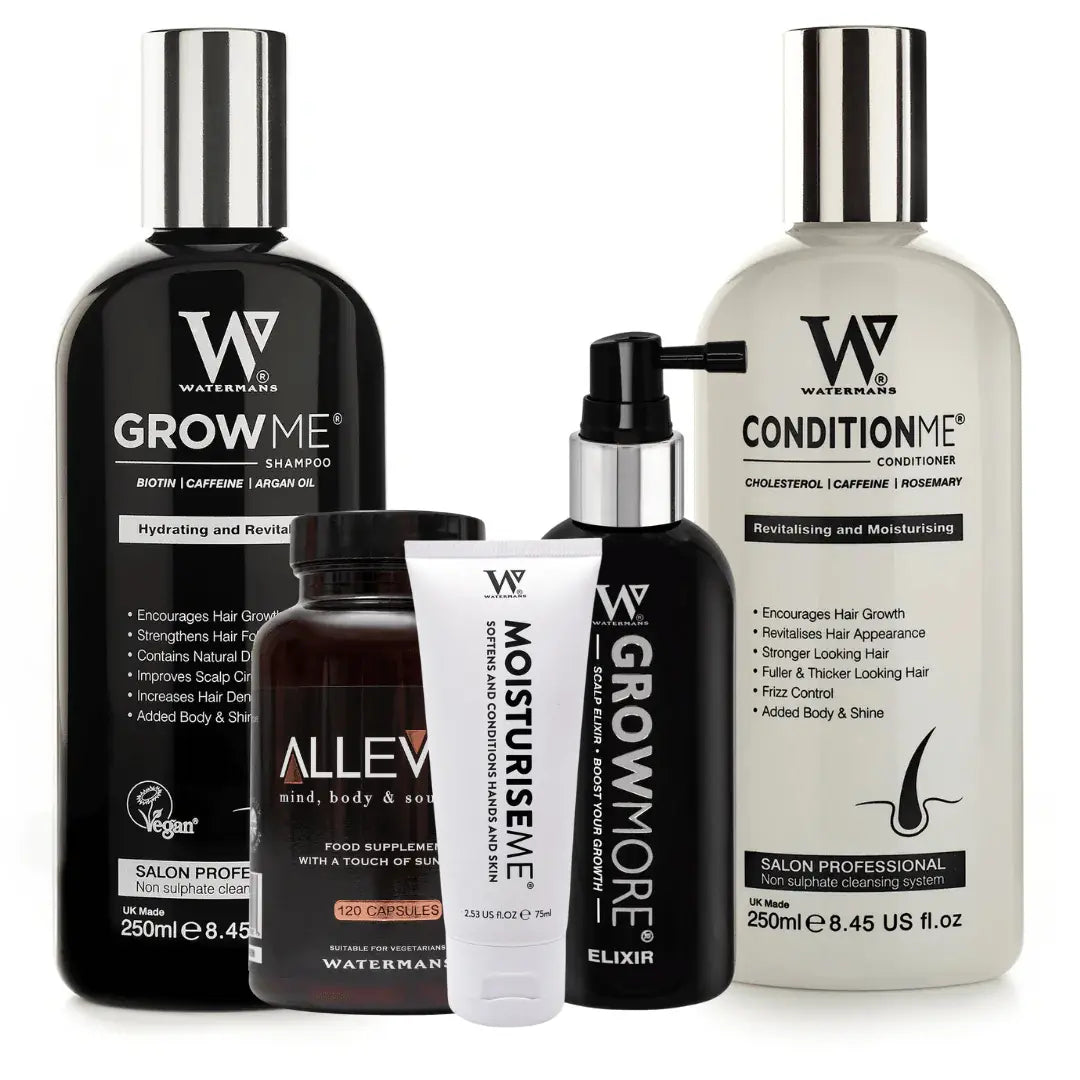
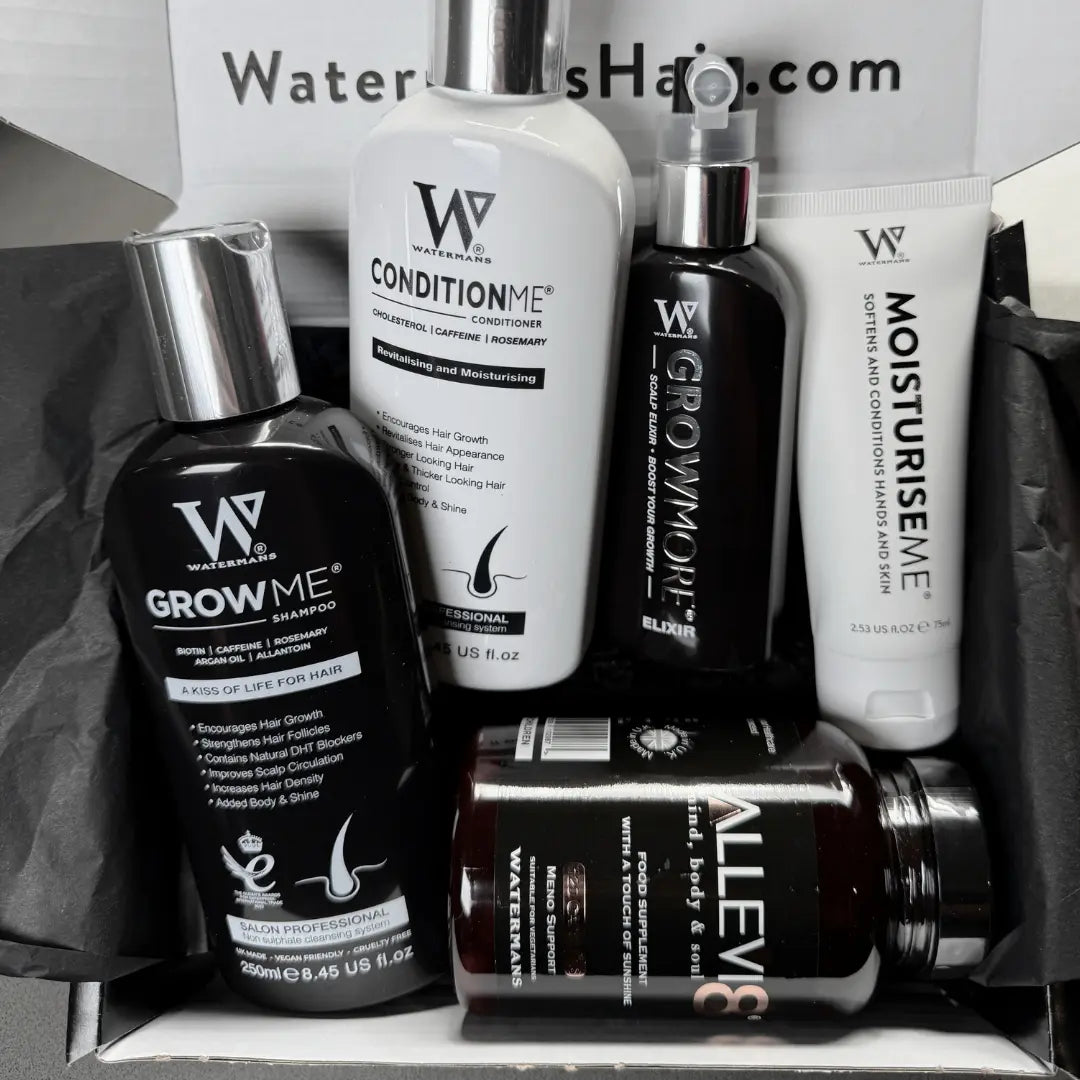
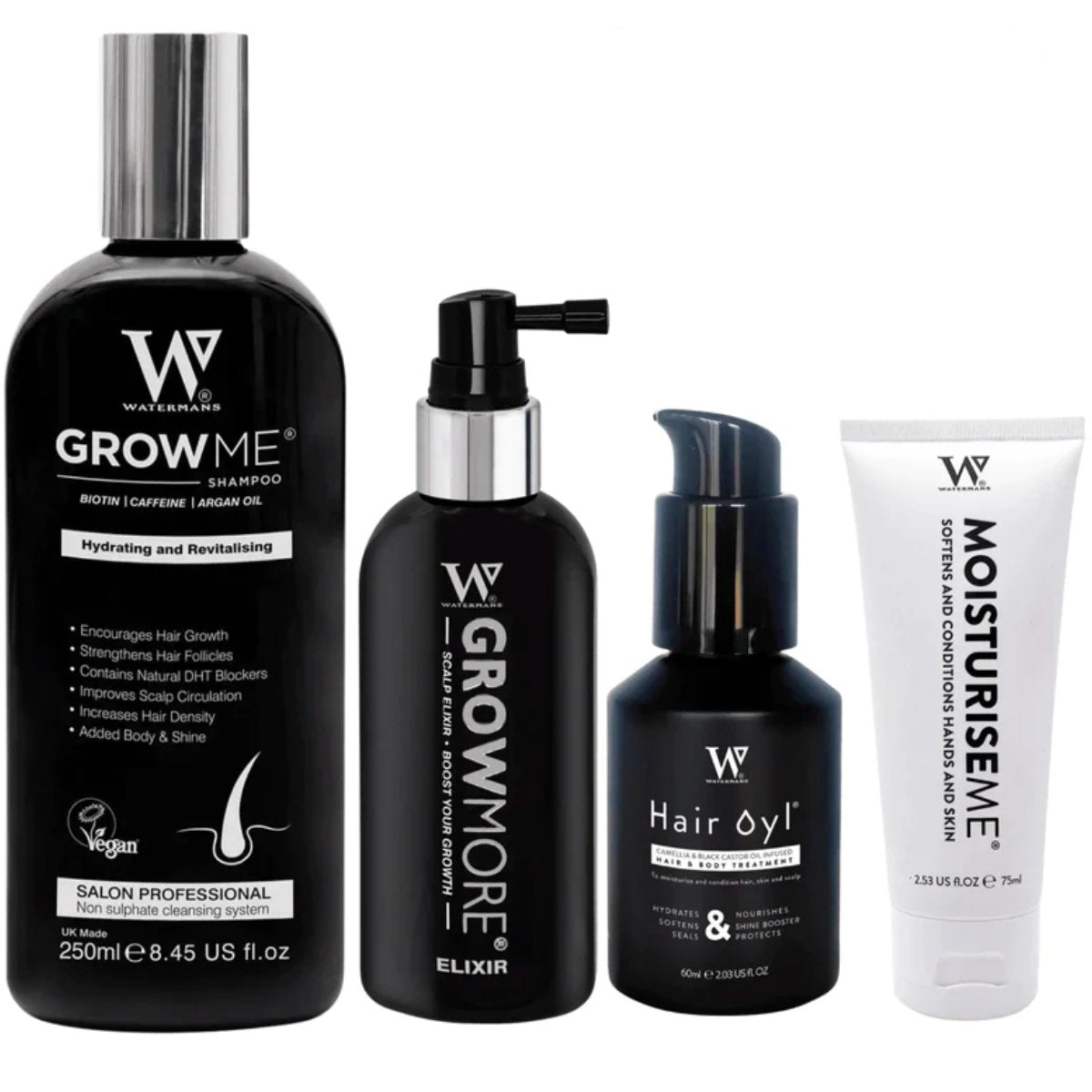
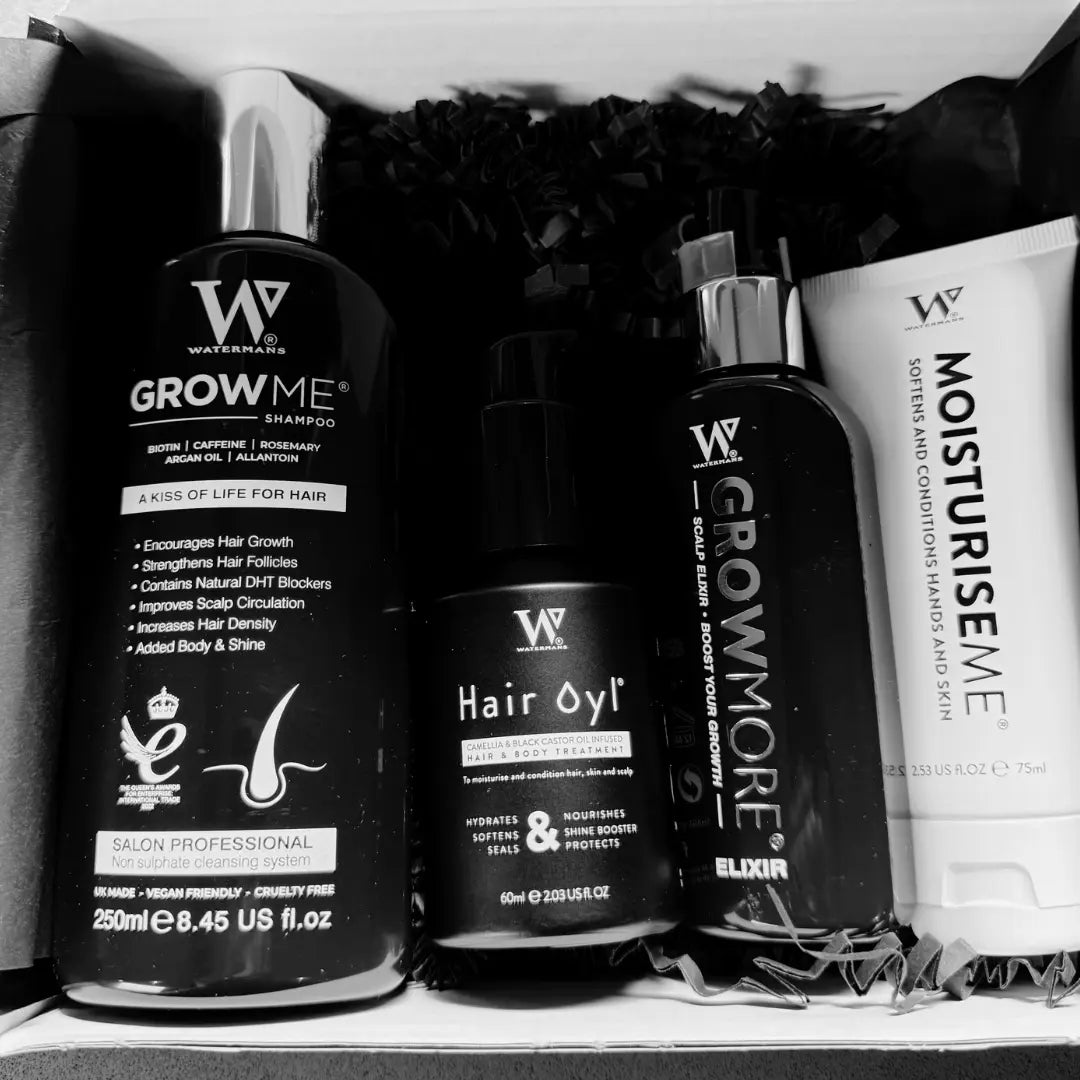
- A hair care system like the Watermans Hair Survival Kit, which supports the scalp and hair all over.
Early-Stage Hair Loss
For early hair loss, a good doctor might say:
- Wait on surgery.
- Work on reducing shedding and thickening current hair.
- Check back when the hair loss pattern is clearer.
How to Combine FUE with a Structured Haircare System
Think of FUE as one tool in your overall hair plan. A set routine around it can improve your outcome.
Building a Supportive Regimen
-
Cleansing
Use a shampoo that cares for your scalp. A good option is Watermans Grow Me Shampoo. This shampoo has Biotin, Rosemary, Caffeine, Niacinamide, Argan Oil, Allantoin, and Lupin Protein. -
Conditioning and Protection
Protect the mid-lengths and ends with a quality conditioner that helps keep hair strong and shiny. -
A Full System
For a balanced method, consider the Watermans Hair Survival Kit. It supports both new and natural hair. -
Regular Check-Ins
Meet with your clinic to track progress and update your plan when needed.
What to Expect: Timelines and Visible Results After FUE
FUE takes time. Knowing the typical steps can help you feel calm.
0–2 Weeks
- Redness, small scabs, and minor swelling are normal.
- The grafts are delicate. Follow care tips closely.
1–3 Months
- You may see transplanted hairs fall out.
- The scalp looks similar to before while the follicles rest.
3–6 Months
- Early hair regrowth starts.
- New hairs can look thin before they thicken.
6–12 Months
- Hair starts to thicken and grow.
- The texture and density improve over time.
12–18 Months
- The final look shows for most patients.
- Some may see small changes up to 18 months.
During this time, sticking with a steady haircare routine, including Watermans Grow Me Shampoo, helps both transplanted and natural hair stay in the best condition.
Checklist: Maximising Natural FUE Results
Use this checklist to guide your choices:
- Pick a clinic with a strong record of FUE and real before/after photos.
- Insist on a natural hairline design that fits your age.
- Look after your donor area; do not choose clinics that promise too many grafts.
- Start with a good haircare routine such as using Watermans Grow Me Shampoo.
- Improve your nutrition, sleep, and stress habits.
- Follow pre- and post-surgery tips exactly.
- Be patient during the phases of shedding and regrowth.
- Think about a full system like the Watermans Hair Survival Kit for long-term support.
FAQ: Follicular Unit Extraction and Natural Hair Restoration
Is follicular unit extraction permanent?
FUE moves hair from areas that do not thin much into thinning areas. The moved hair usually lasts a long time. Still, surrounding hair can thin, so careful care of your scalp and hair stays needed.
How many follicular unit extraction sessions will I need?
Many people see good results after one session. The total number depends on how much hair you lose, how many donor hairs you have, and your long-term plans. Some people choose a second session to make the look even better if needed.
Can I improve thinning hair without follicular unit extraction?
Yes. Mild to moderate thinning may be helped by a mix of lifestyle changes, a doctor’s advice, and a steady haircare routine. Before choosing surgery, many try non-surgical options. Products such as Watermans Grow Me Shampoo and the Watermans Hair Survival Kit support a healthy scalp and hair and may slow the need for FUE.
Take Control of Your Hair Journey Today
If you are thinking about FUE, you are serious about your hair. The best results come when you work on your hair health along with the surgery.
Begin by improving what you can do today:
- Change your daily routine with a shampoo like Watermans Grow Me Shampoo that wakes up your scalp with Biotin, Rosemary, Caffeine, Niacinamide, Argan Oil, Allantoin, and Lupin Protein.
- Try a full system like the Watermans Hair Survival Kit to care for both natural and future transplanted hair.
- Then, meet with a trusted FUE specialist to create a long-term, realistic plan for your hair loss.
By combining smart follicular unit extraction with a steady, high-quality haircare routine, you set up your hair for a natural and lasting look.



%20changes%20hair%20transplant%20methods.%20It%20uses%20small%20tools%20to%20move%20single%20hair%20groups%20from%20a%20donor%20site%20...)