Follicular neogenesis: Breakthrough Strategies to Restore Thinning Hair
Follicular Neogenesis: New Ways to Restore Thinning Hair
Follicular neogenesis is a new idea in hair science. It creates fresh hair follicles where old ones are damaged, shrunk, or lost. If your hair thins or you see early hair loss, knowing about follicular neogenesis can open up new choices—from clinical studies to strong at‑home methods like Watermans Grow Me Shampoo and the Watermans Hair Survival Kit.
This guide shows what follicular neogenesis is, how it is different from usual hair regrowth, what science shows, and how you can start a plan today while research moves ahead.
What Is Follicular Neogenesis?
Simply put, follicular neogenesis makes new hair follicles where there were none or where old ones died.
Normal hair regrowth works by:
- Waking old, shrunken follicles
- Extending the growing time of hair
- Improving the health and thickness of hairs
Follicular neogenesis goes further. It asks the skin to form new follicles. This means making new mini‑organs that grow hair.
Why This Matters for Thinning Hair
In early hair loss, many follicles still live but are small. Usual methods—such as topical care, laser devices, and scalp‐supporting shampoos like Watermans Grow Me—help these follicles work better.
For advanced loss or scarred skin:
- Some follicles are lost for good
- The scalp feels smooth and may lack pores
- Just “stimulating growth” will not work when a follicle is missing
Follicular neogenesis may let new follicles form in these spots, which could restore hair in areas that do not respond to usual care.
How Hair Follicles Normally Develop
To understand follicular neogenesis, it helps to see how follicles form at first.
Embryonic Hair Follicle Formation
In a baby’s development, skin and hair follicles form in clear steps:
- Epidermal placode formation – Groups of skin cells get signals to thicken and form spots.
- Dermal condensation – Special cells in a deeper skin layer gather under these spots.
- Follicle germ formation – Skin and deeper cells send signals to each other. They form a small group that grows into a follicle.
- Follicle maturation – The new structure grows down to form the hair shaft and its covering layers.
These steps depend on signals such as Wnt/β‑catenin, Sonic Hedgehog (Shh), BMP, FGF, and others (NIH / NCBI).
Why This Is Relevant for Adults
Scientists once thought new follicles could not form after birth. They believed adults carried a fixed number of follicles.
In the past two decades, studies have shown that adults may form new follicles after some skin injuries. This finding is at the heart of today’s follicular neogenesis research.
Follicular Neogenesis vs. Traditional Hair Regrowth
Some use “hair regrowth” for all hair improvement. But there is a clear difference.
Hair Regrowth (From Existing Follicles)
Most methods aim to:
- Wake up resting follicles
- Reverse follicle shrinking
- Improve hair thickness and health
These methods include:
- Medicines like minoxidil or finasteride
- Low‑level laser/LED devices
- Lifestyle changes such as stress care and good nutrition
- Scalp massage and circulation aids
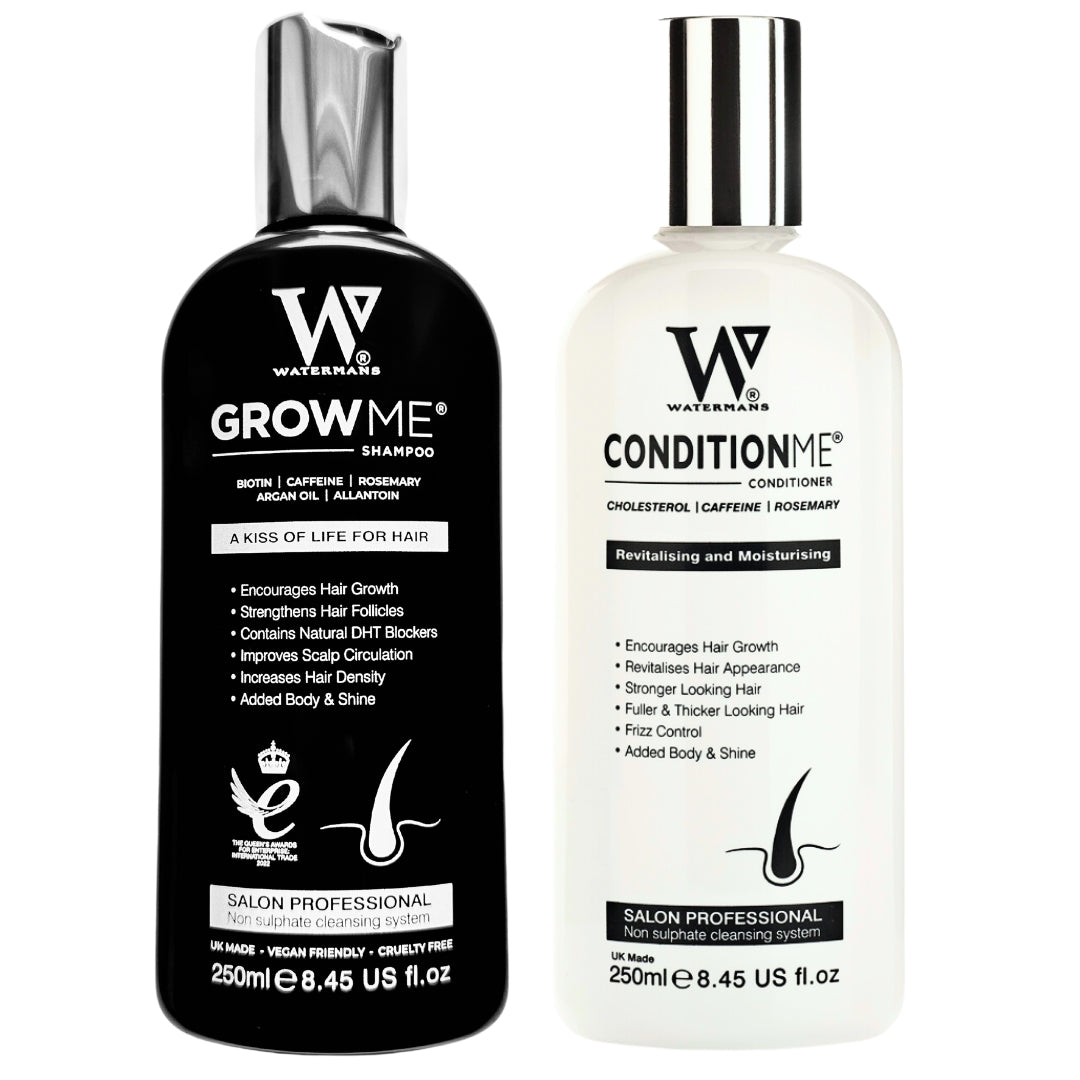
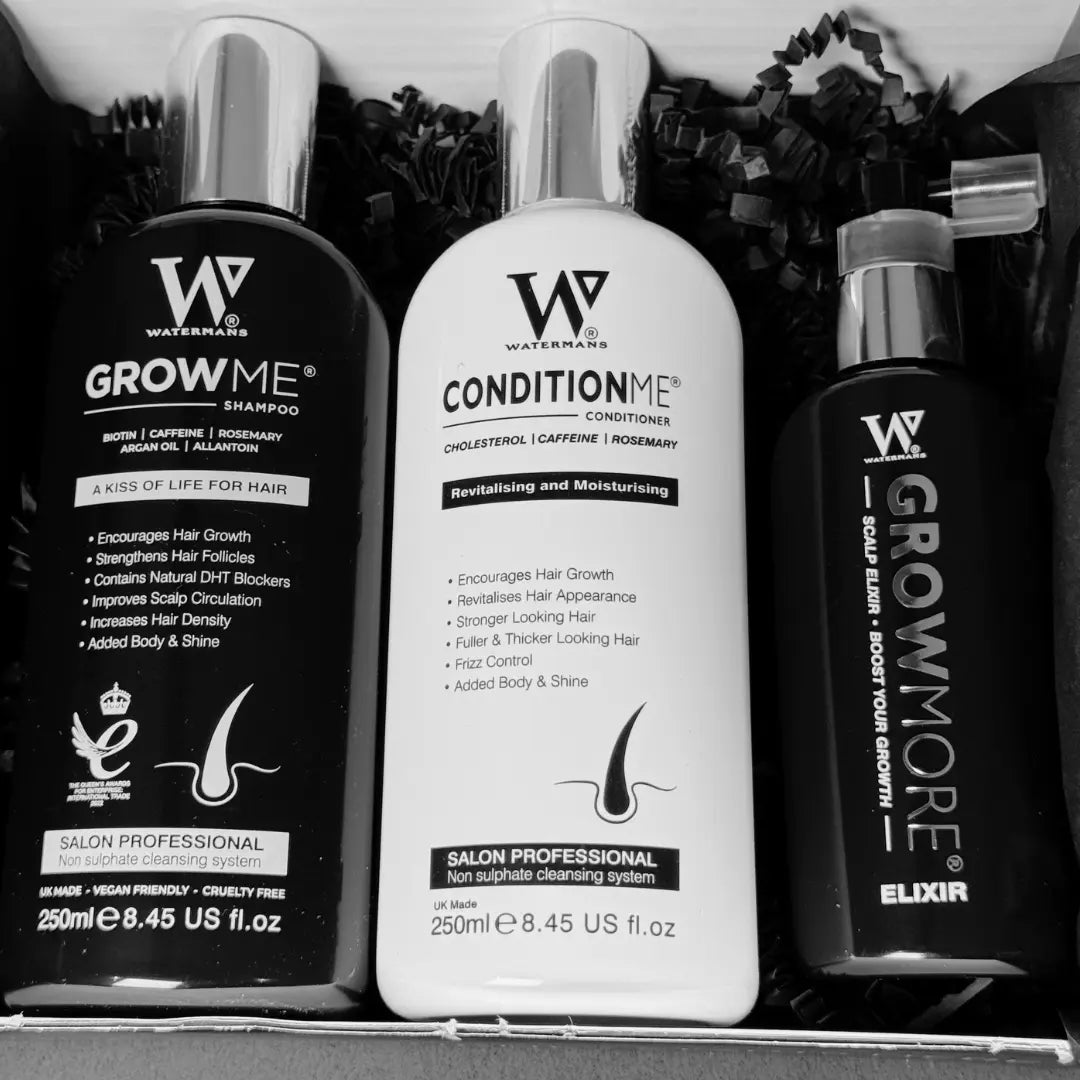
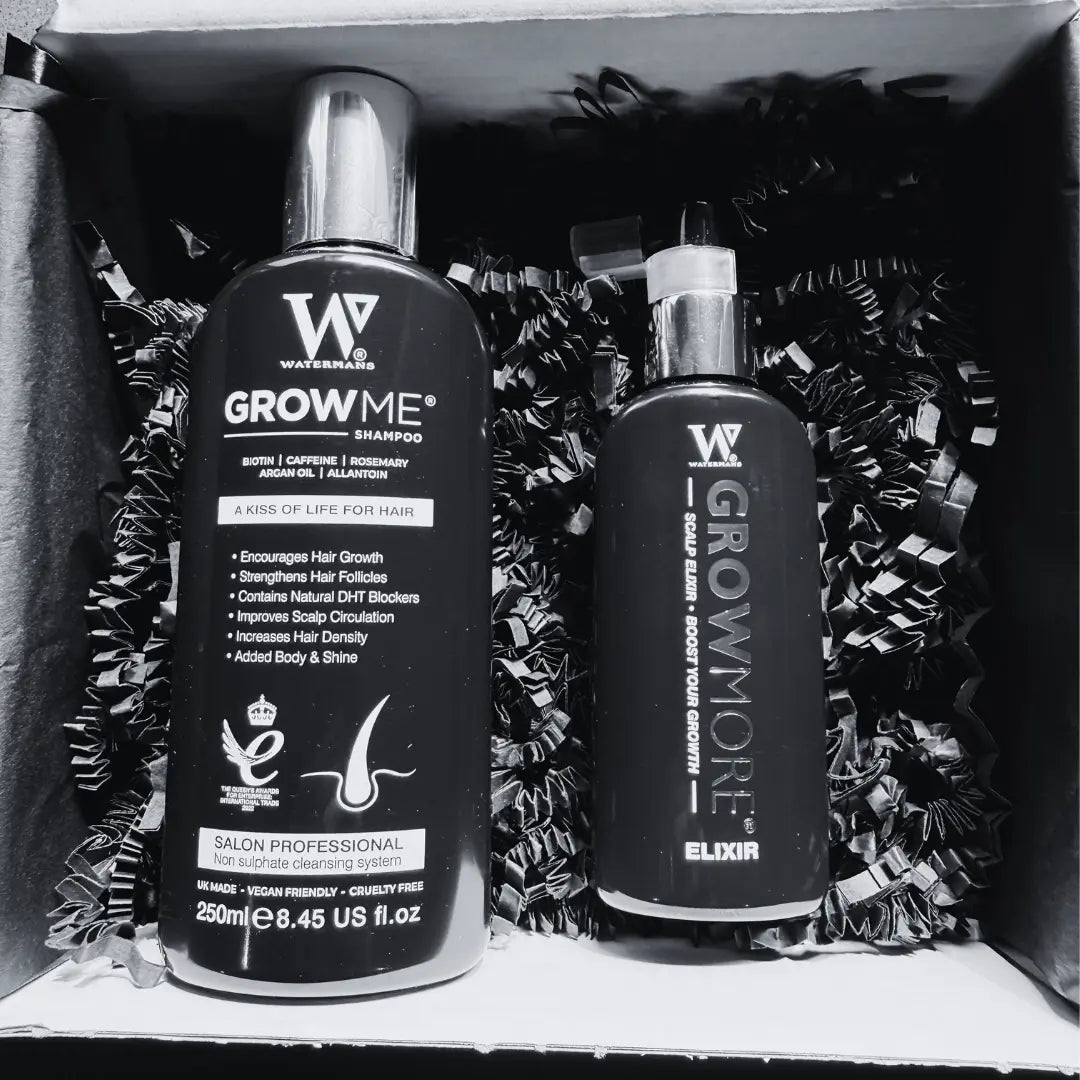
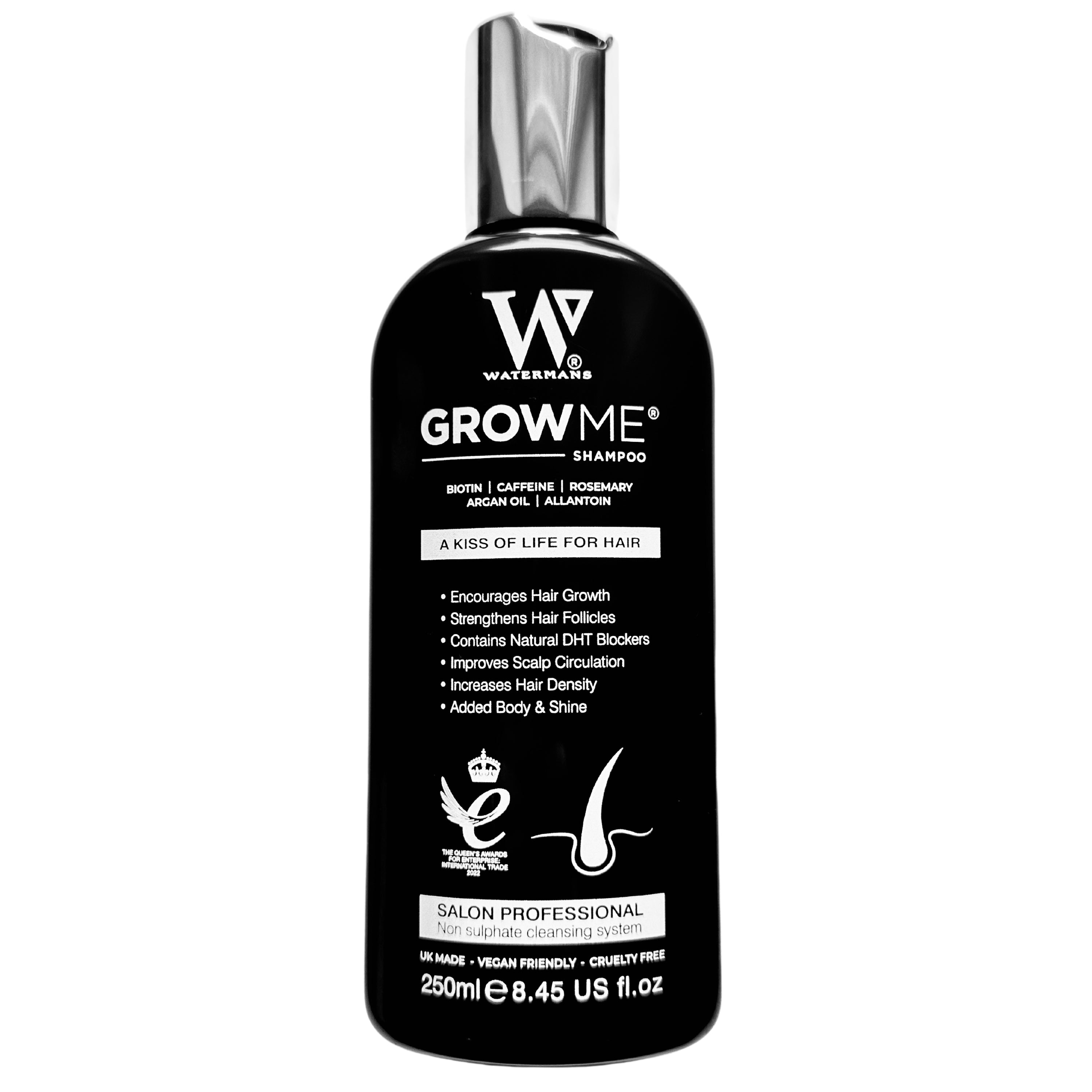
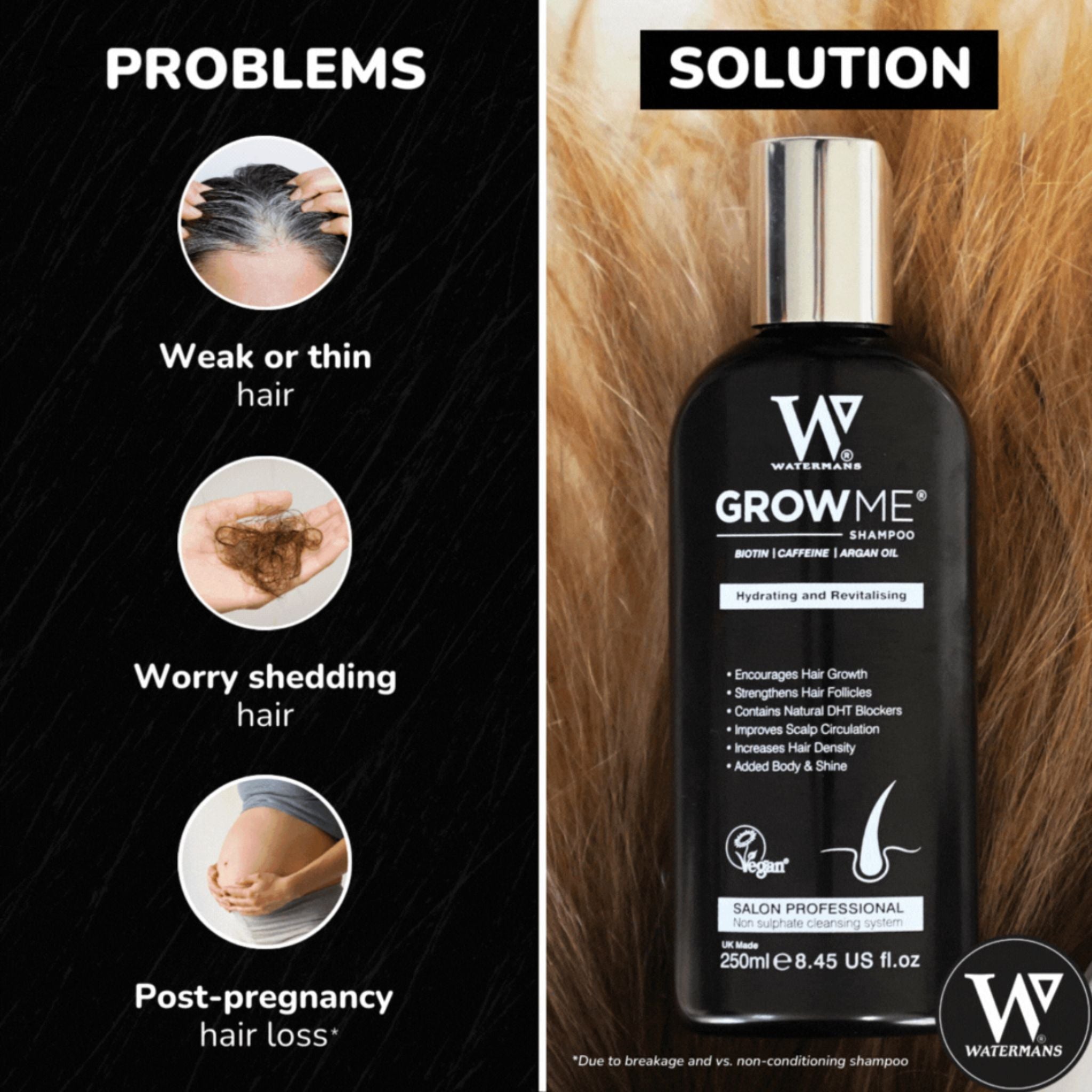
- Shampoos like Watermans Grow Me Shampoo, which uses Biotin, Rosemary, Caffeine, Niacinamide, Argan Oil, Allantoin, and Lupin Protein to boost scalp energy
Here, the follicle is already in place; you help it work better.
Follicular Neogenesis (Creation of New Follicles)
Follicular neogenesis is more bold. It aims to:
- Activate skin stem cells
- Recreate the early environment seen in embryos
- Build new follicle groups where none exist
At this time, full and reliable follicular neogenesis in people is still in study. Animal work and early human studies have set a plan that many new methods follow.
The Science Behind Follicular Neogenesis
Scientists are testing key ideas that may drive follicular neogenesis in adult skin.
1. Wound‑Induced Follicular Neogenesis
A notable finding is that in lab mice, some skin wounds trigger the formation of new follicles during healing. This is sometimes called wound‑induced hair follicle neogenesis (WIHN).
Key points:
- When the skin is cut, signals spread quickly.
- Certain wound sizes and depths turn on stem cells and development signals (for example, Wnt/β‑catenin).
- Under set conditions, healing skin can form new follicles.
Researchers look at whether minor, controlled skin injuries (like microneedling) can start similar actions in people. Human skin, however, acts in its own way.
2. Stem Cells and the Hair Follicle Niche
Hair follicles hold stem cells in a spot called the bulge. These cells:
- Help renew the follicle with each hair cycle
- May, when given the right signals, form new follicle groups
Other stem cell groups in nearby skin may also help.
Regenerative methods now involve:
- Collecting stem or progenitor cells from fat, bone marrow, or follicles
- Preparing and giving them back to the scalp
- Adding growth signals so local cells work in a new growth mode
3. Key Signalling Pathways
Many signals control follicle formation:
- Wnt/β‑catenin – Important for starting follicle development; shows high activity when new follicles form.
- Sonic Hedgehog (Shh) – Needed for shaping follicles and managing their cycles.
- BMP, FGF, TGF‑β families – Fine‑tune how follicles form and grow.
Future methods may count on timing these signals well, applied on the skin, through microneedling, or with cell methods.
Current Experimental Approaches to Follicular Neogenesis
Even though consumer‑ready follicular neogenesis treatments do not yet exist, several study methods are in play.
Cell‑Based Therapies
- Dermal papilla (DP) cell cultures: DP cells guide new follicle growth. Tests try to grow these cells in a lab and place them back in the scalp to start new follicles or revive old ones.
- Adipose‑derived stem cells (ADSCs): Stem cells from fat release growth signals. They may help to start regeneration.
- Follicle organoids: Tiny “hair follicles in a dish” grown from stem cells. They might lead to transplantable follicle groups.
3D Bioprinting and Tissue Engineering
New work in 3D bioprinting aims to:
- Print support structures that mimic a hair follicle’s shape
- Add the right mix of stem cells
- Place them into the scalp where they can join and act like normal follicles
These methods remain in early research stages.

Gene‑Targeted Strategies
Since follicular neogenesis depends on turning on early-life signals, gene‑modulating tools might:
- Start genes that support follicle growth in adult skin
- Lower signals that stop new follicle formation
This field works with new gene tools and CRISPR‑based methods, which are still in study and under strict rules.
What This Means for People With Thinning Hair Today
Given the state of follicular neogenesis science, what should someone with:
- Early thinning
- Pattern hair loss
- Post‑partum shedding
- Stress‑related shedding
- Lower hair density
Do now? While we wait for complete follicular neogenesis treatments, you can work to:
- Boost how well your current follicles work
- Keep your scalp in a healthy state for future treatments
- Slow or lessen more loss
This is like building a strong hair ecosystem by using proven and emerging daily care.
Building a Follicle‑Friendly Routine: Practical Strategies
Below is a clear plan you can use to support your hair and set up the best conditions for any future follicular neogenesis work.
1. Prioritise Scalp Health
Your scalp is the soil for your hair. Healthy skin helps your follicles grow.
Pay attention to:
- Gentle, regular cleansers – They remove extra oil, dirt, and product build‑up that may harm follicles.
- Calming care – Reduce ongoing irritation that can hurt follicles.
- Better blood flow – Ensures that nutrients and oxygen reach your roots.
For example, using a product like Watermans Grow Me Shampoo helps a lot. It supplies:
- Biotin to support hair strength
- Rosemary to boost blood flow
- Caffeine to act against DHT
- Niacinamide for skin support
- Argan Oil for smooth, light nourishment
- Allantoin to calm and condition
- Lupin Protein to add volume at the roots
Regular use can make your scalp more ready for growth.
2. Use Multi‑Step Topical Support
A single product is not enough for serious hair care. A layered plan gives more even help.
You might follow these steps:
- Cleanse the scalp – Use Watermans Grow Me Shampoo. Massage it in for a few minutes so the active parts work.
- Condition the hair – Use a light conditioner on your hair lengths. Avoid getting it on your scalp.
- Apply an extra topical – If a doctor advises it, use a tested serum.
- Deep care – Weekly masks or treatments can ease scalp congestion and add nourishment.
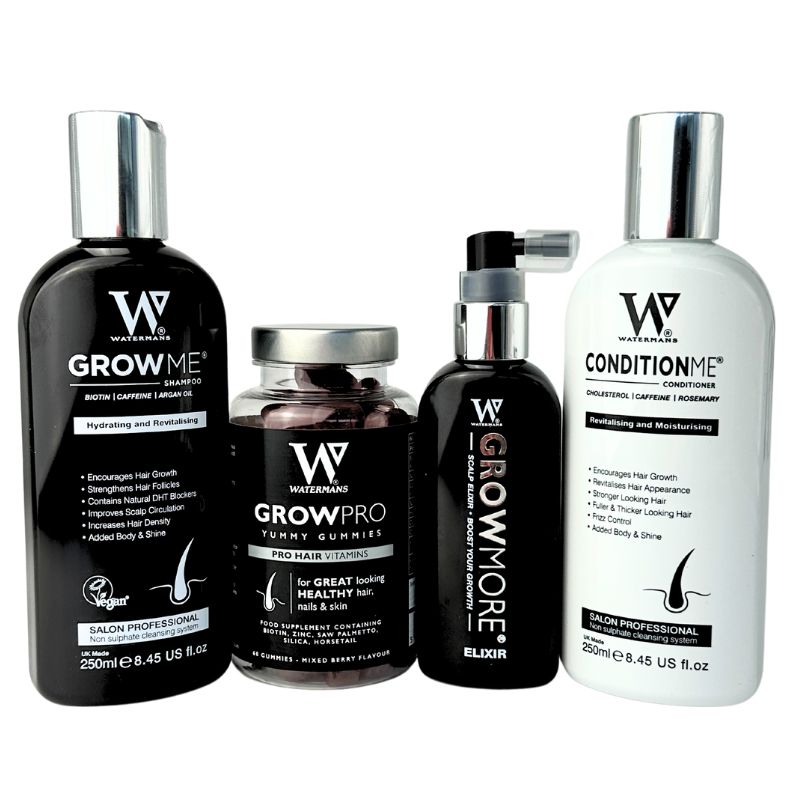
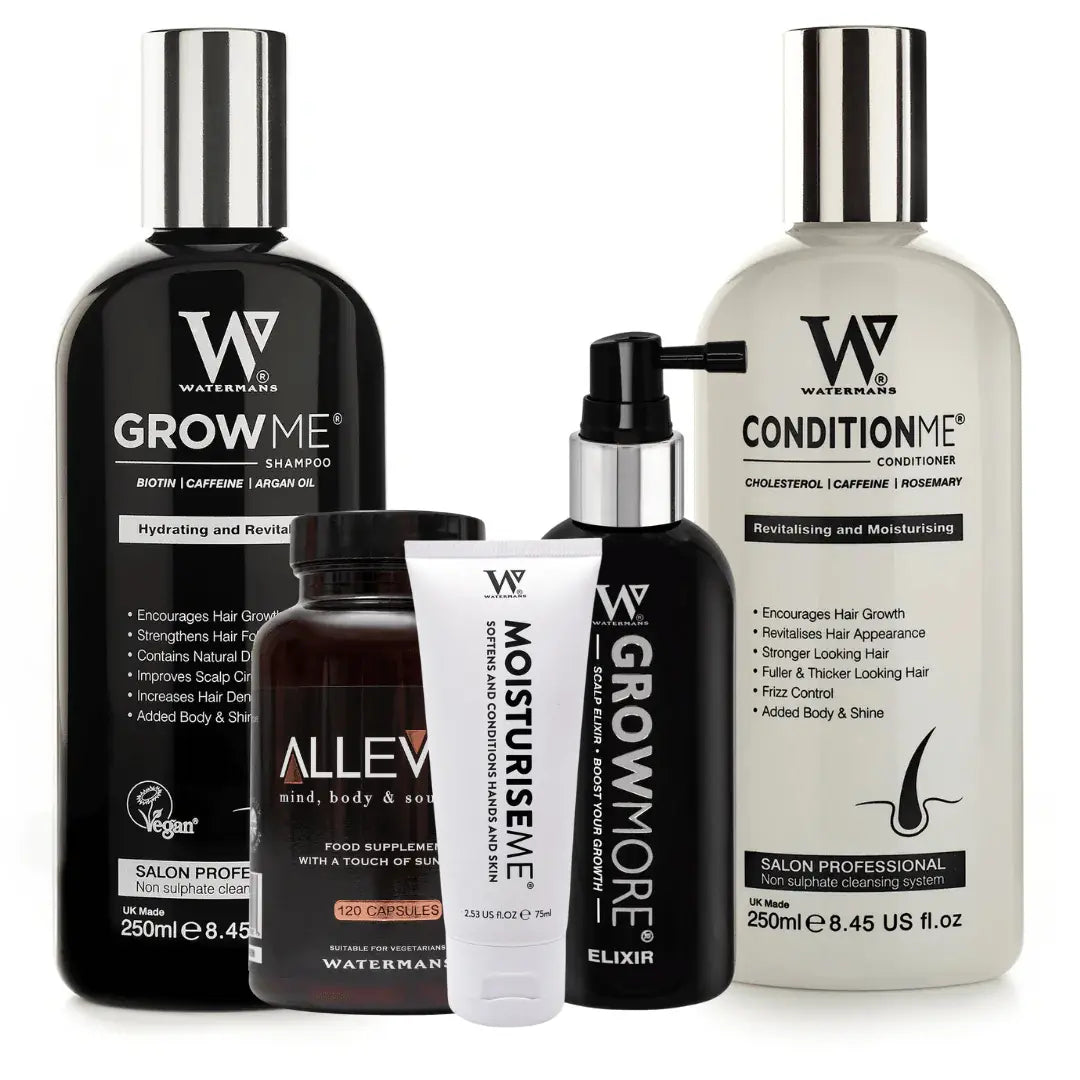
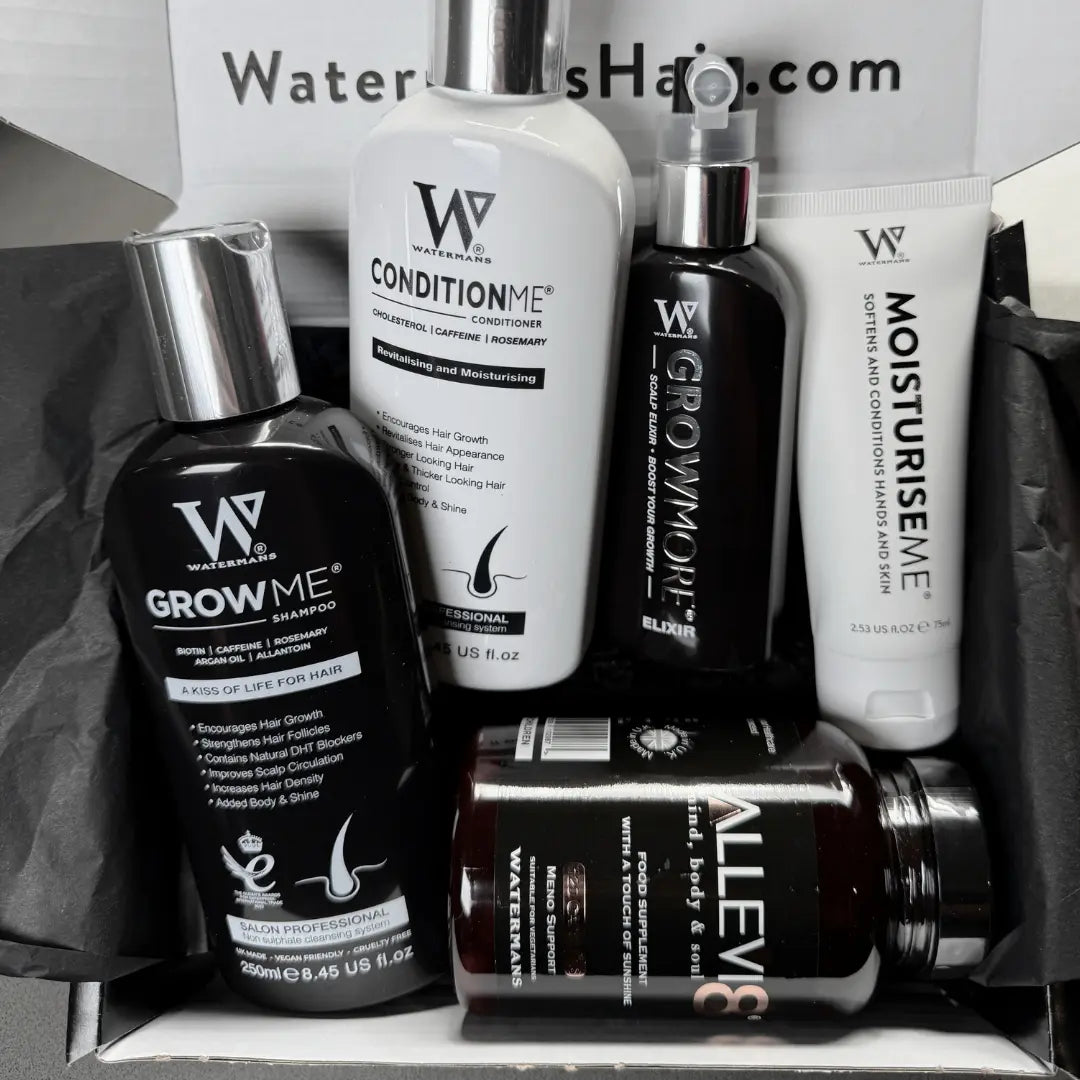
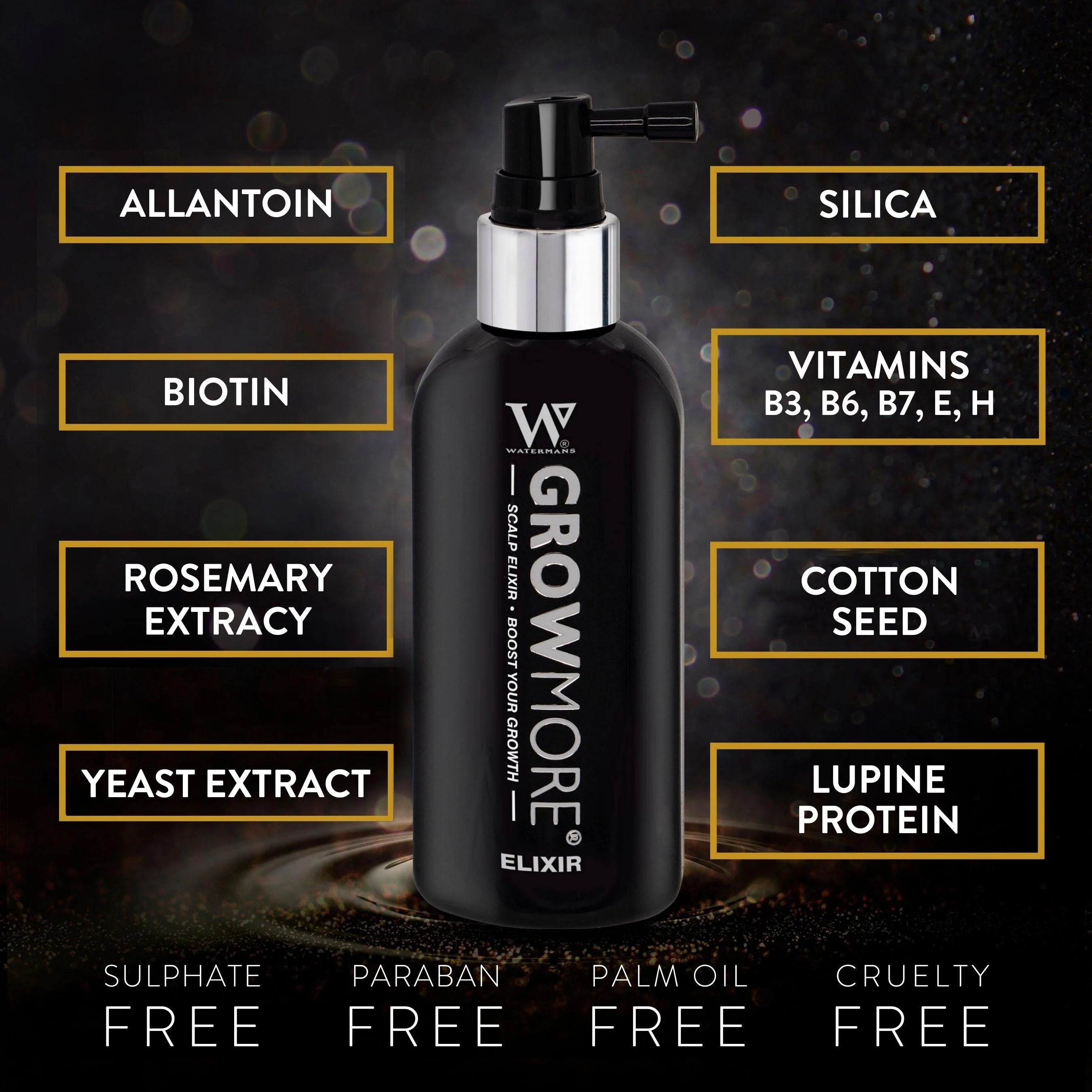
The Watermans Hair Survival Kit is a set built to work on hair in several ways, which makes it simpler to keep a steady routine.
3. Microneedling and Mechanical Stimulation
Microneedling gets attention for hair care. It can:
- Create small skin channels that help topicals absorb better
- Start healing responses that may raise growth signals
Some studies suggest that new forms of microneedling might later join follicular neogenesis plans, since it links to healing.
When using microneedling:
- Follow the recommended needle lengths (short for home devices; longer treatments in clinics).
- Keep everything very clean.
- Use it with care products that do not irritate.
Always ask a skin doctor before starting if you have sensitive or troubled skin.
4. Nutrition for Follicle and Scalp Support
The best external care will not work if your body lacks key nutrients.
Focus on:
- Protein – Hair is made mostly of keratin. Not enough protein can worsen shedding.
- Iron – Low iron is linked with thinning, especially in women.
- Vitamin D, B12, Folate – These nutrients help keep hair cycles smooth.
- Zinc and essential fats – They help keep skin and follicles strong.
A simple blood test can show any gaps. Work with a doctor to fix them; too much of a supplement is not wise.
5. Manage Hormonal and Systemic Factors
Hair loss can have many causes. To save your best follicles and prepare for future treatments, deal with overall factors:
- Androgens (like DHT) – They play a role in pattern hair loss. Some may need medicine for this.
- Thyroid function – Both overactive and underactive thyroids change hair density.
- Stress and cortisol – They may push follicles to shed sooner.
- Life stage changes – Times like after birth or menopause can change hair.
A full view that joins skin, hormone, nutrition, and lifestyle care gives strong support for your follicles.
Natural and Non‑Medical Strategies Supporting Hair Density
While research on follicular neogenesis grows, non‑medical ways are very useful, especially for early care.
Key Natural Strategies
- Targeted plant ingredients – The rosemary and caffeine in Watermans Grow Me Shampoo help keep your scalp active.
- Scalp massage – Spending 5–10 minutes each day with your fingertips can improve blood flow and ease tension.
- Careful styling – Skip tight styles, too much heat, and strong chemical treatments that hurt follicles.
- Easy combing – Detangle gently to prevent hair breakage.
When you mix these changes with a hair care set like the Watermans Hair Survival Kit, you may see thicker, fuller hair over time.
Who Stands to Benefit Most from Future Follicular Neogenesis?
Not all who experience thinning hair may need new follicle growth. Still, some people could see big gains.
1. Advanced Androgenetic Alopecia
In key pattern hair loss:
- Many follicles shrink beyond repair or disappear.
- The scalp may look smooth with fewer pores.
New follicle growth might allow:
- New follicles to form in empty spots
- More even coverage compared to hair transplants or relying on few donor follicles
2. Scarring (Cicatricial) Alopecias
When skin inflammation or injury destroys follicles and leaves scar tissue—such as in:
- Lichen planopilaris
- Frontal fibrosing alopecia
- Injuries from burns or surgery
follicle loss is hard to fix. Follicular neogenesis may one day rebuild these hair units if:
- The scar process is controlled
- The local skin can support new growth
3. Congenital or Developmental Follicle Absence
Some people are born with fewer follicles or abnormal structure. A reliable treatment to create new follicles might let:
- New follicles be added in key areas
- Hair density be adjusted to personal needs
Until such treatments are ready and approved, caring well for the follicles you have—with high‑quality products like Watermans Grow Me Shampoo—remains the best path.
How Watermans Products Fit Into a Follicular Neogenesis Future
While Watermans products are not medical or regenerative treatments in strict terms, they support hair care now and may work with future advances.
1. Creating a Responsive Scalp Environment
If future treatments to create new follicles come to the front, their success will rest on:
- A strong skin barrier
- Good blood flow
- Low inflammation
Regular washing with Watermans Grow Me Shampoo helps you:
- Keep a balanced scalp with the right microbes
- Supply circulation‑helping ingredients like Rosemary and Caffeine
- Offer skin conditioners like Argan Oil and Allantoin that keep your scalp calm and ready
A well‑cared-for scalp is more ready for new treatments.
2. Maximising Visible Results from Any Therapy
Consider two people:
- Person A gets a new treatment but uses harsh shampoos that irritate the skin.
- Person B follows the same treatment and also sticks to a daily care plan with the Watermans Hair Survival Kit.
Even with the same treatment, Person B may see:
- Stronger, shinier hair
- Less breakage
- A fuller look that makes each new or revived follicle count
3. Non‑Medical First Line for Early Concerns
For many who see early thinning:
- Jumping to invasive or experimental options is not needed.
- Daily care with focused topicals and lifestyle care can slow loss.
Starting with a non‑medical system like:
- Watermans Grow Me Shampoo for scalp energy and volume
- Plus the companion products in the Watermans Hair Survival Kit
builds a strong base and may lower the need for stronger interventions later.
Step‑by‑Step Daily Routine for Supporting Thinning Hair
Here is a simple plan that combines daily care and a view for future treatments like follicular neogenesis.
Morning
-
Cleanse (when needed)
- Use Watermans Grow Me Shampoo 3–5 times a week (or as fits your hair).
- Rub it into your scalp for 2–3 minutes so that the Biotin, Rosemary, Caffeine, Niacinamide, Argan Oil, Allantoin, and Lupin Protein can work.
-
Condition the hair
- Use a light conditioner on the middle and ends. Avoid the scalp.
-
Style gently
- Use low heat, avoid very tight styles, and pick soft accessories that do not pull.
Evening
-
Scalp massage
- Spend 5–10 minutes massaging with your fingertips to boost blood flow and ease tension.
-
Topical support (if needed)
- If advised, put on any prescribed serum on clean, dry skin.
Weekly
-
Deep‑care session
- Use a treatment from the Watermans Hair Survival Kit or a scalp mask to reduce congestion and add nourishment.
-
Microneedling (if approved)
- With a doctor’s agreement, a low‑frequency microneedling session may add benefit. Cleanliness and proper technique are key.
Monthly / Quarterly
-
Check‑in
- Take pictures in similar light to track hair density and quality.
- Adjust your care plan with advice from a hair doctor if needed.
-
Lab tests (when advised)
- Test your iron, vitamin D, thyroid, and other markers if earlier tests were off.
Deep‑care session
- Use a treatment from the Watermans Hair Survival Kit or a scalp mask to reduce congestion and add nourishment.
Microneedling (if approved)
- With a doctor’s agreement, a low‑frequency microneedling session may add benefit. Cleanliness and proper technique are key.
Check‑in
- Take pictures in similar light to track hair density and quality.
- Adjust your care plan with advice from a hair doctor if needed.
Lab tests (when advised)
- Test your iron, vitamin D, thyroid, and other markers if earlier tests were off.
This steady approach helps keep your follicles strong and may prepare you for future treatments that create new follicles.
Frequently Asked Questions About Follicular Neogenesis
1. Is follicular neogenesis now a standard hair loss treatment?
No. Making entirely new follicles remains under study. Some clinics may offer regenerative or stem‑cell ideas based on this work, but stable, widespread treatments are not yet common. Until then, keeping your current follicles healthy with products like Watermans Grow Me Shampoo is the best choice.
2. Can natural methods start follicular neogenesis on their own?
Current studies show that the body needs very specific signals to make new follicles. Natural tricks alone cannot start this process every time. Still, natural methods—like the right shampoo, scalp massage, and good nutrition—help keep your follicles healthy and may support future treatments.
3. What is the difference between regrowing hair and creating new follicles?
Waking inactive follicles means you help them grow thicker, longer hairs again. Follicular neogenesis means forming entirely new follicle groups where there were none. Most treatments today, including non‑medical ones like the Watermans Hair Survival Kit, work to improve the hair you already have.
Take Action: Support Your Hair Now While Science Advances
Follicular neogenesis points to a new chapter in hair research—it may someday let the skin grow new follicles in areas where hair is lost. While researchers work to perfect these steps, you can act now by:
- Building a stronger, more active scalp
- Keeping your follicles working well
- Following a steady routine that mixes lifestyle care with focused topicals
One good start is to add Watermans Grow Me Shampoo into your routine. Its mix of Biotin, Rosemary, Caffeine, Niacinamide, Argan Oil, Allantoin, and Lupin Protein is known for boosting scalp energy and giving volume at the roots. This makes it a fine non‑medical start for anyone worried about thinning hair.
If you want a plan that cares for your hair from many angles, consider the Watermans Hair Survival Kit. By acting now, you help your hair look better and may also be ready to use future treatments that grow new follicles when they come.