

Ozempic Hair Loss: Recovery Solutions & Timeline
Understanding Ozempic-Related Hair Loss
Ozempic (semaglutide) has revolutionized diabetes and weight management, but many users experience an unexpected side effect: significant hair loss. Studies indicate that approximately 1 in 20 Ozempic users report noticeable hair shedding, affecting their confidence and well-being. The condition, known as telogen effluvium, is a direct result of rapid weight loss and metabolic stress on the body.
The good news? This hair loss is typically temporary and reversible with proper care and support. Understanding the timeline and effective treatment strategies can help you regain confidence during your medication journey.
The Timeline: When Does Hair Loss Start & End?
Hair loss from Ozempic follows a predictable timeline that helps you understand what to expect:
Weeks 1-4: You may notice increased hair shedding in the shower or when brushing.
Months 2-4: Hair loss typically peaks during this period as follicles enter the telogen (resting) phase.
Months 4-6: Shedding begins to slow as your body adjusts to weight loss.
Months 6+: With proper hair care support, you should see visible regrowth and reduced shedding.
Why Ozempic Causes Hair Loss

The mechanism behind Ozempic-related hair loss is well understood by dermatologists and researchers. When you lose weight rapidly, your body prioritizes survival over non-essential functions like hair growth. This triggers telogen effluvium, a stress-induced shedding that affects a large percentage of hair follicles simultaneously.
Key contributing factors include:
Rapid Weight Loss: Ozempic can cause 10-15% body weight reduction, which is significant physiological stress.
Caloric Deficit: Reduced appetite from GLP-1 medications means fewer nutrients for hair follicles.
Protein & Micronutrient Deficiency: Hair requires amino acids, biotin, iron, and zinc. These nutrients are often depleted during rapid weight loss.
Solutions: How to Support Hair During Ozempic Use
While you should consult your healthcare provider, there are proven non-medical strategies to support your hair:
1. Use a Targeted Hair Support Shampoo
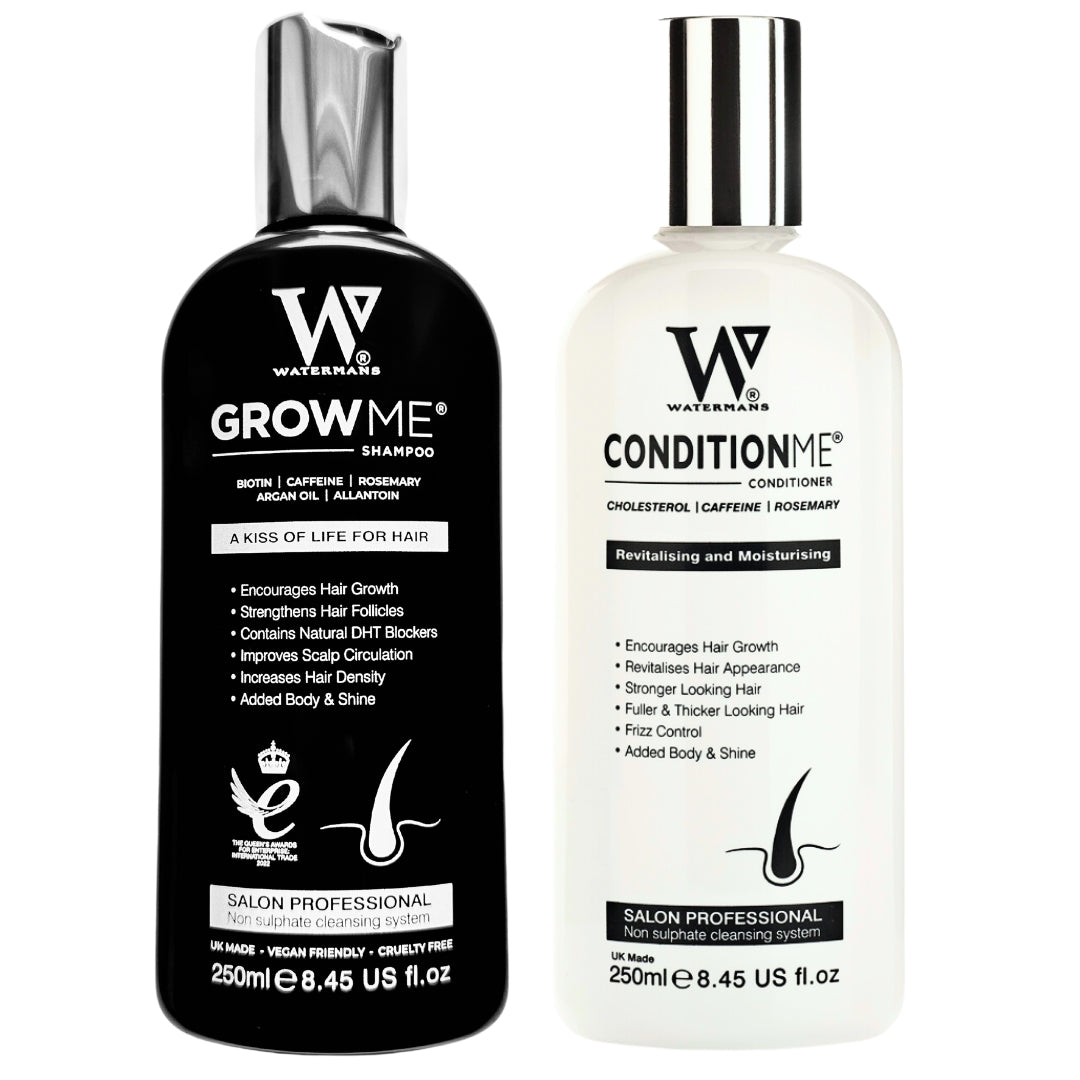
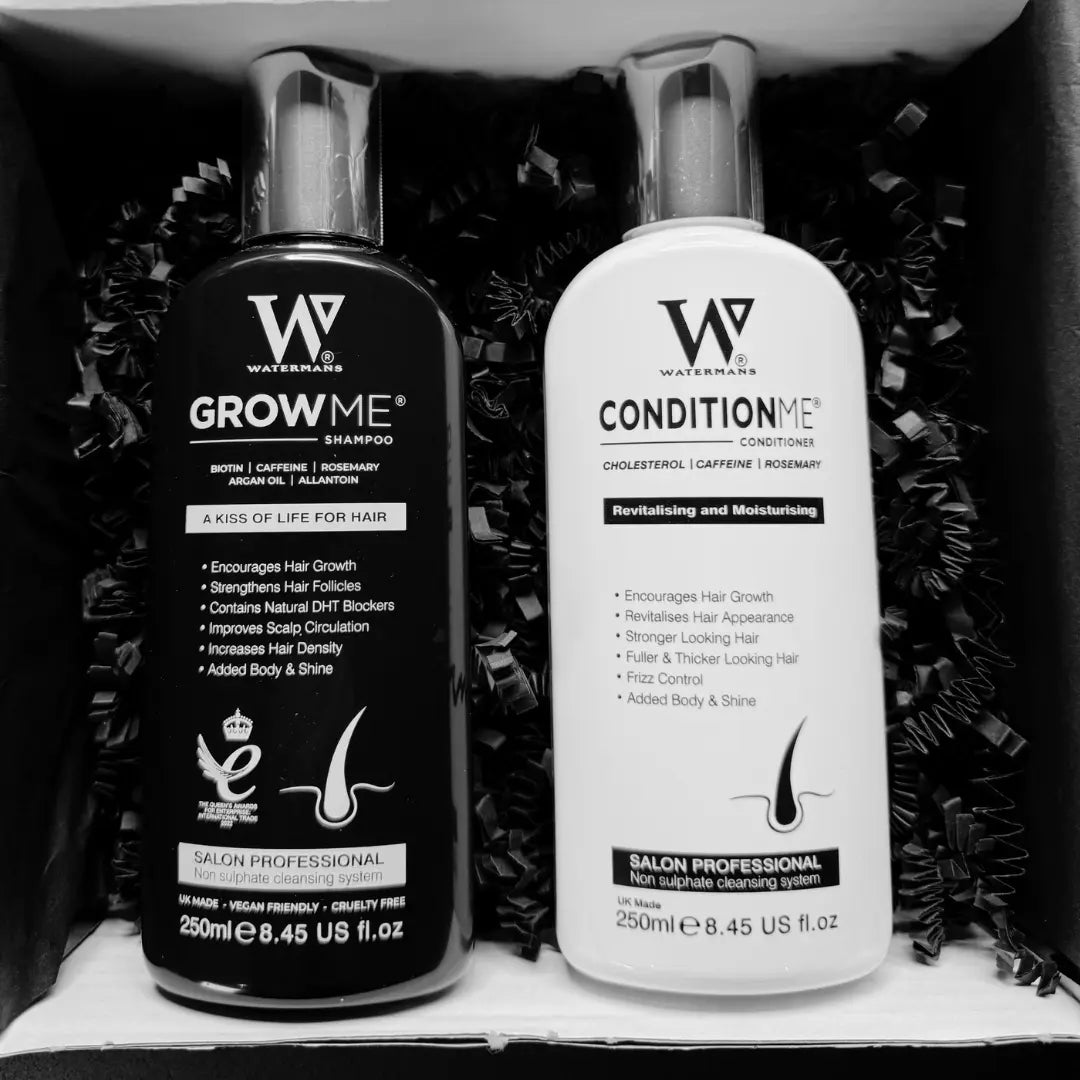
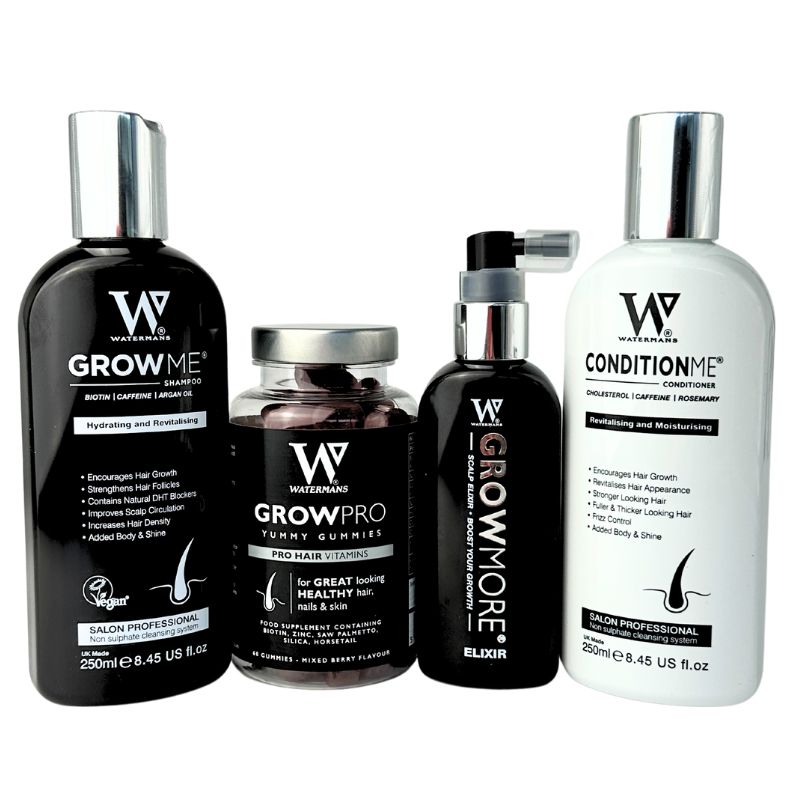
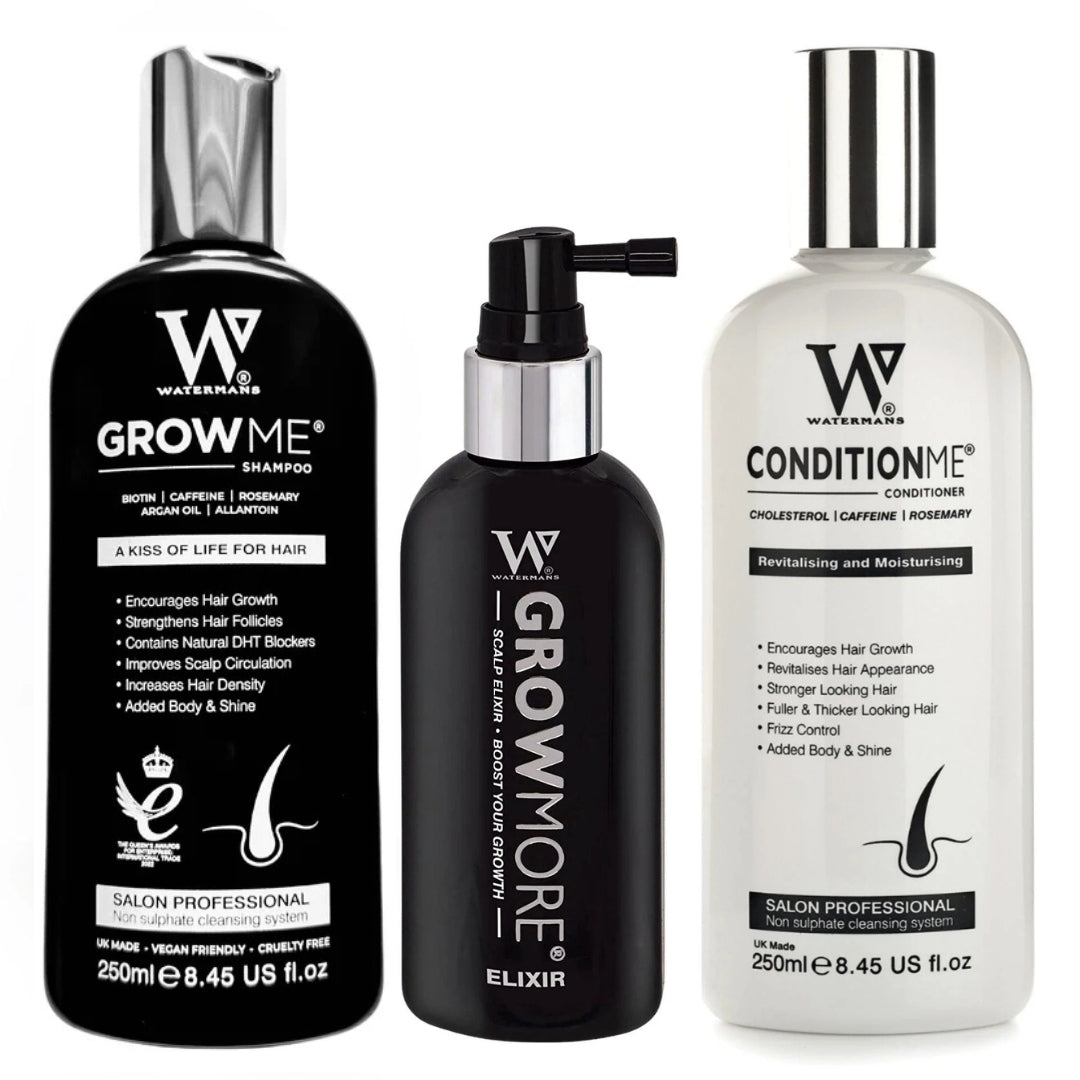
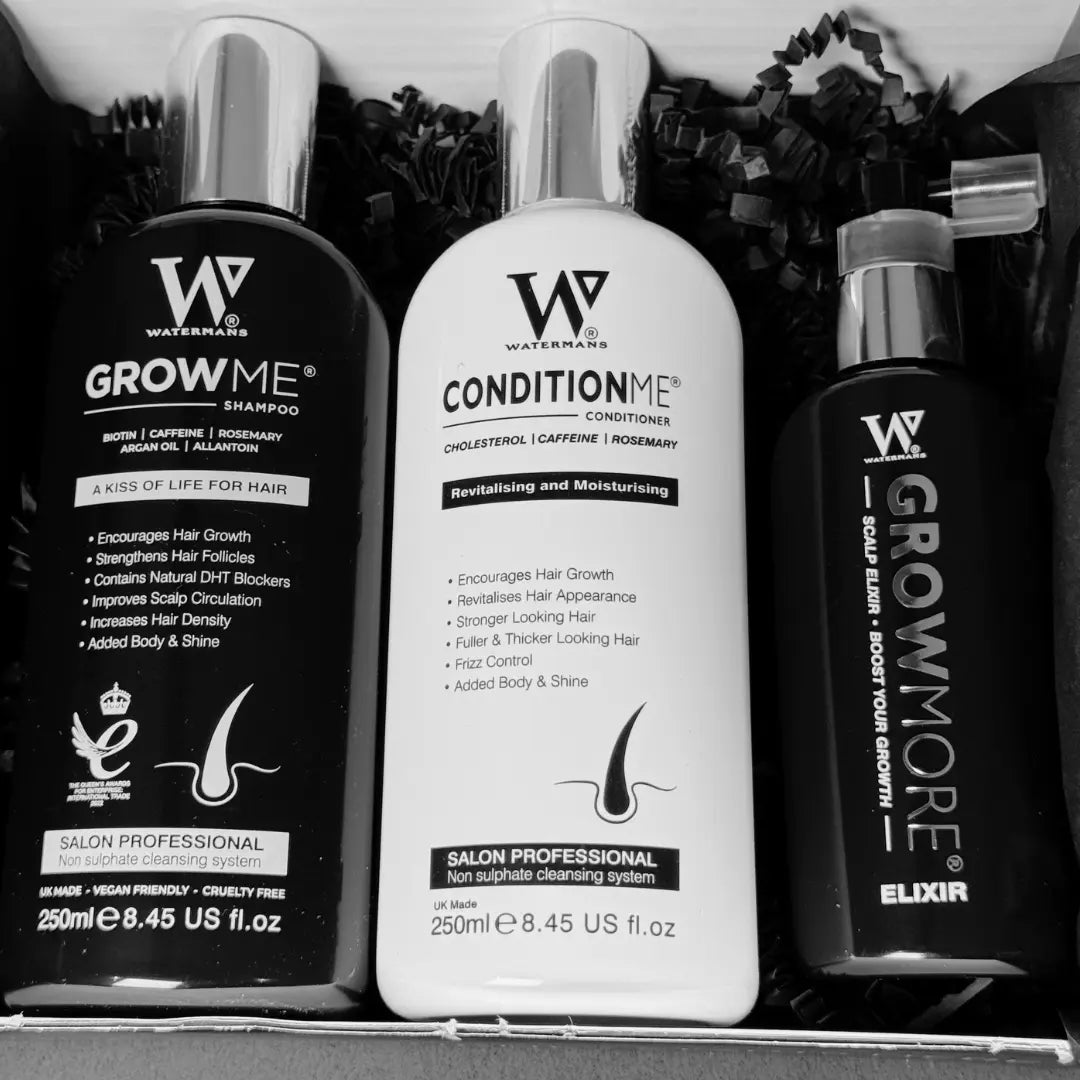
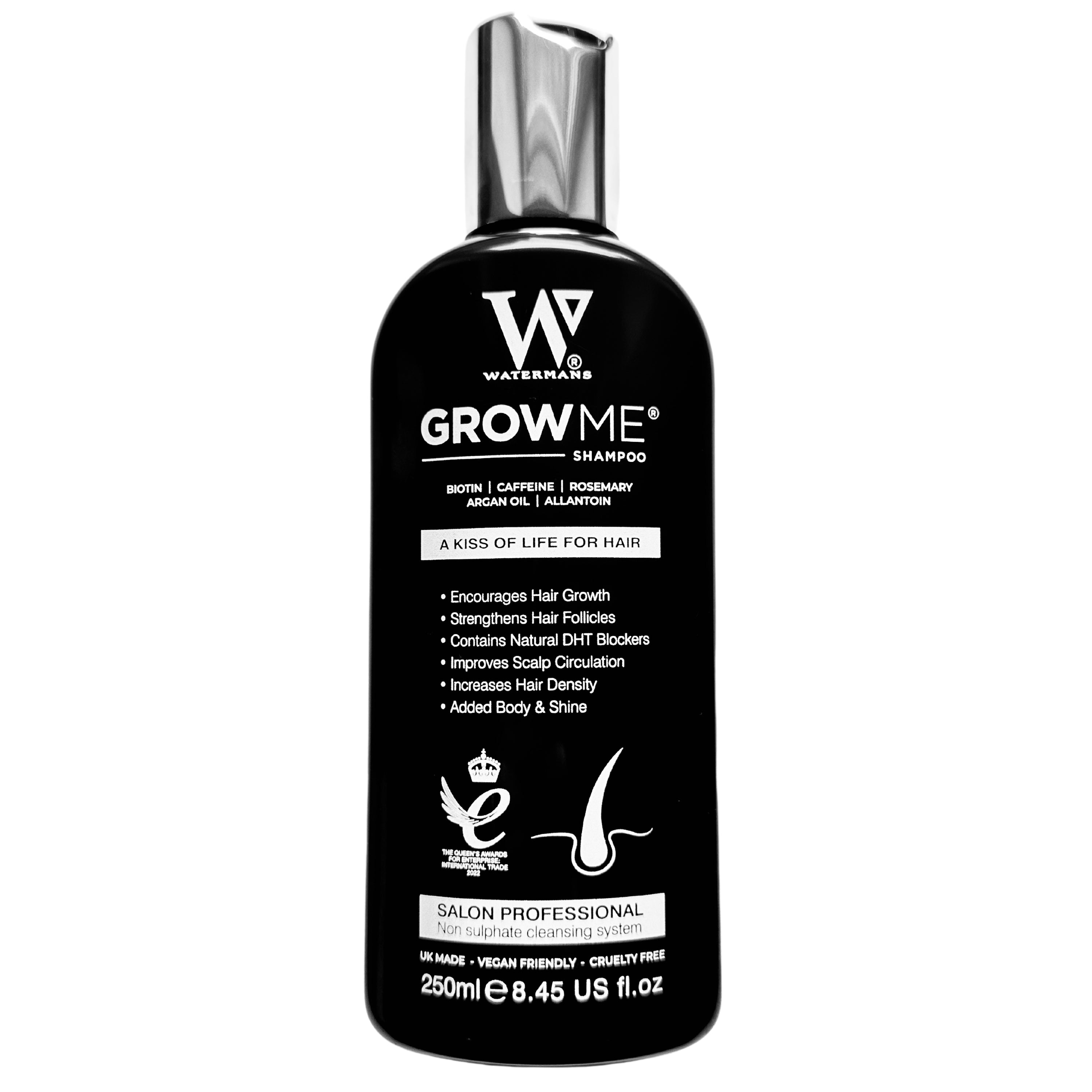
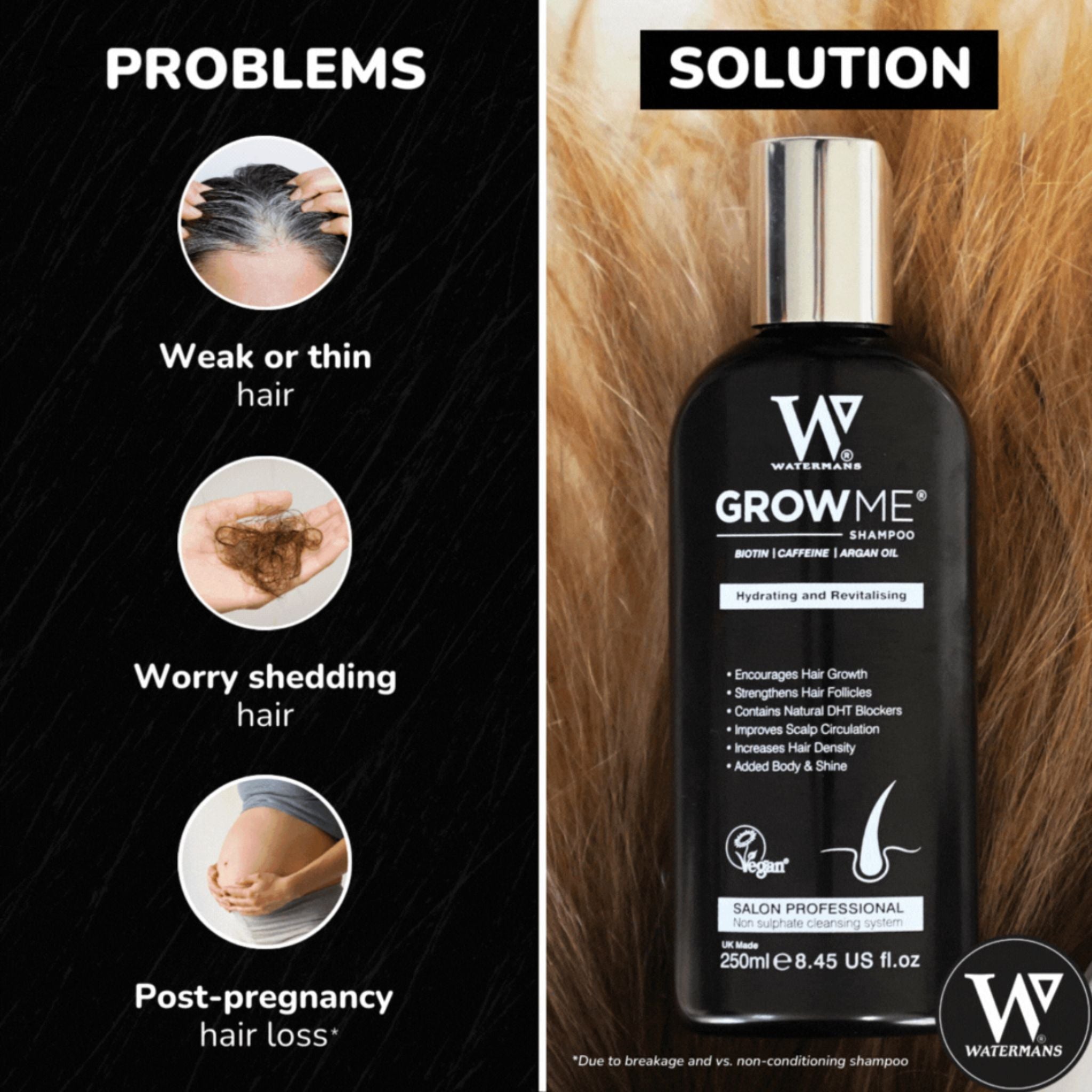
Watermans Grow Me® Shampoo is formulated for people experiencing telogen effluvium and shedding triggered by stress or rapid weight loss. Powered by ANAGELINE®, caffeine, and biotin, it supports stronger-looking hair and helps reduce breakage-related hair fall.
2. Nourish Your Scalp
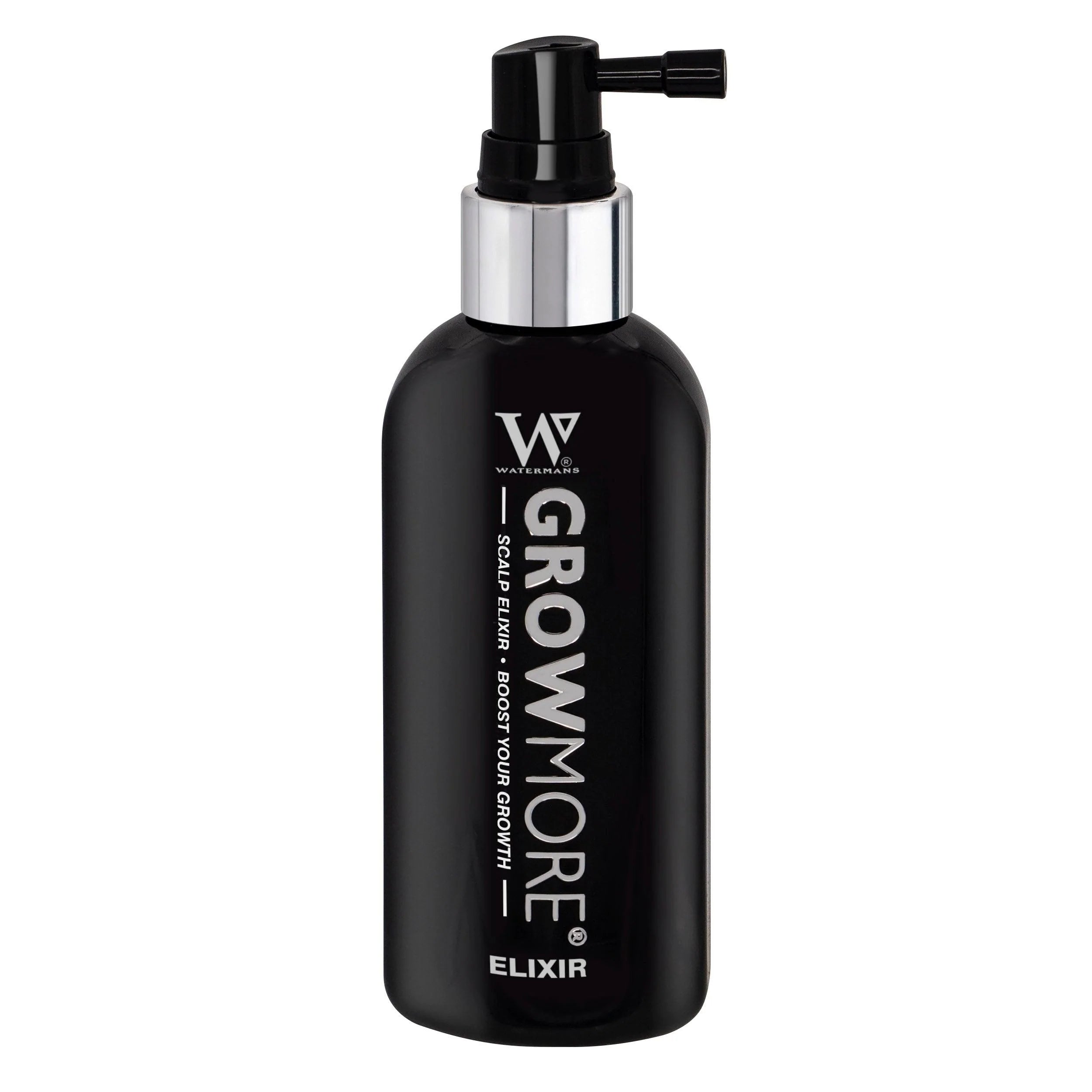
Watermans Grow More Elixir® is a luxury leave-in serum designed to support scalp health and improve the environment for healthier-looking hair. Apply nightly directly to the scalp for best results. No need to rinse.
3. Support Nutritional Intake
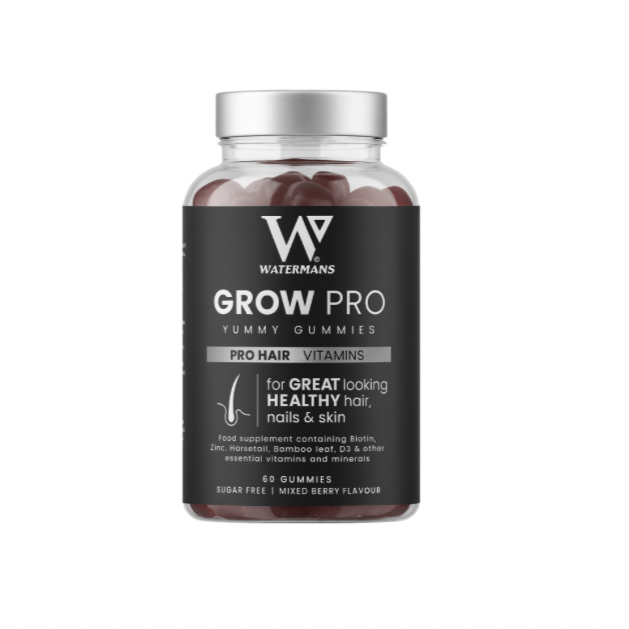
GrowPro Yummy Gummies® provide essential hair-support nutrients including biotin and folic acid, helping to fill nutritional gaps that may occur during reduced calorie intake.
4. Strengthen Weakened Hair
Use Watermans Grow Me® Conditioner to help reduce breakage and improve resilience in fragile strands.
Frequently Asked Questions
Q: Is Ozempic hair loss permanent?
A: No. In most cases, telogen effluvium resolves within 3-6 months once weight loss stabilizes. With proper hair care support, visible improvement typically follows.
Q: How much hair will I lose?
A: This varies individually, but most users experience moderate shedding rather than complete baldness. Hair usually thins gradually during the shedding phase.
Q: Can I prevent Ozempic hair loss?
A: While not entirely preventable, you can reduce severity by maintaining adequate protein intake, supporting scalp health early, and ensuring proper nutrient intake.
Q: Should I stop taking Ozempic?
A: Always consult your doctor before stopping any medication. Hair shedding related to rapid weight loss is usually temporary. Your healthcare provider can help you balance both concerns.









%20has%20revolutionized%20diabetes%20and%20weight%20management,%20but%20many%20users%20experience%20an%20unexpected%20side%20effect:%20significant%20hair%20loss.%20Studies%20...)