Anagen induction: Clinically Proven Techniques for Faster Hair Regrowth
Anagen Induction: Clinically Proven Techniques for Faster Hair Regrowth
You search for ways to wake up slow hair follicles. You see the term anagen induction. This term means switching hair follicles into a busy growing mode. In this guide, you learn how anagen works, what methods are proven in clinics, and how smart home care (such as advanced shampoos like Watermans Grow Me Shampoo) helps make hair regrow fast and thick.
What Is Anagen Induction?
Your scalp hair goes through cycles. Each hair stays in these phases:
- Anagen – active growing phase (lasts 2–7+ years)
- Catagen – short change phase (2–3 weeks)
- Telogen – resting and shedding phase (about 3 months)
Anagen induction makes hair follicles:
- Leave the resting phase (telogen)
- Enter the active growing phase (anagen)
- Remain longer in anagen so hair grows long, thick, and strong
When genes, hormones, stress, sickness, or scalp issues disrupt this process, follicles can get stuck in telogen. This causes thinner hair and loss. Modern hair science works to bring follicles back to an active state with topical treatments, medical therapies, and healthy living.
Why Anagen Induction Matters for Faster Hair Regrowth
Anagen induction gives three main gains:
1. Faster Visible Regrowth
When more follicles start to grow at once, hair density can show change in a few months. Clinical methods count hairs in active growth to check results.
2. Thicker, Fuller Strands
A long anagen phase lets the follicle:
- Build a thicker hair shaft
- Improve color strength
- Hold the hair well on your head
Thus, hair regrows in a fuller and denser look.
3. Reduced Shedding Over Time
Good anagen induction resets the hair cycle:
- Fewer hairs stay in telogen
- More hairs grow actively
- Less hair falls out each day, so the scalp shows less bald spots
This idea helps with pattern hair loss and stress-induced shedding.
How Anagen Induction Works at the Follicle Level
Inside each follicle, small parts work together:
Key Players in Follicle Activation
-
Dermal Papilla Cells (DPCs)
These cells sit at the base. They send signals that tell the follicle to grow, rest, or shed. -
Stem Cells in the Bulge Region
These cells can change into new hair matrix cells. They form the hair shaft. -
Signaling Pathways
Many paths control anagen induction, such as the Wnt/β-catenin path and the Sonic hedgehog path. Some paths use BMP and FGF signals. Many methods work by pushing these paths, improving blood flow, or easing inflammation.
Clinically Proven Medical Approaches to Anagen Induction
Medical methods can help move follicles into an active state. You should talk with a pro about these methods. Here, you see how they work:
Topical Pharmacological Treatments
1. Minoxidil (Topical)
Minoxidil is well studied. It is approved in many lands for both men and women.
It helps the hair in these ways:
- Keeps hair in the anagen phase longer
- Increases blood flow to follicles
- Enlarges weak follicles
- May boost DPC function
Many trials show more hair grows after 4–6 months of use.
2. Topical Finasteride (Off-Label)
Finasteride works by cutting down DHT, a hormone that shrinks follicles.
- Oral finasteride is common. Topical forms try to lower scalp DHT while cutting down side effects.
- With less DHT, more follicles join anagen instead of shrinking.
3. Emerging Topicals (Caffeine, Prostaglandin Modulators, etc.)
Scientists test more molecules that move follicles into an active state:
- Caffeine: Lab work shows it can fight testosterone effects and makes hair shafts longer.
- Prostaglandin Modulators: They work on local signals around follicles.
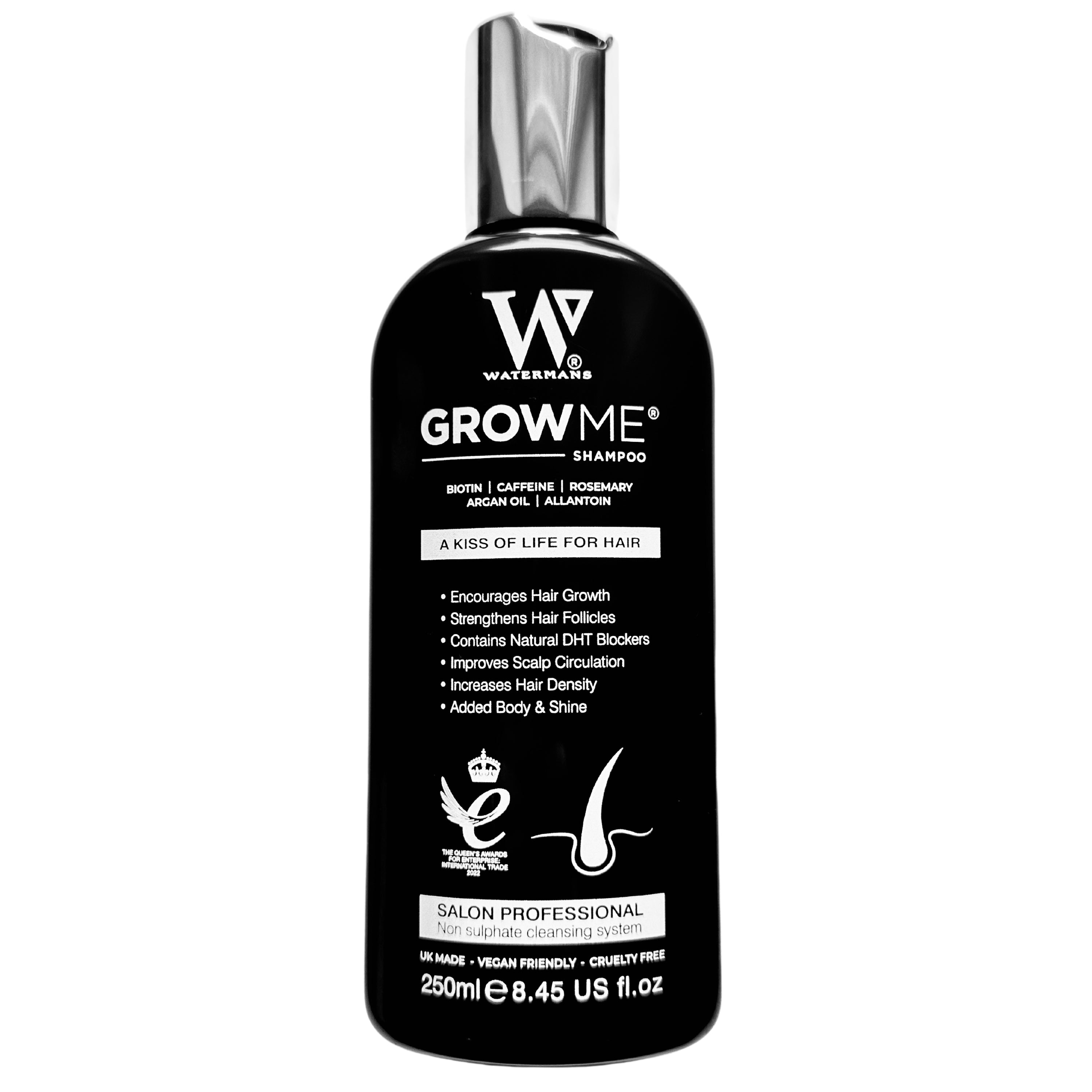
This is where formulas like Watermans Grow Me Shampoo fit in. They mix active acts that make your scalp a better home for active follicles.
Procedural & Clinical Therapies for Anagen Induction
Some clinic steps push hair into the growing phase.
1. Microneedling (Collagen Induction Therapy)
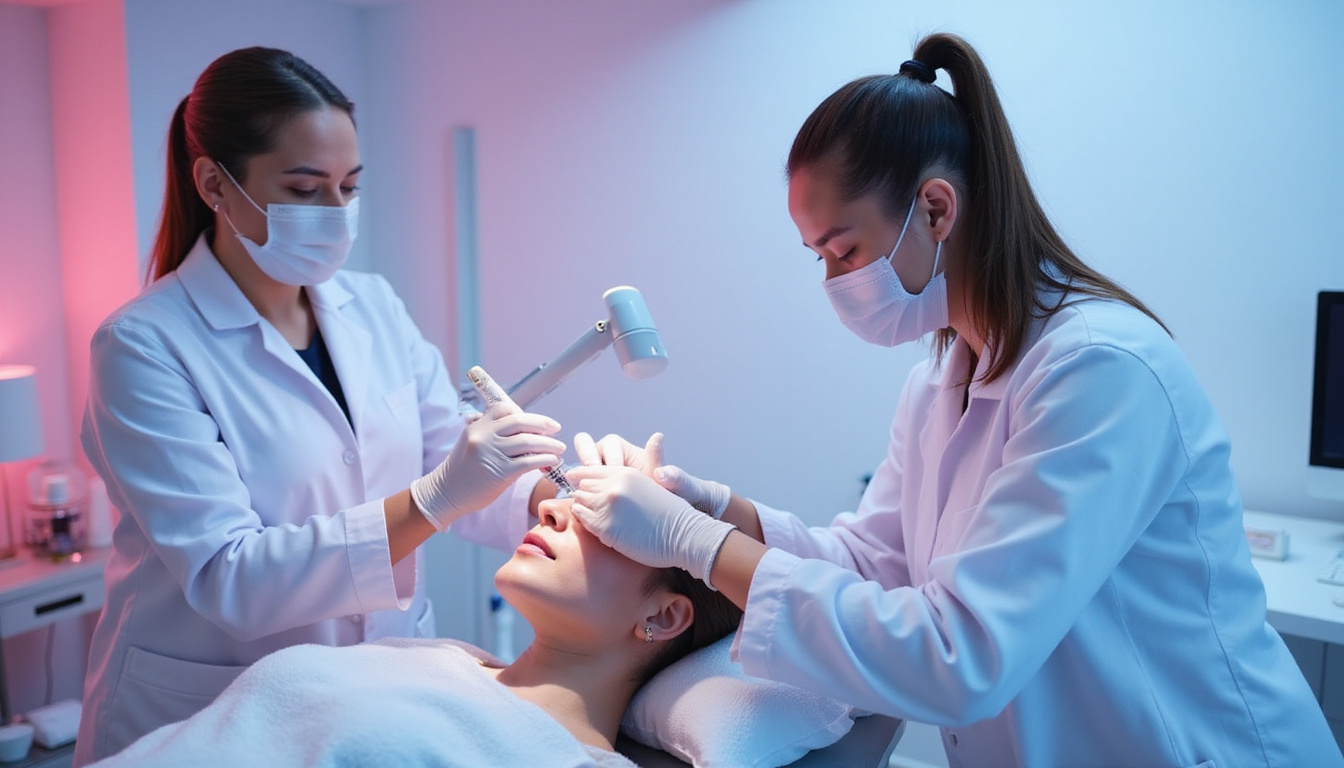
Microneedling uses small needles to make tiny channels in the scalp. Research shows these channels boost anagen induction by:
- Releasing growth signals (like platelet-derived growth factor)
- Activating stem cells near follicles
- Helping the skin take in topicals
Studies note that microneedling with minoxidil works better than minoxidil alone.
2. Platelet-Rich Plasma (PRP) Therapy
PRP uses your blood, which is spun to collect growth factors. It then goes into your scalp.
It works by:
- Making DPCs multiply
- Growing new blood vessels
- Keeping the hair in an active phase
Many users see less shedding and thicker hair after sessions every 4–6 weeks.
3. Low-Level Laser Therapy (LLLT)
LLLT (or red light therapy) sends light in special wavelengths to the scalp.
It helps by:
- Boosting energy in follicle cells
- Increasing local blood flow
- Turning resting hair into active hair
At-home laser devices (caps, combs, helmets) are common.
4. Hair Transplantation and Follicle Reuse
Hair transplant does not create new follicles. It moves follicles in the active stage from one part of the head to thinning areas. Post-transplant care often adds anagen support via topicals and other methods to help the grafts grow.
Non-Medical & Cosmetic Strategies to Support Anagen Induction
Some people start with non-drug methods alongside medical care. This is where quality formulas and scalp care work well.
Watermans Grow Me Shampoo and Advanced Cosmetic Actives
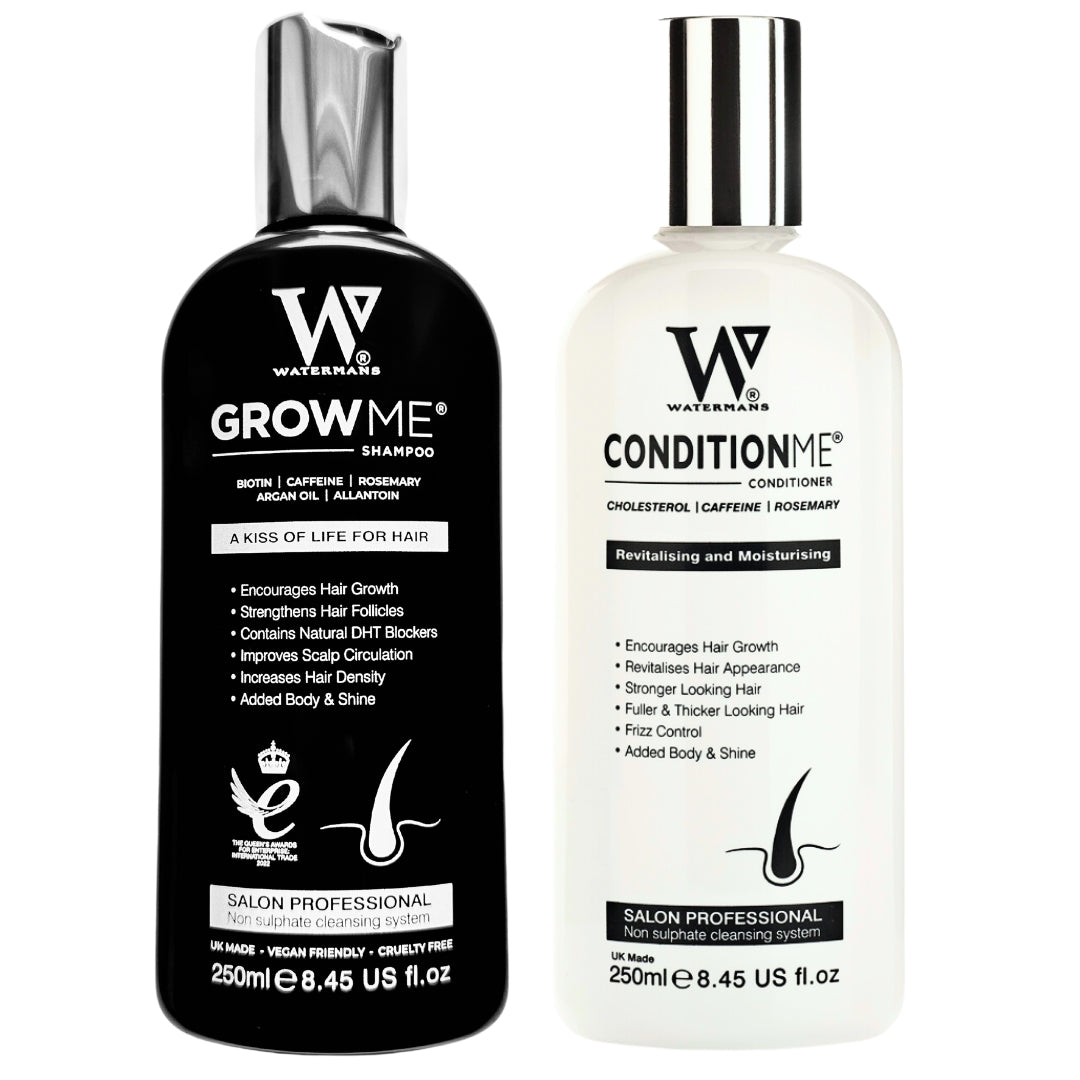
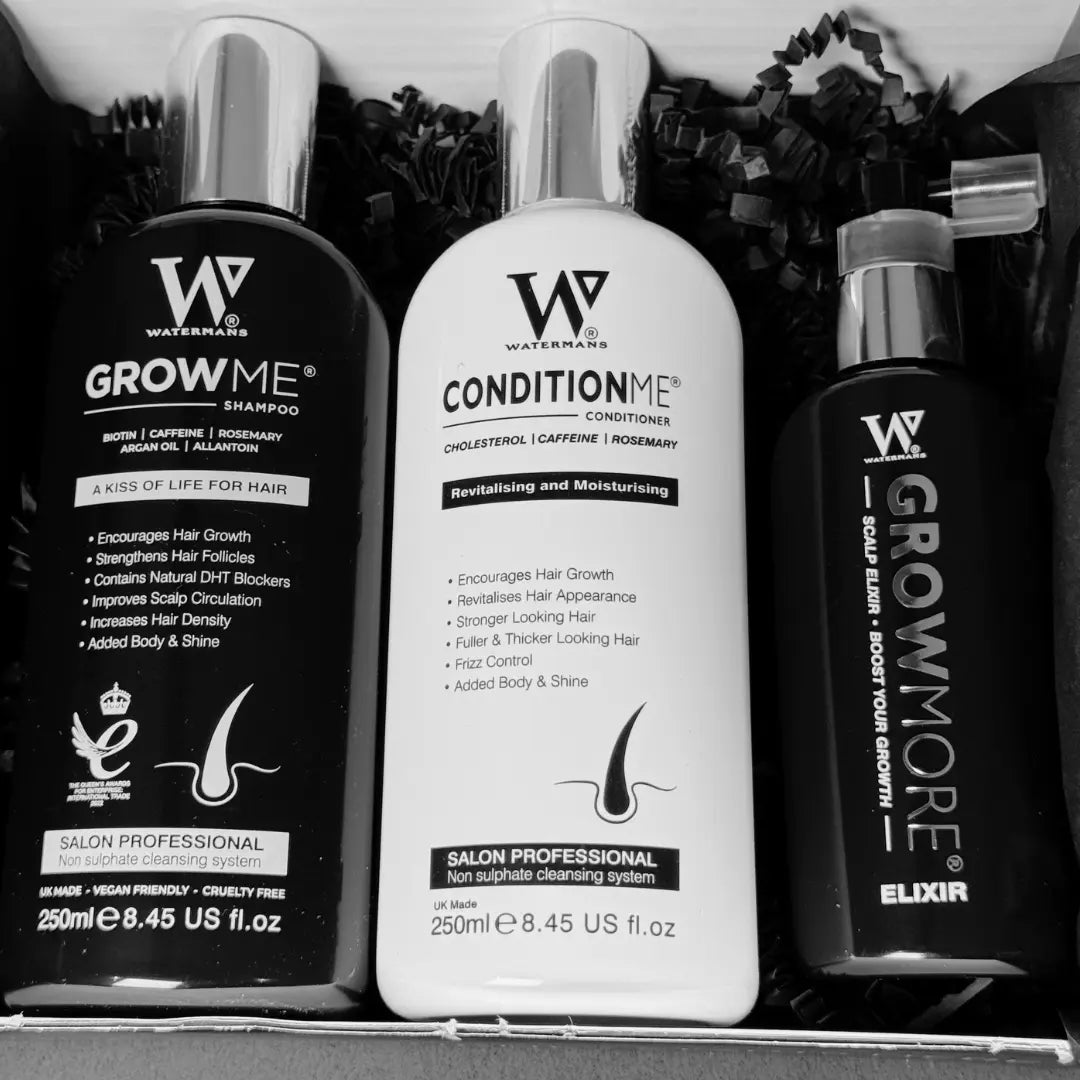
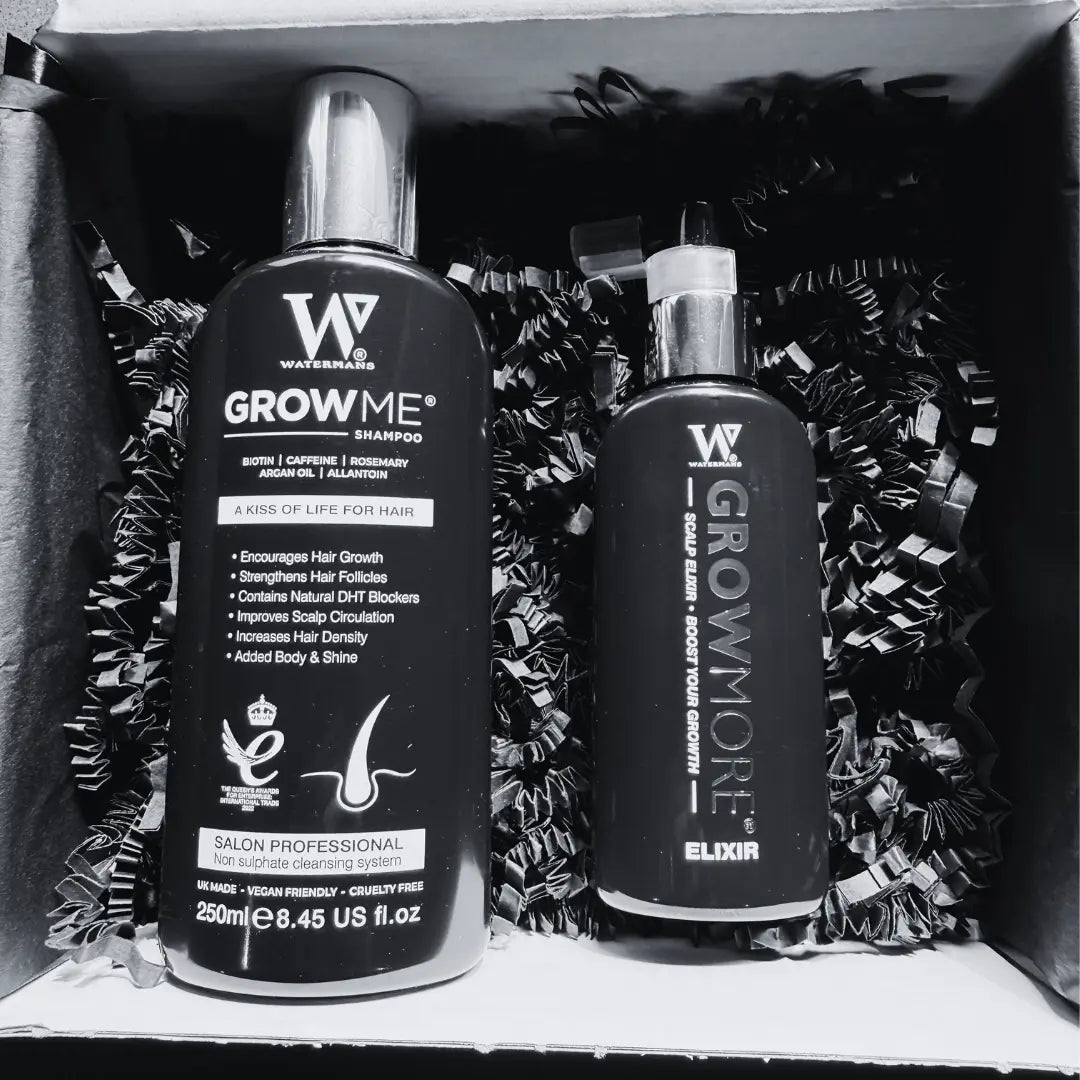
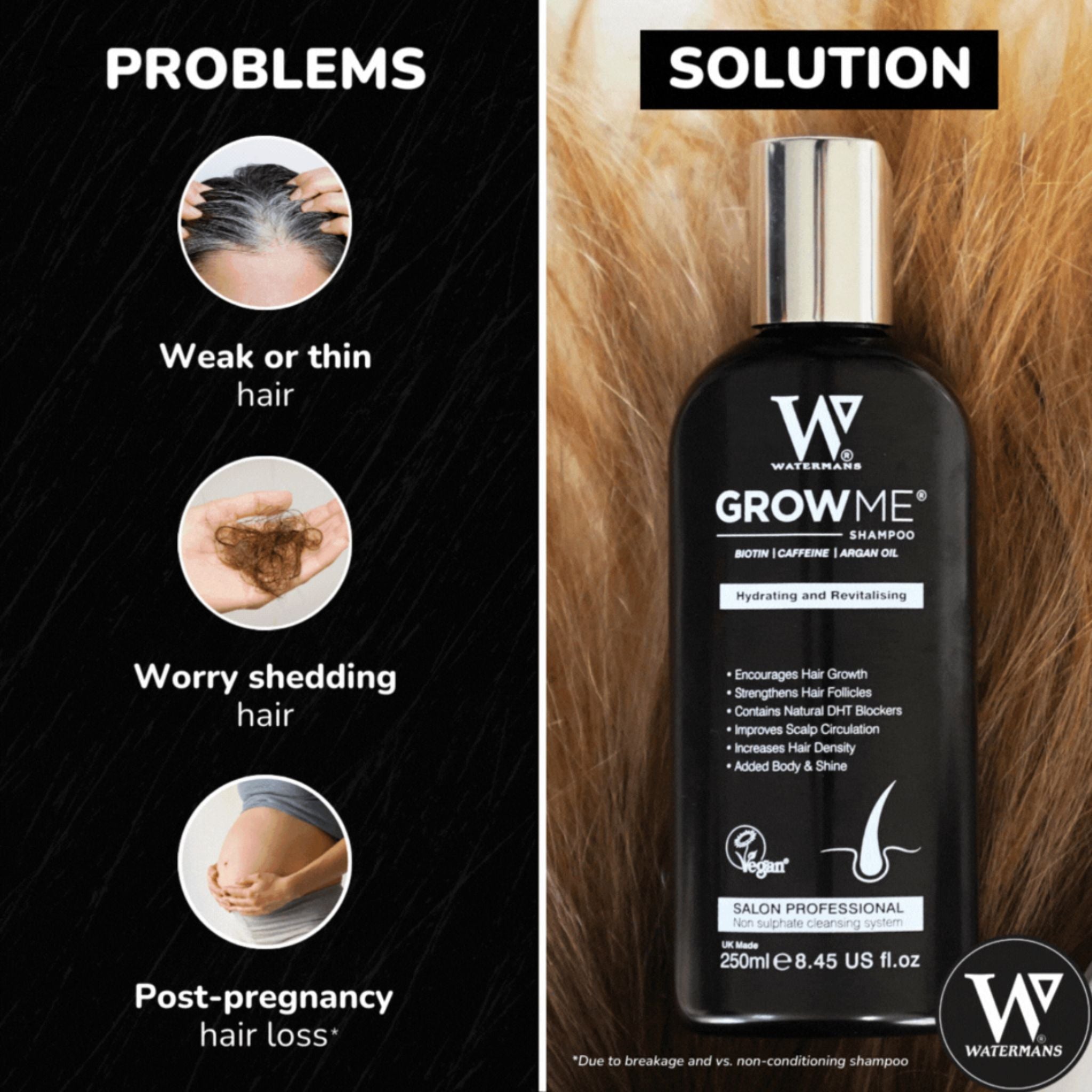
Among over-the-counter choices, Watermans Grow Me Shampoo stands out as a non-medical fix that focuses on scalp care and active follicles.
Its key parts work like this:
Biotin
- Helps make keratin, the main hair protein
- Makes hair stronger and bend less
- Aids hair to look full as it grows
Rosemary
- Improves blood flow on the scalp
- Some studies find its oil works like minoxidil 2% in boosting density
- Keeps scalp clean and balanced
Caffeine
- Lab tests show it can lengthen the hair shaft
- Works against testosterone’s harm on follicles
- Brings more blood to the roots
Niacinamide
- A form of vitamin B3 that guards the skin barrier
- Keeps the scalp healthy and calm
- Helps hair shine and feel smooth
Argan Oil
- Holds fatty acids and antioxidants
- Conditions hair and stops breakage
- Keeps the scalp soft and less dry
Allantoin
- Soothes and gently softens
- Cuts down dryness and flake
- Makes a good base for healthy hair
Lupin Protein
- A plant protein that strengthens hair fibers
- Adds volume and body from the root upward
Together, these parts work to:
- Stir the scalp and roots
- Build a healthy follicle space that makes anagen induction more likely
- Give hair a fuller look from the roots
For many, this shampoo is the first simple step before extra medical care.
Building an Anagen-Friendly Haircare Routine
Everyday habits can change your hair cycle. To help anagen naturally, try this:
1. Optimised Scalp Hygiene
A clean scalp is key. Buildup, extra oil, or swelling can block follicles.
- Wash with a gentle formula like Watermans Grow Me Shampoo on a regular basis
- Skip strong sulfates and very harsh cleansers
- Rinse well to leave no residue
2. Consistent Nourishment and Protection
Watch over new anagen hairs to keep them safe:
- Condition your hair to cut breakage
- Use heat tools on low power with a heat protector
- Avoid tight styles that pull on your roots
3. Targeted Support Sets
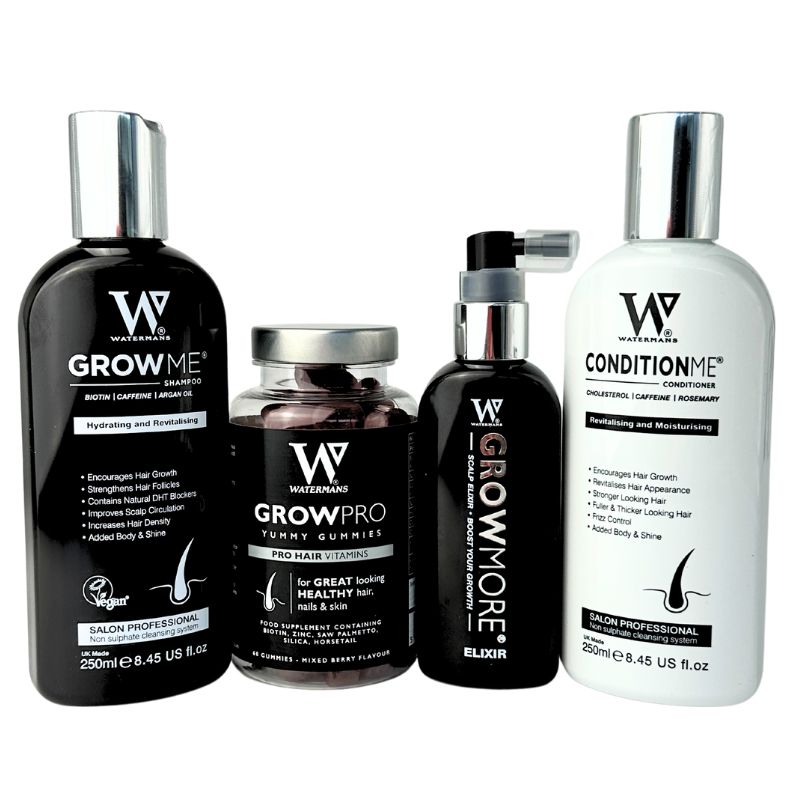
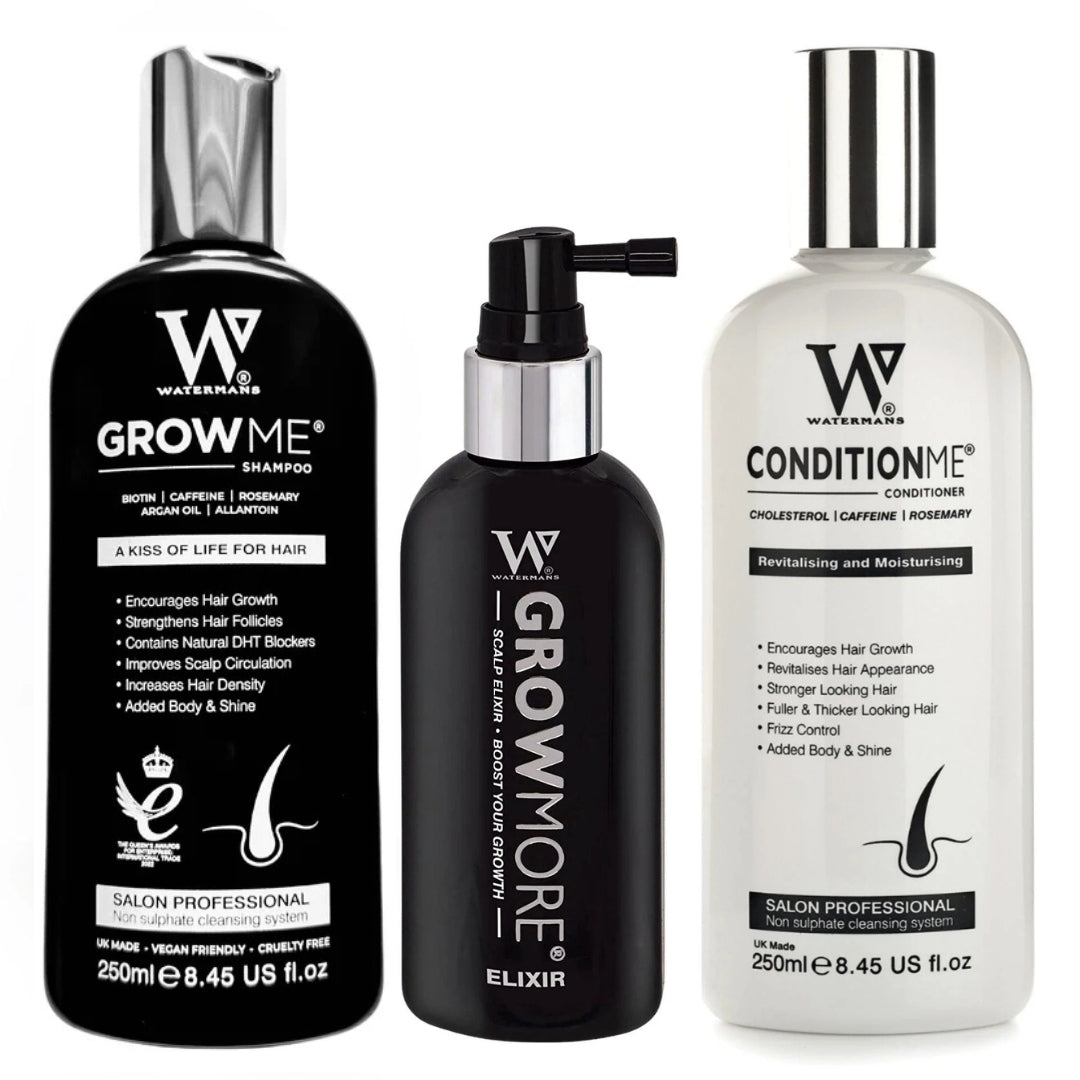
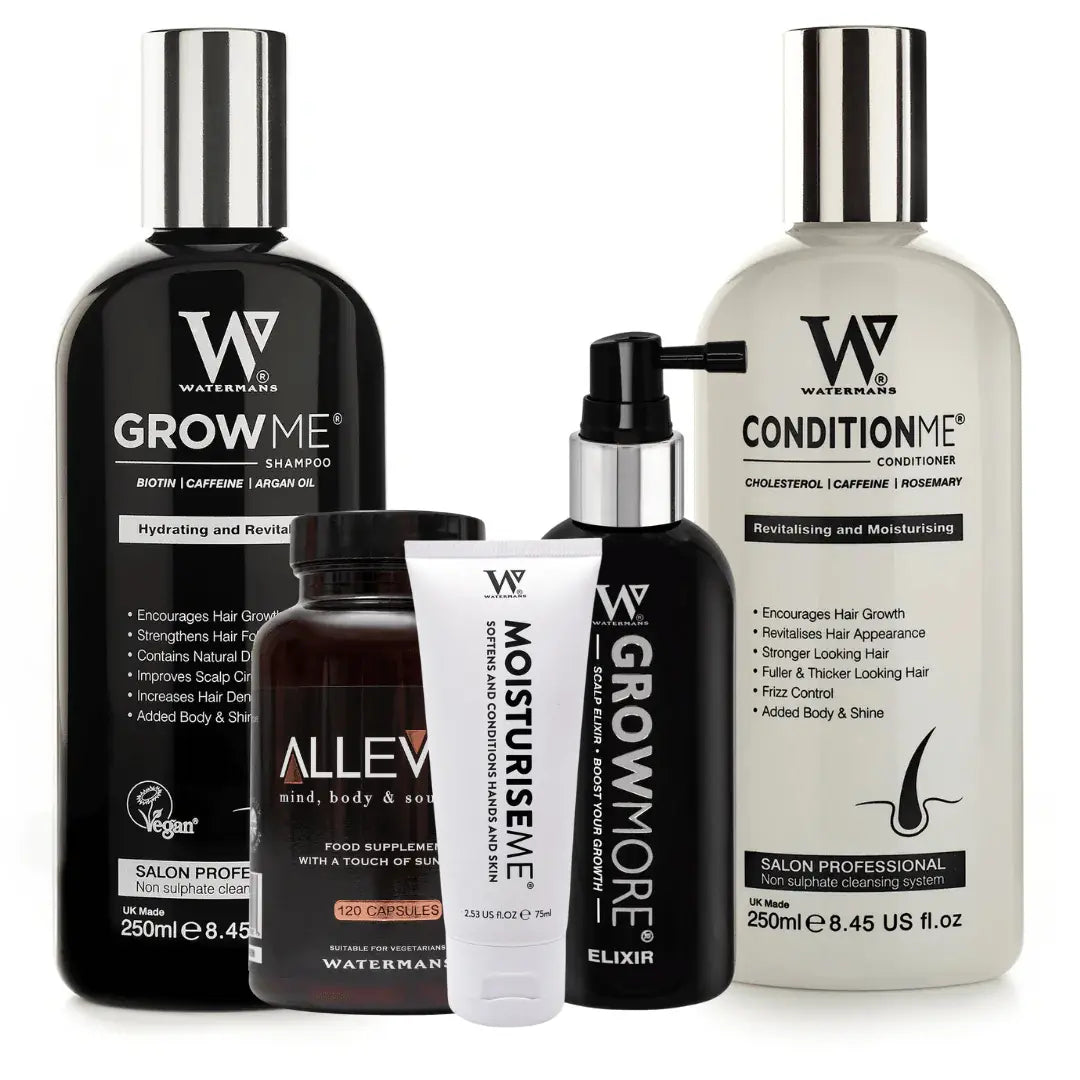
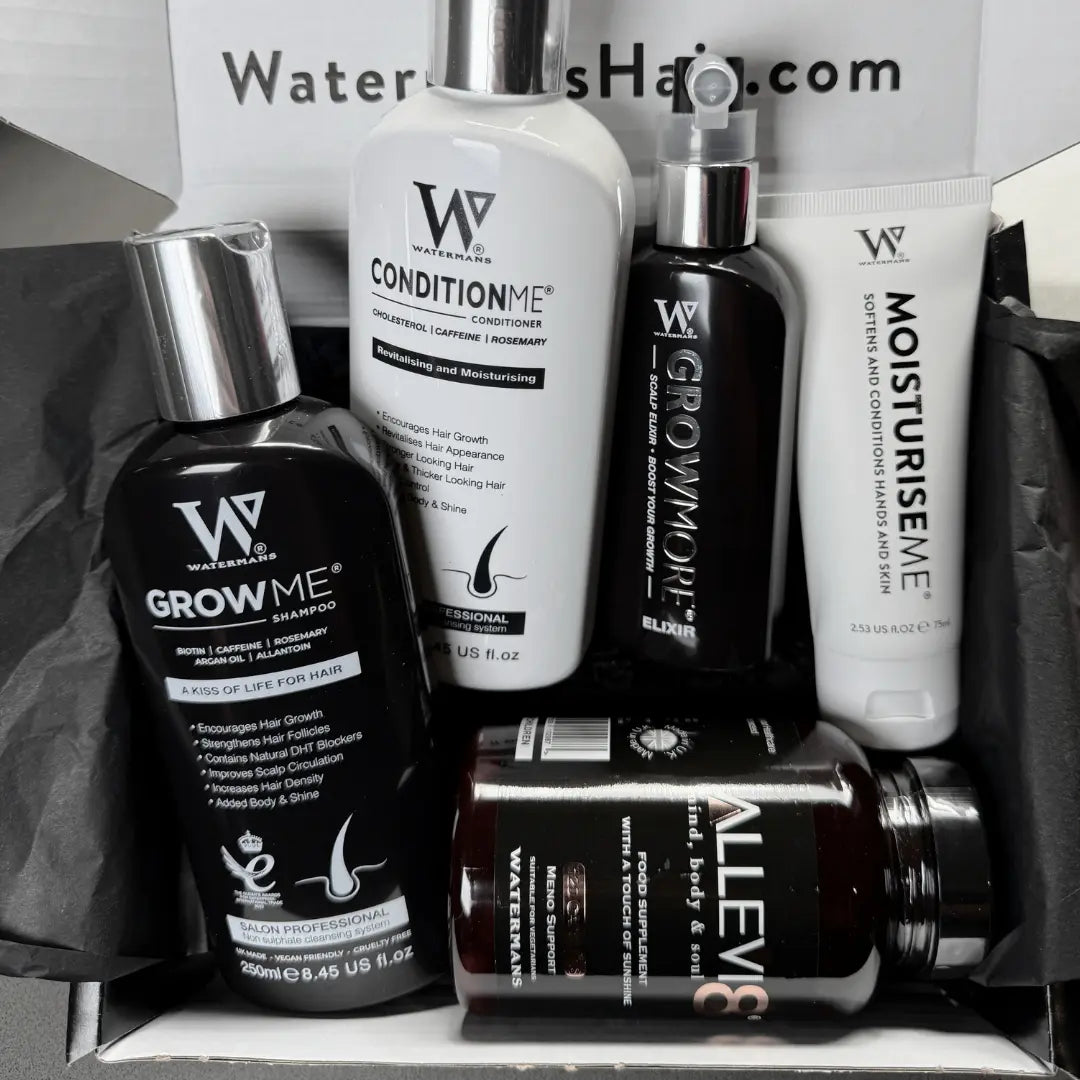
A full hair system may work on many fronts. For example, the Watermans Hair Survival Kit mixes products to:
- Build a scalp that welcomes anagen
- Strengthen hair fibers
- Set up a clear daily routine
Internal Factors That Influence Anagen Induction
Scalp care helps, yet your inner body also shapes your hair cycle.
Nutrition and Micronutrients
Hair uses energy and needs good fuel. A lack of nutrients can push hair into telogen. Key nutrients include:
- Protein (for hair building blocks)
- Iron (and ferritin; low levels can link to thinning)
- Zinc and selenium
- Vitamins A, D, E, and B (especially biotin, B12, folate)
A balanced diet, or advice from a doctor about supplements, helps follicles stick to anagen.
Hormonal Balance
Hormones shape the hair cycle:
- Androgens (like DHT) may shrink follicles
- Thyroid levels that are too low or high can disrupt anagen
- Changes in estrogen during life events can trigger shock to the hair
If hair loss seems quick or severe, or you feel other signs like low energy or weight change, see a doctor.
Stress and the Hair Cycle
Long-term stress can push follicles out of anagen. Taking care of body and mind helps restore balance:
- Get enough sleep
- Work on stress relief like exercise or calm breathing
- Ask for help if stress grows too high
Types of Hair Loss and How Anagen Induction Helps
Knowing your hair loss type lets you apply anagen care well.
Androgenetic Alopecia (Pattern Hair Loss)
- Most common in both men and women
- Comes from genes that make certain areas sensitive to DHT
- Follicles shrink over time; anagen shortens while telogen grows
Anagen induction helps with pattern loss by using:
- Topical solutions (such as minoxidil, shampoos with caffeine, etc.)
- Medical steps (finasteride or dutasteride with a doctor’s help)
- Scalp care (microneedling, LLLT, PRP)
Using Watermans Grow Me Shampoo can be a simple start to support scalp health.
Telogen Effluvium
- Often follows stress, sickness, surgery, childbirth, low-calorie diets, or some medicines
- Many hairs enter telogen and fall out
Here, anagen induction means:
- Finding and fixing the main cause
- Caring for your scalp and diet
- Using gentle, steady hair care and giving time for follicles to return to anagen
Alopecia Areata
- An autoimmune condition where the body attacks hair follicles
- Anagen care here is more complex and needs a specialist’s input
- Treatment may use corticosteroids or other immune steps along with scalp care
A calm and healthy scalp, with support from a good shampoo, can work with medical care to help hair.
Timeframes: How Long Does Anagen Induction Take to Show Results?
Hair grows slowly, so it takes time for anagen techniques to work.
Typical steps:
-
0–3 months
- Shedding may slow down
- Some old hairs fall as new anagen hairs start
-
3–6 months
- You may see early signs of new hair and more thickness
- Baby hairs can appear and the scalp looks less bare
-
6–12 months
- Changes in density and volume grow more clear
- The anagen phase grows stronger
Keep a steady routine. Whether you use topicals, procedures, or a growth shampoo like Watermans Grow Me Shampoo, missing days can slow your progress.
Practical Daily Routine for Supporting Anagen Induction
Try this simple plan:
-
Morning
- Wash your scalp with Watermans Grow Me Shampoo. Choose daily or every other day based on your hair.
- Massage the shampoo gently into your scalp for 1–2 minutes.
- Use a conditioner on your hair lengths and ends, not on the scalp if buildup worries you.
-
Daytime
- Shield your hair from strong sun with a hat.
- Avoid hairstyles that pull the hair hard.
- Use low heat on styling tools and take care with chemicals.
-
Evening
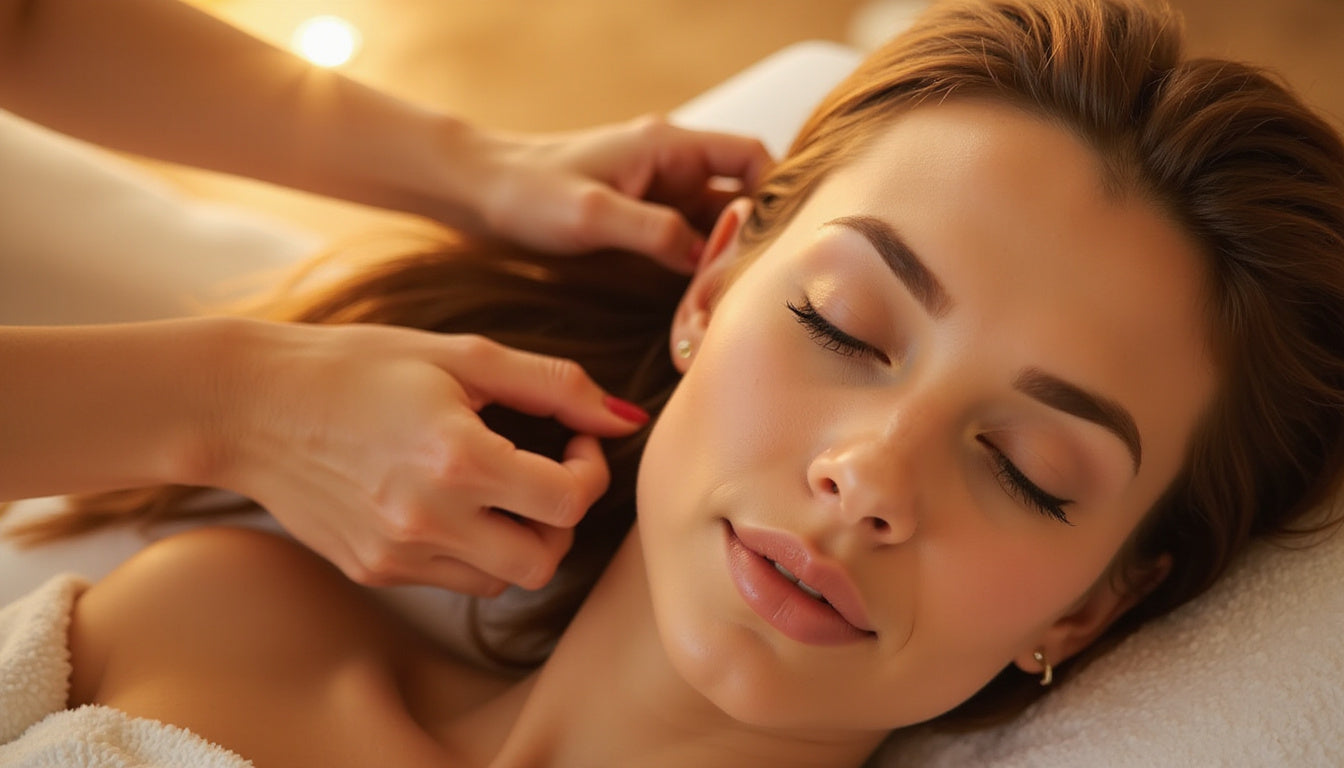
- Give your scalp a light massage with clean fingertips.
- Apply any prescribed topicals from your dermatologist.
- Rest well and manage stress to keep your hormones in check.
-
Weekly
- Use the Watermans Hair Survival Kit as directed for extra anagen support.
- Check your scalp for irritation or buildup and adjust your care if needed.
Safety, Side Effects, and Sensitivity in Anagen Induction
When you change your hair cycle, watch for safety signs:
Topical and Cosmetic Treatments
- They work well for many people, especially without strong detergents
- Always test a small area if you have sensitive skin
- Stop use if redness, itch, or burning continue
Watermans Grow Me Shampoo is made for daily scalp care. It starts a gentle step before stronger medical options.
Medical and Procedural Treatments
- Minoxidil may irritate some skin and rarely cause body effects if overused.
- Finasteride and similar drugs sometimes affect mood or interest in sex for a few users.
- PRP, microneedling, and LLLT need a trained worker.
Always share your full health story with a dermatologist before you start any clinical treatment.
Frequently Asked Questions About Anagen Induction
1. How does anagen induction help with hair regrowth compared to regular haircare?
Anagen induction pushes follicles from rest into active growth. Regular haircare cleans and conditions hair. Targeted anagen methods work on the underlying cycle to get more hairs to grow.
2. Can shampoos really support anagen phase induction?
Shampoos are cosmetic tools, not drugs. Yet, well-made formulas help the scalp and follicles. Ingredients such as caffeine, niacinamide, rosemary, and proteins (as seen in Watermans Grow Me Shampoo) work to stir blood flow, strengthen hair, and back anagen.
3. How long should I use an anagen induction routine before judging results?
Give your routine 3–6 months to work. Hair grows slowly. Follicles must leave telogen and build a visible strand. Using a mix of scalp care (like using the Watermans Hair Survival Kit) and healthy habits gives you the best chance to see results over 6–12 months.
Take the Next Step Toward Faster, Healthier Hair Regrowth
Anagen induction works with your biology to move more follicles into active growth. Use clinical steps such as microneedling, PRP, or low-level laser light. Combine these with daily habits of good nutrition, low stress, and scalp care.
If you want a practical, everyday beginning, start by changing your shampoo. Watermans Grow Me Shampoo uses Biotin, Rosemary, Caffeine, Niacinamide, Argan Oil, Allantoin, and Lupin Protein. Each part works to stir the scalp, boost volume from the root, and set up a space where new hair can grow.
Your hair can grow stronger, thicker, and faster when you support its active phase. Start today with science-based scalp care for better hair tomorrow.