5-alpha reductase Breakthroughs: How It Impacts Hair Loss and Health
5-Alpha Reductase Breakthroughs: How It Impacts Hair Loss and Health
We now know 5-alpha reductase drives hair loss and affects hormonal balance. This enzyme connects hormones and tissues. It acts in both men and women. It works in hair follicles, skin, and other tissues. When you learn its role and ways to manage its effects by nature or with medicine, you may pick smart paths for hair and health.
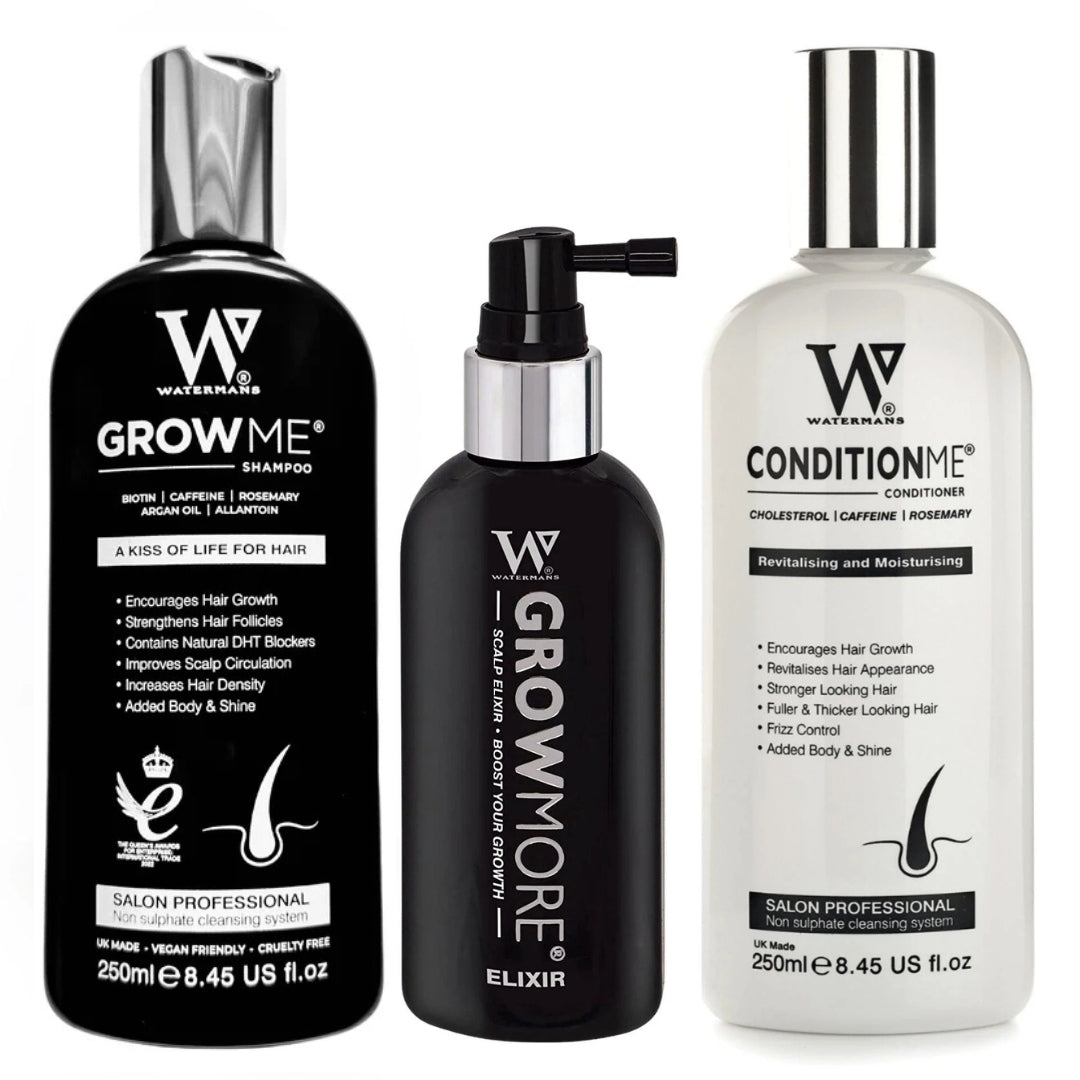
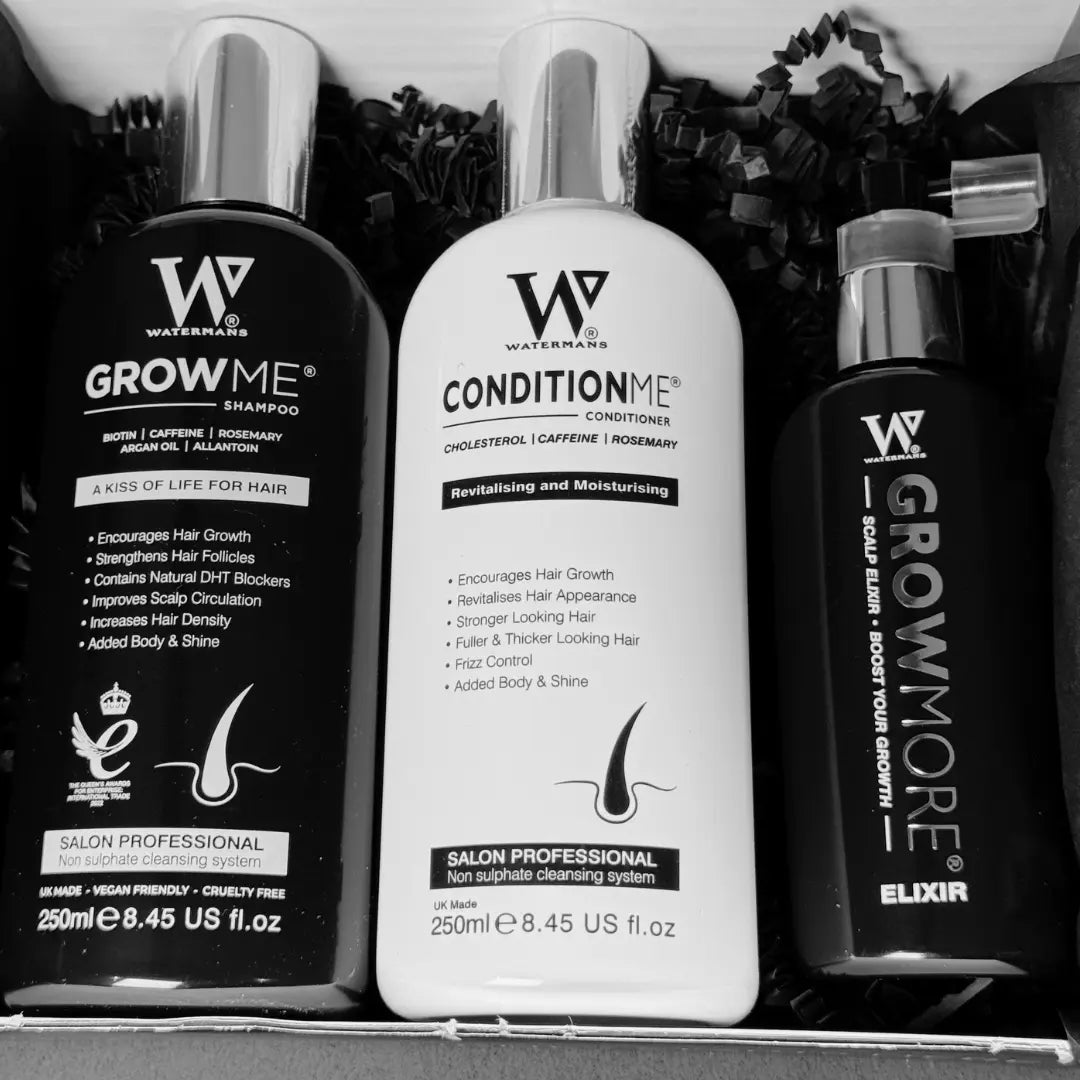
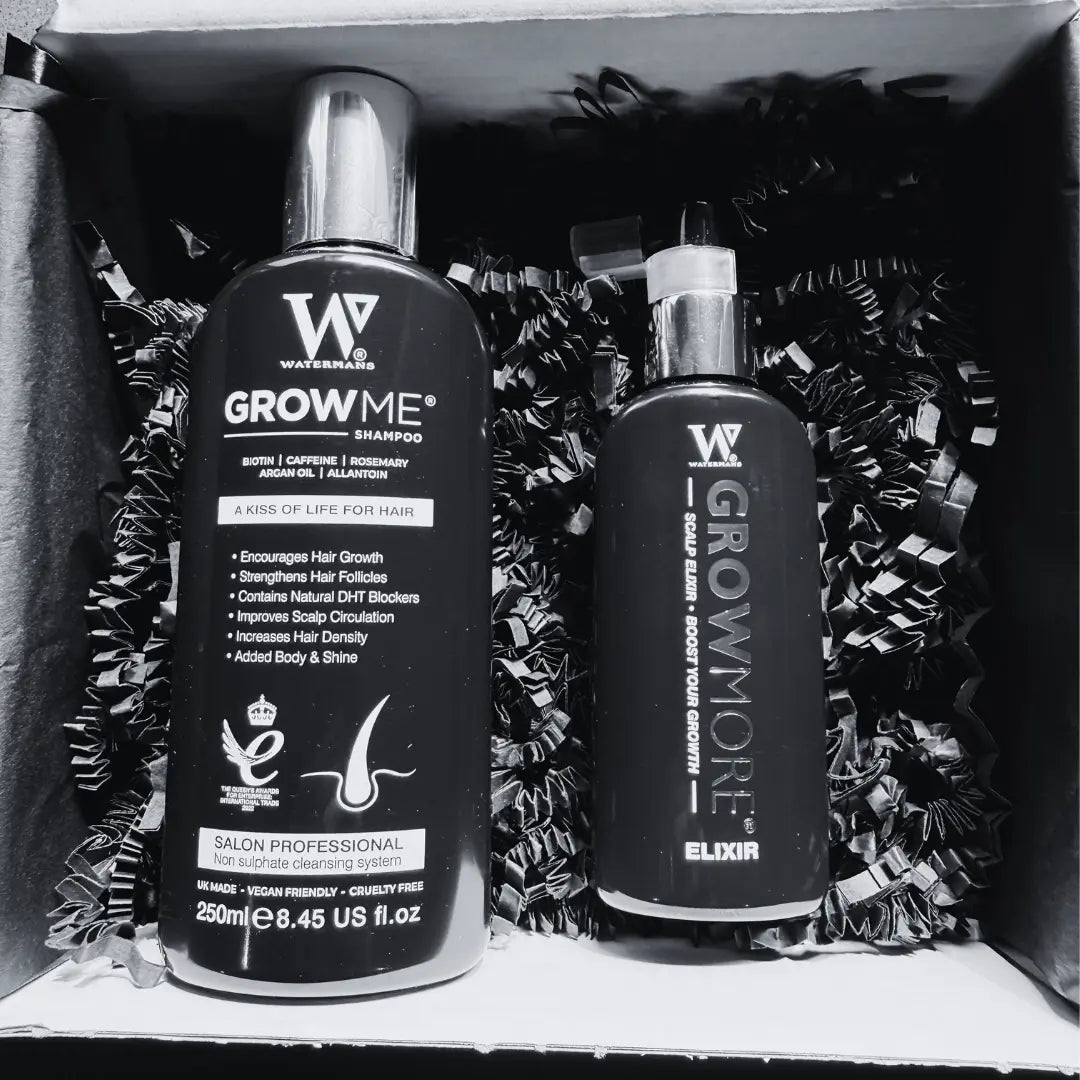
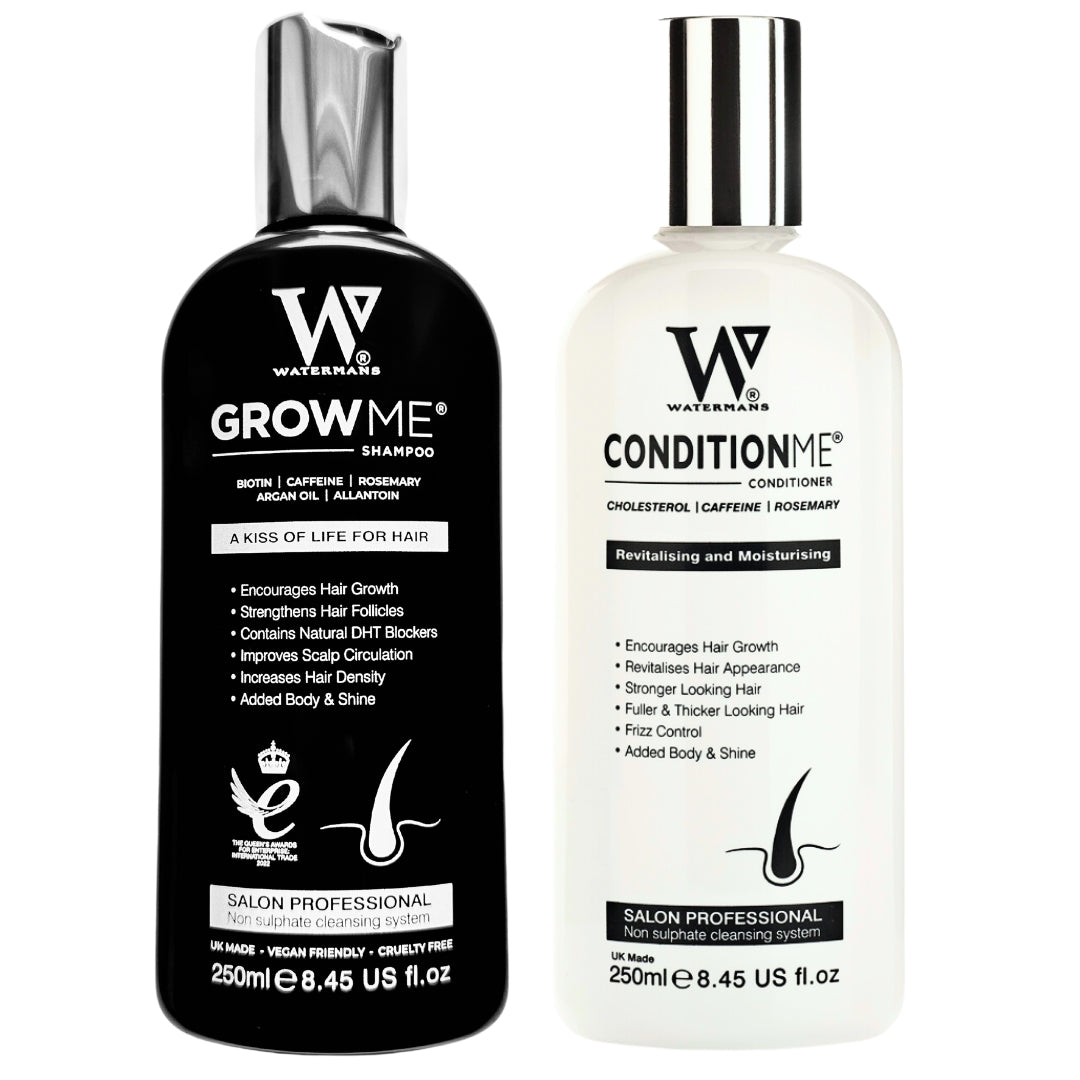
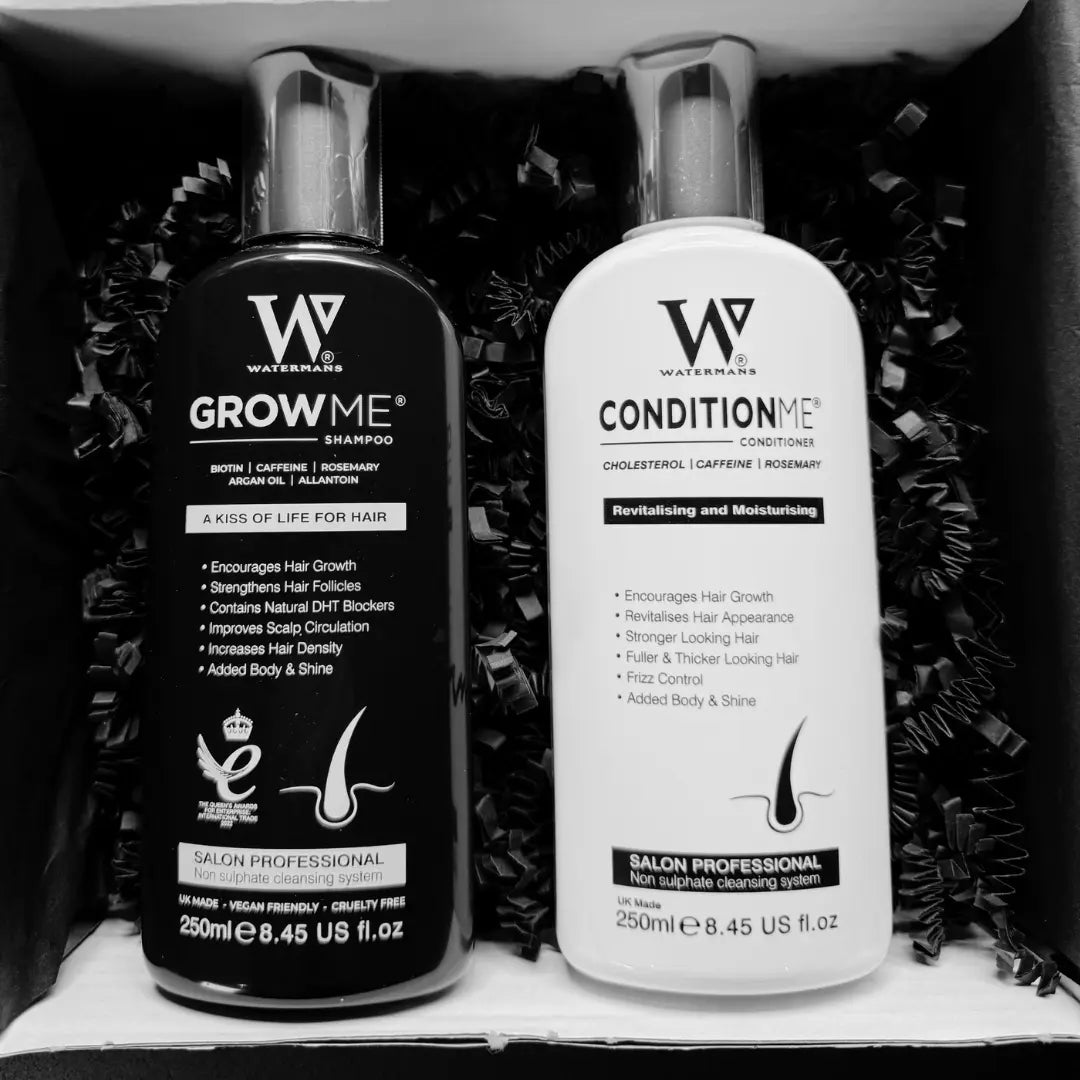
Many people first use smart cosmetic and lifestyle fixes. One good pick is the Watermans Grow Me Shampoo. This shampoo uses Biotin, Rosemary, Caffeine, Niacinamide, Argan Oil, Allantoin, and Lupin Protein. It works at the root and wakes up the scalp. This approach supports hair density before one chooses drugs.
What Is 5-Alpha Reductase?
5-alpha reductase (written as 5α-reductase or 5AR) is an enzyme that shows up in many body parts:
- Hair follicles
- Skin (especially on the scalp and face)
- Prostate tissue
- Liver
- Adrenal glands
Its task is to turn testosterone into the hormone dihydrotestosterone (DHT).
The Two Main Types of 5-Alpha Reductase
Scientists find several kinds, but two stand out for hair and prostate functions:
- Type 1 – This type works mostly in the skin and oil glands.
- Type 2 – This type is very active in scalp hair follicles and the prostate.
Both types build DHT. Type 2 links strongly with baldness and prostate growth. Many treatments now aim at type 2. ---
From Testosterone to DHT: Why It Matters
Testosterone moves in your blood. It builds muscles, stokes desire, and lifts mood. In certain tissues, 5-alpha reductase helps turn testosterone into DHT.
What Is DHT?
DHT is a stronger form of the hormone. It attaches tightly to receptors in tissues like:
- Scalp hair follicles
- Facial hair follicles
- Prostate cells
- Oil glands
This strong tie means DHT can change hair and skin in clear ways.
How 5-Alpha Reductase Affects Hair Loss
Hair loss, known as androgenetic alopecia, connects with 5-alpha reductase and DHT.
DHT’s Impact on Hair Follicles
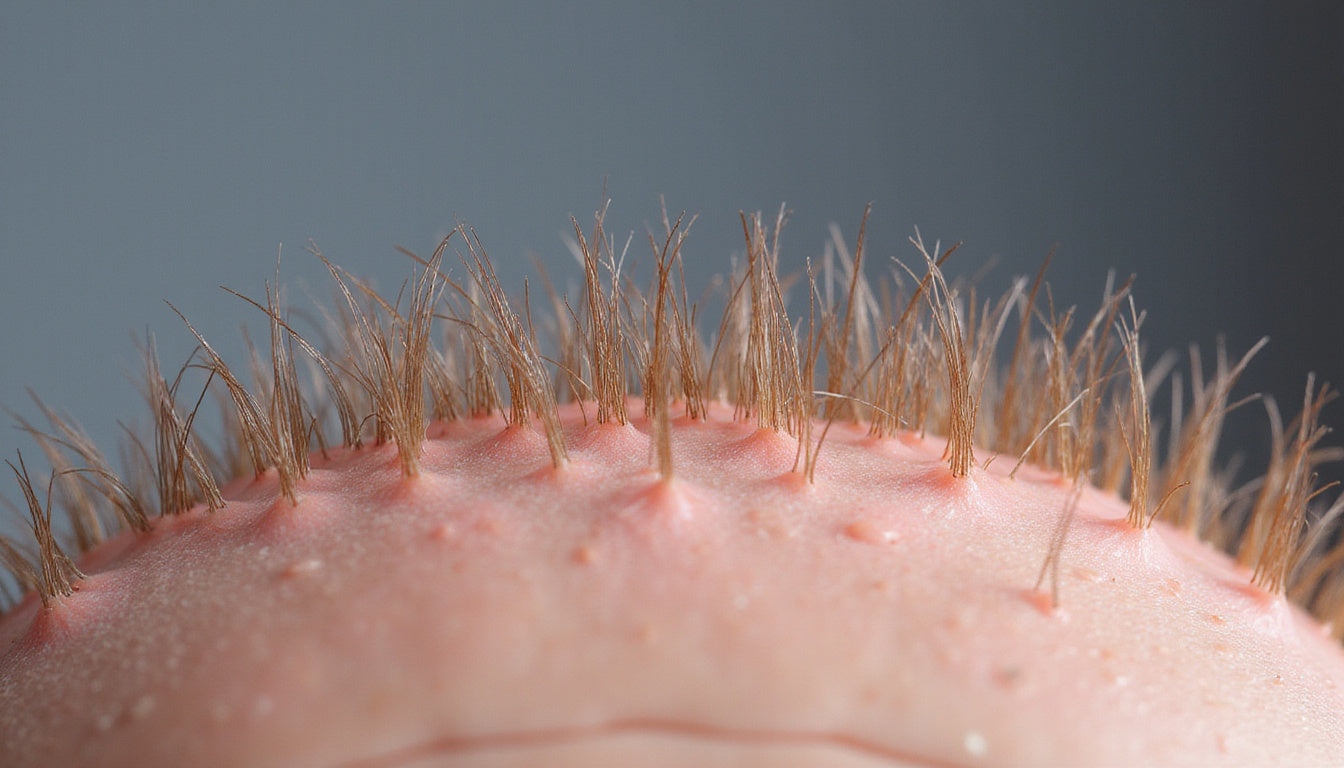
In those with sensitive genes, DHT brings about miniaturisation:
- Hair follicles shrink over time.
- Each hair cycle makes smaller, thinner strands.
- Eventually, the follicle makes only faint fuzz or stops hair growth.
High DHT does not hurt everyone. The key is how much a follicle reacts. This reaction comes from your genes.
Typical Hair Loss Patterns
- Men: They see a receding hairline, a thinner crown, and a horseshoe shape.
- Women: They see a wider part and thinning on top, yet keep the hairline.
These patterns make 5-alpha reductase and DHT central in hair loss study.
Beyond Hair: Other Health Roles of 5-Alpha Reductase
The 5-alpha reductase-DHT path works in many body parts.
1. Prostate Health
DHT builds and maintains prostate tissue. Too much DHT may cause:
- Benign prostatic hyperplasia, which is an enlarged prostate
- Problems with urine flow, like a weak stream and urgency
For these reasons, some drugs block 5-alpha reductase in the prostate.
2. Skin and Acne
DHT boosts oil production. In active oil glands, this may bring:
- Oily skin
- Blocked pores
- Hormone-driven acne on the jaw and back
3. Sexual Development and Function
In men, DHT helps shape many features:
- It builds male external genitalia before birth
- It supports facial hair and a deeper voice at puberty
- It touches desire and erectile function
Over-blocking 5-alpha reductase can lower these effects. That is why balance is key.
4. Brain and Mood
In the brain, 5-alpha reductase works with neurosteroids. This flow can affect mood and anxiety. Researchers still work to understand this link. It shows why some feel mood shifts when on these medications. (source: NIH)
Recent Breakthroughs in 5-Alpha Reductase Research
In the past 20 years, study has moved forward on 5-alpha reductase and its parts in well being.
Genetic Insights
Research on genes finds:
- Tweaks in the genes for 5-alpha reductase (SRD5A1, SRD5A2)
- Variations in how androgen receptors work
- Close ties between hormones, genes, and inflammation
This work shows why some lose hair early while others keep density despite the same hormone levels.
Improved Targeting of 5-Alpha Reductase Isoenzymes
Drugs like finasteride block mainly type 2. New work now looks at:
- Dual blockers that hit type 1 and 2
- Topical forms that work mostly on the scalp
- Molecules that adjust receptor activity instead of full blocking
The goal is fewer side effects while keeping hair and prostate work steady.
Topical vs Oral Approaches
A promising turn is this shift from oral to local treatments:
- Topical modulator drops act mainly on the scalp
- Cosmetic formulas boost scalp blood flow, cut down inflammation, and shift local hormone work
This is why non-medical products such as Watermans Grow Me Shampoo now win many fans. They care for the scalp without changing whole body hormones.
Natural Approaches to Supporting Healthy 5-Alpha Reductase Activity
Not everyone starts with drugs. Some try gentle, support moves to keep the scalp and hormones in balance.
1. Evidence-Informed Nutrients and Botanicals
Research brings up ingredients that may touch DHT or 5-alpha reductase:
- Biotin – It supports healthy hair and nails.
- Niacinamide (Vitamin B3) – It aids the skin and scalp while boosting small blood flow.
- Caffeine – Lab work shows it may wake hair follicles and fight miniaturisation.
- Rosemary – It has a long record for boosting circulation and the scalp.
- Argan Oil – It fills the scalp with moisture and feeds hair shafts.
- Lupin Protein – It gives peptides that strengthen follicles.
These parts work best in a smart mix that hits many sides of hair care. This mix is found in Watermans Grow Me Shampoo. It acts right at the scalp and builds a better seat for hair to grow.

2. Lifestyle Factors That Influence Hormonal Balance
The body makes hormones in a group work. Life choices may change 5-alpha reductase tasks:
- Stress – Ongoing stress can shake the hormones and speed shedding.
- Sleep – Good sleep keeps hormones like testosterone steady.
- Diet – Simple, less sugary foods help cut down inflammation and keep hormones in check.
- Weight management – Too much fat can alter hormone moves, and that may harm hair.
These steps do not shut off the enzyme but help balance overall hormones when paired with scalp care.
3. Scalp Care and Blood Flow
Hair follicles need air, food, and a calm space. Easy tasks help:
- Wash gently to clear away oil and buildup
- Skip very harsh shampoos or rough styling that irritates
- Massage the scalp to boost flow
- Pick products with active parts that wake follicles
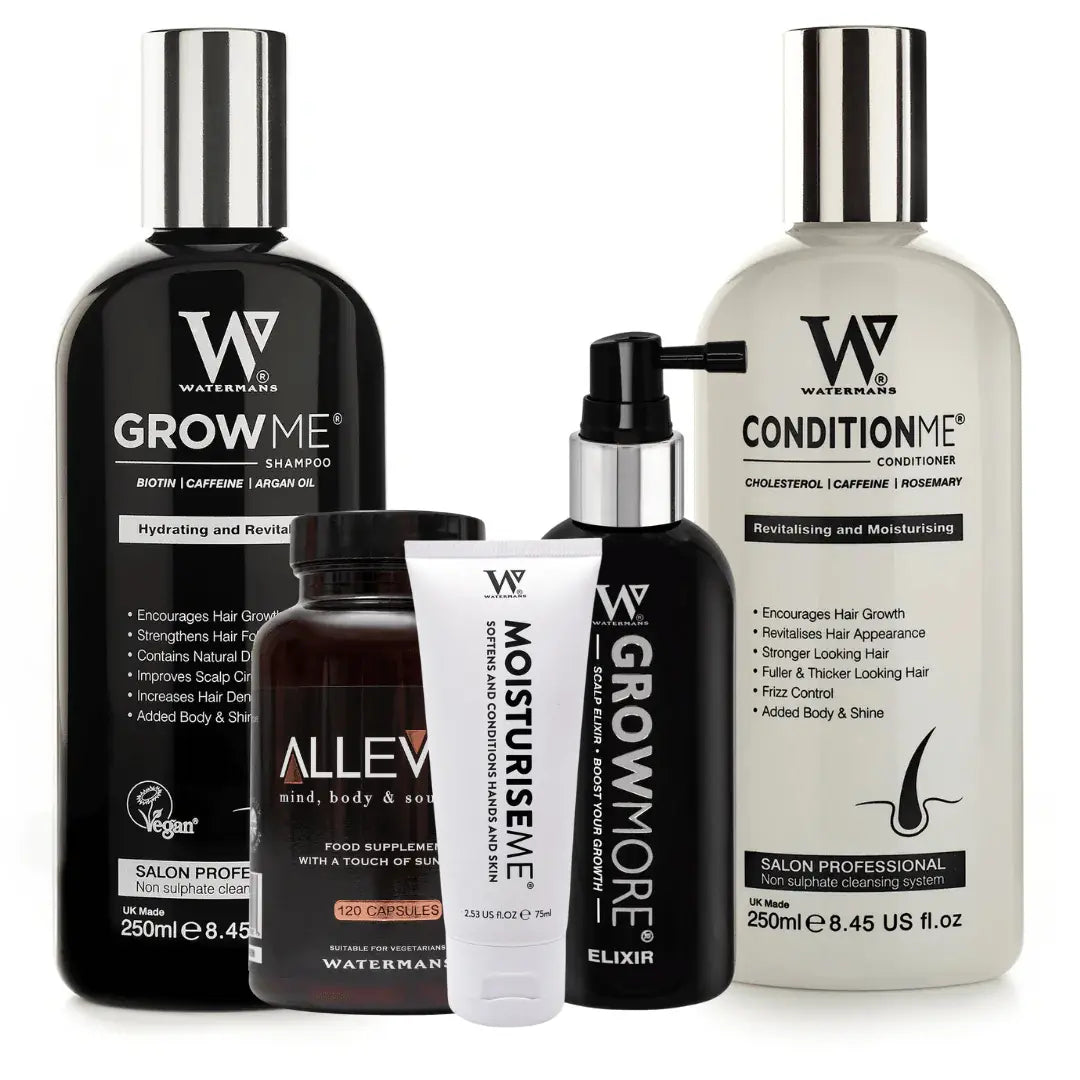
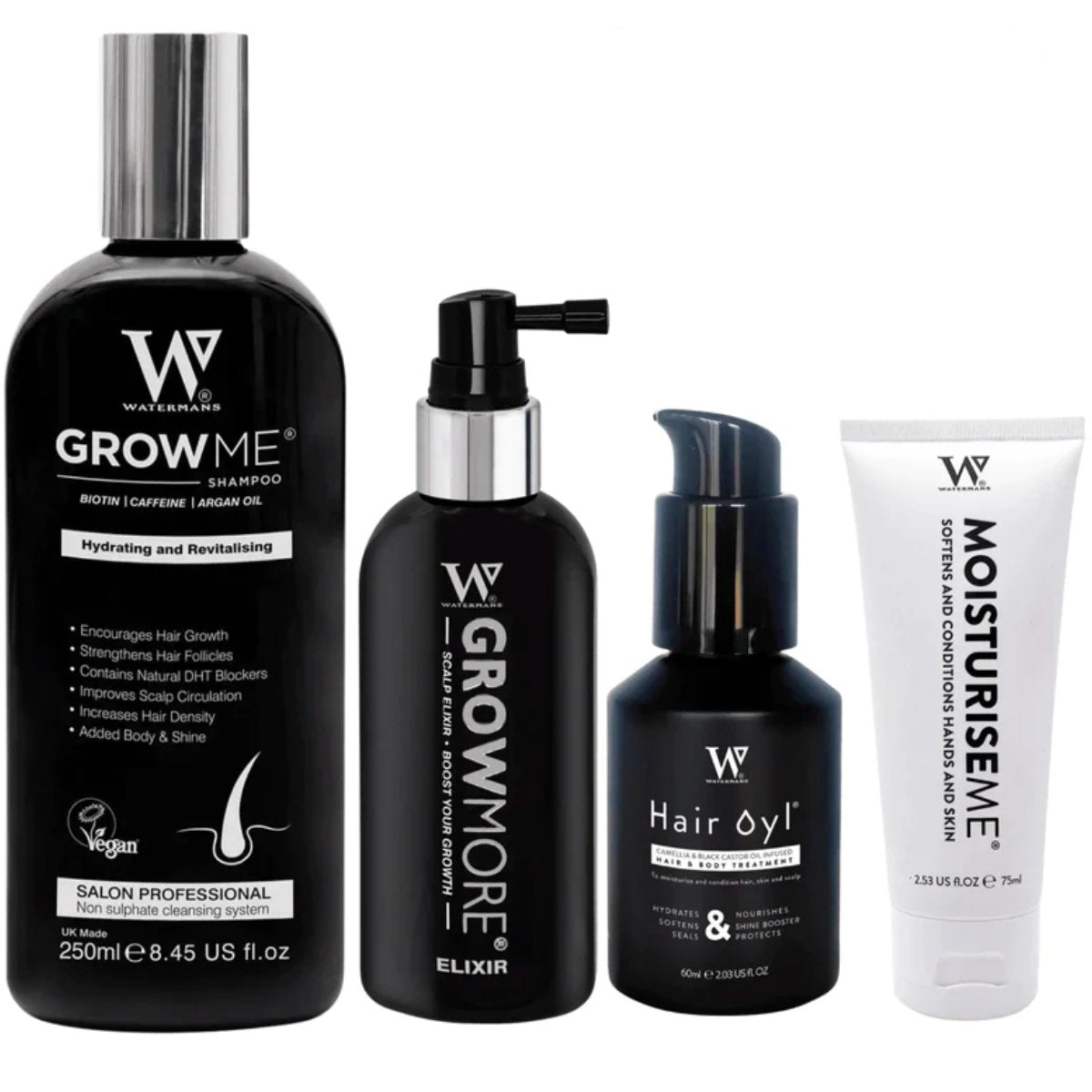
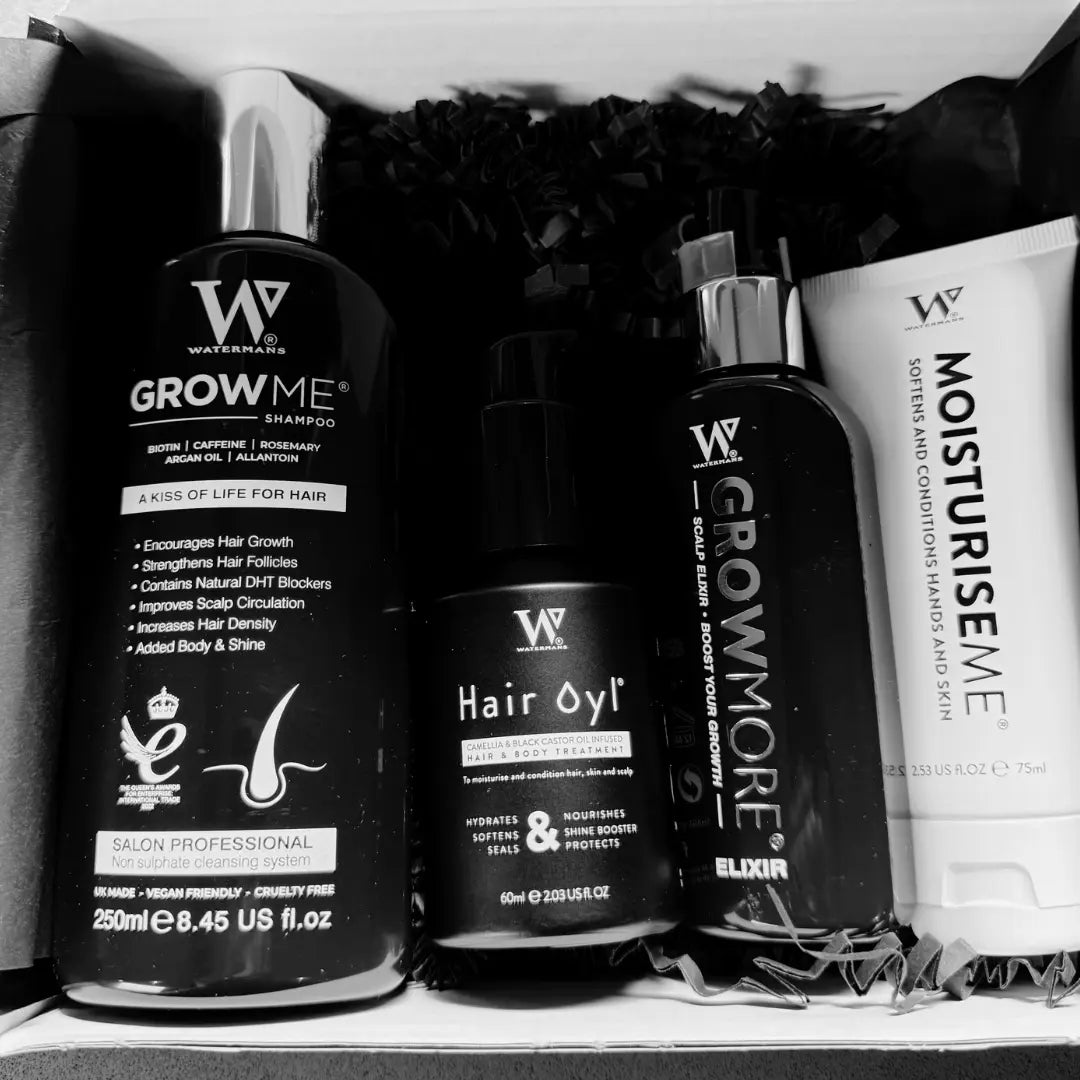
A good haircare routine for thinning hair may change the look. Many choose the set Watermans Hair Survival Kit. This kit joins shampoo and extra products to help hair from many sides.
Medical 5-Alpha Reductase Inhibitors: What They Do
For serious hair loss or prostate signs, a doctor may suggest drugs that block 5-alpha reductase.
Common Medications
- Finasteride – It mainly blocks type 2. It is used for male hair loss and prostate size.
- Dutasteride – It blocks both types. It is stronger and is used mostly for prostate issues but sometimes for hair loss too.
By stopping 5-alpha reductase, these drugs lower DHT in blood and tissues.
Potential Benefits
- They can slow or stop male hair loss.
- They may boost hair count and thickness.
- They can shrink an enlarged prostate and aid urine flow.
Potential Drawbacks
Since these drugs change hormone moves, they may affect:
- Desire or erectile function
- Ejaculation
- Breast changes
- Mood in some users
Not all feel these results. It is best to speak with a doctor and weigh the gains with the risks.
Many people now mix methods. They use a local system like Watermans Grow Me Shampoo first, then ask a doctor if drug treatment is needed.
How 5-Alpha Reductase Interacts With Female Hair Loss
Women also see hair thinning linked with DHT. The signs and hormones differ from men.
Female Pattern Hair Loss (FPHL)
Women with FPHL see:
- A wider part file
- A spread thinning on top
- More hair in the brush and shower
Androgens, including DHT, can have a part—especially with conditions like polycystic ovary syndrome or other hormone shifts. Other factors like estrogen, thyroid, and iron also matter.
5-Alpha Reductase in Women
Women have this enzyme too, but:
- Their androgen levels stay lower than in men
- Changes in estrogen (after birth or near menopause) shift hormone moves
- The local scalp enzyme still may shrink follicles
Many women first choose gentle, scalp-safe moves. A hair care set with parts like Biotin, Niacinamide, Caffeine, and Lupin Protein fits well with broader health and nutrition checks.
Creating a Hair Care Routine That Respects the 5-AR–DHT Pathway
You do not need deep hormone knowledge to use what we know about 5-alpha reductase. A simple plan works best.
Here is a method many follow:
-
Begin with scalp care.
Choose a shampoo and routine that supports follicles, builds volume, and keeps the scalp clean and even. Watermans Grow Me Shampoo is made for this, with Biotin, Niacinamide, Caffeine, Rosemary, Argan Oil, Allantoin, and Lupin Protein. -
Tune lifestyle habits.
Improve sleep, cut stress, and eat foods rich in protein, iron, zinc, and B-vitamins to keep hormones steady. -
Add extra supports if needed.
Some use conditioners, scalp tonics, or full hair kits. The Watermans Hair Survival Kit gives extra help to keep hair strong. -
Talk to a specialist if loss gets worse.
If you see fast shedding or a lot of scalp, ask a dermatologist. They can check if medical drugs or other treatments suit you. -
Watch and adjust over time.
Take pictures every few months. Hair changes slowly. If you add medications later, keep up with good scalp care.
5-Alpha Reductase and Ageing: What Changes Over Time?
As you age, hormone levels shift. This change alters testosterone, DHT, estrogen, and more.
In Men
- Testosterone falls slowly with age.
- Certain tissues, like the prostate, keep high enzyme activity.
- The rise in DHT relative to testosterone can add to hair thinning and prostate growth.
In Women
- Estrogen falls much near menopause.
- This drop may let androgens show more influence on hair.
- In the 40s and 50s, many see hair thinning or texture shifts.
These changes affirm the need for early and steady scalp care.
Key Ingredients That Complement 5-Alpha Reductase Science
No cosmetic part acts as a full drug, yet many fixes help with DHT-linked thinning.
Biotin
- A B-vitamin that supports hair and nails
- Common in supplements and shampoos
- It supports hair strength
Caffeine
- Tested for waking hair follicles
- May counter shrinkage when applied on the scalp
- Found in advanced shampoos for its wake-up effect
Rosemary
- Known to boost blood flow and the scalp
- Some results come close to standard hair products over time
Niacinamide
- Helps the skin’s barrier and small blood vessels
- Keeps the scalp calm and ready for hair growth
Argan Oil
- Conditions hair and adds shine
- Cuts breakage and dryness for a fuller look
Lupin Protein
- A plant protein that brings peptides for stronger hair
- Boosts hair texture and body
All these parts mix in Watermans Grow Me Shampoo. This mix works at the root to build volume and support hair, without changing hormones in the rest of the body.
FAQs About 5-Alpha Reductase, DHT, and Hair
1. Can you block 5-alpha reductase naturally?
Some plant parts and nutrients may shift the enzyme's work. Their action is weaker than that of drugs. Many choose to support the scalp and keep hormones in check with good products and habits. A strong start is a scalp shampoo like Watermans Grow Me Shampoo, which wakes the scalp with Biotin, Caffeine, Rosemary, Niacinamide, Argan Oil, Allantoin, and Lupin Protein.
2. Is 5-alpha reductase the only cause of hair loss?
No. Hair loss may also come from:
- Lacking iron, B12, or protein
- Thyroid issues
- Autoimmune signs (like patchy loss)
- High stress or sickness
- Harsh chemicals or tight hairstyles
A deep check is wise if loss comes suddenly or with other signs.
3. Do women need to worry about 5-alpha reductase and DHT?
Women make androgens too, and the enzyme works in their skin and follicles. In cases such as PCOS or hormonal shifts, DHT may thin hair. Still, many factors matter. Many start with scalp-safe methods like the Watermans Hair Survival Kit and then get advice if thinning stays.
Your Next Step: Support Your Hair While Science Works for You
The science of 5-alpha reductase has changed how we see hair loss, prostate size, and hormone balance. New work keeps improving our grasp of DHT in the body. For daily life, a clear, steady routine supports the hair you have now.
You do not have to start with drugs to see progress. A smart, scalp-safe system works with your body. That is why many who seek a natural-first way choose Watermans Grow Me Shampoo. Its blend with Biotin, Rosemary, Caffeine, Niacinamide, Argan Oil, Allantoin, and Lupin Protein works right at the scalp. It builds volume at the roots and gives hair the room to grow.
If you are set to act now—without waiting for the latest lab work—build your daily routine with a proven, hair-safe system. Check the full Watermans Hair Survival Kit for a mixed, all-round plan. This way, you give your hair the care it needs as you and your doctor decide on other options.